Zelenskyy told American television he would organize wartime elections if Russia gives Ukraine 60 days of total quiet. By Monday morning, the Kremlin had its answer: no ceasefire — but Vladimir Putin would order his military to hold fire for one single election day. It is the strangest ceasefire proposal of the war, and it reveals exactly where each side thinks the pressure really lies.
Track it live: Live Ukraine war map · All conflicts tracker
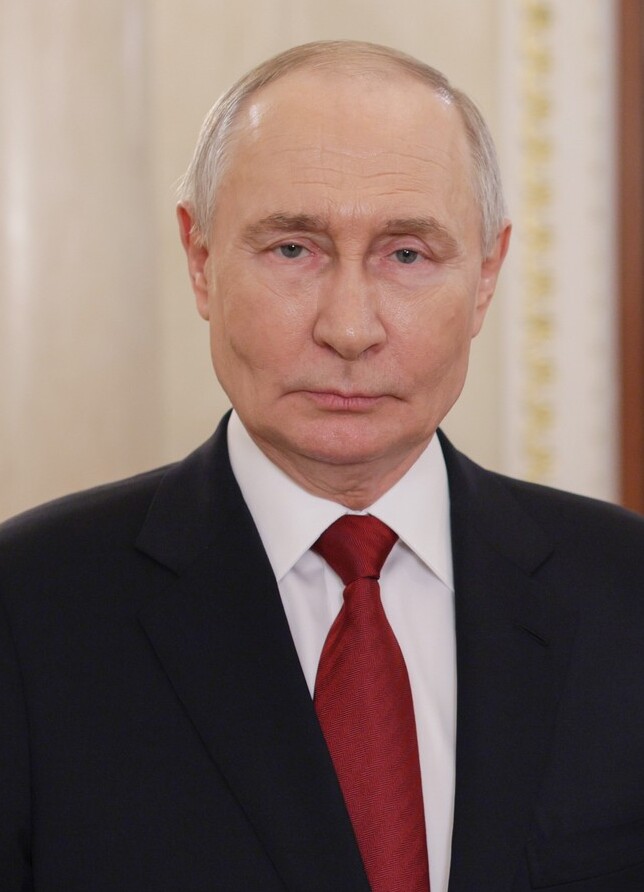
The Putin Ukraine election day ceasefire proposal landed Monday morning with a precision that felt almost theatrical. Asked about Volodymyr Zelenskyy's weekend offer — 60 days of total ceasefire in exchange for wartime presidential elections — Kremlin spokesman Dmitry Peskov gave a two-part answer. First, the rejection: Russia does not want a ceasefire at all, temporary or otherwise; it wants what Peskov called a long-term peace deal. Then the twist, delivered via the state news agency RIA: if Kyiv holds elections anyway, Vladimir Putin would be ready to order the Russian military not to strike Ukraine — for that one day. Sixty days was too many. One day, Moscow says, would be fine.
What just happened
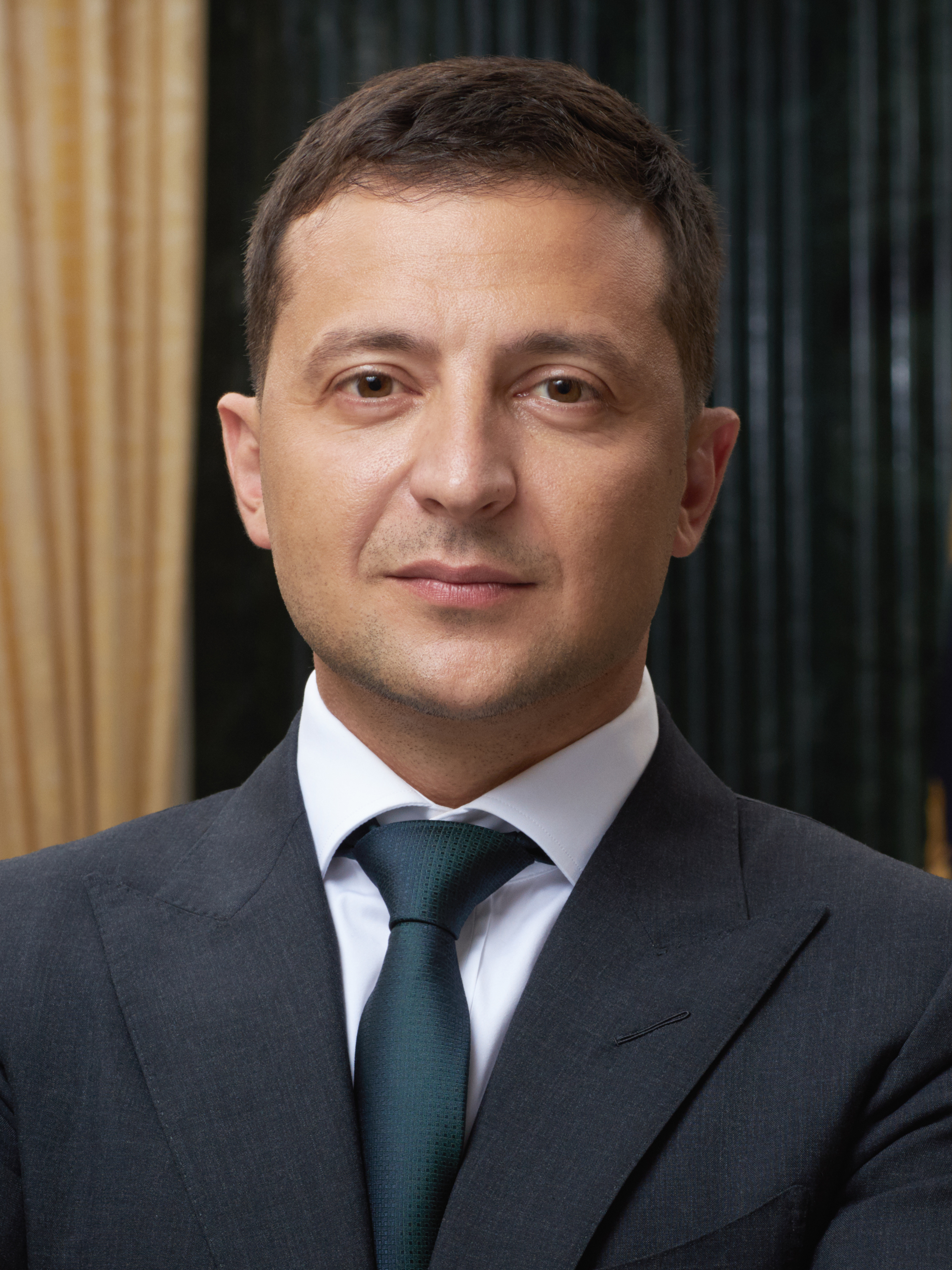
The exchange unfolded over roughly 24 hours. On Sunday, Zelenskyy appeared on ABC's This Week and responded to Donald Trump's extraordinary Saturday broadside — the U.S. president telling reporters it was "time for Ukraine to get a new president" — with a counter-offer aimed squarely at both Washington and Moscow. "Please tell Putin, give us two months, 60 days of total ceasefire, 60 days, and we will organize elections," Zelenskyy said. He added that it was up to Ukrainians to choose their leader, and noted that Putin, too, would like to see him replaced.
On Monday, Peskov shut the 60-day idea down. "In the Kremlin, both President Putin and officials at other levels have repeatedly stated that we do not want a ceasefire," he told reporters, according to Reuters. "We want long-term peace and are prepared to do everything possible to achieve it." But Peskov added that Moscow is "not against" Ukrainian elections as such — and that Putin stood ready to instruct the armed forces to hold fire on election day itself, if Kyiv goes ahead and organizes a vote.
Why this matters
This is not really a negotiation about ceasefire durations. It is a fight over legitimacy — and over who gets to define the terms of the war's endgame. For three years, Moscow has insisted that Zelenskyy is an "illegitimate" leader because his five-year term formally expired in 2024 and wartime martial law has postponed elections. Trump has now, remarkably, echoed that line from the White House. Zelenskyy's 60-day offer is an attempt to flip the script: call the bluff, hold the vote, and strip Moscow of its favorite talking point — but only under conditions where campaigning and voting don't happen under bombardment. Putin's one-day counter is the mirror image: it accepts the election while denying the conditions that would make it credible, and it costs Moscow nothing. A single quiet day is a gesture; sixty quiet days is a truce. The Kremlin knows the difference perfectly well — that is precisely why it drew the line where it did.
How we got here
The election question did not erupt in a vacuum. It detonated inside the worst week of U.S.-Ukraine relations in the Trump era. On Saturday, Trump did two things that stunned Kyiv. First, he announced the United States would buy more than a million tonnes of diesel from Russia — temporarily lifting sanctions designed to starve Moscow's war budget — arguing the deal would lower American fuel prices ahead of next month's midterm elections. Second, he ordered Zelenskyy to stop Ukraine's long-range strikes on Russian oil refineries, calling them a "global problem," and then told reporters Ukraine needed "a new president" who could make a deal.
Kyiv's fury was undisguised. People close to Zelenskyy told Le Monde the response inside the presidential office was blunt: hit Russia even harder. And on Sunday, Zelenskyy made a parallel offer on energy — writing on X that Ukraine would stop striking Russian refineries if Russia stopped striking Ukrainian energy infrastructure, insisting that "any de-escalation steps must be reciprocal and backed by real guarantees." Peskov confirmed Monday that contacts were ongoing about the separate "energy ceasefire" Trump has announced, but declined to say what it would even cover.
What each side is really saying
Strip away the choreography and three distinct logics emerge.
Zelenskyy's logic: You cannot hold a credible national election while missiles fall on polling stations. Ukrainian law prohibits elections under martial law, so parliament would need to legislate a wartime voting framework — Zelenskyy says the Rada could do it within the 60-day window — and the country would need what he called "security infrastructure" so people can actually vote. The subtext, aimed at Trump: fine, you want an election — make Putin give us the conditions for one. If Moscow refuses, the refusal itself becomes the story, and the legitimacy question boomerangs back onto Russia.
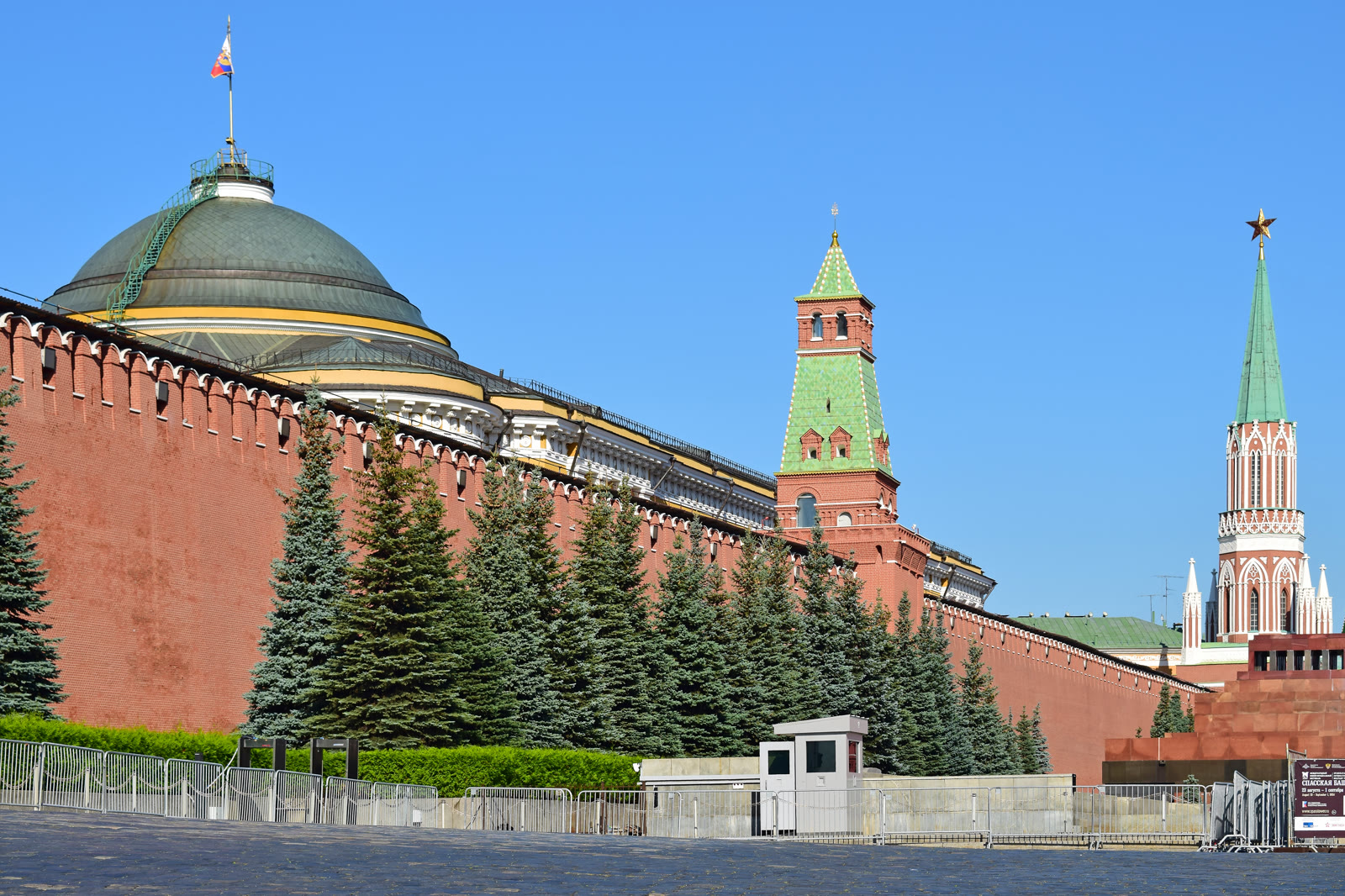
The Kremlin's logic: A 60-day ceasefire is not a path to peace but a breather for the Ukrainian army — Moscow's consistent position is that any pause lets Kyiv "lick its wounds," rearm, and return to the fight. An overall settlement must come first; elections are Ukraine's internal business and can happen under fire, as far as the Kremlin is concerned. The one-day offer threads the needle: it lets Moscow claim it never obstructed Ukrainian democracy while conceding nothing of military value. It also keeps the "illegitimate leader" narrative alive, since a vote organized under bombardment would be easy to dismiss.
Trump's position: The American president has aligned, at least rhetorically, with Moscow's framing — questioning Zelenskyy's leadership while cutting an energy deal with Russia and pressing Kyiv to stop hitting refineries. For Zelenskyy, that makes the 60-day proposal doubly useful: it answers the "new president" demand without conceding it, and it forces Washington to choose between backing a democratic process or accepting Moscow's terms.
Who gains, who loses
If the 60-day proposal were somehow accepted, the winners would be easy to name: Zelenskyy, who would convert his biggest vulnerability into a democratic mandate; European leaders, who have rallied behind him this week and want the legitimacy question settled; and arguably Trump, who could claim he forced the election he demanded. The losers would be those invested in the status quo narrative — Moscow's "illegitimate leader" talking point would evaporate the moment ballots were counted.
Under the one-day counter-offer, the calculus inverts. Moscow gains a cost-free magnanimity headline while keeping its military tempo untouched for 364 other days. Kyiv loses either way: accept a one-day pause and organize a vote under fire — an election critics at home and abroad would call a sham — or refuse, and hand Moscow footage of the "illegitimate" president declining Putin's generous election-day truce. That is the trap Zelenskyy now has to navigate, and it was set with considerable skill.
The critics of both proposals deserve a hearing. Ukrainian opposition figures have long argued that wartime elections are impossible to run fairly — millions of citizens are displaced, soldiers at the front cannot campaign, and Russian interference would be a certainty. Western election observers privately make the same point. On the other side, analysts who track Kremlin signaling note that Moscow has never once accepted a time-limited ceasefire in this war without attaching conditions that gutted it — the pattern held in 2022, 2023, and the short-lived 2025 energy moratorium talks. A 60-day halt was always the longest of long shots.
The election problem, by the numbers
The logistics explain why 60 days matters and one day does not. Ukraine has roughly 30 million eligible voters, of whom an estimated 6 to 8 million are displaced abroad or internally — the largest disenfranchisement risk of any European election ever attempted. Setting up out-of-country voting across dozens of host nations, securing polling stations against drone and missile attack, updating voter rolls for a population that has moved en masse, and amending the martial-law election ban through parliament: election administrators say each of these is a multi-week project. Sixty days is, if anything, an aggressive timetable — Zelenskyy's team has previously suggested the real figure is closer to six months. One day of quiet solves exactly none of this. It protects the act of voting for a few hours while leaving the entire campaign, the voter registration, and the count exposed to the war.
There is also the precedent question. No democracy has held a full national election under sustained aerial bombardment in the modern era — Britain suspended its 1940 election during the Blitz, and Ukraine's own law reflects that lesson. Moscow's suggestion that Kyiv simply vote under fire is, in practical terms, a demand for an election designed to fail.
What happens next
Three scenarios now branch from Monday's exchange. Scenario one: the proposal dies quietly. Kyiv notes the rejection, European capitals condemn it, and the election question recedes until the next Trump broadside — the most likely outcome, and the one Moscow is counting on. Scenario two: negotiations over the separate energy ceasefire — the one Trump announced and Peskov confirmed is under discussion — produce a limited, verifiable halt to strikes on energy infrastructure, which Zelenskyy has already said Ukraine would reciprocate. That would be a genuine de-escalation, even if it has nothing to do with elections. Scenario three, the wild card: Trump, who demanded the election in the first place, decides to own the process — pressing Putin publicly to accept the 60-day window as the price of the diesel deal and the broader U.S.-Russia economic opening his envoys have been negotiating. That would put the American president in the unfamiliar position of leaning on Moscow rather than Kyiv. Nothing in the last week suggests he wants that fight — but the midterms are four weeks away, and "I forced Putin to stop bombing so Ukraine could vote" is the kind of headline this White House understands.
For now, the war grinds on, the election remains hypothetical, and both leaders have said exactly what their domestic audiences needed to hear. Zelenskyy looks like the democrat offering a vote; Putin looks like the strongman unbothered by one. The one-day pause is not a policy. It is a message — and the message is that Moscow intends to keep fighting on every day it chooses, elections or not.
Sources
- Reuters — Kremlin rejects Ukrainian leader's idea of a 60-day ceasefire, says it wants an overall peace deal (Oct 12, 2026)
- Reuters — Putin is ready to stop attacks on Ukraine, but only on election day, RIA reports (Oct 12, 2026)
- Reuters — Ukraine's Zelenskiy tells ABC he will organize elections if Russia agrees to 60-day ceasefire (Oct 11, 2026)
- Le Monde — Ukraine and Europe seek to keep pressure on Putin after Trump deal on Russian diesel (Oct 12, 2026)
- The Times — Zelensky repeats offer to hold elections if Russia agrees to ceasefire (Oct 12, 2026)