Trump says Ukraine needs new president
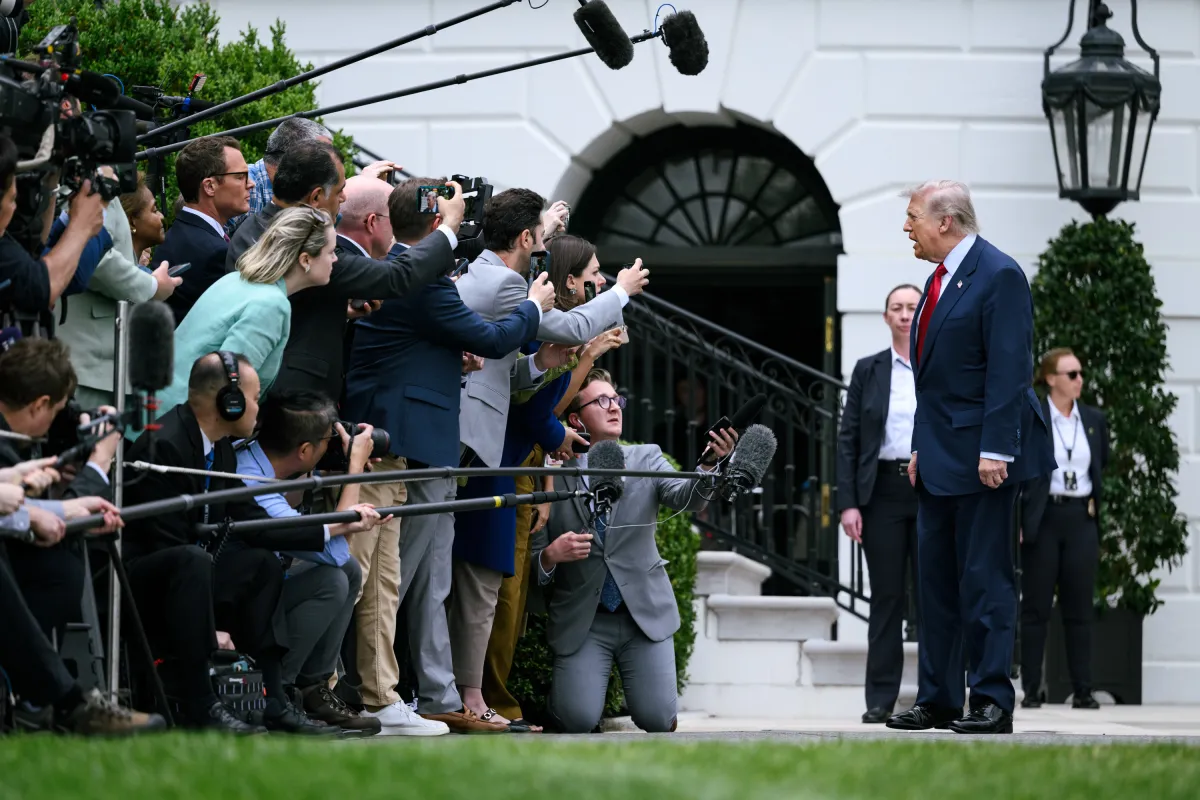
War / Ukraine / US Foreign PolicyTrump says Ukraine needs new president after accusing Volodymyr Zelenskyy of prolonging Russia's war and driving up diesel prices through attacks on Russian refineries. Speaking to reporters Saturday, Trump said, “I think it's time for Ukraine to get a new president,” and demanded that the refinery campaign stop. Zelenskyy did not immediately respond to the leadership challenge.
Track it live: follow battlefield and diplomatic developments on the Ukraine war live map.
Why this matters: the dispute is now about leadership, not only tactics
The Trump-Zelenskyy relationship has fallen to its lowest point since their February 2025 Oval Office confrontation. For roughly 18 months, European leaders have tried to keep US support tied to a strategy of helping Ukraine while pressing Russia toward negotiations. Trump calls for Zelensky replacement now threaten to change that frame: instead of arguing over the terms of a settlement, Washington is publicly questioning whether Kyiv's wartime president should be the person negotiating it.
That shift gives Moscow an immediate diplomatic advantage. Russia has long challenged Zelenskyy's legitimacy and benefits when Ukraine's most important military partner echoes doubts about his leadership. It also puts European governments in a harder position. They may have to defend Ukraine's democratic autonomy while simultaneously persuading Washington to keep intelligence, weapons and sanctions aligned.
For Trump, the argument is domestic as well as geopolitical. Diesel costs reach voters through trucking, farming and food prices. His case is that Ukraine's refinery campaign constricts global supply and “causes pain” in the United States. With midterm elections approaching, demanding a halt lets the White House present itself as protecting American consumers even as critics say Russia's war and the Middle East conflict matter more.
How we got here: diesel, refinery strikes and a deal with Putin
Trump blames Zelensky diesel prices after repeated requests
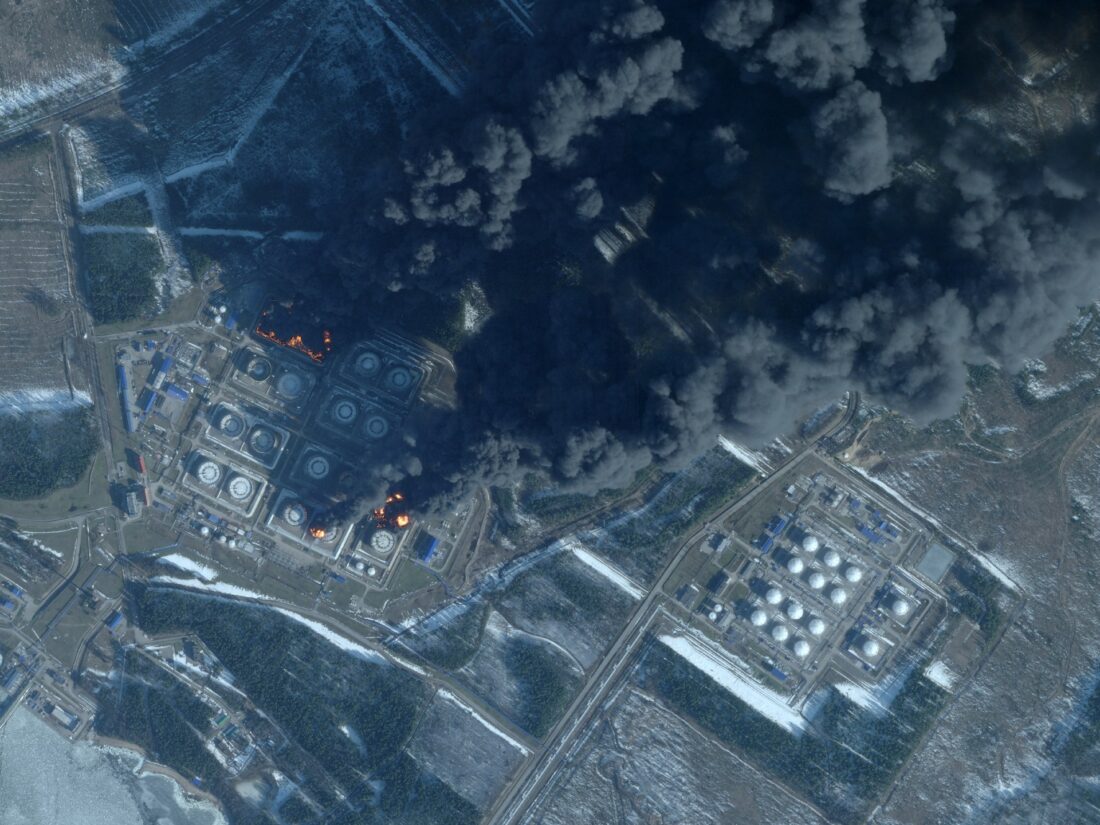
Axios reported, citing a US official with direct knowledge, that Zelenskyy ignored about six requests to stop attacking Russian refineries. The official's account was that Trump did not consider Ukrainian attacks on fuel plants equivalent to Russian strikes on Ukraine's power grid and wanted Kyiv to halt first. Ukraine offered a reciprocal energy truce: it would stop hitting Russian oil facilities if Moscow stopped attacking Ukrainian energy infrastructure.
The Trump Zelensky refinery strikes dispute intensified after the White House announced a diesel arrangement with Vladimir Putin. Trump said Russia would supply more than 300,000 tons immediately, 500,000 tons in November and one million tons after that. The Treasury Department issued a temporary general license covering Russian diesel. Congress has separately passed a 100% tariff measure targeting the five largest buyers of Russian exports, but it has not yet been implemented.
Russia had banned diesel exports this spring as its own fuel crisis deepened. Ukraine's campaign has reached farther into the country: a roughly 3,000-kilometer strike hit the Omsk refinery complex Thursday, and the Ukhta refinery was hit Friday. Ukrainian intelligence estimates that about 49% of Russian refining capacity is offline. That figure is difficult to verify independently and may include units under repair rather than plants that are wholly disabled, but it indicates the scale Kyiv claims for the campaign.
Witkoff-Kushner Miami talks put US assistance at the center
Steve Witkoff and Jared Kushner spent about eight hours Friday with Ukrainian and European officials in Miami. According to four people familiar with the conversation cited by The Wall Street Journal, the US envoys repeatedly referred to American support, including intelligence sharing, as they pressed Kyiv to comply with Trump's request. The Ukrainian delegation left early and canceled a planned second session Saturday.
The US intelligence sharing Ukraine threat is disputed. Two people who attended told the Journal that no explicit threat to cut intelligence was made; one said the implication was easy to perceive. A Ukrainian official separately told Axios that the possibility of a cutoff was raised. A US official denied any explicit or implicit threat. Those accounts cannot all be reconciled from the available reporting, so the responsible conclusion is narrower: intelligence support was discussed in a conversation about compliance, while the parties disagree over whether that amounted to coercion.
A senior Ukrainian official described the Trump-Putin diesel announcement as feeling like a trap. That reaction explains why the Miami schedule matters. Kyiv was discussing a US peace initiative while Washington prepared an energy deal with Moscow that eased pressure on a revenue stream Ukraine was trying to damage.
Two competing strategies for ending the war
Trump's case: lower costs and force a deal
The White House argument combines urgency, consumer prices and negotiating leverage. Trump says Zelenskyy had repeated chances to settle the war, ignored requests to protect refinery capacity and caused economic pain beyond Russia. On this view, permitting limited Russian diesel sales can relieve a tight market while showing Kyiv that US support is not unconditional.
Supporters of that approach can point to a genuine transmission channel: refinery outages and export bans remove products from global trade, and diesel is central to agriculture and freight. A rapid increase in supply can soften prices at the margin. They can also argue that allies sometimes need pressure to accept compromises they would not choose alone.
Ukraine's case: refinery strikes are leverage against aggression
Kyiv sees the same facilities as part of Russia's war economy. Refinery damage can reduce export earnings, complicate military logistics and force Moscow to divert air defenses away from the front. Zelenskyy's warning is that easing pressure tells Russia it can “keep dropping bombs on cities.” From Ukraine's perspective, sanctions relief without reciprocal de-escalation rewards the aggressor and gives up leverage before negotiations produce anything.
That logic also explains Ukraine's proposal for symmetry. Kyiv says it will stop attacking Russian oil infrastructure if Russia stops attacking Ukraine's energy system. Trump wants the Ukrainian halt first. The disagreement is therefore not over whether civilian energy disruption is harmful; it is over reciprocity, sequencing and which targets count as legitimate pressure in a continuing war.

What the numbers mean — and what they do not
The announced first three tranches total at least 1.8 million tons. That sounds large in isolation, but energy analysts caution that the near-term quantities are limited relative to global consumption and may not produce the price drop implied by the political messaging. Physical delivery, refinery output, shipping and sanctions compliance all matter before pledged tons become usable market supply.
The 49% offline estimate would, if sustained and measured consistently, represent extraordinary damage to Russia's refining system. Yet capacity figures can count partial shutdowns, maintenance and units scheduled to return. It is stronger evidence of mounting pressure than a precise measure of permanently lost output.
Analysts also emphasize a wider cause of this year's fuel shock: the US-Iran conflict and disruption around the Strait of Hormuz. Russian refinery attacks add strain, but they are not the only driver. That distinction matters because stopping Ukraine's strikes cannot by itself resolve a global price increase rooted in several conflicts and transport risks.
Who benefits, who loses and what critics say
Potential winners
Trump could gain if additional barrels lower wholesale diesel prices before the midterms, validating his promise to prioritize farmers, truckers and consumers. Putin gains sanctions relief, export revenue and a visible split between Washington and Kyiv. Moscow also benefits if US pressure reduces attacks on energy assets without requiring Russia to stop strikes on Ukraine's grid.
Those carrying the risk
Zelenskyy loses room to maneuver: continuing the campaign may endanger the relationship with Washington, while stopping unilaterally sacrifices leverage. Europe risks watching 18 months of alliance management unravel. US consumers may see little relief if promised diesel arrives slowly or Hormuz disruptions remain the dominant force in the market.
Critics' central objection
Critics argue that the Trump Putin diesel deal backlash is not merely symbolic. Relaxing restrictions can finance Russia's war while making Ukrainian strikes appear to target a supply chain now endorsed by the US president. They also question whether threatening—or appearing to threaten—intelligence support is proportionate to a dispute over fuel prices. The White House rejects the claim that it made such a threat.
What happens next: four scenarios
Kyiv pauses the strikes
If Ukraine accepts the request, Trump can claim immediate diplomatic leverage and Russia may restore some export capacity. The test would be whether Moscow reciprocates against Ukraine's power system. Without that step, Zelenskyy would face criticism for trading away leverage for an unfulfilled promise.
Ukraine continues and Washington escalates pressure
Another refinery strike could trigger new public attacks on Zelenskyy or restrictions on intelligence and weapons. Because the parties dispute whether a threat was already made, any concrete change in support would move the issue from implication to policy and force European capitals to respond.
The diesel deal proves smaller than advertised
If cargoes are delayed, unavailable or too small to move prices, Trump's case against Kyiv weakens. Attention would return to Hormuz, Iran and wider supply constraints. Congress could also press the administration over implementing its tariff measure against major buyers of Russian exports.
A reciprocal energy ceasefire revives talks
The narrowest path out is a monitored bargain in which both Russia and Ukraine stop hitting specified energy targets. It would not settle territory or security guarantees, but it could lower civilian risk and create a measurable first step. The problem is trust: each side expects the other to exploit a pause, and Friday's Miami breakdown made verification and sequencing harder.
The decisive test is what Washington does, not only what Trump said
Presidential rhetoric can be bargaining pressure, a signal of policy or both. The next evidence will come from actions: whether US intelligence sharing changes, whether Ukrainian teams return to negotiations, whether Russian diesel actually reaches markets and whether Moscow limits attacks on Ukrainian energy infrastructure. Until then, the public record supports two firm conclusions. Trump has made Zelenskyy's leadership part of the dispute, and the allies no longer agree on whether refinery strikes are strategic leverage or an unacceptable cost to American consumers.
Sources
- The Wall Street Journal — Trump's remarks, the Miami talks and conflicting accounts of intelligence pressure
- Axios reporting summarized by Daily BS — six reported US requests, the diesel deal and the disputed intelligence claim
- Financial Times reporting summarized by EuropeSays — Ukraine's intention to continue refinery strikes and the Miami delegation's early departure
- EA WorldView — Zelenskyy's public statements and updates on Russian attacks and Ukrainian energy strikes
- CNN — diesel quantities, market scale and the public Trump-Zelenskyy exchange
Reporting note: Claims about the Miami meeting are attributed because the US and Ukrainian accounts conflict. Capacity and casualty estimates from parties to the war are identified as claims and have not been independently verified by Signal Post News.