Putin diesel sanctions Valdai became a direct bargaining proposition on Thursday: Russia has fuel, its president said, but the world will not receive it while restrictions on Russian oil and petroleum products remain.
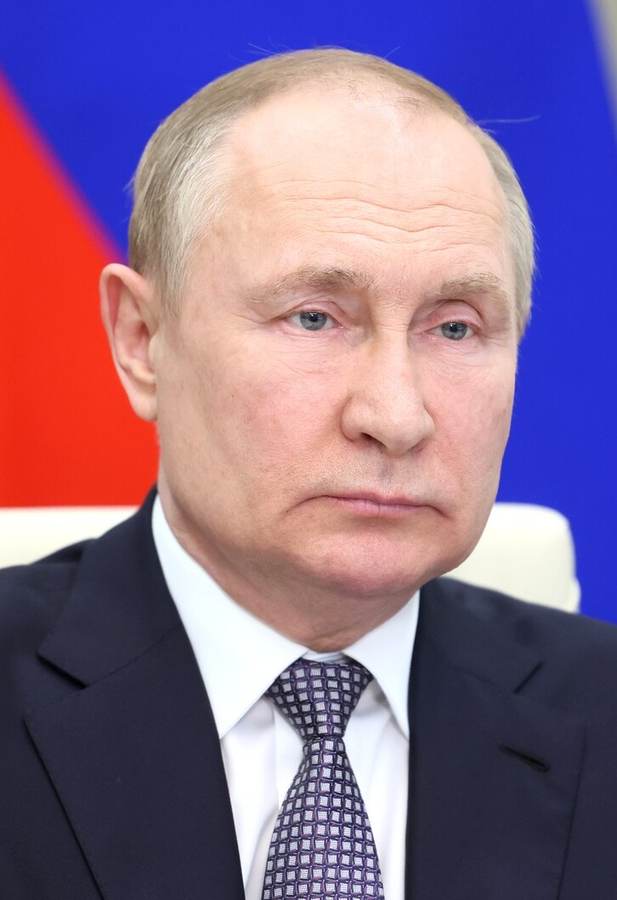
At the Valdai Forum in Moscow on October 1, President Vladimir Putin said: “We have enough diesel, but it won't reach global markets because of the bans and sanctions in place against our oil and petroleum products.” The statement went beyond a complaint about sanctions. It publicly linked the return of Russian diesel to a political concession: sanctions relief.
Putin also acknowledged that Ukraine's campaign against Russian refineries had “partially achieved its objectives,” put the cost at about 1% of Russian gross domestic product and said Moscow was “responding in kind.” Those admissions matter because they put a Kremlin estimate on damage Moscow often minimizes, while leaving the meaning and scope of retaliation deliberately broad.
Why “Russia won't supply diesel until sanctions lifted” matters
The immediate significance is strategic. Moscow is trying to convert wartime damage and a supply shortage into negotiating leverage. Instead of presenting diesel exports as a commercial flow that will resume when repairs permit, Putin framed them as something Russia can withhold until Western governments alter sanctions policy.
That does not mean sanctions alone caused the shortage. Russia has itself extended a diesel export ban for producers through the end of October, a policy choice intended to keep more fuel at home. Ukraine's strikes have reduced refinery throughput. War around Iran and the thin flow through the Strait of Hormuz have constrained deliveries elsewhere. China has halted fuel exports. Each factor removes barrels from an already tight market.
The distinction is central to assessing the claim. Sanctions limit where and how Russian petroleum products can trade; damaged plants reduce the volume available; Russia's own export controls decide how much of the remaining fuel stays inside the country. Putin's formula places primary responsibility on sanctions, but the present shortage is the combined result of coercion, physical disruption and state policy.
Putin Valdai forum diesel exports October 2026: the public record
The verified public record is the Valdai statement itself. It is not necessary to rely on an unverified account of a private phone call to establish the linkage: Putin made the connection openly before an audience. He said Russia had sufficient diesel, that sanctions prevented it from reaching world markets, and that Ukrainian strikes had inflicted measurable economic costs.
That combination serves several audiences. At home, it argues that shortages and fuel queues are consequences of external pressure and war. Abroad, it warns that maintaining sanctions carries a consumer price. In negotiations, it creates a simple trade to test: relax restrictions and Russian barrels could return.
Ukraine refinery strikes cost Russia 1% GDP, Putin says
Ukraine has attacked Russian refining and fuel infrastructure since the summer, arguing that the facilities supply military operations and generate revenue for the invasion. Ukrainian estimates say sites representing more than 45% of Russia's refining capacity have been hit. That percentage describes capacity at facilities targeted, not necessarily capacity permanently destroyed or offline at the same time; repeated strikes, partial shutdowns and repairs make the operational effect harder to measure.
Putin's 1% figure provides a separate measure. Applied to a roughly $2 trillion economy, 1% is approximately $20 billion. It is a scale comparison, not an audited loss total: GDP measures annual output, and the figure may include lost production, repair costs, transport inefficiencies and wider disruption. Even with that caution, the order of magnitude explains why refinery strikes have moved from a military logistics issue into macroeconomic and diplomatic messaging.
Fuel queues reported in parts of Russia reinforce the domestic pressure. Keeping diesel home can protect farms, trucking and military supply, but every diverted export cargo also reduces foreign-currency earnings. That creates a tension for Moscow: preserving internal availability can weaken the export revenue the state uses to finance its broader budget.
Russia diesel export ban October 31 is also a policy choice
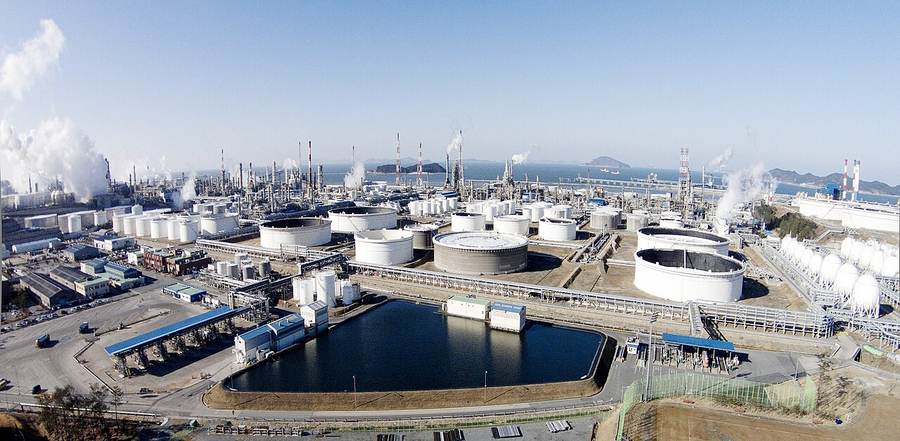
Russia's extension of its diesel export ban for fuel producers through October 31 complicates the sanctions argument. Export restrictions can stabilize domestic supply by preventing traders from sending scarce fuel to higher-priced markets. They can also intensify shortages abroad, especially when importers have few quick substitutes.
For Putin, the ban creates leverage only if buyers believe Russian supply could return quickly after a sanctions concession. If refinery damage or logistics constraints remain binding, relief may not produce an immediate surge. Conversely, if Russia truly has enough diesel, the ban demonstrates that Moscow has chosen domestic availability and bargaining power over export revenue for now.
Global diesel shortage 2026: Iran, Ukraine and China's export halt
The global diesel shortage 2026 Iran Ukraine story is not a single-front shock. Fighting involving Iran has constrained Gulf deliveries, while traffic through the Strait of Hormuz has slowed to a trickle. Ukraine's refinery campaign has cut Russian processing. China's decision to stop fuel exports removed another balancing source from the market just as buyers were searching for alternatives.
That is why analysts caution against attributing record prices to one actor. Ukraine's strikes matter, but so do the Iran war, Hormuz disruption, China's halt and Moscow's own export ban. The effects reinforce one another: fewer Russian cargoes make a Chinese cutoff more consequential, while tight Gulf flows make European emergency stocks more valuable.
US diesel prices record $6.50 gallon — versus $4.43 gasoline
U.S. diesel prices above $6.50 a gallon set a record in the reporting available Thursday, compared with gasoline around $4.43. The difference matters because diesel is embedded in freight, farming, construction and industrial costs. A household may not buy diesel directly, but it pays for the trucks, tractors and generators that do.
The political exposure falls heavily on President Donald Trump before the midterm elections. Trump said on September 30 that Ukraine's refinery strikes were the biggest driver of the diesel crunch. Energy Secretary Chris Wright pointed to broader disruptions. Those accounts are not mutually exclusive: a major driver can operate alongside several other supply losses, but the disagreement shapes which policy response appears justified.
Trump diesel export ban, Germany and France: the gasoline tradeoff
The White House is weighing whether to limit U.S. diesel exports. Such a ban could retain more fuel domestically and provide short-term price relief for diesel users. The tradeoff is refining economics: U.S. refineries produce a mix of fuels, and restricting one product can reduce incentives to run at maximum rates. Lower throughput can tighten gasoline supply and push gasoline prices higher.
That is the warning behind the Oilprice.com account of Trump's acknowledgement that a diesel export ban could raise gasoline prices. A policy designed to protect truckers and industry could therefore shift part of the burden onto drivers rather than eliminate it.
The administration has also reportedly urged Germany and France to draw down emergency diesel inventories. Those requests, and any decision by Berlin or Paris, should be evaluated through official announcements as they emerge. A stock release can bridge a temporary disruption; it cannot replace durable supply if the Russia, Iran and China constraints persist into winter.
EU diesel stockpile release taskforce meets Friday
The EU energy taskforce is due to meet Friday to consider releasing diesel stockpiles. The decision will test how governments value price relief against winter insurance. Emergency inventories exist for disruptions, but early releases reduce the cushion available if war damage, sanctions, shipping delays or cold-weather demand worsen.
European industry is especially exposed. Diesel moves goods and powers equipment, while elevated energy costs feed through manufacturing margins. Consumers face higher transport and heating bills. Governments face a coordination problem: a release works better if members move together, but national stock levels and political pressures differ.
Who benefits, and who loses
Putin gains a negotiating frame. By saying fuel will not reach global markets until sanctions are lifted, he converts a vulnerability into a demand. Whether it becomes leverage depends on how urgently buyers need Russian supply and whether sanctions authorities believe relief would produce enough additional diesel to justify the concession.
Ukraine gains by denying Moscow fuel output and revenue. Kyiv says refineries support the invasion. Strikes can complicate military logistics and reduce export earnings, but they also draw criticism when global consumers bear higher costs or when partners fear escalation against energy infrastructure.
China and India may gain refining leverage. Refiners with access to crude, spare processing capacity and permitted trade routes can capture higher margins when finished products are scarce. China's export halt, however, suggests Beijing is prioritizing domestic security over that opportunity, at least for now.
Consumers and industry lose first. U.S. and European households face record or near-record fuel costs; haulers, farmers and manufacturers absorb higher operating expenses; and European governments enter winter with less room for error. Trump also carries the electoral risk because voters tend to attribute pump prices to the president regardless of how many international shocks are involved.
Putin “responding in kind” to refinery strikes: what it could mean
Putin did not define the phrase. In context, “responding in kind” could signal continued or intensified Russian attacks on Ukrainian energy production, grid infrastructure, steel plants, rail networks and other systems that support the war economy. It should not be read as confirmation of any particular target list before attacks occur.
The winter escalation risk is reciprocal. Ukraine can keep pressuring Russia's fuel system; Russia can increase pressure on Ukraine's electricity, heavy industry and logistics. Both campaigns impose civilian and economic costs even when governments describe the targets as military-support infrastructure.
What happens next
Friday's EU meeting offers the first near-term policy test. A coordinated stock release could cool prices temporarily and signal that Europe will not exchange sanctions relief for immediate market relief. A limited or delayed response would leave importers competing for fewer cargoes.
Washington's choice is more complicated. Blocking diesel exports may lower domestic diesel prices, but a reduction in refinery runs could raise gasoline prices. Doing nothing leaves the administration exposed to the charge that it failed to protect consumers. Asking allies to use emergency stocks spreads the response but also exports political pressure.
The larger question is whether Putin's sanctions linkage becomes a real negotiating chip. It will if governments conclude Russian diesel can materially ease the shortage and no alternative supply response is fast enough. It will weaken if emergency stocks, demand reductions, refinery repairs or new exports from other producers stabilize the market.
For now, three facts can be separated from analysis: Putin publicly conditioned global diesel supply on sanctions relief; he said Ukrainian refinery strikes had cost Russia roughly 1% of GDP; and Russia has extended its own diesel export ban through October. The inference is that Moscow is trying to turn those facts into bargaining power. Whether buyers accept the bargain remains open.
Related coverage
- Putin's Valdai nuclear warning over Kaliningrad
- Zelenskyy says Ukraine struck the Samara refinery and Black Sea targets
- Trump's diesel export-ban debate and Europe's warning
- China halts fuel exports as oil prices jump
Sources
- Reuters — Putin says Russia will not supply diesel to global markets until sanctions are lifted (October 1, 2026)
- Dawn News English — Video report on Putin's Valdai remarks and the diesel shortage
- TBS News — Oil jumps on reports China halted fuel exports
- Oilprice.com — Trump acknowledges the gasoline-price tradeoff in a diesel export ban