War · Israel · Gaza
Israel’s military said on Wednesday that a series of airstrikes across the Gaza Strip between October 22 and 26 killed six Hamas operatives — three of them men it accuses of taking part in the October 7, 2023 attacks, including an operative it says helped abduct civilians from Kibbutz Nir Oz and later held hostages. The names were published as IDF claims, with no independent confirmation and no response from Hamas in the reporting available on Wednesday.
Track it live: Israel war map tracker
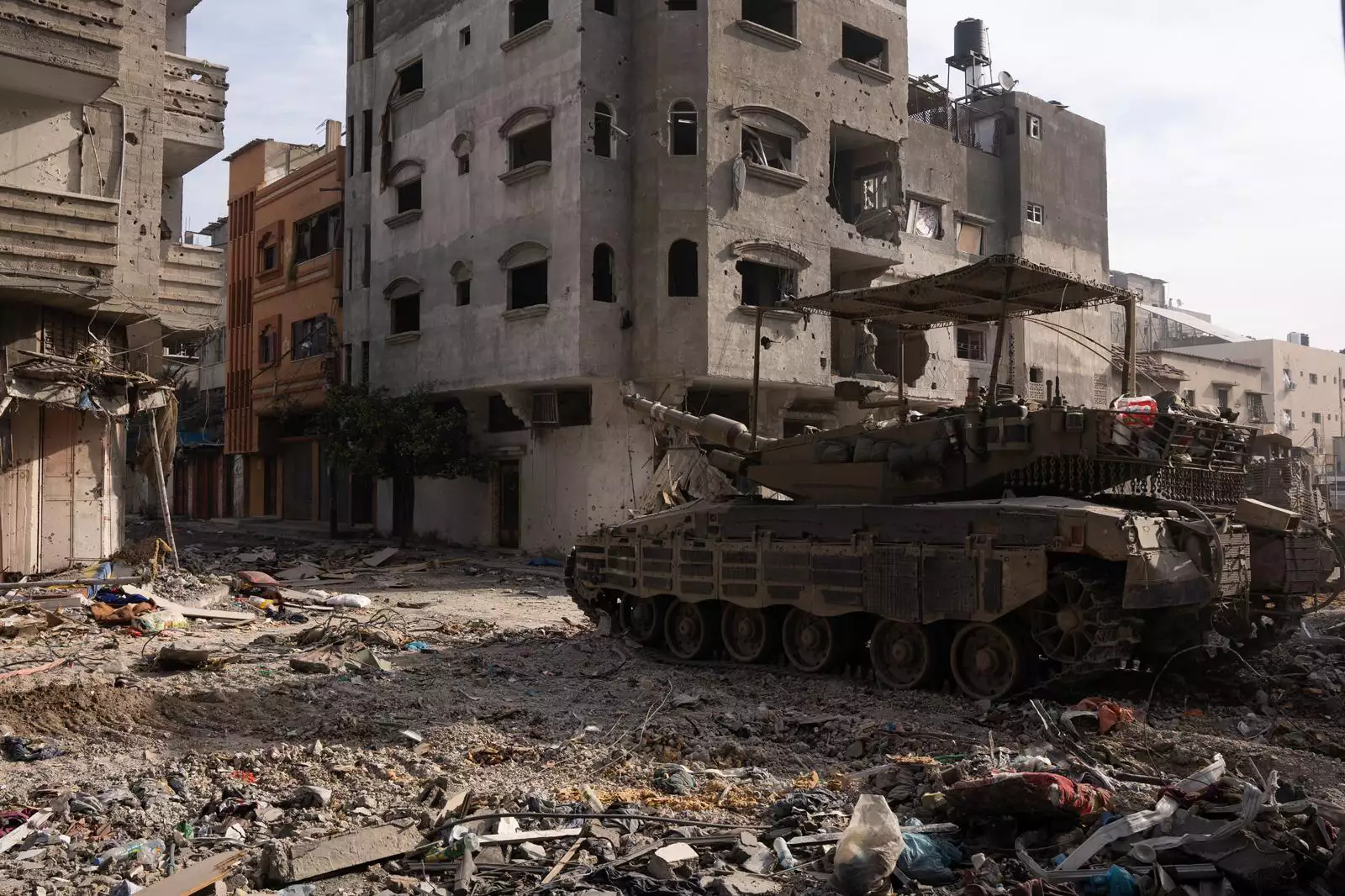
The Israel Defense Forces announced on Wednesday, October 28, that IDF Gaza strikes Hamas operatives targeted over five days last week killed six members of Hamas’s military wing in southern, central and northern Gaza. The announcement, carried by the Times of Israel, Walla and Israel Hayom and posted by the military on its official X account, named each man, the day he was killed and the role the IDF assigns him. It is the most detailed named-target announcement the military has issued since the ceasefire framework took hold — and it arrived the day after Israelis voted in a general election that produced no clear winner.
The six names, as the IDF gives them
- Thursday, October 22, southern Gaza: Ahmed Muhammad Ahmed Baraka, a Hamas Nukhba operative. The IDF says he infiltrated Kibbutz Nir Oz on October 7, 2023, took part in abducting several civilians including Alexander Dancyg of Nir Oz, and later helped hold numerous hostages in southern Gaza, including Sgt 1st Class Nimrod Cohen.
- Friday, October 23, northern Gaza: Omar Awadallah, a Nukhba platoon commander, and Moataz Mahmoud Mohammed Al-Nimr, a Nukhba operative.
- Sunday, October 25, Khan Yunis area: Anas Akram Muhammad Humaida, a Nukhba commander the IDF says infiltrated the Sufa outpost on October 7.
- Sunday, October 25, Gaza City: Ashraf Mahmoud Yusuf Dahlan, a company commander in Hamas’s East Jabalia Battalion who the IDF says infiltrated Israel on October 7.
- Monday, October 26, Gaza City: Mahmoud Othman Abdullah Alwan, a Nukhba commander in the West Jabalia Battalion.
The IDF says the six advanced attacks against IDF troops and Israeli civilians throughout the war and worked to restore Hamas’s capabilities “in systematic violation of the ceasefire,” and describes the strikes as aerial strikes using precision munitions and surveillance. What the statements do not give: exact strike locations, aircraft or munition types beyond that description, or evidence published alongside the names. Hamas had issued no confirmation or denial in the reports available on Wednesday, and no independent source has verified the deaths.
Why the Nir Oz name carries the announcement
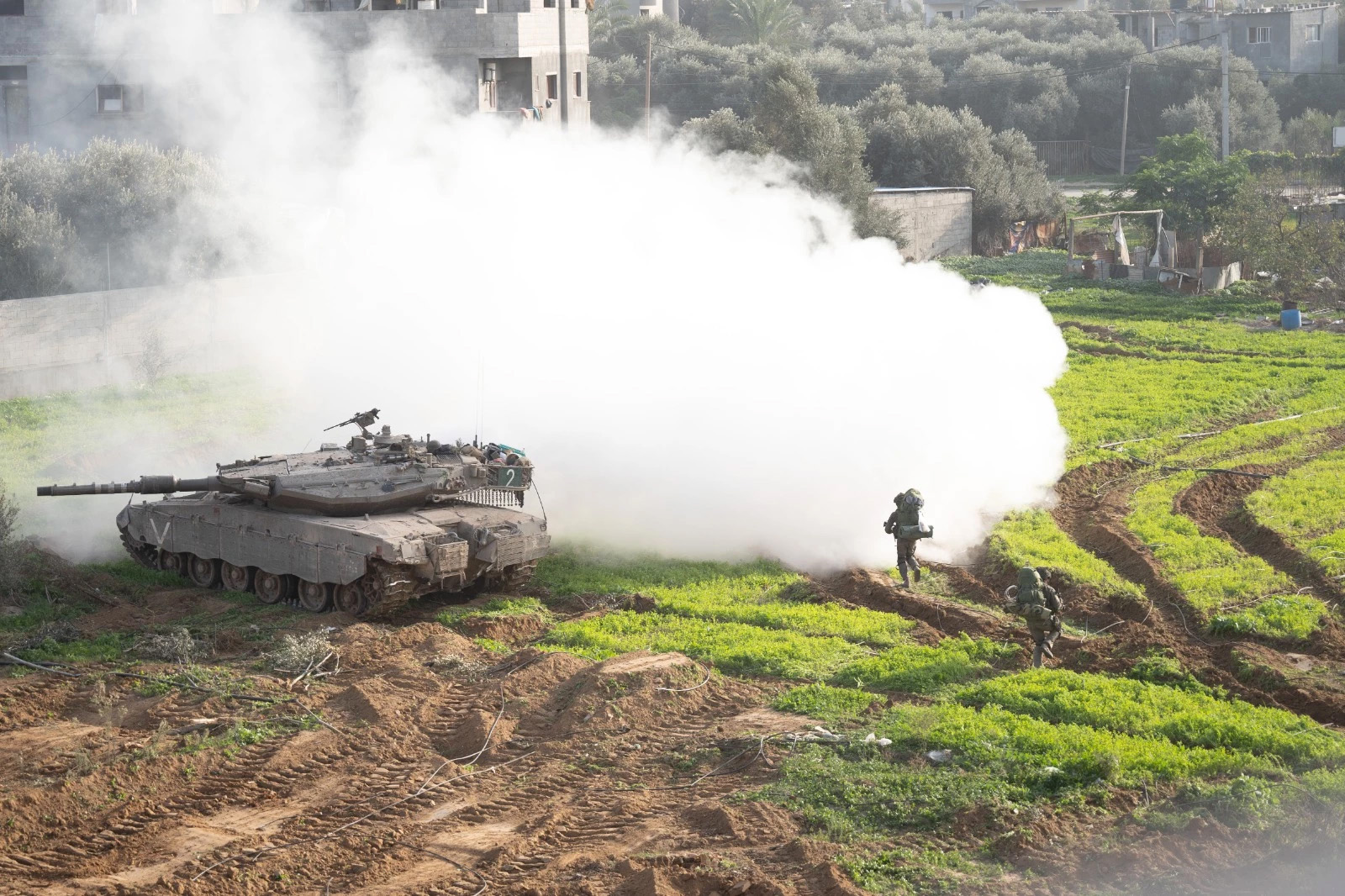
Alexander Dancyg, 75, a Holocaust educator abducted from Nir Oz on October 7, 2023, was confirmed by the IDF in July 2024 to have been killed in Gaza. Nimrod Cohen, a soldier taken from his tank near the border that day, is among the hostages whose cases have run through the ceasefire negotiations. By tying Baraka to both men, the IDF placed this announcement inside the hostage story, not only the battlefield one: in the military’s telling, it is an accounting for two of the most closely followed October 7 cases. About 1,200 people were killed and 251 taken hostage in the October 7 attacks, the figures Israeli officials and wire services cite.
Strikes inside a ceasefire
The strikes were carried out between October 22 and 26, while the ceasefire framework — and the Yellow Line that marks the area under Israeli military control — remained in force. Israeli troops also killed a Palestinian who crossed the Yellow Line during Tuesday’s election voting, according to summaries of the military’s statements. On the same day as the announcement, UN human rights chief Volker Türk said Palestinians in Gaza are now confined to around 30 per cent of the territory, face severe shortages of food and services and continue to be killed by Israeli forces; he urged the next Israeli government to respect international humanitarian law, while also denouncing the October 7 attacks and reports of abuses by Hamas. Reports of Wednesday’s wider civilian toll in Gaza conflicted — four killed in one roundup, five according to the Hamas-run civil defence agency in a wire summary, two killed and five wounded in another brief — a spread that underlines how little of Gaza’s daily violence can currently be verified from outside. The pattern behind the strikes is one we have examined in why Israel strikes Gaza despite the ceasefire.
Why this matters
Three things are happening at once. First, a targeted-killing campaign against named October 7 participants is continuing inside a ceasefire, which means the ceasefire is functioning as a framework for limited strikes rather than a halt to them — each side’s definition of a “violation” now decides when the next strike is treated as legitimate. Second, the announcement’s timing — the morning after an inconclusive election, with coalition arithmetic unresolved — keeps the Gaza file in front of Israeli voters and negotiators while a new government is being formed; security announcements of this kind are also signals to Washington and to mediators, with the Trump Gaza plan and its stalled ceasefire still the framework both sides are arguing inside. Third, the information structure is one-sided: names, dates and roles are asserted by one belligerent, with no published evidence and no confirmation from the other. Readers should hold the announcement as exactly that — an official claim, detailed and checkable in principle, unverified in fact so far.
What happens next
Watch for a Hamas response or funeral notices that confirm or contest the names; further named announcements, which have tended to arrive in batches; whether strikes continue at the same tempo once a government forms in Jerusalem; and whether mediators treat the October 22–26 strikes as inside or outside the ceasefire’s terms. The ground campaign against Hamas’s remaining infrastructure also continues in parallel, including the IDF’s Gaza tunnel destruction work. The pattern to test is whether the named-target campaign winds down as the hostage file closes, or becomes the standing form of the war.
Sources: New York Post (October 28, 2026), “IDF kills three Hamas terrorists in Gaza airstrikes, including Oct. 7 kidnapper”; IsraelRealtime (October 28, 2026), “IDF reports six Hamas terrorists eliminated in Gaza”, summarising the IDF statements carried by the Times of Israel, Walla and Israel Hayom; United With Israel (October 28, 2026); UN News (October 28, 2026), on UN human rights chief Volker Türk’s briefing. Every name, date and role in this article is an IDF claim as reported by those outlets; Hamas had not confirmed or denied the deaths in the reporting available on Wednesday, and no independent source has verified them.