Gulf oil exports recover pre-war
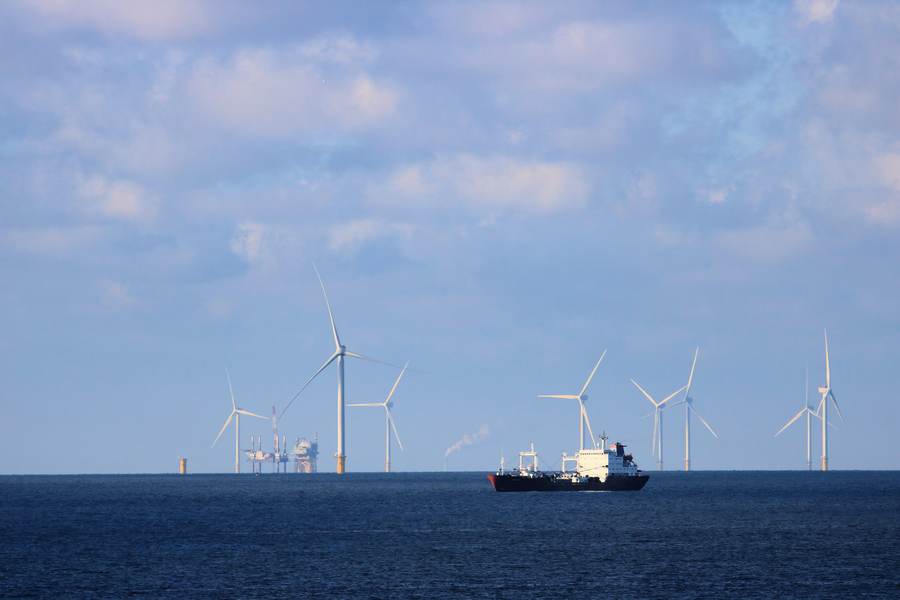
LONDON — Gulf oil exports recover pre-war levels is becoming the oil market's central October story. Kpler data cited by analysts showed Gulf crude shipments reaching 12.5 million barrels a day in the week ended September 27, leaving the region roughly 1 million barrels a day below its pre-war baseline. The gap is still meaningful, but much smaller than traders feared when damaged infrastructure and disrupted routes threatened a lasting supply shock.
Saudi Arabia has restored about half of the capacity on its East-West pipeline, according to market commentary cited by Morningstar. JPMorgan strategist Natasha Kaneva said in a September 29 note that the repair had progressed faster than expected. Goldman Sachs captured the shift more bluntly, writing that “The Middle East's oil export arteries are flowing again” and calling the rebound “a remarkable recovery for a region still at war.”
The physical improvement did not end the geopolitical risk. U.S.-Iran negotiations remained at an impasse, leaving traders to price the possibility that repaired infrastructure could again be disrupted. Brent fell 0.75% to $97.29 on October 1, while West Texas Intermediate lost 0.95% to $89.54. Those declines show that restored barrels matter; the still-high absolute prices show that the market is not treating the danger as finished.
Why the Middle East oil export recovery matters
Oil markets react differently to a loss of production and a loss of transport. A damaged field removes supply at the source. A damaged pipeline or constrained shipping route can strand otherwise available crude. The second problem can improve quickly if repairs reopen alternate corridors, and that is what the recent Saudi pipeline repairs appear to be doing.
The East-West system is strategically important because it lets Saudi barrels move across the kingdom toward the Red Sea rather than depending entirely on the Gulf. Restoring half its capacity does not eliminate maritime or security risk, but it gives exporters more flexibility. That flexibility reduces the chance that one chokepoint or one damaged facility determines the whole region's export rate.
A one-million-barrel-a-day shortfall is still large in an industry where modest changes can move prices sharply. Yet the direction of travel matters as much as the level. When flows rise week after week, refiners can plan cargoes with greater confidence, tanker schedules normalize and buyers need less emergency inventory. That weakens the most extreme shortage scenarios embedded in crude prices.
Kpler Gulf crude exports show a system healing, not healed
The Kpler Gulf crude exports estimate of 12.5 million barrels a day is a snapshot, not a guarantee. Tanker-tracking data can reveal loadings and movements faster than many official statistics, but a single week can be influenced by weather, cargo timing and ships waiting offshore. Confirmation requires several weeks of sustained volumes and evidence that repairs remain reliable under normal operating pressure.
The remaining roughly 1 million barrels a day below baseline is the key qualification. At that scale, the shortfall can still tighten prompt markets, support freight rates and leave refiners competing for similar grades. It also means a fresh outage would begin from a system with less spare room than it had before the conflict.
ANZ Research and other market desks are therefore looking for durability, not merely a rebound headline. The question is whether the region has restored a resilient network or temporarily pushed more barrels through infrastructure that remains vulnerable. Maintenance schedules, shipping insurance and the security environment will decide which interpretation is right.
Brent near $97 reflects two competing stories
The Brent crude price October 2026 captures a tug of war. Improving exports add supply and argue for lower prices. The U.S.-Iran diplomatic impasse, unresolved war risk and the possibility of renewed attacks preserve a premium. A 0.75% daily decline to $97.29 is consistent with relief, not normalization.
WTI's 0.95% drop to $89.54 tells a similar story. The U.S. benchmark is more closely tied to North American balances, but it still responds to global supply expectations. A recovering Gulf export system narrows the perceived scarcity premium across both contracts because crude is priced through a connected network of refiners, storage hubs and shipping routes.
The important distinction is between price direction and price level. A market can fall on a better supply outlook while remaining expensive by the standards households and businesses use. Airlines, trucking companies and manufacturers do not experience “down 0.75%” in isolation; they experience fuel costs built around a benchmark still near $97.
JPMorgan and Goldman see faster Saudi pipeline repairs
The change in analyst language is significant. JPMorgan's observation that repairs outpaced expectations means the market's assumed recovery path was too pessimistic. Goldman Sachs' description of export arteries flowing again points to the same conclusion from the physical side: the system is moving from emergency adaptation toward functional throughput.
That does not mean investment banks are certifying the region as safe. Their notes describe what has changed relative to forecasts. A pipeline restored faster than expected can reduce the probability of a severe supply deficit without reducing the probability of a new military event. Oil prices combine both judgments.
Investors should also separate Saudi capacity from Gulf-wide capacity. Saudi Arabia is the region's largest exporter and a pivotal source of flexibility, but Kpler's regional total includes broader shipment patterns. Different producers, terminals and routes face different risks. Aggregate recovery can conceal bottlenecks at individual facilities.
Who wins and who loses as Gulf oil flows normalize
Importing economies are the clearest beneficiaries. More reliable cargoes reduce the need to pay for emergency replacements and lower the odds of refinery run cuts. Asian buyers gain negotiating room if schedules become more dependable. European consumers gain indirectly through a lower global risk premium and improved availability of competing barrels.
Saudi Arabia benefits twice: it regains export flexibility and demonstrates that its repair and logistics system can respond under pressure. Producers across the Gulf regain revenue on barrels that could not reach market. Tanker owners may gain from higher volumes, although any decline in war-risk insurance premiums could reduce part of the exceptional revenue associated with disruption.
The losers are traders positioned for a prolonged shortage and producers whose non-Gulf barrels commanded unusually high premiums when buyers feared supply. Refiners holding expensive precautionary inventories may also see part of that value erode if prompt availability continues to improve.
Consumers do not automatically win. Brent near $97 and WTI near $90 still imply costly energy. The recovery may prevent a worse spike rather than deliver cheap fuel. That difference is politically important: avoiding a crisis is valuable, but it may not feel like relief at a gas pump or on an electricity bill.
The U.S.-Iran impasse keeps the risk premium alive
The US Iran negotiations oil market link remains direct. Every diplomatic setback raises the perceived chance of renewed disruption; every credible step toward de-escalation makes physical recovery more durable. With talks stalled, traders have to weigh barrels already moving against infrastructure that could again become a target.
That uncertainty encourages a barbell response. Buyers secure near-term supply while avoiding commitments that assume the war risk has vanished. Producers repair and reroute aggressively while preserving contingency capacity. Financial markets reduce the shortage premium cautiously rather than all at once.
The move in platinum to around $1,730, near a one-month low, reinforces the broader risk picture. Precious and industrial metals respond to different fundamentals, but weakness there alongside firmer bond yields suggests investors were not expressing a simple commodity-wide inflation trade. Oil's resilience was unusually tied to its own supply geography.
What happens next
The first test is whether Kpler's flows remain near 12.5 million barrels a day or climb closer to baseline through October. A sustained improvement would confirm that recent shipments were not just a favorable weekly schedule. A reversal would revive questions about repair quality, route capacity or security interruptions.
The second test is the East-West pipeline. “Half restored” is a major milestone, not the finish line. Markets will watch for additional capacity, evidence of stable operations and the ability to switch export routes when conditions change. Each increment expands Saudi Arabia's logistical option value.
The third is diplomacy. A U.S.-Iran breakthrough would reinforce the physical recovery and could remove more of the risk premium. Continued impasse, fresh attacks or threats to shipping would keep Brent elevated even if volumes improve. The market's October task is therefore to track two ledgers at once: barrels actually moving and barrels that might be endangered next.
Related coverage
Sources and reporting notes
- Morningstar / Dow Jones: Gulf export recovery, analyst notes and October 1 market prices
- BusinessTech Africa: October 1 markets briefing
Reporting note: Export-flow data are attributed to Kpler; repair assessments and quotations are attributed to JPMorgan and Goldman Sachs through the cited market reporting. Price moves are the reported October 1 snapshot. Scenario, beneficiary and risk analysis is Signal Post News analysis.