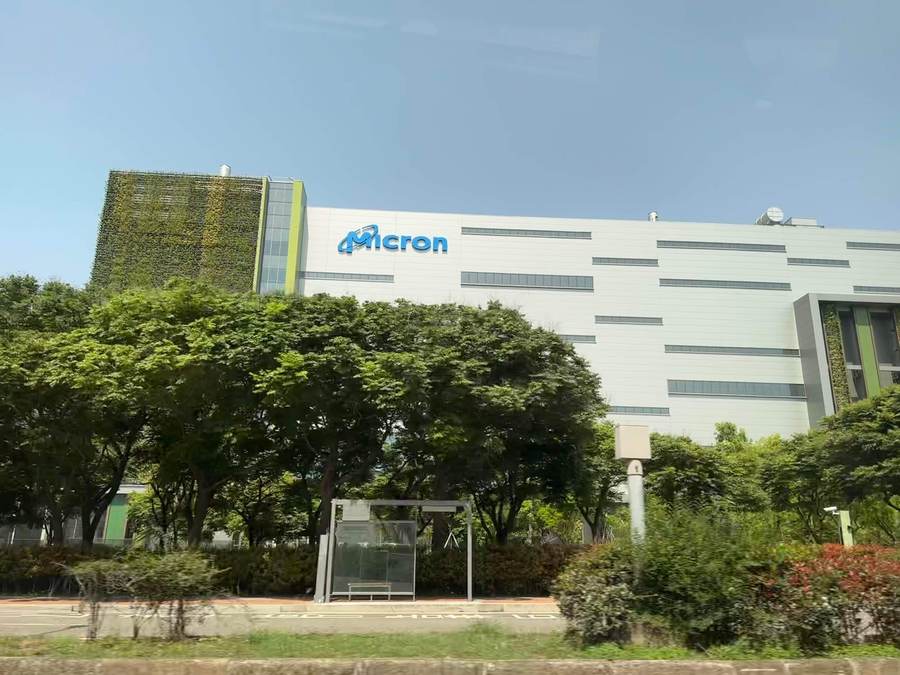
The Micron earnings chip stocks rally moved through Asian markets Thursday as investors treated the U.S. memory maker's strong results as fresh evidence that artificial-intelligence demand is spreading beyond graphics processors. Dow Jones Newswires reported that the Nikkei 225 advanced with chip-related shares among the leaders, while South Korea's KOSPI moved into positive territory as technology momentum strengthened.
The reaction linked an American earnings report to the factories, equipment makers and memory suppliers concentrated across Asia. It also collided with a less supportive macro signal: a selloff in U.S. Treasurys pushed yields higher, putting pressure on richly valued growth stocks. The session therefore offered a compact test of the market's central argument—whether accelerating AI profits can outrun a higher discount rate.
Why this matters
Memory was once treated as one of the semiconductor industry's most cyclical and interchangeable products. AI has changed that perception. Training and serving large models require high-bandwidth memory close to accelerators, as well as large quantities of conventional DRAM and NAND across servers and storage systems. When Micron reports stronger demand, investors read it not only as a company result but as a signal about the utilization of the entire AI supply chain.
That signal travels quickly in Asia because the region contains major memory producers, foundries, packaging houses and equipment suppliers. Samsung Electronics and SK Hynix are central to high-bandwidth memory. Japanese companies supply materials and manufacturing tools. Taiwan hosts advanced fabrication and packaging. A change in memory pricing or demand can therefore alter expectations across multiple national indexes.
Nikkei chip stocks read Micron as a sector indicator
The Nikkei's advance illustrates how investors use a U.S. peer to revise expectations before local companies report. Equipment makers and component suppliers do not sell the same products as Micron, but stronger memory demand can imply more factory investment, tighter capacity and better pricing throughout the chain.
The danger is overgeneralization. A Micron beat does not guarantee every supplier will gain equally. Contract timing, product mix, currency moves and customer concentration matter. Companies exposed to leading-edge HBM may benefit more than those tied to mature consumer memory, and suppliers adding capacity too quickly can recreate the oversupply that has repeatedly ended earlier upcycles.
South Korea's export surge strengthens the demand case
South Korea reported September exports of $120.94 billion, up 83.5% from a year earlier, with memory-chip demand associated with Samsung and SK Hynix a major force. That is an extraordinary headline rate, although year-over-year comparisons can reflect a weak base and timing effects as well as current strength.
The KOSPI's move into the green shows how directly the national market is tied to technology exports. Strong memory shipments support corporate earnings, the trade balance and investment. They also increase concentration: when a small number of chip companies drive a large share of export growth and index performance, any change in AI spending can ripple through the broader economy.
Samsung, SK Hynix and the AI memory supercycle
The bull case is that AI creates a longer and more profitable memory cycle than smartphones or personal computers did. HBM requires sophisticated stacking and packaging, consumes more wafer capacity and commands higher prices. Supply cannot be expanded instantly, which gives successful producers stronger negotiating power.
The bear case is that the word “supercycle” encourages the industry to forget its own history. High prices attract investment. Customers redesign systems to reduce dependence on scarce components. Competitors improve yields. When new capacity arrives, shortage can turn into surplus quickly. Investors must distinguish a durable increase in memory content per server from the assumption that elevated margins will last indefinitely.
Data context: compute demand is moving into memory
The AI investment cycle began with accelerator scarcity. It is broadening into memory, networking, power and data-center construction. Reported demand for 100,000 advanced processors in Tencent's proposed Oracle cloud lease would also require memory capable of feeding those processors. The contract's economic value therefore extends beyond a single chip vendor.
At the same time, Volantis's $88 million optical-interconnect raise highlights the physical limit behind the rally. More memory is valuable only if data can move between it and the processor fast enough. Hardware companies are now competing across capacity, bandwidth and packaging as one connected system.
Manufacturing geography adds another layer. TSMC's first Arizona production for Apple, AMD and Nvidia demonstrates the push to diversify fabrication, but advanced packaging and memory supply remain heavily Asian. Markets are pricing both booming demand and geopolitical concentration.
Treasury yields are the counterweight
Higher Treasury yields reduce the present value of profits expected far in the future. That effect is especially important for technology shares whose prices depend on years of rapid growth. A company can deliver strong earnings and still see its valuation compress if the risk-free rate rises enough.
Dow Jones framed the global session as an AI rally checked by a relentless Treasury selloff. The wording captures the push and pull. Micron's report supports earnings estimates; bonds challenge the multiple investors are willing to pay for those earnings. When both forces move at once, stock selection becomes more important than a simple technology-wide bet.
Currency moves can amplify the split. A weaker yen can improve the translated earnings of Japanese exporters while raising import costs. Korean manufacturers benefit from global demand but remain exposed to exchange rates and trade policy. The same bond move that pressures valuations may also shift currencies and capital flows across the region.
Who wins and who loses
Leading memory producers are the clearest winners if tight HBM supply and rising content per accelerator persist. Equipment and materials suppliers can benefit from capacity investment. Asian indexes gain support from companies with real revenue tied to AI rather than only a thematic label.
Cloud buyers and smaller chip designers face higher costs. A memory supercycle transfers pricing power toward suppliers, making clusters more expensive and potentially delaying projects. Consumer-electronics makers can also lose if capacity shifts toward higher-margin data-center products or if DRAM and NAND prices rise across categories.
Late investors face valuation risk. A strong industry can still be a poor investment if expectations are stronger. When stocks price years of shortage and growth, even good results may fail to clear the bar. Rising yields make that risk more visible by offering investors a higher return outside equities.
What to watch in semiconductor earnings season
First, watch pricing and contracted volume rather than broad claims about demand. HBM commitments, conventional DRAM prices and NAND inventory will show whether strength is narrow or spreading. Second, track capital spending. Disciplined expansion can extend the cycle; synchronized overbuilding can end it.
Third, separate revenue from cash flow. AI infrastructure requires heavy investment before sales arrive, as Oracle's recent negative free cash flow demonstrates. Memory producers also spend billions on fabs and packaging. Strong orders must eventually translate into cash after equipment, depreciation and working capital.
Fourth, test the export data against later months. South Korea's 83.5% annual increase is powerful but too large to extrapolate casually. Base effects, shipment timing and price changes can all influence the comparison. Sustained volume and pricing across several months would provide stronger evidence of a durable cycle.
What happens next
Asian chip shares will take further direction from company guidance, U.S. bond yields and the next round of HBM supply updates from Samsung, SK Hynix and Micron. Investors will also watch whether demand broadens from a few hyperscale customers into enterprise and consumer products.
The market's verdict should remain conditional. Micron's results strengthen the case that AI spending is becoming memory-intensive and that Asian suppliers are capturing the demand. They do not settle how long pricing power lasts, whether new capacity arrives smoothly or what valuation is justified when interest rates rise.
For now, the rally is grounded in a real chain of evidence: stronger company results, export growth and visible infrastructure commitments. The next phase will be judged on execution—how many systems ship, how much memory they consume and whether earnings grow fast enough to outrun the cost of capital.