Burkina Faso death penalty is back: the Burkina Faso restores death penalty vote passed 71-0 on Tuesday, reversing the 2018 abolition for terrorism, espionage, treason and other crimes.
World / Africa — eight years after abolition and 38 years after its last execution, the junta’s assembly brings capital punishment back as an answer to a jihadist war it is not winning
What the assembly actually voted for
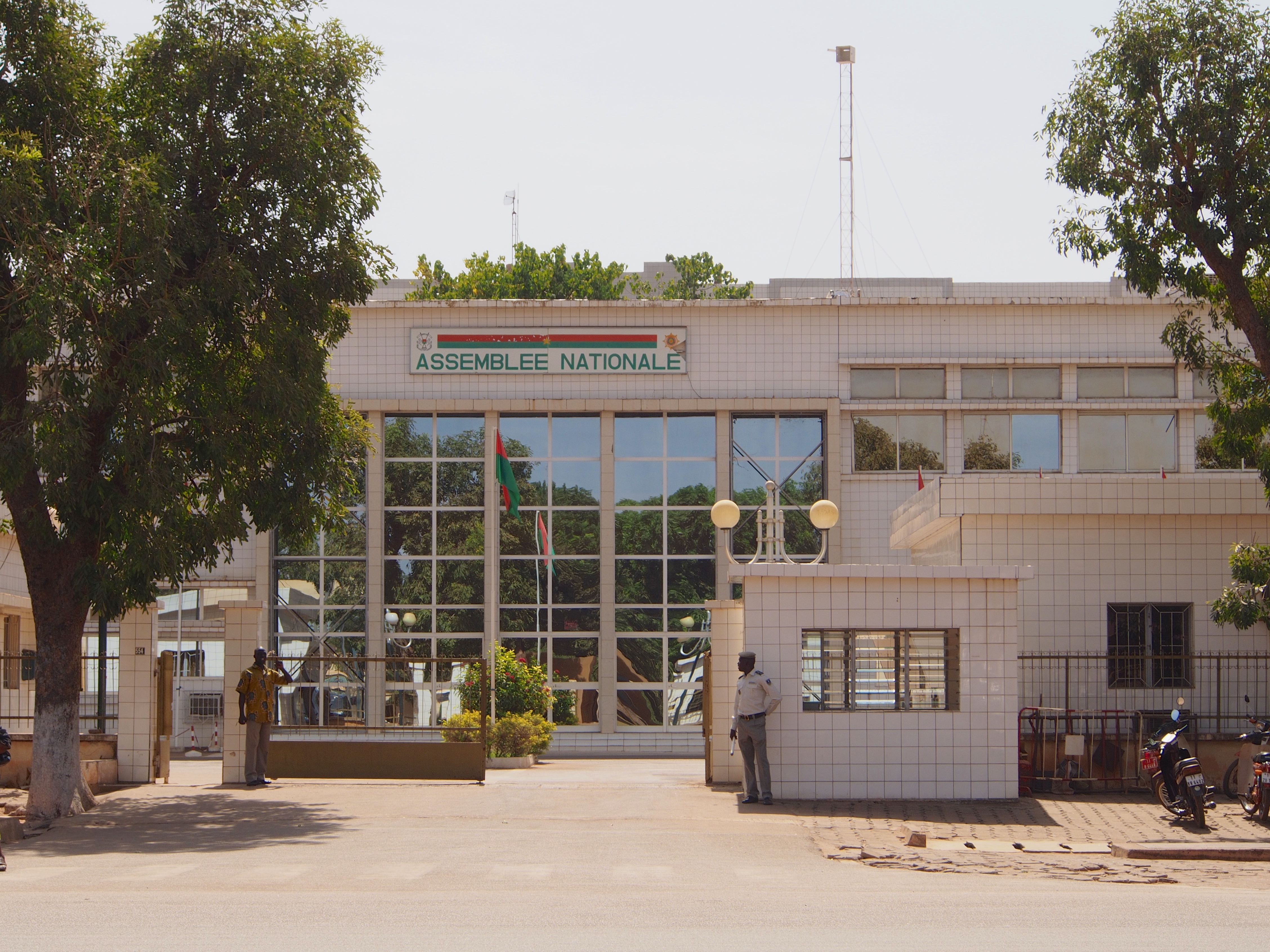
The vote itself was not close, contested or surprising. The 71-member assembly — a transitional, unelected body operating under the military government that has ruled Burkina Faso since the September 2022 coup — backed the revised penal code unanimously after Bayala presented it, the Justice Ministry said. According to the state news agency AIB, cited by AFP, the offences punishable by death under the new code include acts of terrorism, espionage, treason, patricide and importing expired or prohibited products that cause death. The ministry said the legislation “aims to strengthen public order, consolidate the nation’s fundamental values and guarantee security for people and property.”
Two things remain genuinely unclear, and they matter more than the headline. The precise wording of the adopted provisions has not been published in full, and neither the ministry’s statement nor the agency reporting specifies when the restored penalty takes legal effect. A death penalty that exists on paper but has no implementing detail is a signal; one with a start date and a defined procedure is a policy. Which of the two Burkina Faso now has will only become clear when the code’s text and commencement are made public.
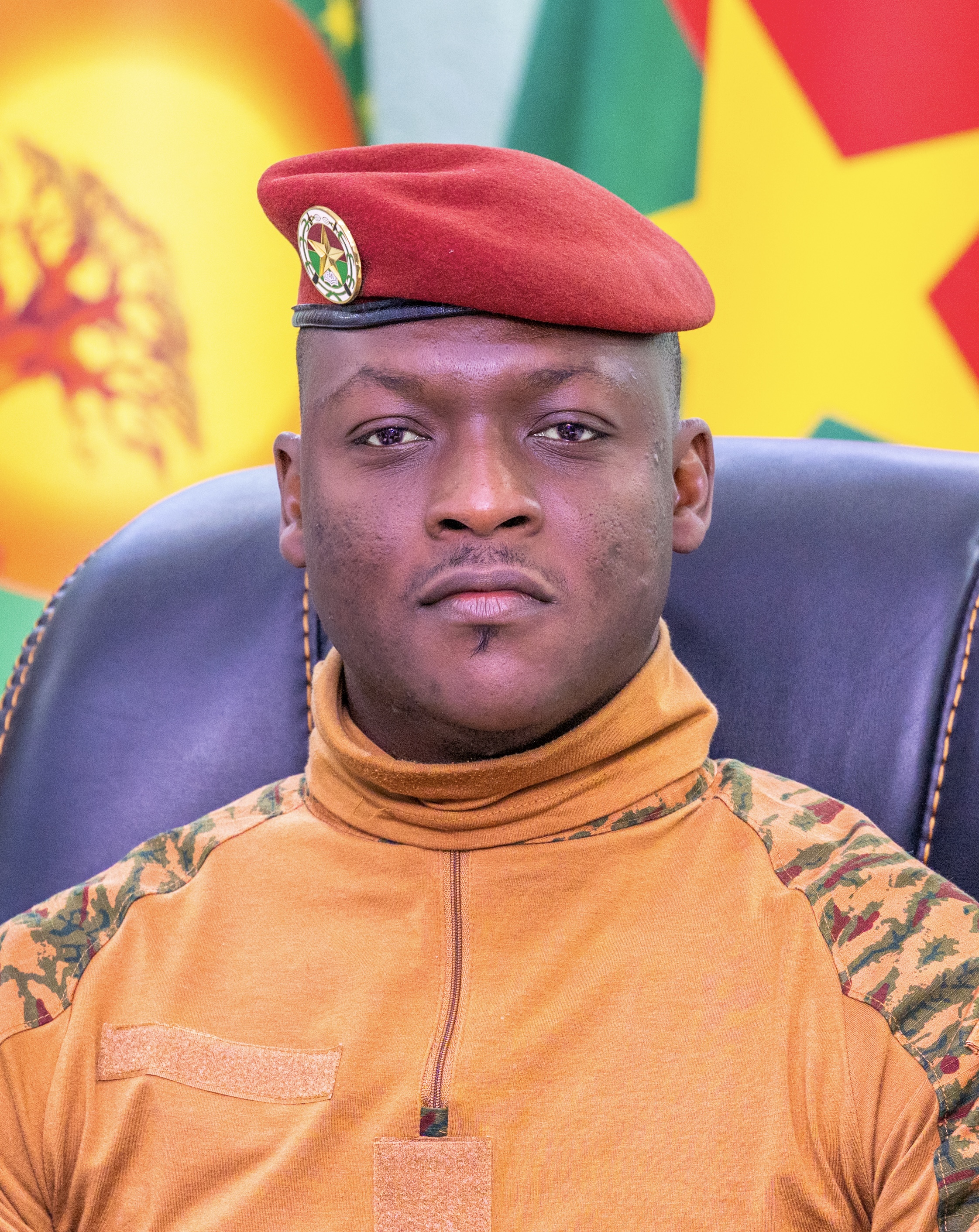
The road to Tuesday’s vote ran through the executive, not the legislature. The Council of Ministers first approved the bill in December 2025, and Captain Ibrahim Traoré, the junta leader, had announced plans to restore the death penalty the year before. Bayala’s argument, as Reuters reported it, is a security argument aimed at the insurgency: the relative lenience of the previous penal code, he said, helped armed groups recruit members. In other words, the government presents this not as criminal-justice reform but as a weapon in a war.
The war the government says justifies it
That war is real, and it is going badly. Burkina Faso has struggled for years to contain an Islamist insurgency linked to al Qaeda and Islamic State that has killed thousands of people and displaced millions, Reuters noted in its report of the vote. Large parts of the country’s north and east sit outside effective state control, and the violence has spread across the tri-border Sahel — the same conflict system that produced the double attack on Sévaré airport in neighbouring Mali (the Sévaré airport attacks) and the ambushes killing soldiers in Niger (Islamic State attacks in the Sahel). Two coups in 2022 — the second of which brought Traoré to power — were each justified by the promise to reverse exactly this deterioration.
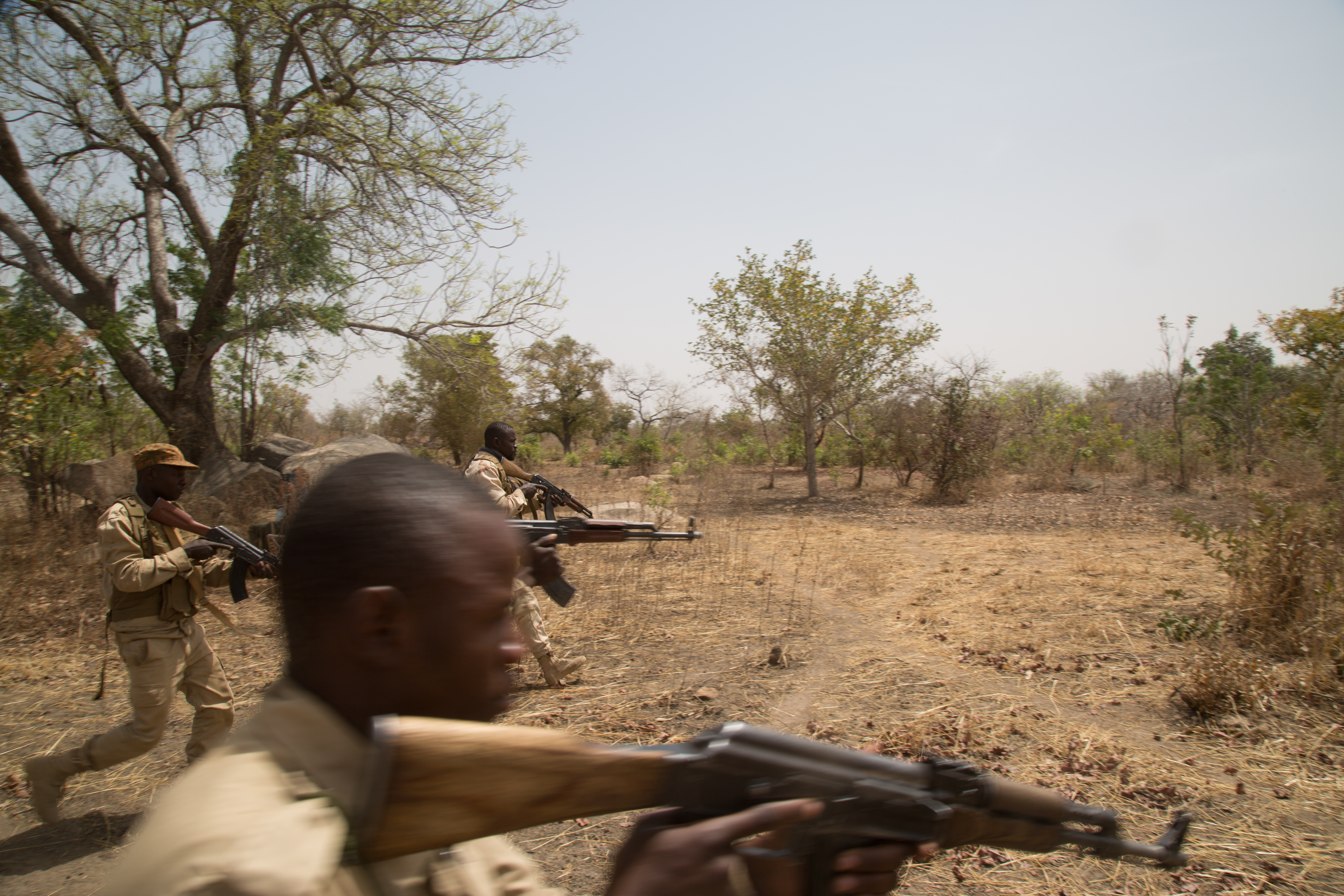
This is the context in which the deterrence claim has to be judged. The government’s theory is that the threat of execution raises the cost of joining or serving an armed group. The problem is the profile of the adversary: insurgent movements built around martyrdom have historically been the least deterrable by death sentences, and the recruitment the minister described is driven heavily by local grievances, communal violence and the absence of the state — none of which a penal-code clause reaches. That does not make the vote irrational as politics. A government that cannot retake territory can still demonstrate severity, and a unanimous vote in an appointed assembly is, among other things, a demonstration.
Why this matters
Burkina Faso is moving against one of the clearest directional trends in modern criminal law. It abolished the death penalty in 2018, in a period when abolition across Africa was advancing country by country; restoring it eight years later, under a military government, for a list of offences that runs from terrorism to importing banned goods, places the country in a small and shrinking group of states expanding capital punishment rather than retiring it. The breadth of the list is the detail rights groups will seize on: treason and espionage are elastic charges in any system, and in a state that has suppressed media, opposition and civil society since 2022, elasticity is precisely the concern.
Human Rights Watch made that argument before the bill ever reached the assembly. When the Council of Ministers first approved it last year, HRW said reinstating the death penalty could deepen repression, entrench a climate of fear and send a chilling message to critics of the military government. Amnesty International, which dates Burkina Faso’s last recorded execution to 1988, had urged the government not to reinstate capital punishment at all. The government’s counter-argument is not really addressed to either organisation: it is addressed to a population living with massacres, blockaded towns and a state that has repeatedly promised security and not delivered it. In that domestic argument, severity polls well and abolition sounds like a luxury imported from safer countries.
Who gains, who is exposed
The immediate beneficiary is the junta’s narrative. Traoré’s government has already withdrawn Burkina Faso from the International Criminal Court alongside Mali and Niger (the Sahel states’ ICC exit), left the West African bloc ECOWAS for the Alliance of Sahel States, and recast the state around sovereignty and security. Restoring the death penalty fits that architecture perfectly: it costs nothing to implement on paper, it is popular with a frightened public, and every international objection confirms the government’s claim to be defying outside tutelage.
The exposed are equally identifiable. They are defendants in terrorism cases tried in a system under wartime pressure, where the line between combatant, collaborator and suspect is drawn by security services; journalists, activists and opposition figures for whom treason and espionage charges are the standard instruments of Sahelian juntas; and, more quietly, anyone in the informal import trade, because a code that makes importing expired products a capital offence when someone dies hands prosecutors an extraordinary charge in a country where expired and counterfeit goods circulate widely. The gap between a law’s announced target and its usable targets is where capital punishment does its political work.
What happens next
Three things will show what Tuesday’s vote really was. First, publication: the full text of the adopted code, and a commencement date. Until both exist, no one — including Burkinabè judges — can say exactly which acts are capital or from when. Second, the first capital charge: whether prosecutors reach first for a captured insurgent commander, which would match the government’s stated rationale, or for a treason or espionage defendant from the political sphere, which would match the critics’. Third, the regional echo: Mali and Niger, Burkina Faso’s partners in the Alliance of Sahel States, govern under similar insurgencies and similar sovereignty politics, and penal policy in the bloc has tended to travel.
There is also a number worth keeping in view: 1988. Burkina Faso managed nearly four decades — through insurgency, drought, the fall of Blaise Compaoré, a popular uprising and two recent coups — without a judicial execution, and eight years without the penalty existing at all. Whatever security problem the restored death penalty is meant to solve, it is not one that the absence of executions caused. The assembly’s 71 votes were unanimous. The evidence that severity deters the men this law is aimed at is anything but.
Sources
Reuters, “Burkina Faso parliament votes to restore death penalty” (October 21, 2026) — https://www.reuters.com/world/africa/burkina-faso-parliament-votes-restore-death-penalty-2026-10-21/; AFP reporting via News Central TV and Hotjist, “Burkina Faso junta brings back death penalty” (October 20, 2026), citing the Justice Ministry statement and state news agency AIB; Montage Africa, “Burkina Faso reinstates death penalty: Justice ministry” (October 21, 2026); Human Rights Watch, statement on the Council of Ministers’ December 2025 approval of the bill (via IFEX, December 2025); Amnesty International, last recorded execution in Burkina Faso (1988), as reported by Reuters and AFP. The exact wording of the adopted provisions and their commencement date had not been published at the time of writing.