World / Israel Election — The Bill Ackman Ben-Gvir Smotrich intervention landed on Sunday, two days before Israel’s general election, from a billionaire who backed Donald Trump, praised Benjamin Netanyahu only last week, and now says two of the prime minister’s own ministers have done “enormous” damage to Israel’s reputation.
Track it live: Middle East live tracker — Signal Post News
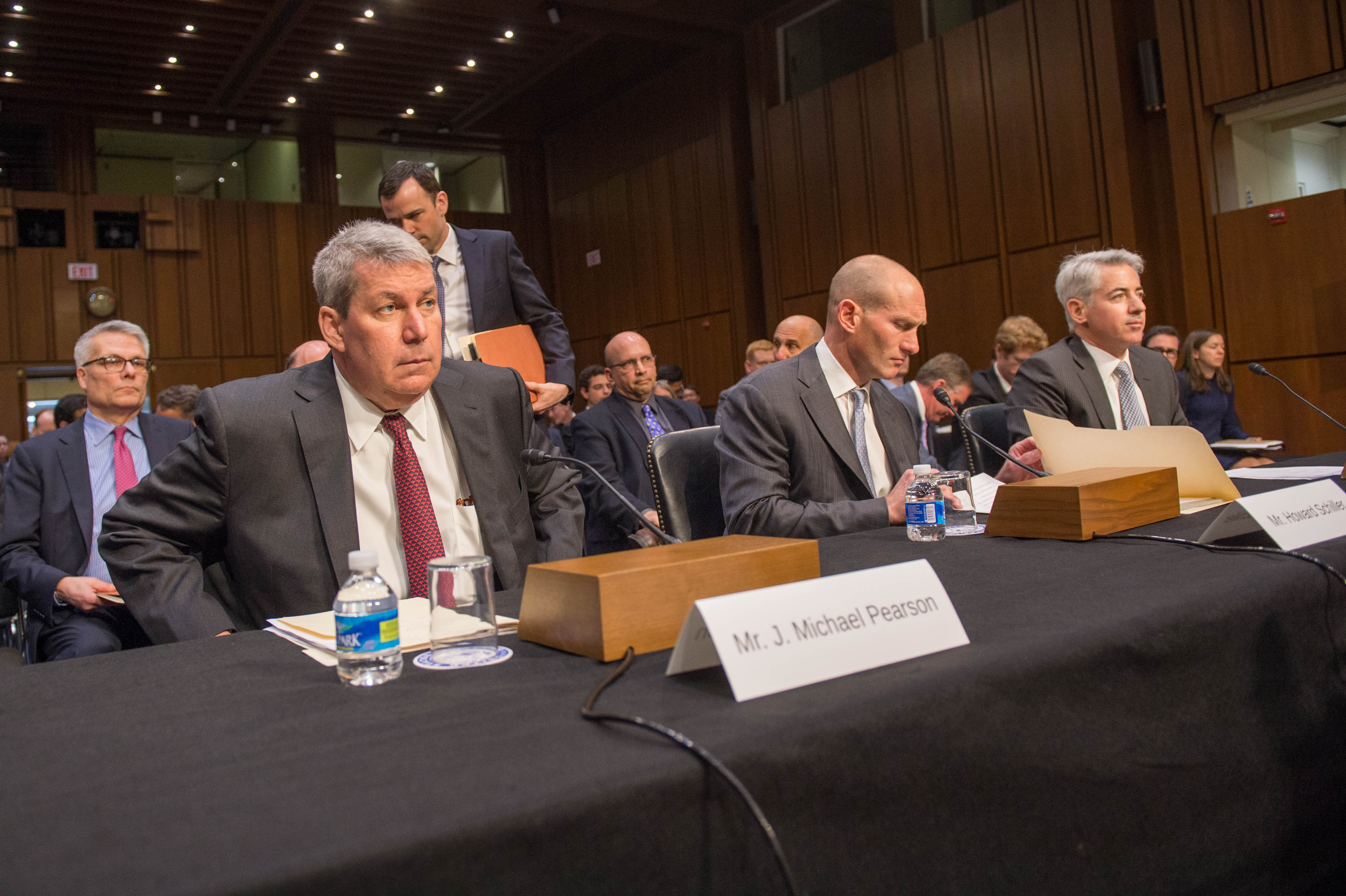
JERUSALEM — Bill Ackman did not bury his message. Writing on X on Sunday, October 25, the billionaire founder of Pershing Square Capital Management said National Security Minister Itamar Ben-Gvir and Finance Minister Bezalel Smotrich “have caused Israel enormous reputational damage with their statements and actions,” and that neither man should serve in the government Israel forms after Tuesday’s general election. A government without them, he argued, “will send a message to the rest of the world that Israel is turning a new page” — one that would let Israel “rebuild lost credibility, increase the opportunity for an expansion of the Abraham Accords, and enjoy a better relationship with Democrats and Republicans and Americans at large.”
The timing is the story. Israel votes on Tuesday, October 27, in its first general election since the October 7, 2023 attack, and polls show a tight race between Netanyahu’s religious-nationalist coalition and the opposition led by former military chief Gadi Eisenkot. Ackman is not a neutral observer parachuting in: he is a prominent Jewish American investor, a backer of President Donald Trump, and — as Reuters noted — a man who praised Netanyahu himself just last week. His argument was explicitly framed as a view from inside America’s perception of Israel: the two ministers’ statements, he wrote, are “presented in the global media as representing the voice and will of all Israelis.” Representatives for Ben-Gvir and Smotrich did not immediately respond to requests for comment, Reuters reported.
Why this matters
Foreign billionaires comment on Israeli politics often; what makes this intervention different is who is making it, and what it collides with. Ackman is precisely the kind of American supporter Netanyahu’s coalition normally courts — pro-Israel, pro-Trump, and publicly loyal to Netanyahu personally. When that voice says the price of keeping Ben-Gvir and Smotrich is Israel’s credibility in Washington, it lands in the middle of the coalition arithmetic that will decide who governs after Tuesday. Netanyahu needs the far-right parties’ seats; Ackman is telling him, in public, that those same seats now cost more than they buy.
It also collides head-on with Netanyahu’s own words of six days ago. On October 20, after Ben-Gvir accused the prime minister’s office of privately pledging to European governments that Otzma Yehudit would be excluded from the next government — an allegation Likud dismissed as “false political maneuvers” — Netanyahu told residents of Lod in a circulated video that “Ben-Gvir will be a prominent minister” in the government he hopes to form after the October 27 elections. Ackman’s post is, in effect, a public request that Netanyahu break that promise — made by a supporter Netanyahu cannot easily dismiss as hostile.
Who Ben-Gvir and Smotrich are — and why they draw sanctions
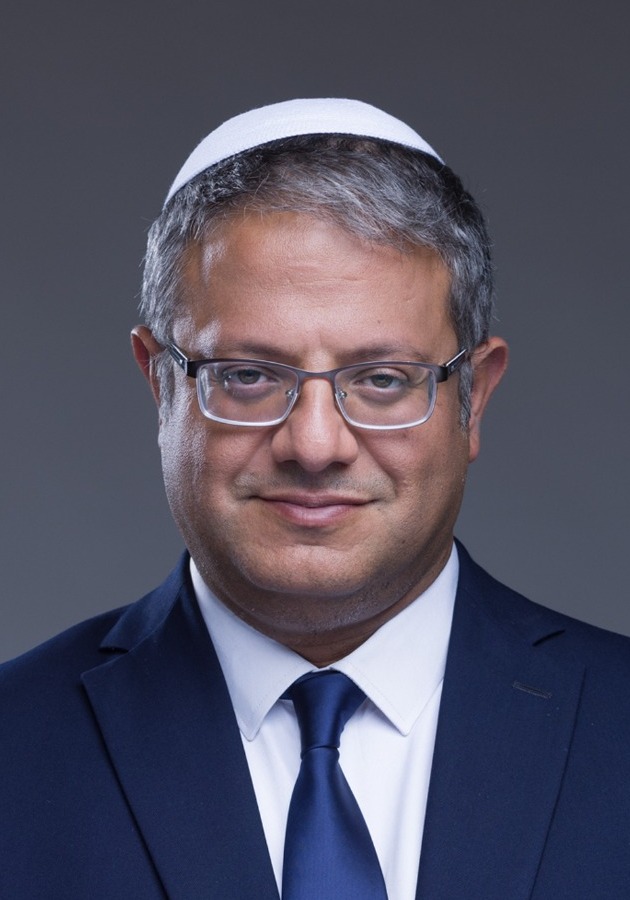
Ben-Gvir, leader of the Otzma Yehudit (Jewish Power) party, runs Israel’s police as national security minister. Smotrich, leader of the Religious Zionist Party, is finance minister and holds a second ministerial role inside the Defense Ministry with authority over West Bank civilian affairs. Both men live in West Bank settlements, both oppose Palestinian statehood, and both have been sanctioned by several of Israel’s own allies — Britain, Canada and Australia among them — over accusations that they incited violence against Palestinians in the occupied West Bank. That sanctions history is the factual floor under Ackman’s argument: the reputational problem he describes is not hypothetical, because allied governments have already put it in writing.
Their defenders make a different case, and it deserves stating plainly. Ben-Gvir, asked earlier this month at an English-language campaign event about Israel’s image, told The Jerusalem Post: “It’s important that we look good on the world stage. But not at the expense of our fighters and our soldiers.” In that framing — shared across the Israeli right — foreign reputation is a real asset but a secondary one, and ministers who soften security policy to please foreign audiences would be failing the voters who sent them to the Knesset. Smotrich’s supporters add that his West Bank policies are the democratic mandate of his electorate, not a public-relations problem to be managed from New York.

The election this lands in
Tuesday’s vote is a reckoning on October 7 and everything that followed: the Gaza war, the strikes and counter-strikes with Iran, and a coalition that has held together through all of it. Our full background is in Israel’s election: Netanyahu faces an October 7 reckoning. Polls have for months predicted Netanyahu’s coalition losing its majority, while Eisenkot’s opposition bloc has no clear path to power either — which is exactly why a two-seat or three-seat far-right faction can end up holding the balance, and why Ackman’s post is aimed at the coalition talks that begin Wednesday morning, not at voters. For the policies at the centre of the argument, see Smotrich’s West Bank war call and annexation push and Washington’s pressure on Israel over settler violence.
What the numbers actually imply
Ackman’s leverage is not electoral — he has no vote and no seats. It is financial and reputational, and it works through a specific channel: the Abraham Accords. The 2020 agreements, brokered in Trump’s first term, normalised Israel’s relations with the United Arab Emirates and Bahrain and later Morocco, and their expansion to bigger prizes has been a stated goal of both Netanyahu and Trump. Ackman’s claim is that Ben-Gvir and Smotrich are now the obstacle to that expansion — that Gulf and Western capitals read their statements as Israel’s voice. Whether that is true is contested, but the structure of the claim matters: he is pricing the two ministers in the currency Netanyahu values most, normalisation and American goodwill, rather than in the currency of Israeli domestic politics, where both men are assets to the coalition.
What happens next
Three scenarios follow Tuesday’s result. If Netanyahu wins a workable majority only with Otzma Yehudit and Religious Zionism inside, Ackman’s post becomes an early marker of the pressure Washington-adjacent supporters will apply during coalition talks — and Netanyahu’s October 20 promise to Ben-Gvir becomes the counterweight. If the opposition forms the government, Ackman’s argument is moot electorally but useful diplomatically, a pre-written explanation for excluding the far right. And if the result is deadlock, the post still matters: it gives international actors a named, quotable reason to push for a broader, more centrist coalition. The first test is a response: neither minister’s office had replied when Reuters published, and any reply — especially from Ben-Gvir, who has never ducked a fight over Israel’s image — will tell us whether the Israeli right treats Ackman as a friend to persuade or another foreign critic to defy. The background to the normalisation prize he invoked is in the Abraham Accords’ first meeting since October 7.
Sources
- Reuters — Billionaire Trump backer says Ben-Gvir, Smotrich should not serve in next Israeli government, October 25, 2026 (Ackman’s X post and quotes; election two days away; both ministers sanctioned by Britain, Canada and Australia; no immediate response from their representatives; Ackman praised Netanyahu last week)
- The Jerusalem Post, October 25, 2026, via Alpha Maven summary (independent reporting of the same post; Ben-Gvir’s earlier English-language campaign-event answer on diplomacy and soldiers)
- Middle East Monitor, October 20, 2026 — Netanyahu says Ben-Gvir will hold a prominent ministerial position in the next government (Netanyahu’s Lod video remarks; Ben-Gvir’s exclusion-pledge allegation; Likud’s “false political maneuvers” rejection)