War in Ukraine
Ukraine's president used his nightly address on Tuesday to name an operation Kyiv had kept quiet for days: "Veles," in which Ukrainian troops moved more than 15 kilometres underground through gas pipelines to emerge behind Russian positions near Kupiansk — turning against Russia a tactic Russian forces had used in the same sector weeks earlier. Zelenskyy said more than 100 Russian soldiers were killed and more than 30 captured. Those figures are Ukrainian claims, reported by Reuters and the Kyiv Independent; Russia had not responded in the reporting available Tuesday, and the battlefield picture has not been independently verified.
Track it live: Ukraine war map, live — Signal Post News tracker
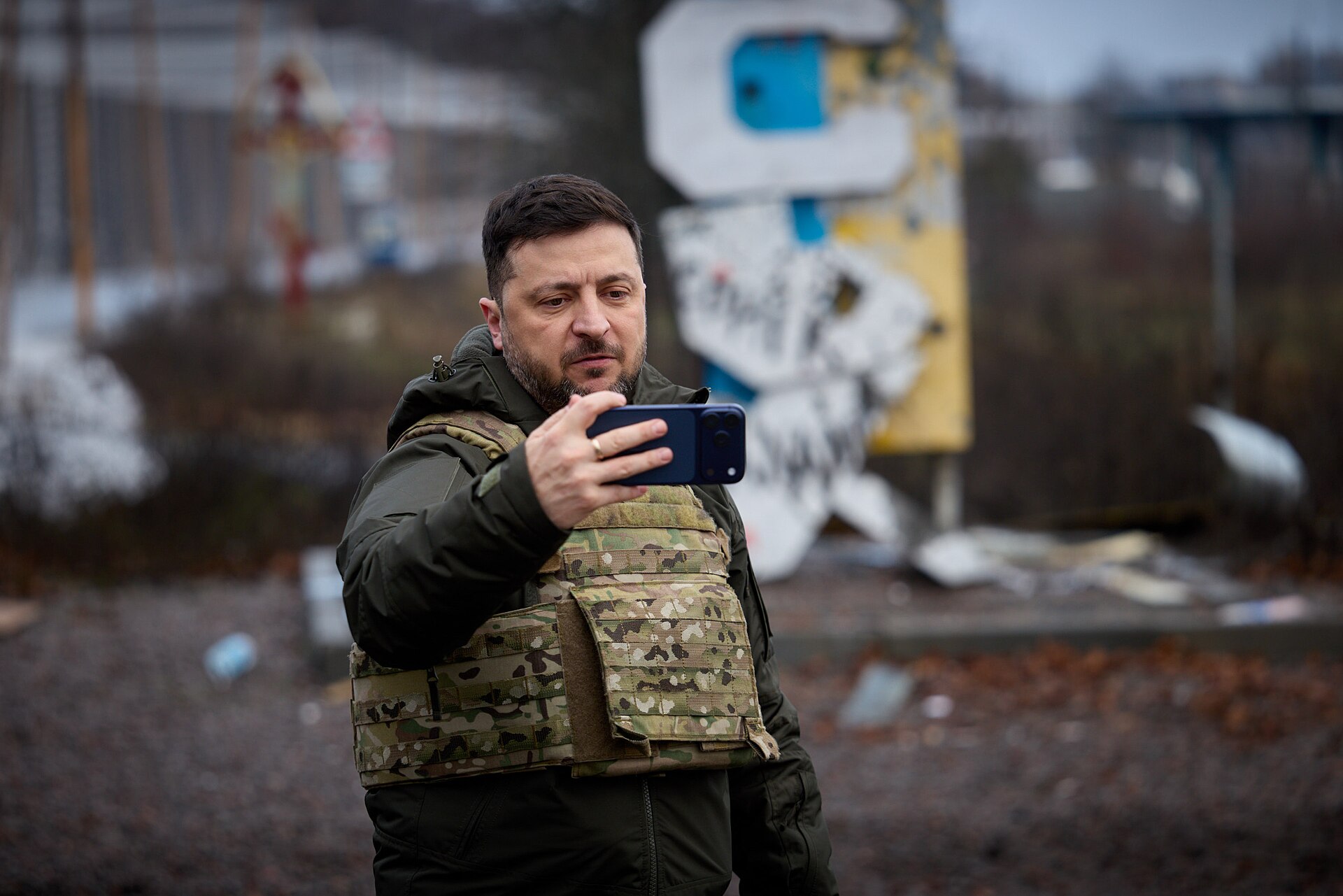
The announcement
The Zelenskyy Operation Veles Kupiansk disclosure came in the president's nightly video address on Tuesday, October 27, in which he said Ukrainian forces are retaking territory through a series of offensives and described Kyiv's battlefield position as the strongest in some time in the four-and-a-half-year war. Zelenskyy said he had received reports from Commander-in-Chief Mykhailo Drapatyi, from Ihor Obolienskyi, commander of the National Guard's 2nd Khartiia Corps, and from Pavlo Palisa, deputy head of the Presidential Office.
"The Russians tried to use underground gas pipelines to advance past our positions," Zelenskyy said, citing his commanders. "Our fighters turned this tactic against the Russians and used the underground infrastructure against the occupiers with extraordinary success." He paired the battlefield claims with a renewed appeal to Western partners: the position, he argued, could be strengthened further with more air-defence deliveries — the standing Ukrainian ask, now attached to a claimed success rather than a warning.
What Veles was
According to the Ukrainian accounts reported by Reuters and the Kyiv Independent, Operation Veles was carried out by the 2nd Khartiia Corps of the National Guard alongside other units, in the Kupiansk sector of Kharkiv region, where Russian forces have pressed toward the Oskil River line for months. The operation's centrepiece was an underground advance of more than 15 kilometres through gas pipeline infrastructure, bringing Ukrainian troops into the Russian rear. Kyiv's figures — more than 100 Russian soldiers killed ("eliminated," in the Ukrainian formulation) and more than 30 captured — are the Ukrainian presidency's and the corps' claims. They have not been independently verified, and no Russian account of the operation appeared in the sources reporting the announcement on Tuesday.
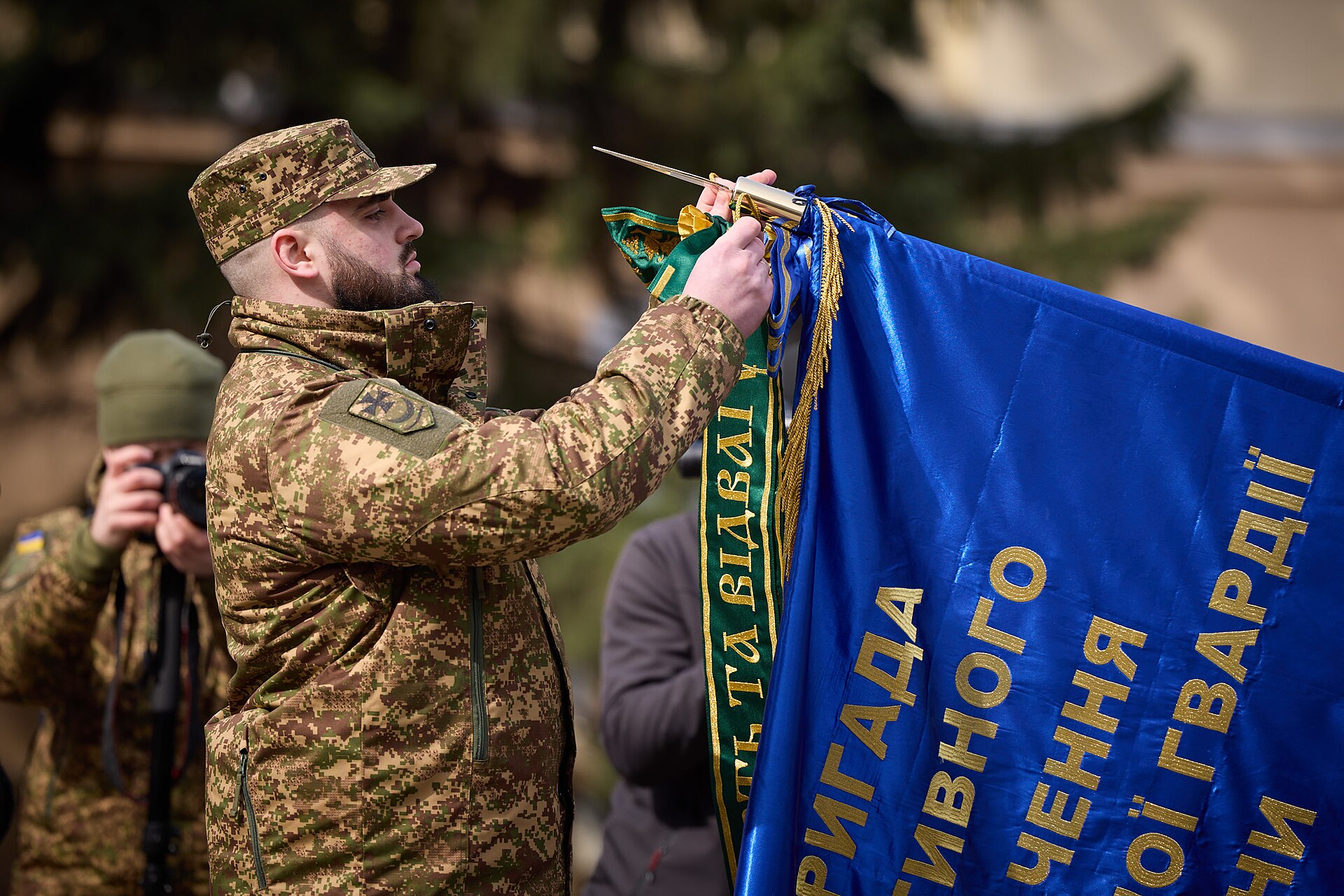
The operation was not conjured on Tuesday. The 2nd Khartiia Corps had already reported on October 22 that Ukrainian troops had infiltrated Russian rear positions near Kupiansk through underground gas pipelines as part of Operation Veles — a unit-level disclosure that passed with little international attention at the time. What changed on Tuesday was the source and the scale: the president himself attached the operation's name, its claimed results, and his own authority to it.
The tactic has a mirror image. In September, the Ukrainian open-source monitoring group DeepState reported that Russian troops had used a gas pipeline to cross the Oskil River near Kupiansk — an infiltration method Russia has employed at several points in the war, moving soldiers through disused industrial infrastructure that drones and artillery cannot easily watch. Veles, on Kyiv's telling, is that method reversed: the same pipes, the same sector, the other army.
The wider offensive picture
Zelenskyy placed Veles inside a broader claim of momentum. He referenced an air-assault operation in eastern Ukraine and the "Vivaldi" operation further north — the Third Army Corps effort that Kyiv has previously credited with clearing 75 square kilometres and recapturing 10 square kilometres north of the Sloviansk–Kramatorsk fortress belt, covered in our earlier report on the Vivaldi counteroffensive. In August, Zelenskyy reported 26 villages returned further south. The pattern of the claims is consistent: not one breakthrough, but a series of local, set-piece operations, each announced after the fact, each modest in area and chosen — if the Ukrainian figures are accurate — to inflict disproportionate losses.
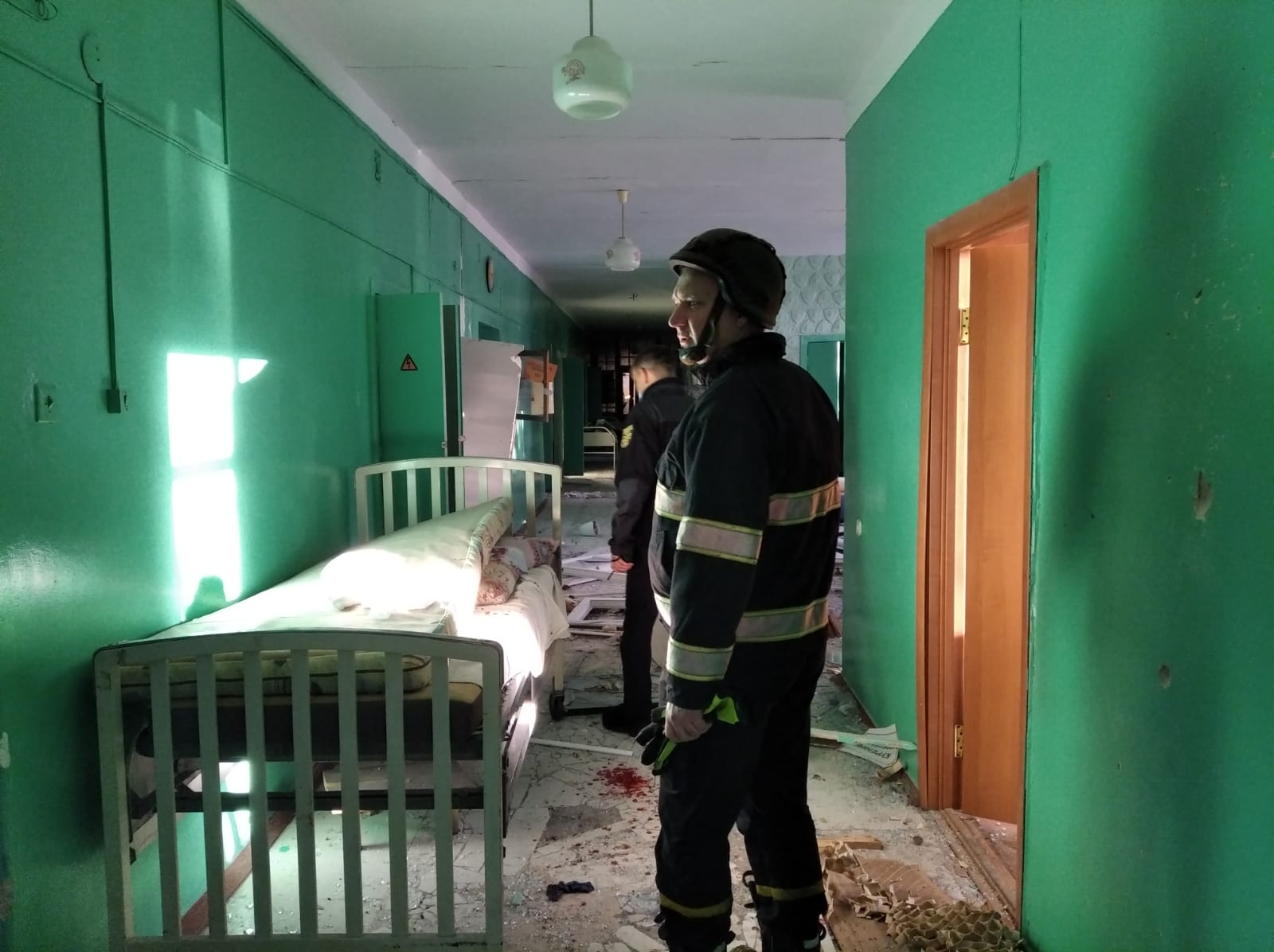
The claims arrive on a day when the war's other track — the localised diplomacy around Kherson — also moved: the Oleshky ceasefire brokered by First Lady Melania Trump expanded across the Kherson region, while Russian strikes on Kyiv and other cities continue to be tracked in our Kyiv strikes coverage. Kyiv's message discipline links the two: pressure held at the front, and a negotiating position the president describes as strength.
Why this matters
Kupiansk matters beyond its size. The town sits on the Oskil River, and the sector anchors the northern shoulder of the eastern front: a Russian success there threatens the rear of Ukrainian positions toward Kharkiv and opens routes south, while a Ukrainian success relieves a pressure point Moscow has spent months and manpower trying to force. An underground infiltration that genuinely reached 15 kilometres into the Russian rear — if the claim holds — would be operationally significant less for the ground than for the message it sends about Russian rear-area security in the sector: the positions behind the line were not watching the pipes.
The verification limits deserve stating as plainly as the claims. Every number in the Veles story — the distance, the killed, the captured — comes from the Ukrainian presidency and the corps that conducted the operation, relayed by Reuters and the Kyiv Independent. Wartime claims of enemy losses are routinely optimistic on all sides, no independent battlefield assessment had been published at the time of the announcement, and Russia's military had not, in Tuesday's reporting, acknowledged the operation at all. The strongest-position framing is likewise the president's own assessment, delivered in a format — the nightly address — that is an instrument of morale and diplomacy as much as of record. None of that makes the claims false. It makes them claims, and this report treats them as such.
What happens next
The tests of the Veles claim will come from the usual places: geolocated footage and satellite imagery of the Kupiansk sector, Russian military-blogger and official responses, and whether Ukraine can hold and exploit whatever ground the operation took — the difference between a raid and a recapture is measured in the following weeks, not the announcement. Zelenskyy's air-defence appeal, meanwhile, goes to allies who will weigh the claimed momentum in their own calculations. The president has told them the position is the strongest in some time. Veles is his evidence — offered, as wartime evidence usually is, before it can be checked.
Sources: Reuters (October 27, 2026), "Ukraine's Zelenskiy says territory recaptured as forces go on offensive"; Kyiv Independent, "Ukraine war latest," October 27, 2026; 112.ua / UATV reporting of the same briefings; 2nd Khartiia Corps statement of October 22, 2026; DeepState reporting of September 12, 2026. All casualty, capture and advance figures are Ukrainian official claims as attributed in the text; no Russian response or independent verification was available in the sources at publication.