Rome vs. Jerusalem / Italy's flotilla case names Israel's defence chief
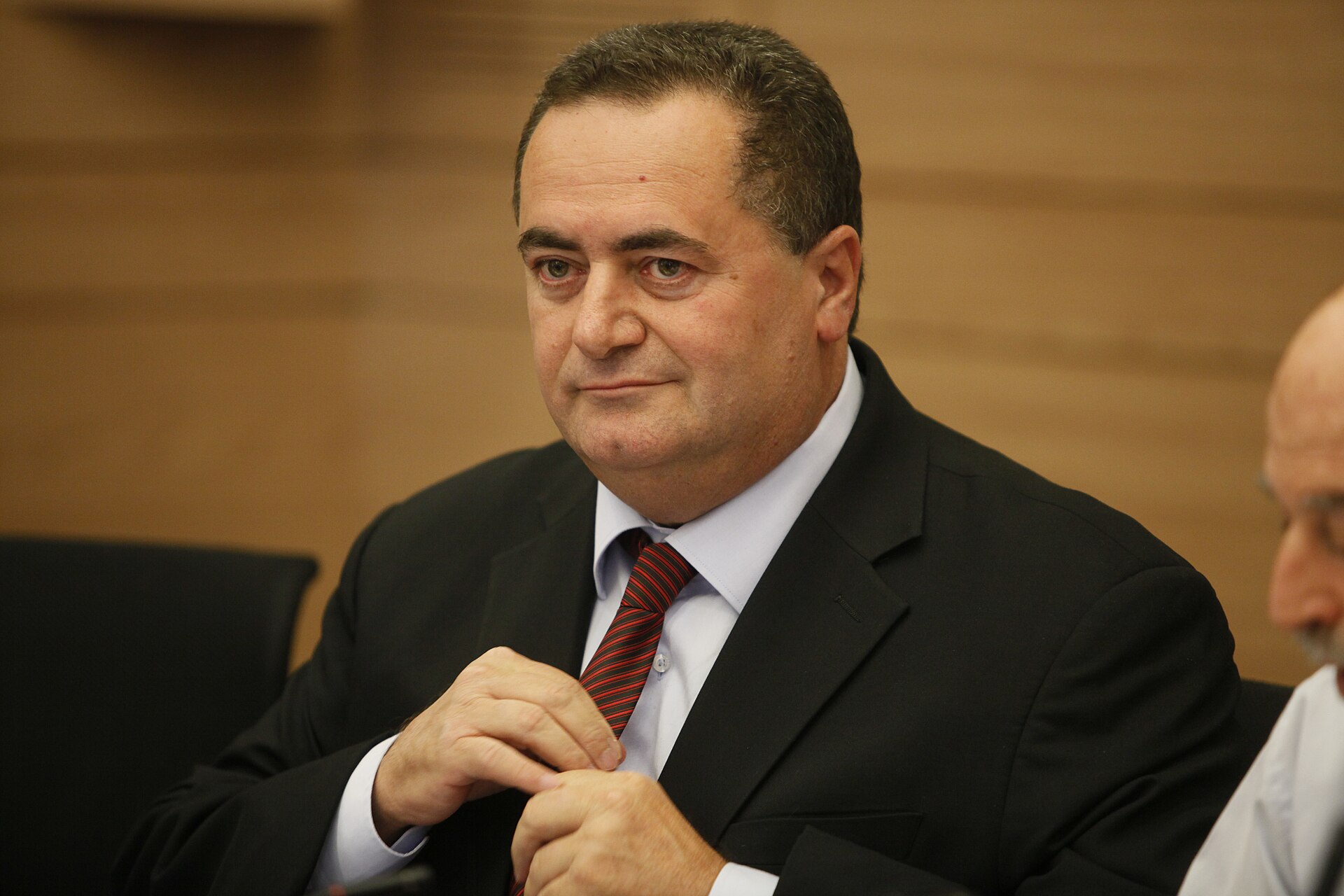
According to the prosecutors' statement reported by Reuters, 12 senior Israeli officials are now named in the investigation. The most prominent are Katz, who as defence minister oversees the military that carried out the interceptions, and Eyal Zamir, the chief of the general staff — the professional head of the Israel Defense Forces. Senior figures from the police and the prison service, the two institutions that handled detained activists once they were brought ashore, are also included. Being placed under investigation in Italy is a formal procedural step: it means prosecutors regard the named individuals as suspects in relation to specific alleged offences, and it triggers rights to defence counsel. It is not a conviction, and it is not yet an indictment.
Track it live: Live Israel-Gaza war map
From Ben-Gvir to Katz: how the probe widened
The case did not begin at the top. Rome prosecutors opened their inquiry focused on Itamar Ben-Gvir, Israel's national security minister, whose portfolio covers the police and prison system and who publicly championed a hard line toward detained flotilla participants. That first phase rested on complaints filed by Italian citizens who had sailed with the flotillas and returned home describing their detention. Friday's expansion is the significant move: prosecutors have followed the chain of command upward, from the minister responsible for prisons to the minister responsible for the navy and the officer who commands the entire military. In Italian investigative practice, widening a suspect list in this way usually signals that prosecutors believe the decisions at issue were not improvised by individual guards or boarding teams, but shaped — or at least authorised — at senior level. Whether the evidence supports that theory is what the investigation itself must now test.
The allegations: torture, kidnapping, injury, robbery
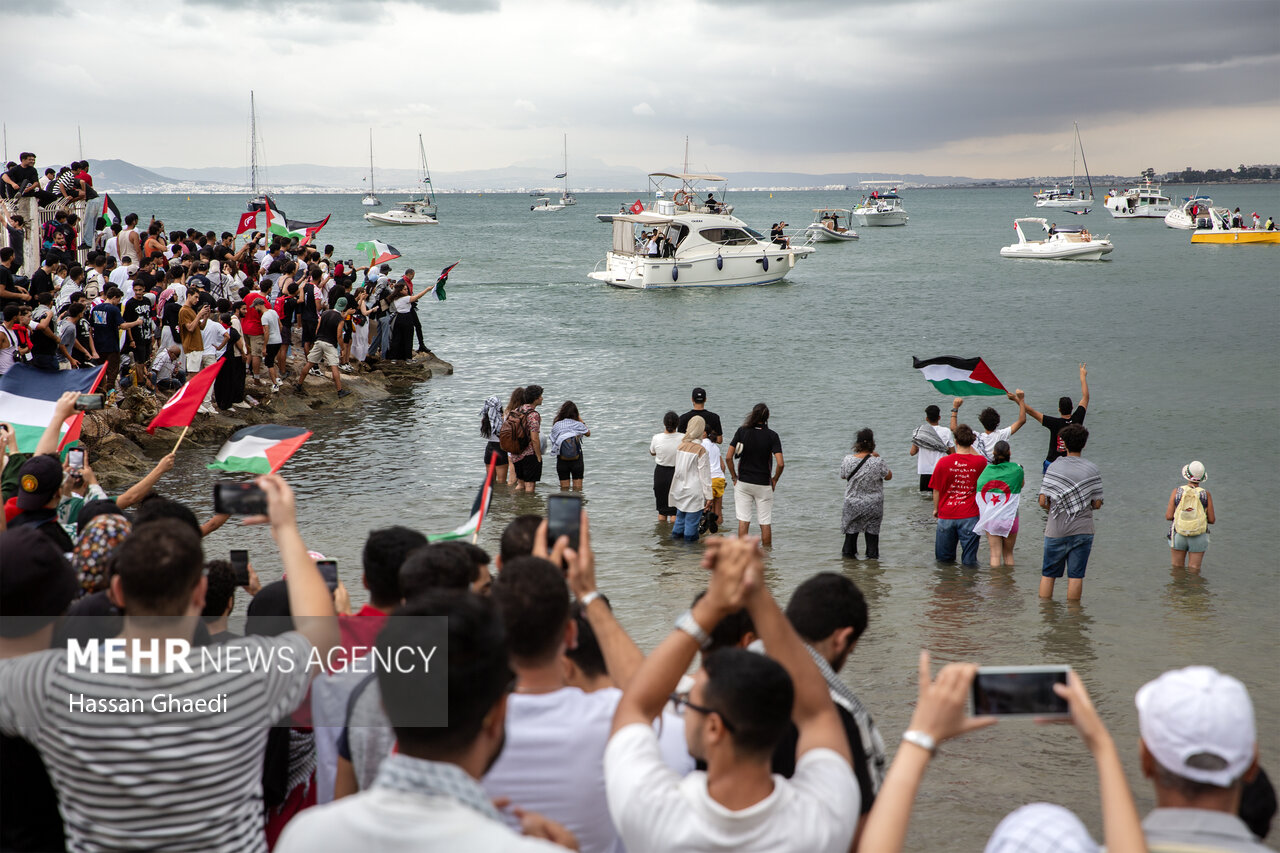
The alleged offences listed by prosecutors are grave. They include suspected torture, kidnapping, causing injury and robbery, arising from the interceptions of Global Sumud Flotilla missions in September and October 2025 and again in April and May 2026. The complaints come from 50 Italian citizens, a substantial complainant group that gives the Rome prosecutors both jurisdiction hooks and a deep pool of testimony. Activists told prosecutors, according to the statement, that they were beaten, threatened with death, and subjected to tasers and rubber bullets during and after the boardings. These are allegations, not findings: no court has tested them, Israel has not answered them in this proceeding, and the officials named have not been heard by the Italian authorities. Katz and Zamir did not immediately respond to Reuters' requests for comment on Friday. Ben-Gvir, for his part, dismissed the original investigation when it was announced in June, treating it as a political gesture rather than a legal threat — a posture that may become harder to sustain now that the suspect list reaches the defence ministry.
The June request Jerusalem has not publicly answered
One detail in Friday's reporting carries outsized diplomatic weight. In June, Italy sent Israel a formal request for judicial assistance — the standard channel through which one country's prosecutors ask another's authorities for help gathering evidence, serving documents or questioning officials. As of Friday, Reuters reported no public response from Israel. Judicial-assistance requests between friendly states are routine in ordinary criminal cases; silence in a case naming a serving defence minister is not routine at all. Rome now faces a familiar dilemma in transnational justice: it can build a file almost entirely from complainant testimony and open-source material, but without Israeli cooperation it cannot easily obtain orders, radio logs, detention records or the testimony of the personnel who carried out the boardings. Prosecutors can proceed regardless — Italian law does not require the suspect's home state to consent — yet every practical step, from formal notification to any eventual trial, runs through that wall of non-cooperation.
The legal question: how far does Italian jurisdiction reach?
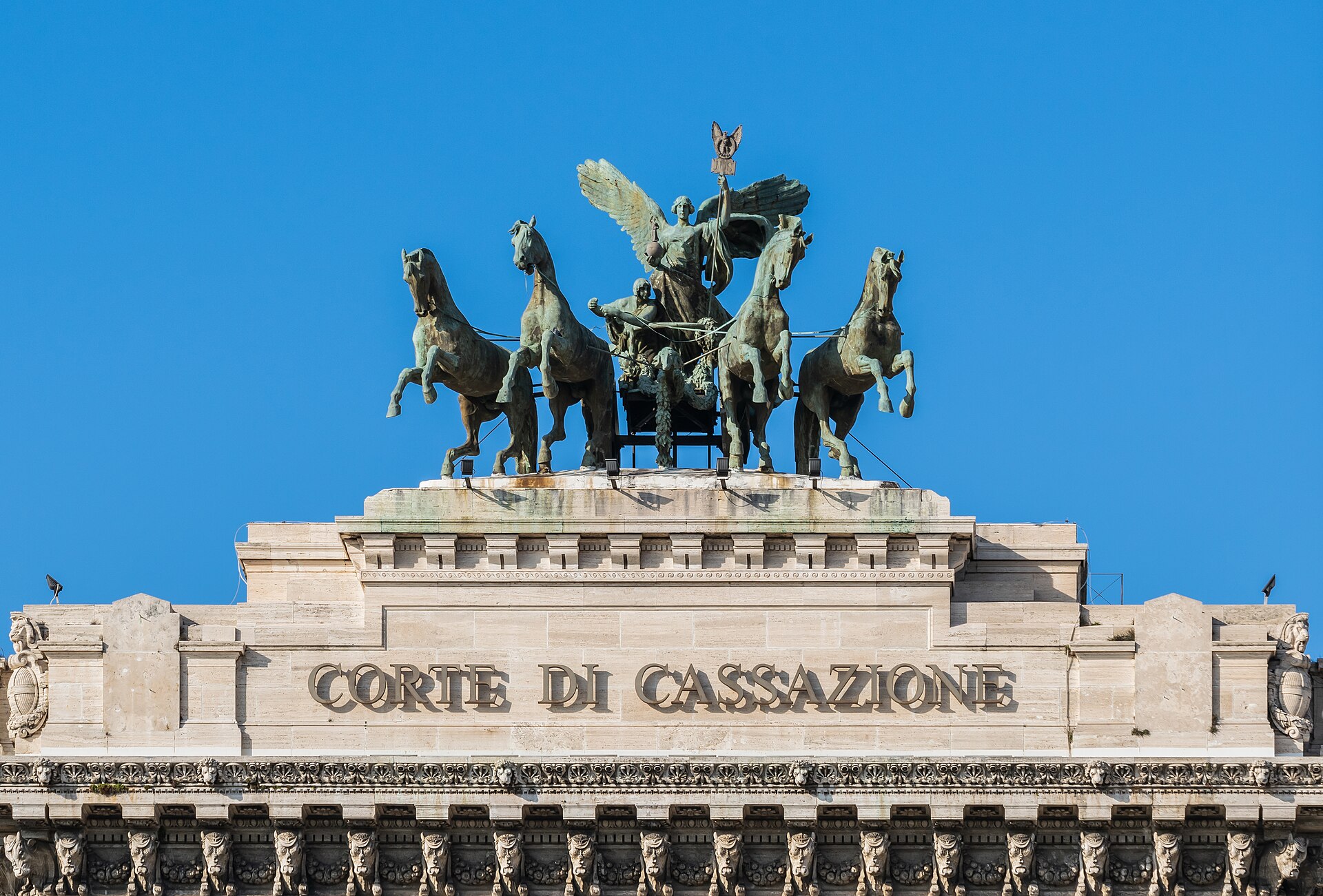
The case will turn on jurisdiction as much as on facts. Italy's strongest claim is personal rather than universal: the complainants are Italian citizens, and Italian law allows prosecution of certain serious crimes committed abroad against Italian nationals, particularly where the victims have filed formal complaints, as 50 of them have here. The torture allegation adds a second layer. Torture is among the small set of offences — alongside piracy and grave war crimes — where international conventions encourage or oblige states to prosecute regardless of where the act occurred or who committed it. Italy incorporated a specific torture offence into its penal code in 2017, after years of criticism that it lacked one. Against those arguments stand formidable obstacles. Serving senior officials ordinarily claim immunity for acts performed in an official capacity, and international courts have repeatedly wrestled with where that immunity ends when the allegation is torture. There is also the practical question of custody: Italy cannot arrest a serving Israeli defence minister who does not travel to a jurisdiction willing to act, and any trial in absentia would be symbolically powerful but legally contested. None of that makes the investigation meaningless. In modern transnational justice, the file itself — preserved testimony, a judicial record, travel risk for named officials — is often the real instrument, long before any courtroom is involved.
Why this matters
This investigation matters because it converts a recurring argument about the flotillas into a question of personal legal exposure for the officials who ordered and ran the interceptions. Diplomatic protests fade; a prosecutorial file in a major European capital does not. For Israel, the case lands at an already raw moment: its forces continue to strike Gaza despite the ceasefire framework, as our explainer on why Israel strikes Gaza despite the ceasefire sets out, and each new legal front reinforces the sense in Jerusalem that the war's conduct is being litigated capital by capital. For Italy, the case tests whether the universal-jurisdiction principles European states champion in the abstract survive contact with a close partner's serving defence minister. For the activists, it offers something the interceptions themselves denied them: a forum. And there is a precedent effect either way. If Rome sustains the case through the immunity and cooperation hurdles, prosecutors elsewhere in Europe will read the file closely. If it stalls, that too will be read — as a map of the limits of accountability when the accused wear cabinet rank. The flotilla dispute also intersects with Gaza's strangled commerce, where, as we reported, a halt on commercial goods and a disputed fee have squeezed merchants — a reminder that the blockade the flotillas challenged remains the underlying policy this case is really about.
What happens next
The near-term steps are procedural but revealing. Prosecutors must formally notify the named officials, a step that will test the judicial-assistance channel again; Israel's response — engagement, protest or continued silence — will set the diplomatic temperature. Expect Israel's foreign ministry to frame the case as politicised lawfare, and expect Italy's government, which has tried to balance support for Israel with domestic pressure over Gaza, to insist the judiciary is independent — which, in Italy, it constitutionally is. Watch also whether other European prosecutors open parallel files on behalf of their own nationals who sailed, and whether any named official alters travel plans to states that honour Italian requests. The deeper question will take longer: whether an Italian court is ever asked to rule on the immunity defence. That ruling, if it comes, will matter far beyond this flotilla — it will help define how far one democracy's criminal law can reach into another's war.
Sources: Reuters, Oct. 16, 2026 (Rome prosecutors name Katz, Zamir and 10 other officials; allegations and June judicial-assistance request as stated by prosecutors; no immediate comment from Katz or Zamir). Related on Signal Post News: Why Israel strikes Gaza despite the ceasefire, explained · Gaza commercial goods halt and the merchants' fee dispute.