Trump Rules Out New U.S. Strikes on Iran Before the November Midterms
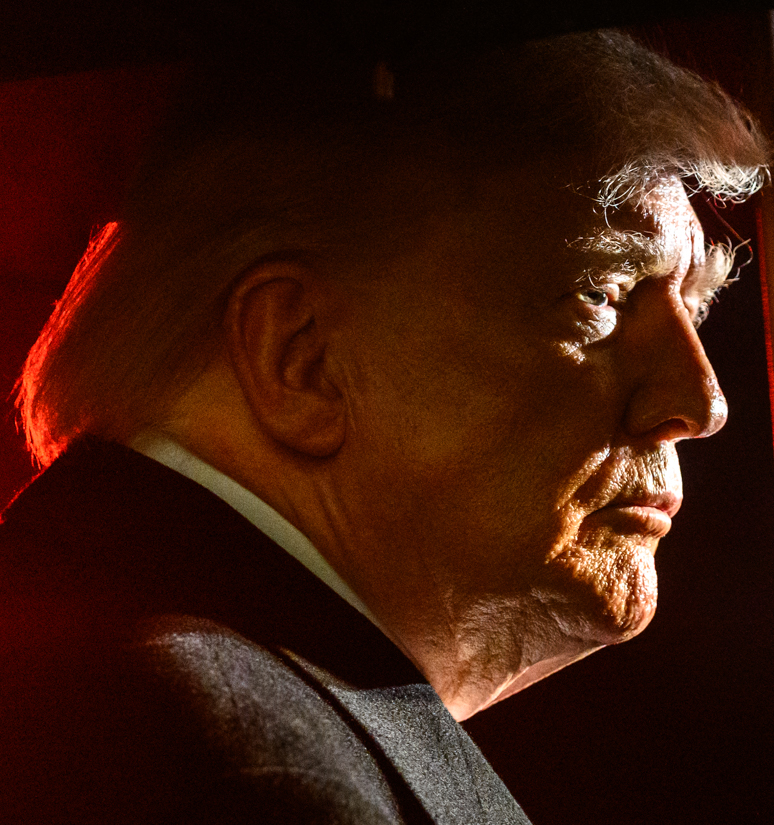
Trump Iran attack midterms: President Donald Trump said Thursday that the United States will not attack Iran before the midterm elections on November 3, announcing on Truth Social that Washington is having “productive discussions with the Islamic Republic of Iran” and that no military action is imminent. The pledge, he added, covers “any time prior to the Midterm Elections to be held in the United States on November 3rd.”
What Trump said
The post was classic Trump: all-caps emphasis, superlatives, and a headline claim about the oil trade. He said Iran is “in very bad condition, both Economically and Militarily,” insisted the U.S. blockade “will remain in full force and effect,” and claimed that oil is flowing “in Record Numbers of Barrels” through the Strait of Hormuz — 22 million barrels in one night, he wrote, “with not one barrel coming from, or going to, Iran.” His stated objective, in the post’s closing line: “IRAN WILL NOT HAVE A NUCLEAR WEAPON!”
That 22-million-barrel figure is already in dispute. The U.S. government argues Hormuz throughput is back at prewar levels; independent analysts say otherwise. But the operational message was unambiguous: economic pressure continues, military pressure pauses — at least until the votes are counted.
Why the markets forced his hand
Trump’s statement did not arrive in a vacuum. It followed a report in The Atlantic that the White House had directed the Pentagon to develop limited strike options against Iran that could be used before the midterms — with more substantial military action after the vote also under consideration. The report rattled markets: Brent crude jumped to $105 a barrel on Wednesday, and stocks fell over fears that the president could resume military attacks.
The post calmed the immediate panic. Crude began dropping after Trump’s announcement, falling to about $103 a barrel on the Brent benchmark. The episode was a vivid demonstration of how, in the eighth month of this war, a single magazine article and a single social-media post can move the world’s most important commodity by dollars in a matter of hours.
It was also a reversal of tone. Just a day earlier, at a new shipyard in Maryland, Trump had said of Iran: “They’re a mess. But we still have to finish it off.” And in an interview with Time magazine earlier this month, he had said intensified strikes after the elections remained “possible.” The Atlantic’s reporting suggested the timeline may have been even shorter than that.
The state of the war
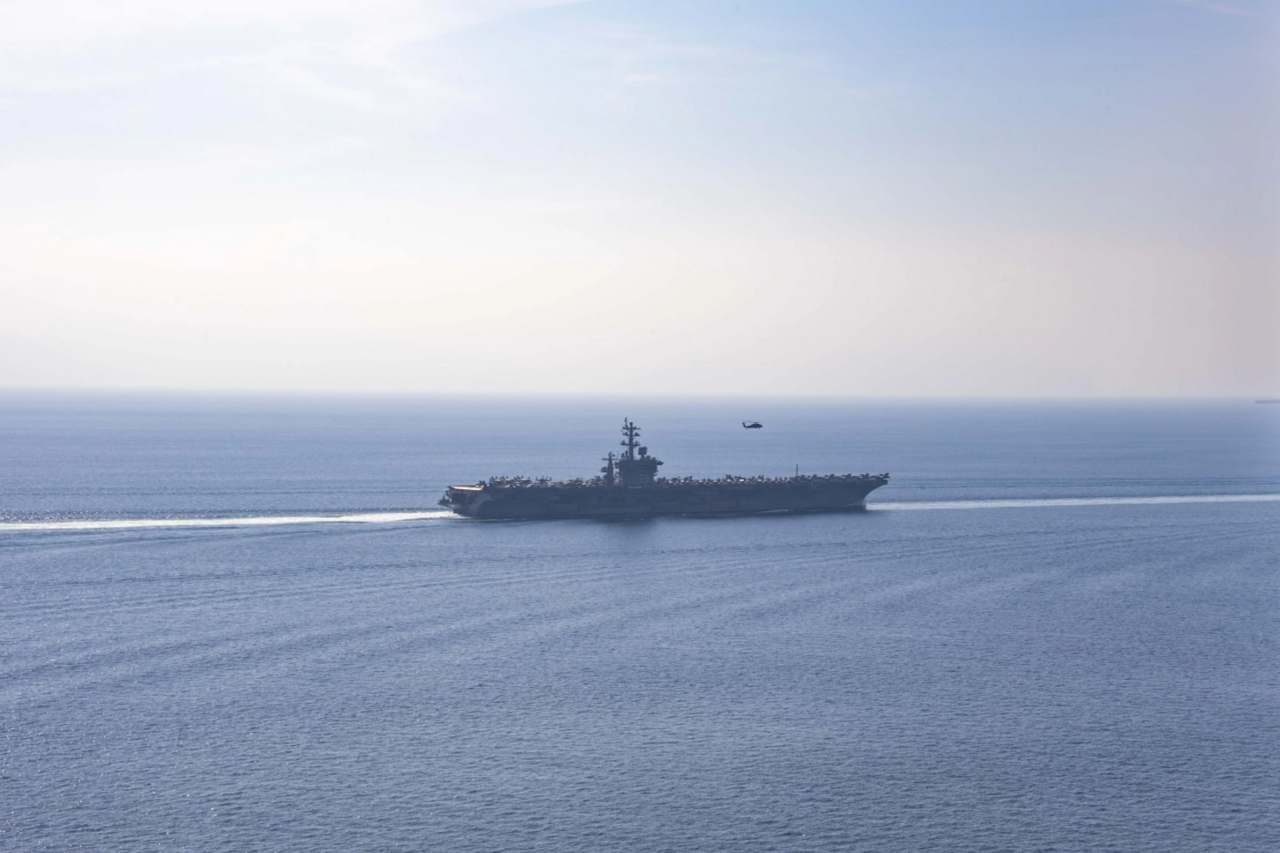
The conflict is now in its eighth month. The United States and Israel launched strikes on Iran in February, and the war — with what Reuters describes as a $3 billion monthly price tag — has become one of the defining issues of the U.S. campaign season. Iran and the U.S. have exchanged proposals in recent weeks aimed at ending the war and reopening the Strait of Hormuz, the vital energy shipping lane; Trump rejected Tehran’s latest offer.
The pain at the pump is real and measurable. AAA’s national average stood at $4.36 a gallon of gasoline on October 8, with diesel at $6.28 — diesel having hit a record $6.52 on September 22. Economists note that high gas prices are weighing heavily on Republican candidates, and Trump himself has repeatedly predicted that oil prices would “come tumbling down” once the midterms are over — telling a reporter in September that the war would end “right after the midterms, actually.”
The politics of the pause
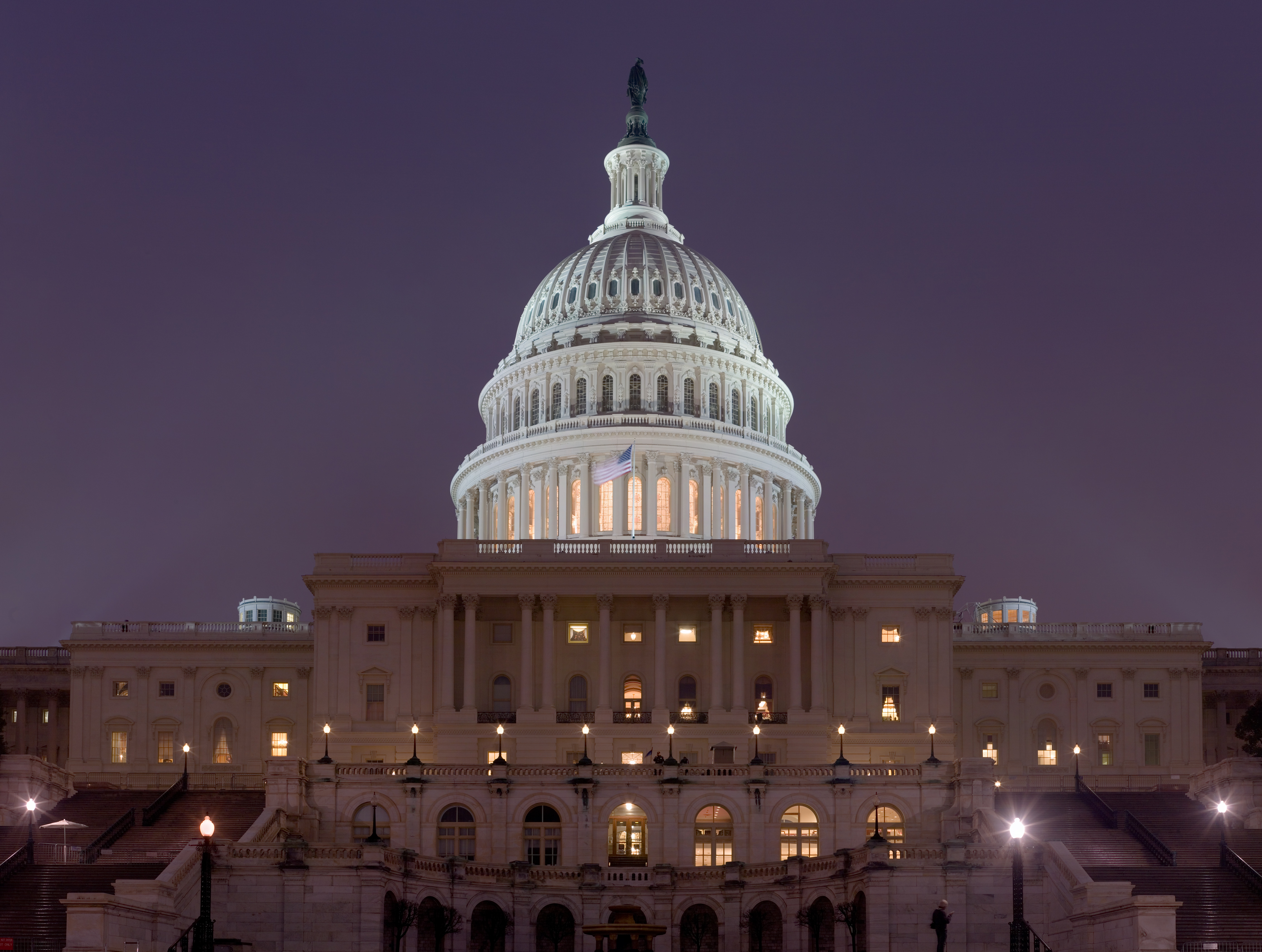
The November 3 midterms will determine the balance of power in Congress, with Republicans fighting to keep control of the House and Senate in Trump’s final two years in office. The latest Economist/YouGov polling found 37 percent of Americans say inflation and prices are the most important issues they face — and nothing moves inflation expectations faster than gasoline.
The political risk was flagged inside the family too: Lara Trump has warned that the Iran war could cost Republicans the midterms — a warning Trump himself appeared to acknowledge. The president’s decision to explicitly tie the strike timeline to the election calendar is a striking admission of how central the war has become to the campaign.
Critics will read the announcement as an admission that military decisions are being driven by the electoral calendar — in September, Trump had said the election “doesn’t even enter my mind” regarding the Iran war. Supporters will read it as simple prudence: no president wants to widen a war weeks before voters pass judgment, and productive negotiations deserve space to work.
The blockade stays — and the sanctions tighten
While the bombs wait, the economic squeeze is intensifying. On the same day as Trump’s post, the Treasury Department announced new sanctions against 17 vessels it alleged were part of a “shadow fleet” Iran has used to move its oil around the world, concluding they had circumvented existing U.S. sanctions to transport millions of barrels of oil and petrochemical products to countries across south and east Asia. “Treasury is targeting any source of the regime’s illicit revenue,” the department said.
The administration’s theory, as CNN reported it, is that months of economic punishment — the blockade in “full force and effect,” in Trump’s words — can do what strikes have not: force Tehran to the table. Iranian officials, for their part, have shown little sign of being motivated to negotiate by the pressure so far, and Tehran continues to reject the terms Washington has offered.
Who wins, who loses
Markets win the pause. Every day without new strikes is a day oil traders can exhale. Brent’s $105-to-$103 retreat after the post is the market’s vote on escalation risk.
Republican candidates win breathing room. A fresh bombing campaign weeks before November 3 — with gas at $4.36 — would have handed Democrats a ready-made inflation cudgel. The delay neutralizes that attack line, at least temporarily.
Iran wins time. Every week without strikes is a week to rebuild air defenses, harden nuclear sites and test how durable Washington’s “productive discussions” really are. Tehran’s strategists will read the calendar as carefully as anyone.
Voters lose nothing yet — but gain no certainty. The announcement rules out strikes before November 3. It says nothing about November 4. The Time interview’s “possible” still hangs over the day after the vote.
What the numbers actually say
November 3. Midterm election day — and, per Trump’s post, the earliest date for any renewed U.S. attack on Iran.
26 days. How far away the midterms are, per CNN’s count — the window in which the pledge holds.
$105 to $103. Brent crude’s arc: surging Wednesday on the Atlantic report, easing after Trump’s post.
$4.36 and $6.28. AAA’s national averages for gasoline and diesel — with diesel’s $6.52 September 22 mark an all-time record.
17 vessels. The shadow-fleet ships hit by new Treasury sanctions on Thursday.
22 million. Trump’s claimed one-night barrel count through Hormuz — disputed by analysts.
$3 billion. The war’s monthly price tag, per Reuters — and its weight on the campaign trail.
37 percent. Americans who call inflation and prices their top issue, per Economist/YouGov.
What happens next
Watch the calendar. Trump has tied the strike option to November 3. The day after, everything he has said about “finishing it off” comes back onto the table.
Watch the talks. “Productive discussions” is a phrase that needs evidence. The two sides have exchanged proposals and reopening-Hormuz plans for weeks with no breakthrough; the next proposal — and whether Trump rejects it like the last — is the real signal.
Watch the oil. Brent at $103 is the market’s current read on a contained war. Any credible sign of post-midterm strike planning will send it back toward $105 and beyond — and straight back into the inflation numbers Republicans fear.
The bombs are on hold. The blockade is not. And the clock — the one that matters most in Washington right now — is counting down to November 3.