DOJ election monitors 2026 are heading to polling places in all 50 states: DOJ election monitors, about 1,000 of them, would be the largest federal deployment in the department’s history.
US / Politics — the federal watchers are coming to the midterms in record numbers, and this time the states are writing rules for the watchers themselves
What the states are actually doing
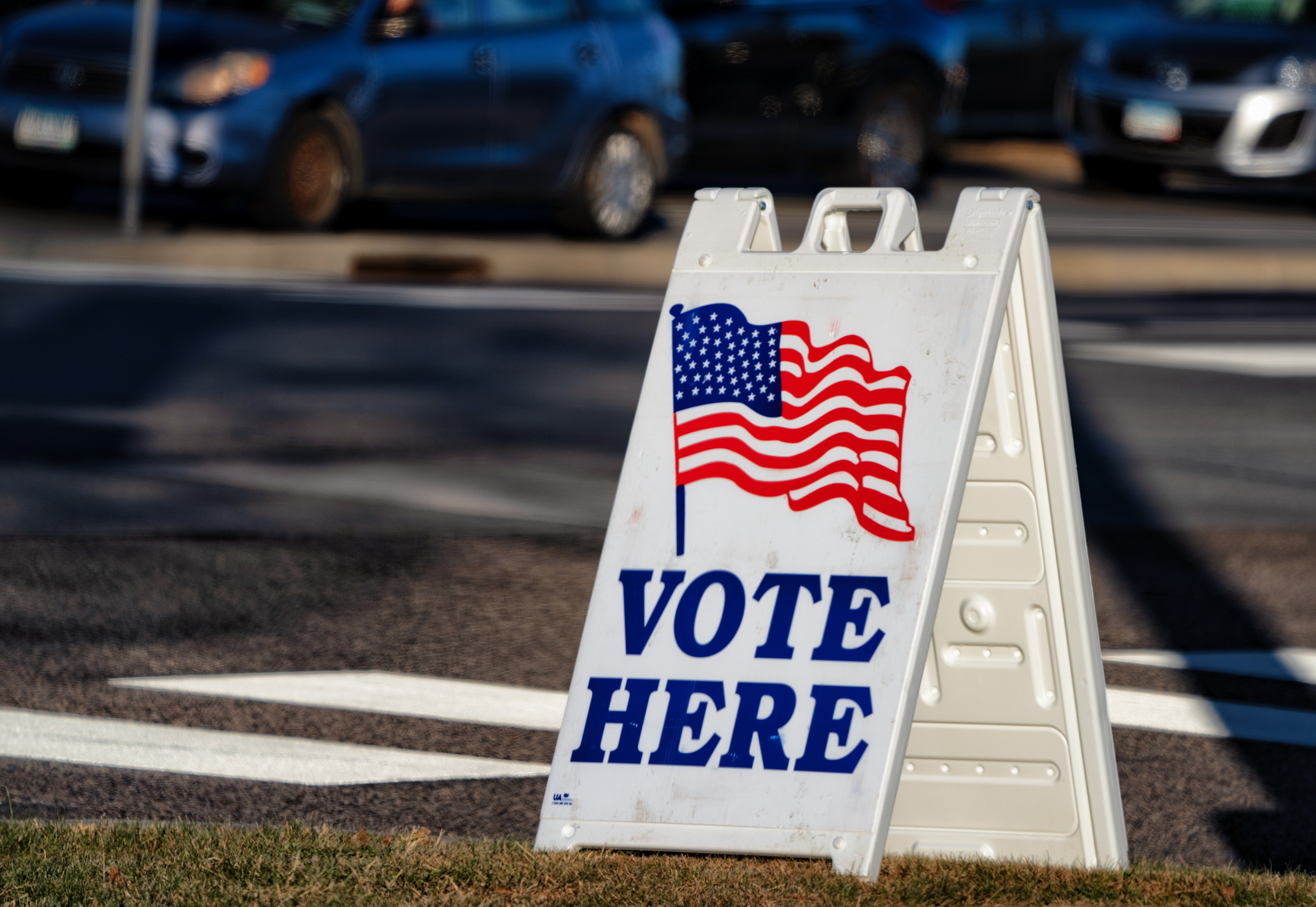
The state preparations Reuters described are procedural, not dramatic — and that is precisely what makes them significant. Maine’s guidance to local supervisors is a chain-of-command instruction: if federal monitors show up and ask to observe, call the state. It assumes the monitors will come, assumes local officials may not know what authority they carry, and moves the decision up a level. Other states have drawn brighter lines. During the August primaries, two Minnesota counties — Hennepin and Ramsey, which include Minneapolis and St. Paul — invoked state law to keep DOJ monitors from within 100 feet (30 metres) of polling places, Reuters reported. Michigan’s approach, described by election officials there to States Newsroom, is to allow monitors to observe but not to interfere: their job is not to interrogate individual voters, and permission can be revoked if interactions tip into intimidation.
Not every state is braced for conflict. Officials in several states told Reuters they had worked successfully with DOJ monitors in prior elections and did not anticipate disruptions this year. That spread of responses — welcome, tolerate with conditions, keep at 100 feet — is itself the story of 2026: there is no longer a single national understanding of what a federal election monitor is for, so each state is improvising its own.
The plan, and the numbers behind it
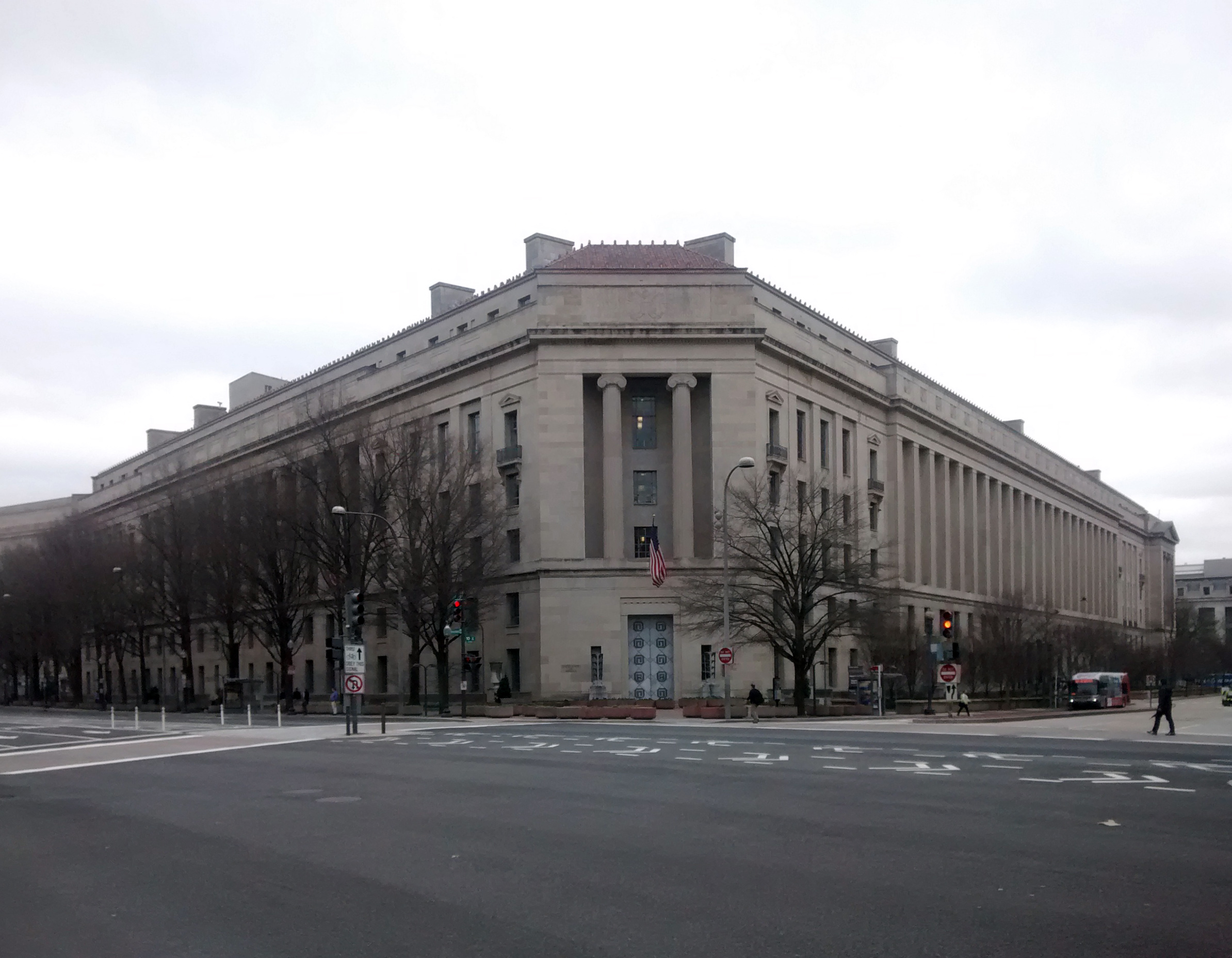
The scale is what is new. Federal election monitoring is a decades-old program, run by the Justice Department’s Civil Rights Division, under which monitors document potential civil-rights violations such as polling places lacking Spanish-language ballots or accessibility for voters with disabilities. The deployment figures tell the growth story: about 289 monitors in the 2022 midterms, about 714 in the 2024 presidential election, and, for 2026, a planned deployment approaching 1,000 to every state, according to figures compiled in the NAACP’s legal filings. Attorney General Todd Blanche has defended the program publicly, calling accusations that the monitors would be armed “completely false” and saying they will be election monitors “as they are every single time.” The Civil Rights Division has said it already visited 11 states and hundreds of polling locations during this year’s primaries, and a DOJ statement describes the mission as protecting ballot security, transparency and compliance with federal election law.
The department’s critics focus less on the number than on the composition and the brief. The Trump administration has reshaped the Civil Rights Division, prompting an exodus of career staff and a new focus on election fraud and voting by non-US citizens, Reuters reported. And in a break with historical practice, the department plans to deploy criminal prosecutors as monitors; it has historically relied on civil lawyers and support staff partly out of concern that prosecutors at the polls could make voters apprehensive. A senior DOJ official, speaking on condition of anonymity, said voters were unlikely to notice a difference, and spokesperson Kiersten Pels said in a statement that “monitors will not identify themselves as prosecutors,” arguing the NAACP lawsuit rests on “unwarranted fear and baseless speculation.”
The Wyoming preview
Almost everything the critics predict, and almost everything the department disputes, was rehearsed in Wyoming in August. Two DOJ monitors appeared at a Cheyenne polling place on primary day, catching the governor and local officials largely off guard; email records indicate the secretary of state was the only state official notified in advance. At the state canvassing board afterwards, Republican Governor Mark Gordon described the monitors’ conduct as “aggressive” and “irregular” and asked the state attorney general to probe the episode, including requests to examine voting machines. Laramie County Clerk Debra Lee, also a Republican, called it “a poorly managed exercise and one that showed complete disregard for our state laws and administration of our elections.” The DOJ official who spoke to Reuters said the monitors only asked about the machines to inquire about access for people with disabilities. A spokesperson for Gordon said disagreements remained about the episode; the department has since confirmed it will “have a presence in Wyoming” in November anyway.
Wyoming matters beyond its size because of who is complaining. The NAACP’s lawsuit leans heavily on Gordon — a Republican governor in one of the country’s most Republican states — to argue that concern about the monitors is not a partisan grievance. The Campaign Legal Center’s September white paper on federal observers reached a similar structural conclusion: a program with a long record of nonpartisan, behind-the-scenes work has made headlines in 2026 because of conduct state officials themselves called dangerous and irregular, including, in Minnesota, the deployment of a DOJ attorney who had been convicted in 2016 of illegally accessing state and local election websites — a detail first reported by Democracy Docket and cited in the NAACP’s complaint.
The court fights already running
Two lawsuits now bracket the November deployment. On October 16, the NAACP and the Advancement Project sued to block the department from deploying federal prosecutors and other law-enforcement personnel as election monitors at all, arguing that doing so would have a chilling effect on voters, cause chaos on Election Day and violate Section 11(b) of the Voting Rights Act, which prohibits intimidation, threats and coercion against people exercising their voting rights. Separately, the NAACP’s earlier Freedom of Information Act suit — filed October 2 after the department did not produce records on the plan’s legal authority, locations, training and qualifications — is moving faster: Democracy Docket’s case tracker lists a court hearing on October 22 on the motion for a temporary restraining order, with the plaintiffs pressing for expedited production before November 3. House Judiciary and House Administration ranking members Jamie Raskin and Joe Morelle opened their own inquiry on September 29, demanding the department demonstrate that monitors will not administer elections, assess equipment, determine voter eligibility or direct local officials.
Why this matters
Election monitors exist to solve a trust problem, and in 2026 they have become one. The historical bargain was simple: a small number of unobtrusive federal observers reassured voters that someone neutral was watching for civil-rights violations, and their presence was coordinated with the states in advance and announced publicly. Every element of that bargain is now in dispute — the neutrality (a division refocused on fraud and noncitizen voting), the coordination (Wyoming’s governor learning of monitors from their arrival), the personnel (prosecutors and at least one lawyer with an election-crimes conviction), and even the purpose (compliance with voting-rights law, in the traditional account; ballot security and fraud detection, in the current one).
The underlying factual dispute is narrower than the political one. Studies have found that voting by noncitizens is rare, and the Bipartisan Policy Center has written that there is no evidence it has ever been significant enough to affect an election’s outcome; President Trump and his allies have nonetheless held up isolated cases to claim US elections are rigged, claims Reuters notes are false. The department’s position is that a visible federal presence deters violations and reassures voters the count is clean. The critics’ position is that the same presence, at this scale and with this personnel, does the opposite — and that a program justified as protecting confidence could end up supplying the footage and the anecdotes used to challenge the result. Both theories are, at bottom, about the same variable: whether voters and losers accept the outcome. That is why a staffing decision inside the Civil Rights Division has become one of the central pre-election fights of the midterms, alongside the department’s parallel litigation over state voter rolls (the DOJ’s California ballot suit) and the White House’s shifting position on mail voting (Trump’s mail-voting reversal).
Who gains, who is exposed
If November 3 passes with 1,000 monitors and few incidents — the primaries, Wyoming aside, produced few reported problems, and the department monitored hundreds of polling places in 11 states — the administration gains a durable precedent: a large, prosecutor-inclusive federal presence at the polls becomes normal, and the fraud-focused refocusing of the Civil Rights Division is ratified by an uneventful election. If there are confrontations — a monitor turned away under a state 100-foot law, a voter-interrogation complaint, a county revoking permission mid-day — the critics gain their Exhibit A in court and in Congress, and the states gain leverage to codify restrictions before 2028. The exposed parties are the local officials in the middle: the clerks and supervisors who must decide, in real time and possibly on camera, whether a federal credential overrides a state statute, with a secretary of state’s phone number as their main protection. Maine’s instruction to “contact the state” is an admission that nobody expects those decisions to be easy.
The stakes are raised by the map. Democrats are widely expected to gain control of the House and possibly the Senate, Reuters noted, and Maine’s Senate race is one of the contests that could decide the chamber — the same chamber arithmetic driving the enthusiasm gap in recent polling (the Reuters/Ipsos enthusiasm gap). A monitoring dispute in a state whose race decides the Senate would not stay a staffing story for long.
What happens next
The calendar is tight and mostly judicial. The October 22 hearing in the NAACP records case will show whether a court is willing to force the deployment plan into the open before Election Day; the October 16 blocking suit faces longer odds on a shorter clock, but even an undecided suit shapes behaviour, because every monitor now knows their conduct may be litigated. Watch, second, for the department’s own disclosures: whether it publishes monitor locations in advance, as was traditional, will signal how much of the old coordination model survives. Watch, third, the states: Maine’s guidance model — observe, escalate, document — is likely to be copied, and any state that follows Minnesota’s counties into a formal distance rule creates a direct legal test. The monitors were supposed to be the people watching the election. With thirteen days to go, the election is watching them back.
Sources
Reuters, “Monitoring the monitors: US states prepare for surge of Justice Dept election watchers” (October 21, 2026) — https://www.reuters.com/legal/government/monitoring-monitors-us-states-prepare-surge-justice-dept-election-watchers-2026-10-21/; NAACP and Advancement Project, “The NAACP and Advancement Project Sue to Block DOJ Plans to Deploy Federal Law Enforcement As ‘Election Monitors’” (October 16, 2026); U.S. House Judiciary Committee Democrats, “Ranking Members Raskin and Morelle Demand Answers from AG Blanche” (September 29, 2026); Campaign Legal Center, “Federal Election Observers: Key Powers and Constraints” (September 15, 2026), citing NBC News (August 27, 2026) and The New York Times (August 28, 2026) on the Wyoming primary; Democracy Docket, DOJ Election Monitors Records Challenge (NAACP) case tracker (hearing listed October 22, 2026); WyoFile reporting via Wyoming News on the department’s confirmed November presence in Wyoming; States Newsroom reporting via Oklahoma Voice (September 4, 2026) on state officials’ conditions for monitors. Deployment figures for 2022, 2024 and the planned 2026 total are as compiled in the NAACP’s filings and the department’s own statements; the department had not published a full list of monitor locations at the time of writing.