TopicsHamas terror finance networkSaleem Alzaq HamasHamas charity fundraising schemeUS sanctions Hamas financingFrance arrests Hamas fundraisersHamas cryptocurrency fundraisingmaterial support Hamas chargesOFAC Hamas sanctions October 2026Hamas money laundering networkJoint Task Force 10-7DOJ Hamas indictment
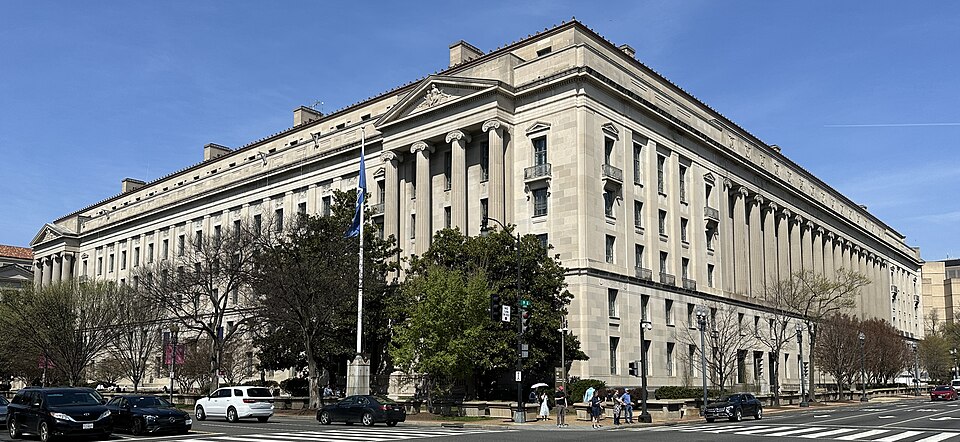
WASHINGTON — The U.S. Department of Justice unsealed a sweeping indictment on October 2, 2026, charging a Gaza-based Hamas member and three American associates with running an international Hamas terror finance network that allegedly collected more than $1.7 million from donors across the United States — much of it raised under the guise of humanitarian aid for Gaza. Three of the alleged ringleader's associates were arrested in France on the same day, and the U.S. Treasury imposed fresh sanctions on the network's key figures and front organizations.
The breadth is the point: a federal indictment, three U.S. arrests, three French arrests and Treasury sanctions landed together. That is not merely a criminal case. It is a coordinated attempt to sever the people, payment channels and legal entities that prosecutors say kept one financing system alive across borders.
The takedown: arrests in three countries, one unsealed indictment
Saleem Alzaq, 45, of Gaza, was charged alongside Omar Adhami, 33, and Abdel Adhami, 35, both of Covington, Louisiana, and Raed Yousef, 56, of Lutz, Florida. Prosecutors accuse the men of paying, soliciting and collecting funds for Hamas. In France, the General Directorate for Internal Security, or DGSI, arrested Faouzi Barika, Amel Oualid and Nordine Barika in the coordinated operation.
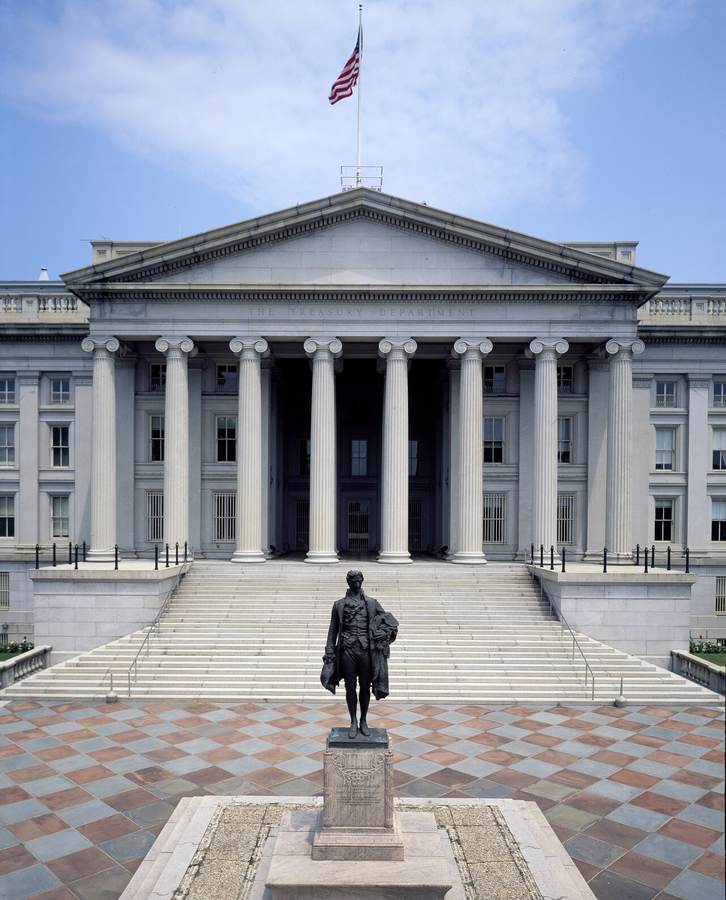
Treasury's Office of Foreign Assets Control acted the same day, designating Saleem Abdallah Saleem al-Zaq, Faouzi Barika, Amel Oualid, Association Baraka and Ensemble C Mieux. Treasury described a “sophisticated, multi-year financing architecture” that moved more than $2 million to Hamas through deceptive charitable fronts and cryptocurrency channels. The sanctions block property subject to U.S. jurisdiction, bar most U.S. transactions and can expose violators — and foreign financial institutions — to civil, criminal or secondary-sanctions consequences.
Alzaq faces conspiracies to provide material support to Hamas, violate the International Emergency Economic Powers Act and commit money laundering — each carrying a maximum of 20 years — plus conspiracy to defraud the United States, carrying up to five years. The Adhami brothers face material-support, wire-fraud and money-laundering conspiracy charges. Yousef faces conspiracy and five attempted material-support counts, charges tied to funds for a specially designated terrorist, money-laundering counts and passport fraud.
Attorney General Todd Blanche said anyone who finances or assists terrorist organizations responsible for American deaths “should expect to be prosecuted.” FBI Director Kash Patel said the bureau “will never forget the horrific attack on Israel by Hamas on October 7, 2023,” adding that the FBI has disrupted “over 4,000 Foreign Terrorist organizations” and stopped “1,100 alleged terrorist actors” since last year. National Security chief John A. Eisenberg thanked Joint Task Force 10-7, while U.S. Attorneys Jamie McDonald, David I. Courcelle and Gregory W. Kehoe represented the Southern District of New York, Eastern District of Louisiana and Middle District of Florida.
How the money moved: fake charities, codewords and crypto
Prosecutors say Alzaq operated an international fundraising network from January 2020 onward, collecting more than $1.7 million through campaigns presented as Gaza relief. At least $626,000 allegedly came from U.S.-based donors. Between February 2021 and September 2026, Abdel Adhami allegedly contributed about $94,000, Omar Adhami about $11,000 and Yousef about $50,000, with wire transfers and intermediaries used to conceal the path.
Court documents add the human-scale detail that makes the mechanism legible. Abdel allegedly contacted Alzaq through Snapchat in June 2023. In October and November 2023, he sent money, used “bread” as a codeword for Hamas, described donations as supporting fighters and later called the practice “Jihad by money.” Prosecutors say donations were processed through Abdel's store and disguised as ordinary purchases.
The indictment describes Alzaq as a Hamas member since at least 2017 and a battalion deputy in the Izz al-Din al-Qassam Brigades. It says he worked in the Photography Department of the Shujaiyya Brigade Media Office, photographed events led by senior Hamas figures including Ismail Haniyeh and Yahya Sinwar, and posted propaganda glorifying Sheikh Ahmed Yassin, Haniyeh and Sinwar while celebrating the October 7 attacks.
The crypto layer
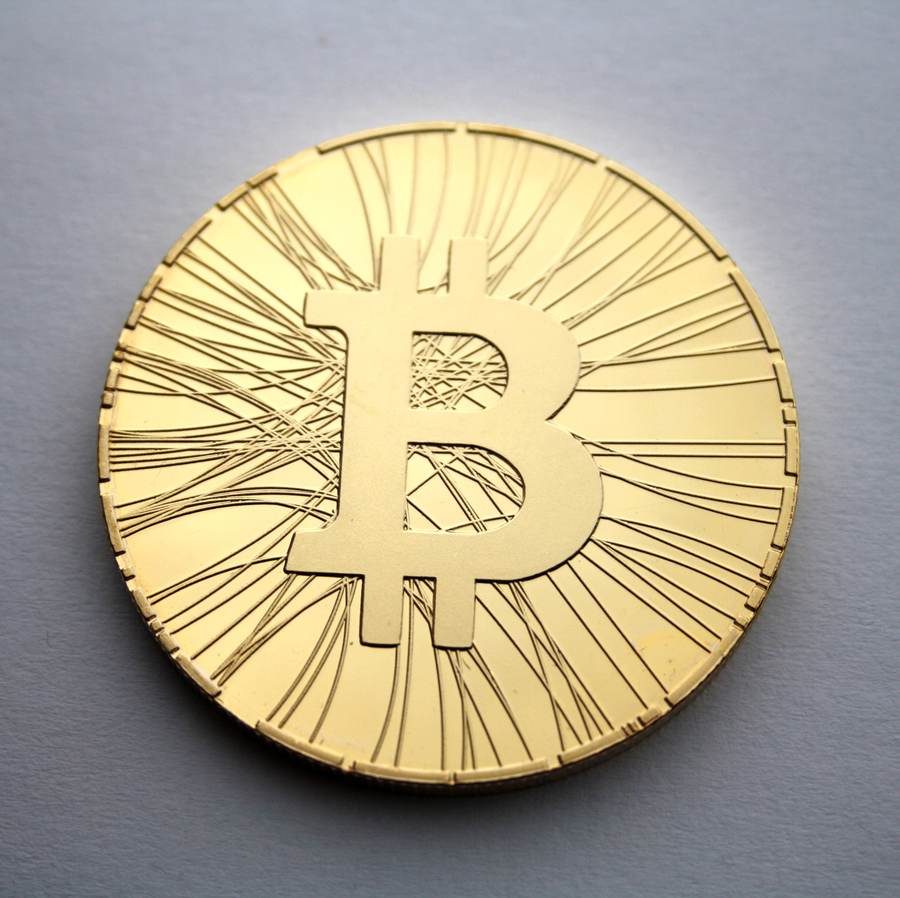
Treasury says France-based Barika and Oualid, acting through entities presented as charities, transferred hundreds of thousands of dollars in cryptocurrency after October 7, 2023. Al-Zaq allegedly oversaw a network that paired money-services businesses with crypto wallets to move funds to the al-Qassam Brigades. The alleged scheme did not abandon old rails for new ones; it layered them.
The investigation: from NYPD analysts to an undercover chat
NYPD counterterrorism intelligence analysts uncovered the network. Commissioner Jessica S. Tisch said the operation “exposed more than $2 million being funneled to Hamas.” The chronology shows patient, cross-agency work rather than a single dramatic break.
The NYPD began investigating in March 2023 after Hamas propaganda appeared on Alzaq's social media. Abdel and Alzaq first connected on Snapchat in June; money and the “bread” codeword followed in October and November. Israel's National Bureau for Counter Terror Financing told the FBI in June 2024 that Alzaq was a Hamas member and battalion deputy. An undercover NYPD officer contacted him through Facebook in September 2024 and then moved the conversation to WhatsApp. Alzaq referred that officer to Abdel in March 2025, and communications continued through December 2025 and January 2026.
Customs and Border Protection seized Abdel's phone in September 2025 after an overseas trip. He told officers he had been traveling to Ramallah to build a house in Surda. Prosecutors will now have to connect that documentary trail — chats, transfers, devices and undercover contacts — to criminal intent beyond a reasonable doubt.
A parallel case: Energy Department engineer accused of aiding the Houthis
Why this matters
Analysis: This case strikes at the seam between humanitarian compassion and terror finance. The surge of sympathy for Gaza after October 7 created a powerful fundraising environment; prosecutors say the network exploited that compassion as camouflage. The indictment matters because it traces the alleged seam across five years rather than treating post-attack donations as isolated transactions.
The French arrests show terror-finance enforcement operating as a transatlantic enterprise, not merely a U.S. indictment. The crypto element matters too. Where earlier Hamas fronts, including those associated with the Holy Land Foundation era, relied on charities and couriers, this network allegedly mixed money-service businesses with crypto wallets. Enforcement is adapting to both the old rails and the new ones.
The announcement arrived days before the third anniversary of the October 7, 2023 attacks, when Joint Task Force 10-7 is most visible. According to the DOJ, 46 American citizens were among those killed or taken hostage by Hamas.
Background: how we got here
Hamas's alleged charity-front model is decades old: donors give for relief, and intermediaries divert money. The indictment describes that playbook updated for this decade — social-media fundraising, Snapchat contact, storefront-laundered payments and crypto transfers layered together.
Joint Task Force 10-7 is the Justice Department's dedicated effort for October 7 victims. Eisenberg's public thanks places this prosecution within a sustained campaign rather than a one-off arrest.
The regional backdrop is widening. On October 2, Yemen's government carried out 20 strikes on Houthi targets in Taiz. The Saudi-led coalition said the Houthis attacked a Medina power station supplying the Prophet's Mosque; the Houthis denied it. It was the sharpest Saudi–Houthi escalation since the 2022 truce. Against that setting, the Ellaboudy arrest shows Washington treating alleged domestic support for the Houthis with the same urgency as alleged Hamas financing.
Multiple angles: who benefits, who loses, what critics say
Analysis: U.S. and allied counterterrorism agencies gain a visible deterrent win and a tested investigative template. Legitimate Gaza aid organizations also benefit when enforcement separates alleged abuse from genuine relief; every terror-finance case otherwise risks tainting humanitarian giving as a whole.
The defendants face decades in prison if convicted, while diaspora fundraising networks can expect heavier scrutiny. Civil-liberties critics warn that material-support prosecutions can chill legitimate humanitarian fundraising and political speech, and that courts continue to contest the line between intent to support a designated organization and ordinary charitable giving.
The legal caveat is decisive: an indictment is an allegation. Every defendant is presumed innocent unless and until proven guilty. The DOJ says donors were deceived; defense arguments are not yet on the record. How much money ultimately reached Hamas fighters rather than intermediaries is a question for trial, not a fact established by the indictment.
The numbers in context
The $1.7 million allegedly collected since January 2020 is modest beside the scale of global terror finance. It matters because investigators say these are traced, attributable dollars: at least $626,000 from U.S. donors — about 37% of the alleged total — with individual American contributions of roughly $94,000, $11,000 and $50,000. Small-donor terror finance is difficult to detect precisely because it moves through ordinary wires, family intermediaries and storefront purchases rather than cinematic bank heists.
The gap between DOJ's $1.7 million figure and the Treasury and NYPD descriptions of more than $2 million reflects different scopes: the indictment's fundraising total versus a broader financing architecture that includes crypto flows after October 7. Even the government's picture arrives in layers, not as one number.
Material-support and money-laundering counts can carry maximum sentences of 20 years, and stacked conspiracy counts create cumulative exposure measured in decades. Three same-day DGSI arrests on French soil also give the case a transatlantic footprint — significant because alleged European fundraising channels have historically been harder for Washington to reach.
What happens next
At trial, prosecutors must prove both destination and knowledge: that money went to Hamas and that the defendants knew what they were supporting. The “bread” codeword, Snapchat and WhatsApp records, the seized phone and undercover contacts will form the evidentiary core. The central questions are whether Alzaq, the alleged ringleader, is ever brought into a courtroom and whether the French arrests produce parallel European prosecutions.
The OFAC designations also put money-services businesses and crypto intermediaries on notice. Secondary-sanctions exposure can cause foreign financial institutions to treat any transaction touching a designated name as radioactive; that is the multiplier of a designation.
Blanche's statement tied the prosecution directly to protecting Americans, and the Trump administration's posture makes more such cases likely. The Ellaboudy case, which merits separate treatment in a future report, suggests the same machinery is being aimed at alleged Houthi support networks on U.S. soil.
A final caution: an enforcement success is not the same as destroying a network. Terror-finance systems reconstitute, and crypto rails are decentralized by design. The measure of this operation will be whether its template — NYPD analysts, undercover work, international partners and OFAC — proves repeatable.
Sources
- U.S. Department of Justice: “Coordinated Arrests and Charges Dismantle Hamas Terror Finance Network Raising Funds from the United States”
- Reuters, October 2, 2026: “US issues sanctions against Hamas financing network, Treasury says”
- Associated Press via KCAU: Energy Department employee charged with trying to support the Houthis
- Foundation for Defense of Democracies analysis, October 2, 2026