US business activity five-year high
TopicsUS business activity five-year highS&P Global PMI September 2026US composite PMI 58.4Federal Reserve rate hike 2026
WASHINGTON — American business activity accelerated at its fastest pace in more than five years in September, powered by a surge in new orders that lifted output across services and manufacturing. But the same burst of demand is colliding with scarce capacity, delayed supplies and an energy shock, producing the strongest rise in business costs since October 2022 and complicating the Federal Reserve’s fight against inflation.
S&P Global’s flash U.S. Composite PMI Output Index climbed to 58.4 from 56.0 in August, its highest reading since July 2021. Any reading above 50 signals expansion, but this was not a marginal gain: the survey firm said the pace was consistent with annualized economic growth of roughly 5%. The Atlanta Fed’s GDPNow model was separately tracking third-quarter growth at 5.1%, compared with the economy’s 1.5% annualized expansion in the second quarter.
The headline is a powerful vote of confidence in near-term U.S. demand. It is also a warning about the cost of meeting it. New orders jumped to 58.2, the strongest since March 2022, while unfinished work rose to its highest level since May 2022. Suppliers’ delivery delays became the most widespread since July 2022. Companies added staff at the fastest overall pace in more than four years, yet many still reported difficulty finding suitable workers.
Why this matters: a wartime boom with a 1970s problem
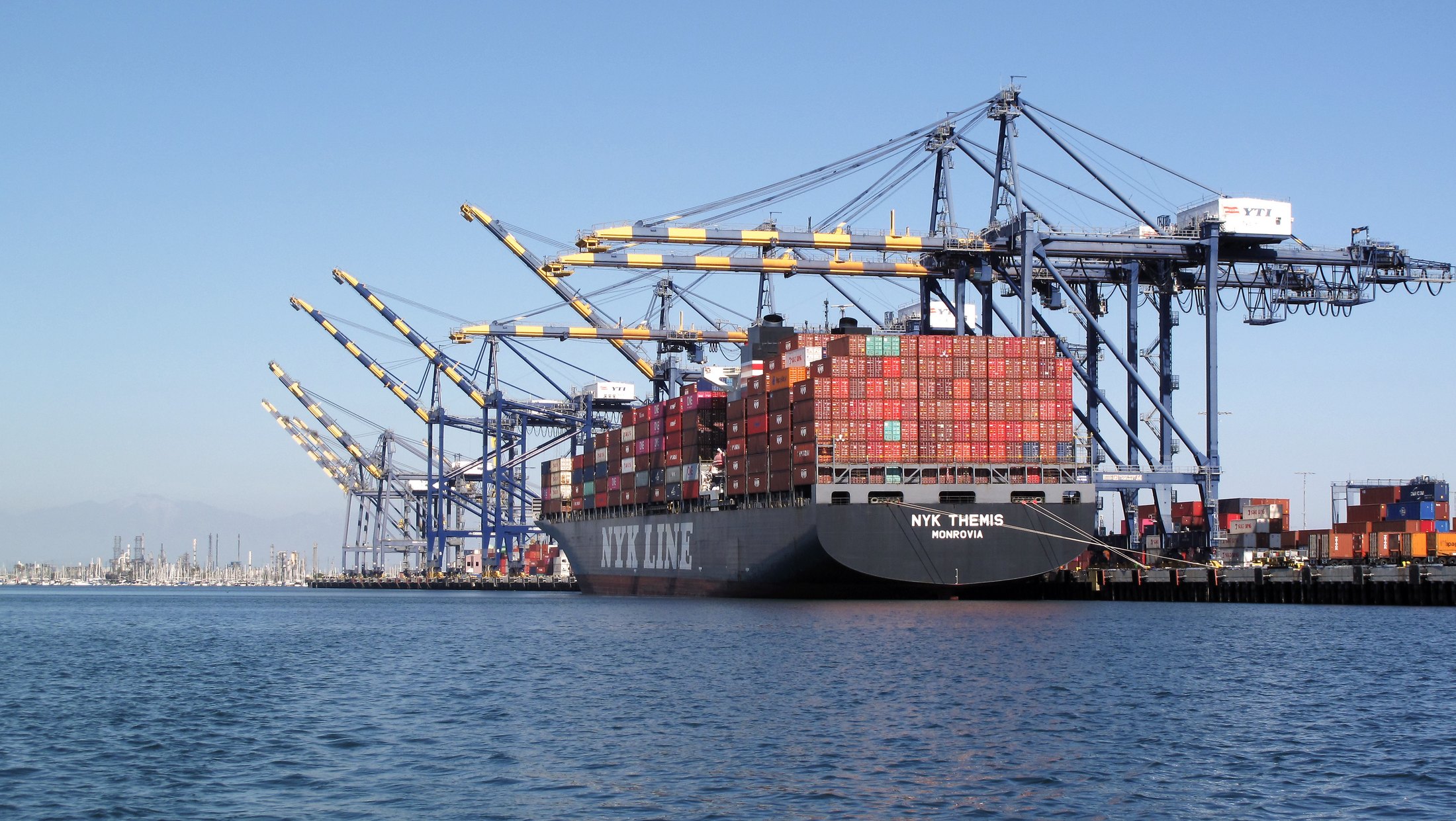
Normally, a broad acceleration in output, orders and hiring would be an uncomplicated sign of economic strength. September’s survey is different because the expansion is occurring alongside a supply shock. The U.S.-Israeli war with Iran has disrupted energy and transport networks for seven months, while high fuel and freight costs are working their way through factories and service businesses.
That combination resembles the central dilemma of the 1970s more than the demand-deficient recessions that conventional rate cuts are designed to address. Businesses have customers, but they do not have enough inputs, transport capacity or labor to serve them without bidding up costs. When demand outruns an economy’s ability to supply, faster growth can intensify inflation rather than relieve it.
Chris Williamson, chief business economist at S&P Global Market Intelligence, said business was “clearly booming” in both manufacturing and services. He also described the bottlenecks as among the most severe in the survey’s nearly two-decade history outside the pandemic. That distinction matters. The U.S. is not facing a simple collapse in productive capacity; it is facing a rapid demand expansion meeting physical constraints that monetary policy cannot directly repair.
Decoding the numbers: what 58.4 actually tells us
The composite index blends activity in the country’s enormous services sector with manufacturing output. September’s 58.4 reading, up 2.4 points in a month, says the acceleration was unusually broad. Services activity rose to 58.7 from 56.5. The manufacturing PMI climbed to 57.0 from 53.9, while the manufacturing output component reached 56.7. All were comfortably above the 50 line separating expansion from contraction.
The composition is more revealing than the headline. Domestic demand drove the gains. Goods exports continued to decline, while services exports increased only modestly. That means the boom is being generated primarily inside the United States rather than imported from a synchronized global recovery. It also makes the report more relevant to the Fed, because domestic demand is what higher borrowing costs are supposed to restrain.
The backlog measure is a bridge between today’s growth and tomorrow’s inflation. Rising uncompleted orders can support production in coming months, because firms have work in hand even if new demand cools. Yet the same backlog tells managers that customers have fewer alternatives and may tolerate price increases. Williamson warned that this creates pricing power. In other words, the order book is both a cushion for growth and a transmission mechanism for inflation.
The prices-paid gauge made that risk explicit. It surged to 66.4 from 59.9, the highest since October 2022. Services companies recorded the sharpest increase, while manufacturers linked higher raw-material costs to shortages and longer delivery times. Selling-price inflation also accelerated from August, even though it remained below the rates recorded from March through July.
The Fed's impossible choice
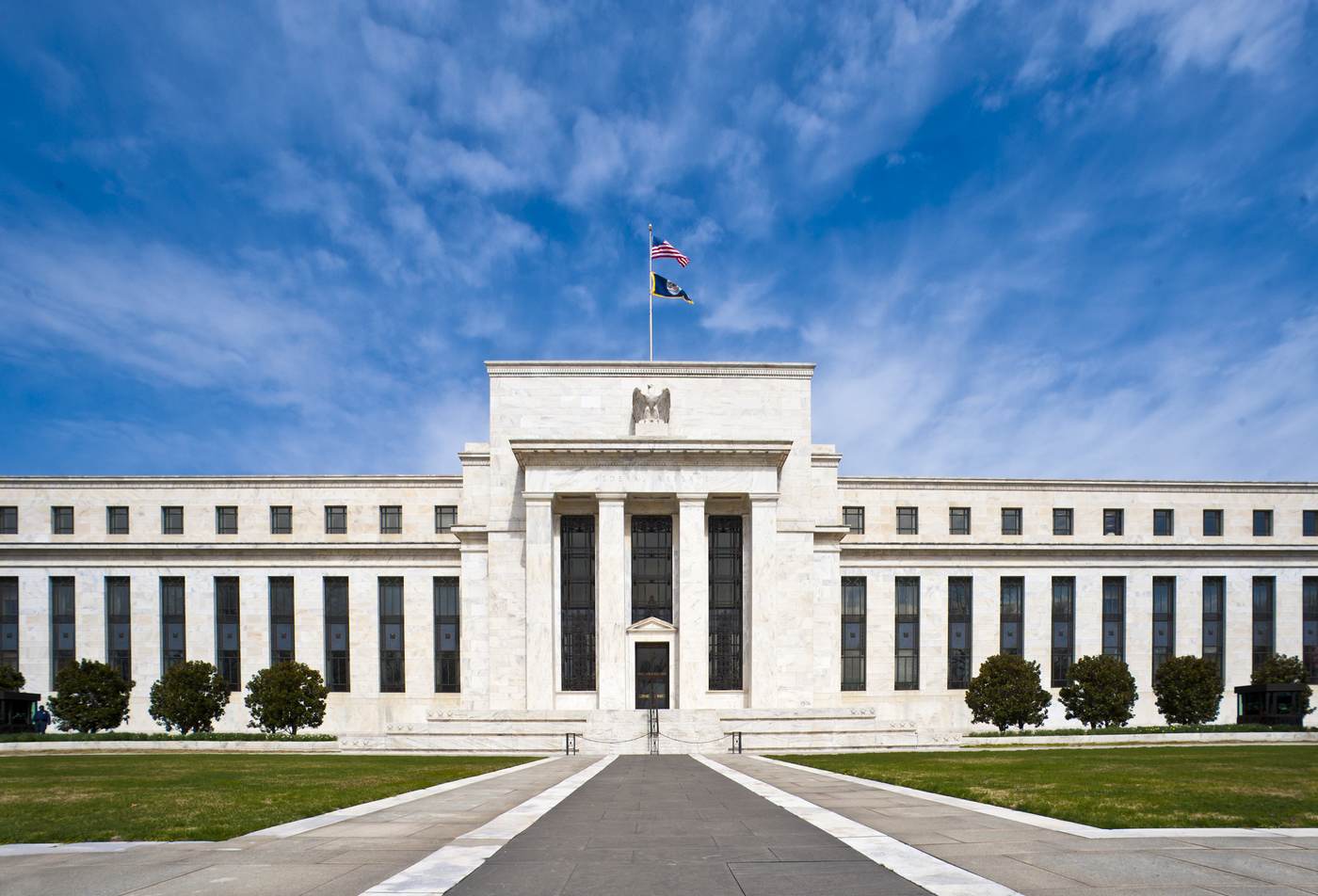
The Federal Reserve raised its benchmark overnight rate by 25 basis points last week to a range of 3.75% to 4.00% and signaled that more increases could follow. September’s PMI gives officials evidence for both sides of their mandate: hiring is strengthening and recession risk is receding, but input-price pressure is building quickly.
Chicago Fed President Austan Goolsbee said this week that supply shocks were proving more persistent and that strong demand was beginning to add to the problem. The PMI supports that diagnosis. A central bank can cool spending by making mortgages, credit cards and business investment more expensive. It cannot reopen a shipping lane, lower the cost of diesel or manufacture scarce components. If it raises rates aggressively enough to suppress supply-driven inflation, it may have to weaken otherwise healthy demand.
The conflict between growth and inflation is visible across markets. Investors had already been weighing oil, record diesel prices and a hawkish Federal Reserve. They then watched Brent crude's run toward $100 a barrel before oil slipped back below $100. The daily move in crude matters, but companies set transport contracts, wages and prices over longer horizons. A brief retreat does not instantly reverse costs already embedded in supply chains.

Winners, losers, and the price of speed
The immediate winners are companies with strong order books, available inventory and enough labor or automation to increase production. Industrial suppliers, logistics operators with spare capacity and service businesses able to pass through higher costs can convert the demand surge into revenue. Banks may also benefit from firmer loan demand and higher rates, provided credit losses remain contained.
The losers are concentrated where margins are thin and financing needs are large. Small manufacturers facing scarce inputs, retailers dependent on freight, builders using floating-rate credit and households carrying revolving debt all absorb the combined pressure of higher prices and higher interest rates. Companies unable to pass through costs will see margins squeezed; those that can pass them through risk feeding the inflation that keeps policy tight.
Financial markets must therefore separate growth beneficiaries from duration-sensitive assets. The strong PMI release pushed spot gold down toward $4,280 an ounce as traders reduced near-term expectations for policy relief. High-valuation equities can face pressure if Treasury yields rise, even when the underlying economy is healthy, because more of their value depends on profits expected far in the future.
Workers occupy both sides of the ledger. Faster hiring and the difficulty of finding staff improve bargaining power and job security. But real gains depend on wages staying ahead of food, fuel, housing and borrowing costs. A nominal pay increase is not an improvement in living standards if the inflation shock absorbs it.
What happens next: three scenarios for the final quarter
Soft landing through supply repair. Energy prices stabilize, delivery times improve and newly hired workers help clear backlogs. Output remains strong while the prices-paid index retreats. This would allow the Fed to pause after its latest increase and judge the cumulative effect of tighter policy without engineering a sharp slowdown.
Higher for longer. Demand remains near September’s pace, order books stay full and companies continue passing through transport, material and wage costs. Inflation remains sticky enough to justify another rate increase. Growth stays positive, but rate-sensitive sectors weaken and market volatility rises as investors repeatedly delay expectations for easing.
Stagflationary reversal. The energy and shipping shock worsens, supply chains seize further and high borrowing costs finally hit consumption and investment. The PMI falls even as prices remain elevated. That would leave the Fed choosing between supporting activity and preserving inflation credibility, the least attractive combination for businesses, workers and asset markets.
The next signals will come from final PMI data, weekly jobless claims, freight and diesel prices, inflation readings and company guidance on margins. The September flash survey is not a forecast carved in stone, and the Atlanta Fed tracker is a model rather than an official GDP estimate. Together, however, they describe an economy moving much faster than it did in the spring and closer to the limits of what its supply side can deliver.
America’s private sector has rediscovered speed. Whether that becomes durable prosperity depends on how quickly supply can catch up—and whether the Fed can keep inflation expectations anchored without crushing the very demand now powering the expansion. In this economy, today's good news is also today's warning.
Sources: Reuters on U.S. business activity and inflation pressure; Reuters on markets, rates and Iran diplomacy; Kitco on gold and the flash PMI release; Finimize market analysis. Data attribution: S&P Global flash U.S. PMI, September 2026; Federal Reserve Bank of Atlanta GDPNow estimate.