Relief, not resolution
Brent fell about 2% toward $101.70 and WTI below $98. Dow futures rose roughly 0.8%, S&P 500 futures 0.6% and Nasdaq 100 futures 1.1%. Asian technology led, with Samsung around 5% higher; ASML gained 2.85%. Those moves followed Friday closes of 7,650.50 for the S&P 500, 26,522.50 for Nasdaq and 51,682.60 for the Dow.
Why this matters
Oil eased while U.S. diesel sat at a reported record $6.51 a gallon. Diesel moves food, parcels, construction equipment and farm machinery. A 2% crude decline does not instantly unwind refinery bottlenecks or wholesale costs already embedded in supply chains.
Supply, rates and China
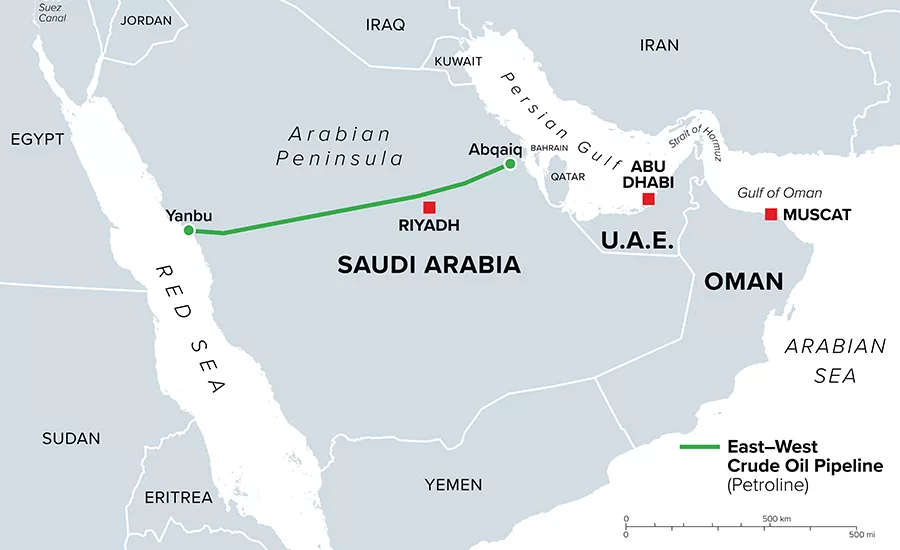
Reports that Saudi Arabia could restore about half of damaged East–West pipeline capacity within days helped sentiment. Barron’s, citing Reuters analysis, also said Beijing asked Tehran to restrain Houthi maritime attacks; those are diplomatic reports, not guarantees. The Fed raised rates last week for the first time in three years. The two-year Treasury reached 4.76%, and futures implied a 56% chance of another October increase. China’s roughly 70% share of rare-earth mining and around 90% of alloys and magnets gives Xi leverage before Thursday’s summit.
Winners, losers and scenarios
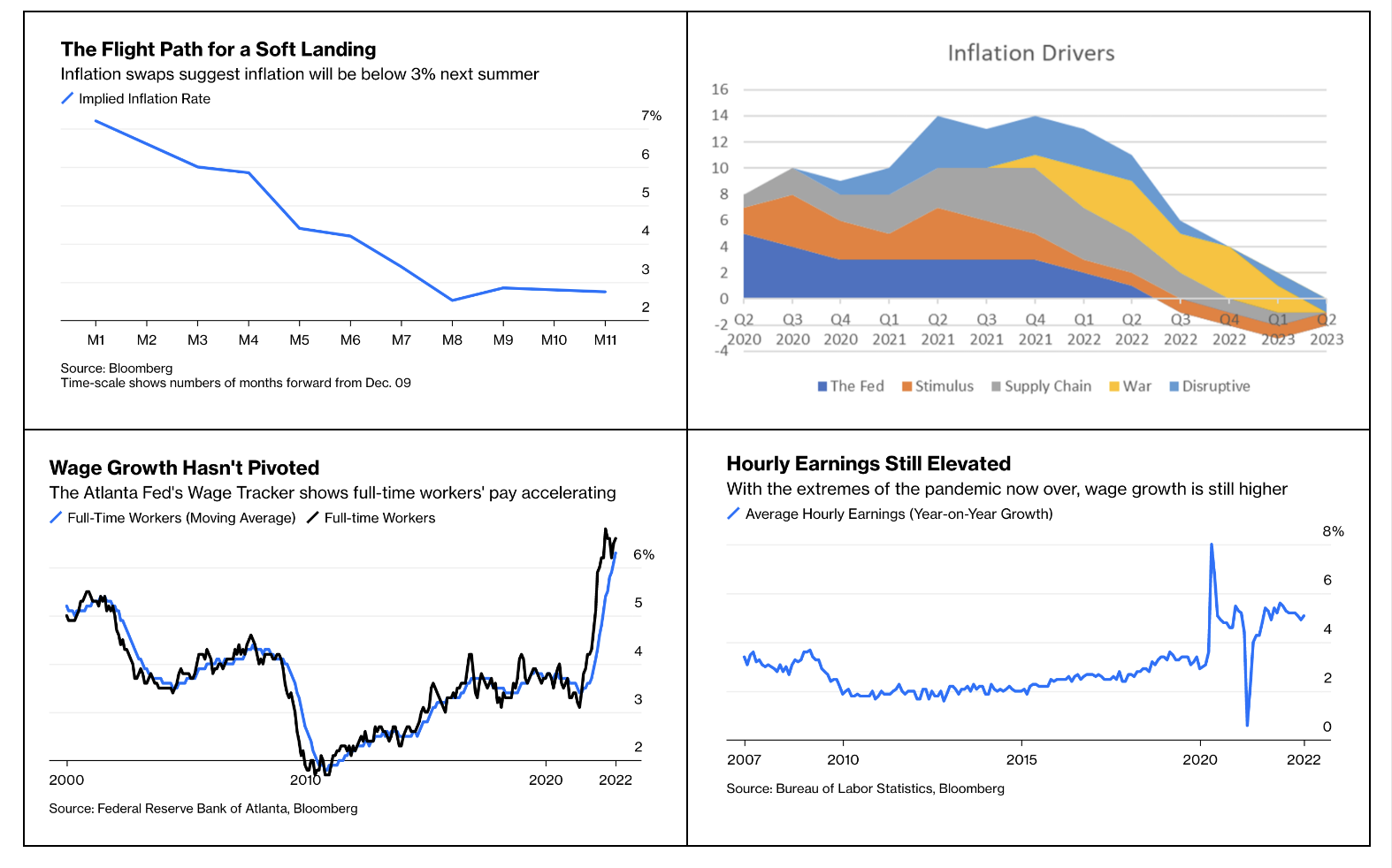
Technology shares and merger targets benefit if oil falls and yields stabilize. Freight-intensive companies and low-income consumers remain exposed to diesel. The bullish scenario needs pipeline repair, diplomatic restraint and softer inflation. The bearish case is renewed attacks with a still-tightening Fed. Watch physical diesel inventories, freight rates and whether U.S.–China talks produce enforceable rare-earth steps.
Sources: Barron’s; Morningstar / Dow Jones; CNN; Reuters. Prices are fixed snapshots.