
oil prices Brent $100 September 2026 is the clearest way to understand this developing story. Brent crude traded at $99.18 a barrel at 0119 GMT on September 23 after closing below $100 on Tuesday for the first time since September 8. West Texas Intermediate was $90.17.
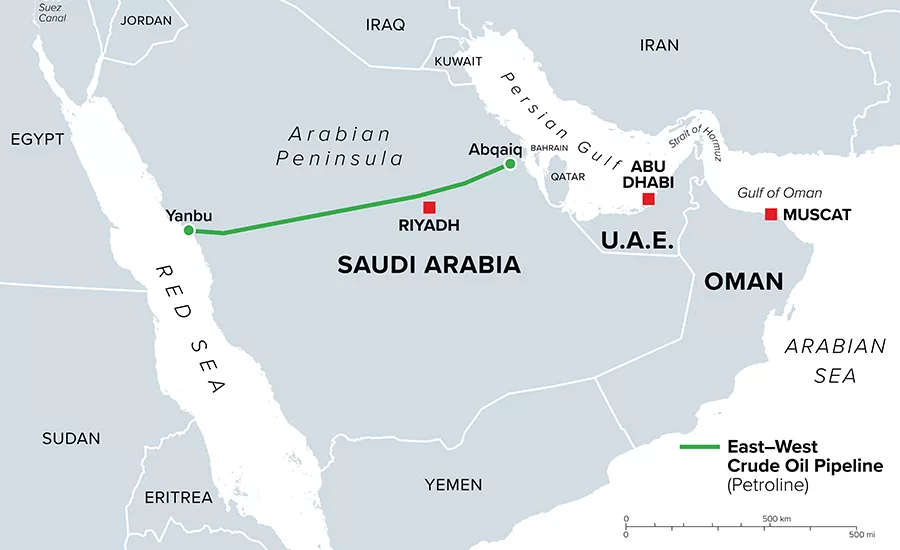
Saudi Arabia restarted its East-West Pipeline on September 22, three sources told Reuters. The line had been shut since September 11 after drone attacks damaged three pumping stations and interrupted crude loadings at Yanbu.
The system can reroute about 4 million barrels per day—roughly 4% of global supply—around the Strait of Hormuz. Kpler data indicated Saudi exports recovered to just over 4 million barrels per day in September from 2.4 million in August.
Why it matters
Prices fell because two tail risks eased at once: physical access to a major bypass improved and the possibility of U.S.–Iran diplomacy returned. Neither development resolves the war-driven supply shock, but both reduce the premium traders pay for worst-case scenarios.
The headline number is only the beginning. Its significance depends on implementation, behavior and the choices institutions make after the announcement. That is why this report separates confirmed figures from scenarios and labels any unresolved claim plainly.
Who wins and who loses
Oil-importing countries, airlines and fuel-intensive manufacturers benefit from relief below $100. Saudi Arabia gains flexibility and export revenue. Producers with higher costs lose some pricing power, while consumers may wait weeks before wholesale moves affect retail bills.
Distribution matters as much as the top-line outcome. Benefits can arrive quickly for well-positioned institutions while costs fall on households, workers, smaller firms or communities with less room to adjust.
The critics’ case
The restart remains vulnerable to renewed attack, and rhetoric from Washington and Tehran can reverse sentiment quickly. A few days below $100 do not establish a durable trend while millions of barrels remain shut in.
The counterargument is that waiting for perfect evidence can obscure a genuine change already visible in the reported numbers. The responsible reading is neither dismissal nor certainty: it is a dated assessment tied to the evidence available on September 23.
What happens next
Watch sustained Yanbu loadings, damage repairs, the next round of mediated talks and the EIA’s inventory path. The agency expects 2026 Brent near $91 on average, but that forecast depends on supply returning.
Readers should expect the picture to change as official documents, follow-up data and implementation details emerge. Signal Post News will treat later revisions as updates, not force them into today’s snapshot.
Related coverage
Continue with our analysis of the Trump–Xi summit, the markets report on oil below $100, and the Federal Reserve rate decision explainer.
Sources
- www.reuters.com: source reporting and reference material.
- www.angelone.in: source reporting and reference material.
- www.reuters.com: source reporting and reference material.
Reporting basis: Fixed September 23, 2026 snapshot. Signal Post News analysis is separated from sourced facts; unresolved or unconfirmed claims are labeled.