developing countries debt crisis 2026
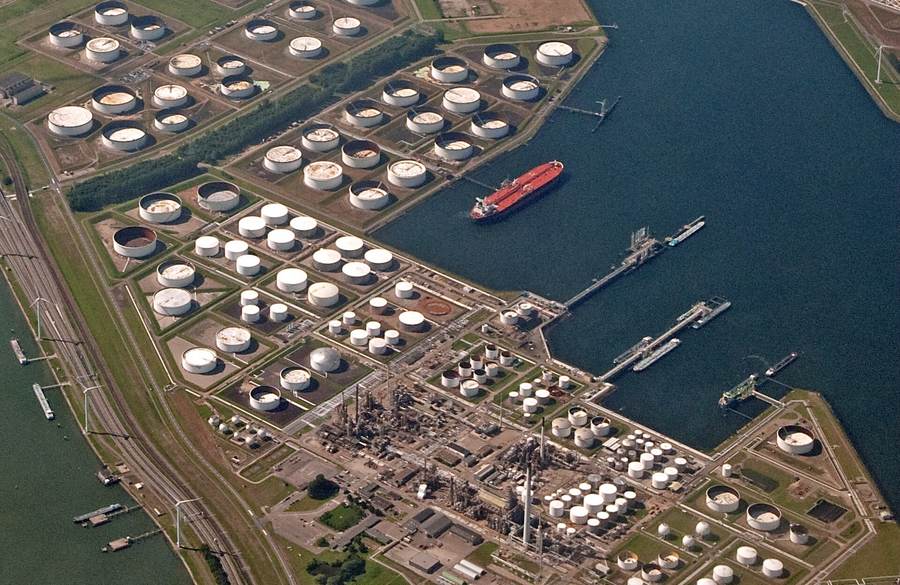
The developing countries debt crisis 2026 is no longer a single problem with a single policy lever. It is the collision of expensive energy, unusually costly government borrowing and a climate shock that threatens food supply at the same time. In an interview reported by Reuters on Friday, U.N. Development Programme administrator Alexander De Croo warned of a “domino effect with many, many countries being pushed into financial distress.”
That warning matters because each pressure amplifies the others. A government that spends more to import fuel has less money to subsidize food or rebuild after floods. If it borrows to close the gap, today’s high yields make the rescue costlier. If drought then cuts harvests, the food bill rises again. The balance-sheet problem quickly becomes a household crisis.
De Croo told Reuters that conditions were approaching the scale of the pandemic-era shock, when the Group of 20 suspended some debt-service payments for the poorest countries. Yet he stopped short of calling for a new debt-relief round. That restraint is the central tension ahead of the IMF–World Bank annual meetings in Bangkok from October 12 through 18: the diagnosis is urgent, while the prescribed international response remains cautious.
Why this matters: three shocks are landing on the same budget
The issue is not merely that oil, interest rates and weather are all bad at once. It is that they compete for the same scarce public money. Reuters reported that many governments initially shielded citizens from oil-price surges. Those measures may blunt immediate hardship, but subsidies and tax cuts drain treasuries. With debt already rising and relief not in sight, the buffer gets thinner with every month of elevated prices.
UNDP surveys cited by Reuters found that the war had “morphed from a regional conflict to a crisis” affecting approximately 100 countries. That figure should not be read as 100 sovereign defaults. It describes the reach of the economic transmission mechanism: fuel import bills, freight costs, inflation, exchange-rate pressure and lost fiscal space. The vulnerability differs sharply from country to country.
The poorest households absorb the final shock. They spend a larger share of income on food, fuel and transport and have fewer savings. De Croo said governments should focus on protecting the most vulnerable, but he also acknowledged that diversification and adaptation take time. In his words, countries are in a “really tough, tough spot.”
Government borrowing costs at record highs in living memory
Reuters described sovereign borrowing costs as their highest in several decades, driven by inflation fears as the Iran war pushes up energy prices. The phrase “multi-decade highs” is more important than any single yield: it means many finance ministries are refinancing debt in a market far less forgiving than the one in which the debt was accumulated.
For richer states, a higher rate may slow investment. For a low-income borrower, it can close market access altogether. Even without a missed payment, the state may be forced to choose between servicing creditors and financing imports, clinics, schools or disaster response. That is how a liquidity squeeze becomes a development reversal.
Readers tracking the direct fuel channel can see the same pressure in our explainer on why the Iran war is raising gas prices through Hormuz risk. The link is not only about retail gasoline: shipping insurance, electricity and fertilizer can all move with energy markets.
Super El Nino 2026 food insecurity risk
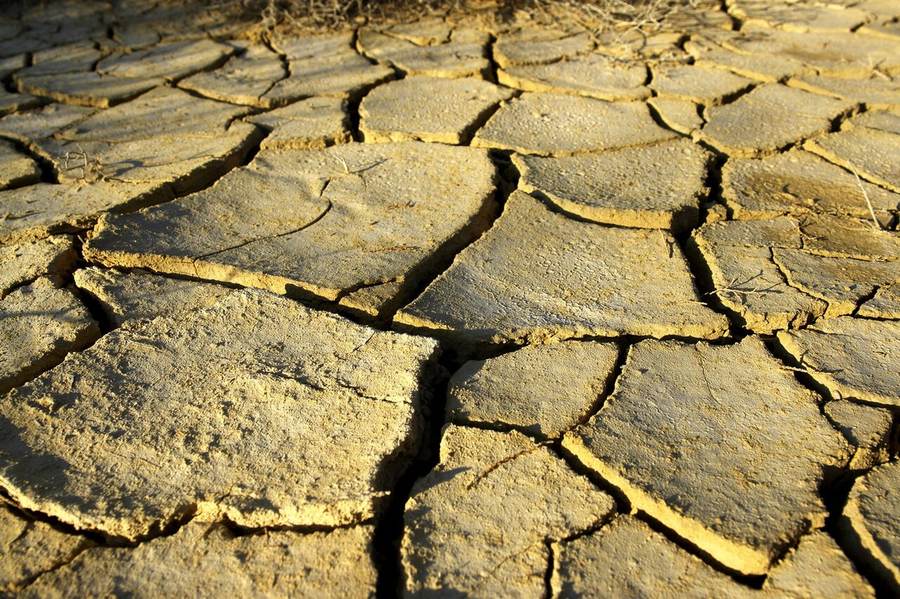
UNDP expects the strongest El Niño since 1950 to bring flooding to some regions and drought to others, Reuters reported. Its projection is that 49 million additional people could face food insecurity by the end of 2027. “Additional” is the essential word. The estimate is an increment on top of an already large global population facing uncertain access to adequate food, not a total count.
The projection is also a scenario, not a census of future victims. Weather patterns, harvest outcomes, trade policy, aid funding and local conflict can change the result. But the risk is asymmetric: poor harvests and damaged roads arrive quickly; irrigation systems, crop diversification and stronger safety nets take years. Signal Post News previously examined the regional stakes in the California super-El Niño emergency, one part of a much wider climate pattern.
How the world reached another pandemic-scale debt warning
The 2020 parallel is instructive but incomplete. At the height of the pandemic shock, the G20 launched the Debt Service Suspension Initiative, allowing eligible poor countries to defer some official bilateral debt payments. The program was designed as breathing room, not debt cancellation, and private creditors were not compelled to participate on equal terms.
Today’s stress is more fragmented. It comes through energy imports, high global rates and climate losses rather than one synchronized public-health shutdown. Creditors are also more diverse, ranging from traditional governments and multilateral lenders to bondholders and newer bilateral lenders. A one-size suspension is therefore harder to negotiate, even if the human case for relief is familiar.
This helps explain the caution in De Croo’s message. UNDP can identify development damage and advocate protection for vulnerable people, but a debt package requires agreement among creditor governments, financial institutions and borrowers. Warning without demanding relief may preserve diplomatic room. Critics will reasonably answer that procedural caution is itself costly when interest accumulates faster than negotiations.
Who wins, who loses — and where the trade-offs sit
Potential winners: exporters and creditors with leverage
Oil exporters can collect higher revenues when prices rise, provided production and shipping continue. Creditors holding floating-rate or newly issued high-yield debt can also earn more, assuming borrowers pay. Countries with strong currencies and ample reserves may capture investment fleeing riskier markets.
But “winner” is conditional. Oil exporters can still suffer from war disruption, weaker global demand or higher import prices. Creditors earn a premium only until debt becomes unsustainable. What looks like compensation for risk can become a restructuring loss.
Likely losers: import-dependent states and the poorest households
The clearest losers are countries that import fuel and food, borrow in foreign currency and have limited tax capacity. A stronger dollar or weaker local currency makes the same debt payment larger in domestic terms. Energy subsidies protect consumers but weaken the sovereign balance sheet; removing them repairs the budget but can trigger a sharp cost-of-living shock.
Within those countries, the burden is regressive. Wealthier households can reduce discretionary spending or draw on savings. Poorer families cut meals, school attendance, medical care or farm inputs. Those choices can leave damage long after energy prices normalize.
The criticism: a domino warning without a debt-relief demand
The sharpest critique of De Croo’s position is straightforward: if the risk resembles the pandemic moment, why not ask the G20 for pandemic-style relief? Reuters specifically noted that he did not call for a new round. Advocates of faster restructuring may see that as a mismatch between rhetoric and policy.
The counterargument is that broad payment suspension can be poorly targeted, may shift rather than erase obligations and could complicate future market access. Creditor governments may also resist relief that does not bind private lenders. Both concerns are real. So is the danger that waiting for a perfectly comprehensive framework leaves vulnerable governments cutting essential spending now.
What the headline numbers do — and do not — tell us
Approximately 100 countries affected signals geographic breadth, not identical severity. Forty-nine million more people facing food insecurity by end-2027 is an expected increase tied to climate and economic pathways, not a guaranteed outcome. Borrowing costs at multi-decade highs describes a broad financing environment; it does not mean every government pays the same rate or faces immediate default.
Taken together, however, the figures describe correlation with a mechanism. Energy inflation raises import and subsidy bills. High rates raise debt-service costs. El Niño threatens crops and infrastructure. Countries with thin reserves experience all three as pressure on the same pool of dollars. That is the domino effect: not automatic collapse, but a sequence in which each shock removes the defenses against the next.

IMF World Bank meetings Bangkok October 2026: what to watch
Finance ministers and central-bank officials are scheduled to gather in Bangkok on October 12–18 for meetings covering the global economy, artificial intelligence and climate, according to Reuters and WE News English. The most consequential outcome may not be a single communiqué, but whether members align emergency liquidity with longer-term debt treatment.
Scenario one: targeted debt relief returns
A coordinated package could suspend some payments for the most exposed countries, accelerate restructurings or expand grant finance for climate and food shocks. That would create immediate fiscal room. The hard questions would be eligibility, burden sharing and whether private and bilateral creditors participate on comparable terms.
Scenario two: more IMF lending, but no broad suspension
The likelier incremental path is additional concessional lending, faster program approvals and stronger social-spending floors. This can prevent disorderly adjustment, but loans add obligations even when terms are favorable. Without restructuring, fresh liquidity may buy time rather than restore solvency.
Scenario three: El Niño compounds the energy shock
If severe droughts and floods arrive while energy prices and borrowing costs remain elevated, humanitarian needs could rise faster than public budgets and aid systems can respond. Food exporters might impose restrictions, currencies could weaken and governments could deepen subsidies they cannot sustain. That is the adverse case behind UNDP’s warning.
A better outcome remains possible: lower energy prices, effective crop adaptation, targeted cash support and pre-emptive financing could keep the projected food-insecurity increase below 49 million. The forecast should motivate prevention, not be mistaken for destiny.
The bottom line
De Croo’s warning is best understood as a timing problem. Developing economies are being asked to adapt, diversify and protect their poorest citizens precisely when the money to do so is most expensive. Oil exporters and well-capitalized creditors may have leverage, but widespread distress ultimately damages trade, migration stability and global growth.
Bangkok will test whether major economies treat this as a set of separate emergencies or one connected balance-sheet crisis. If officials wait until defaults, hunger and climate damage become undeniable, the policy response will be more expensive and less effective. The pandemic lesson was that early breathing room matters. The unanswered question is whether the G20 is willing to apply it before the next domino falls.
Sources and reporting notes
This analysis distinguishes UNDP projections and De Croo’s statements from Signal Post News analysis. The food-insecurity and affected-country figures are forward-looking estimates, not final counts.