Yemen civilian casualties
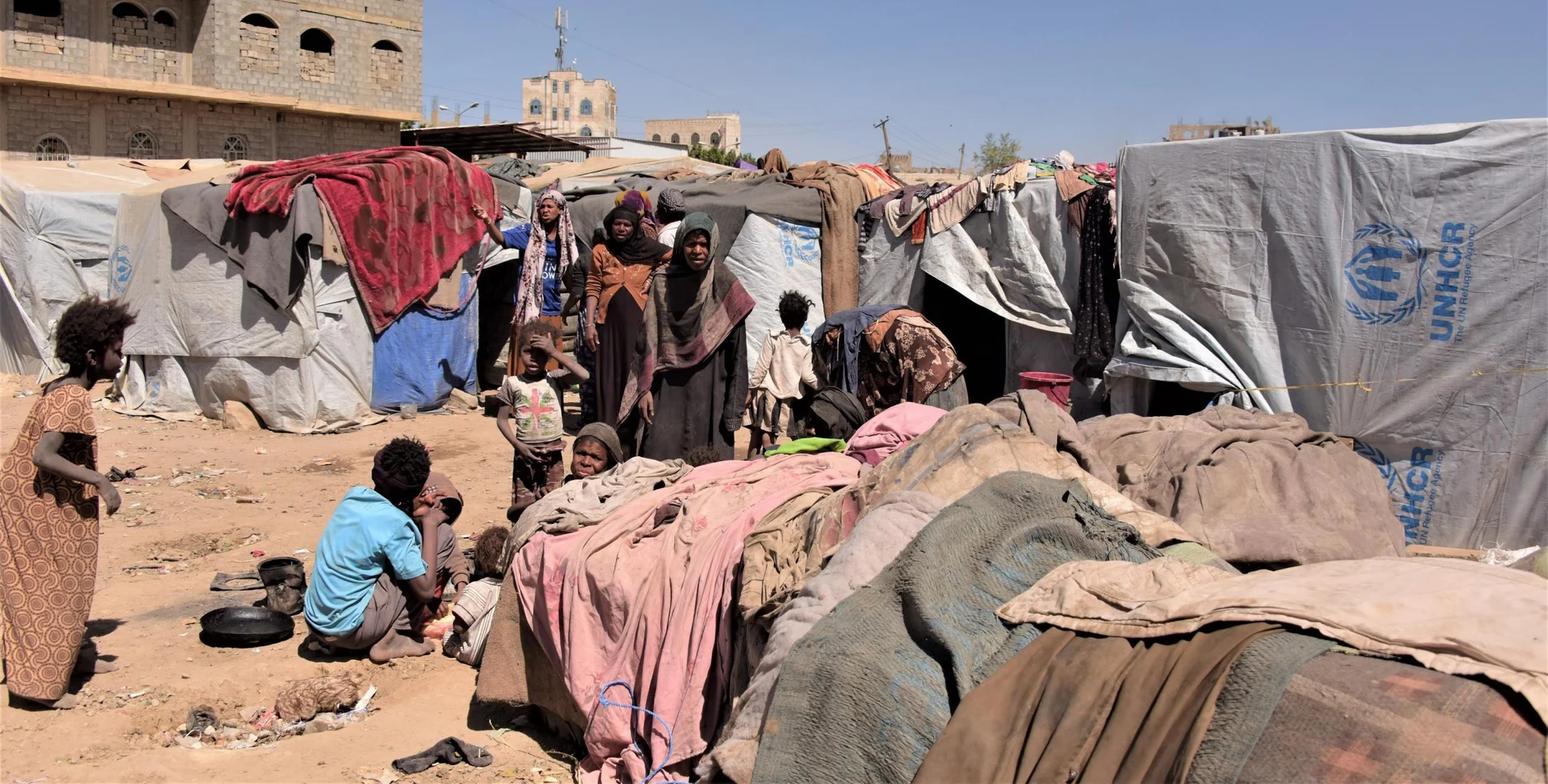
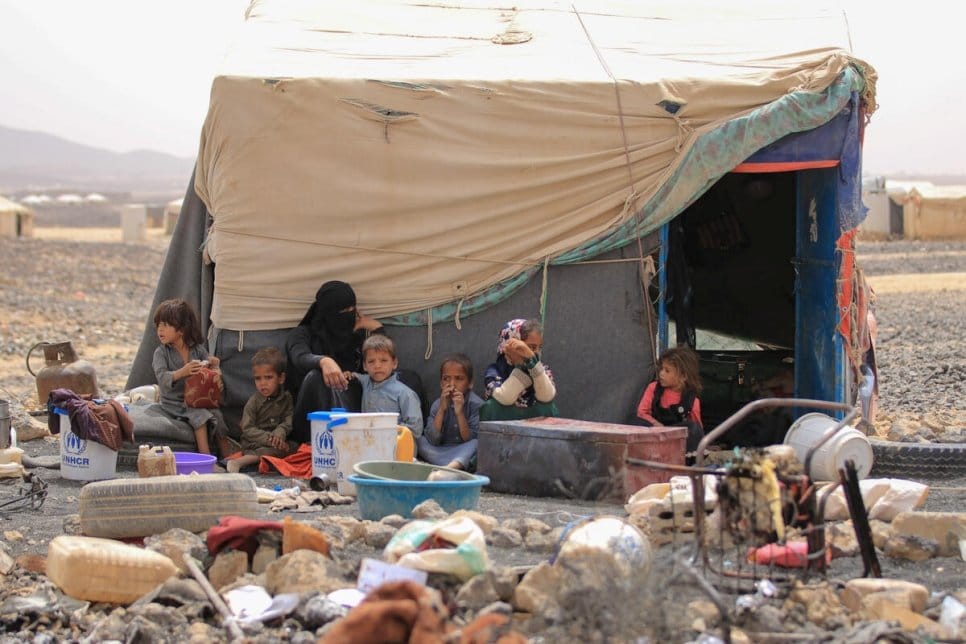
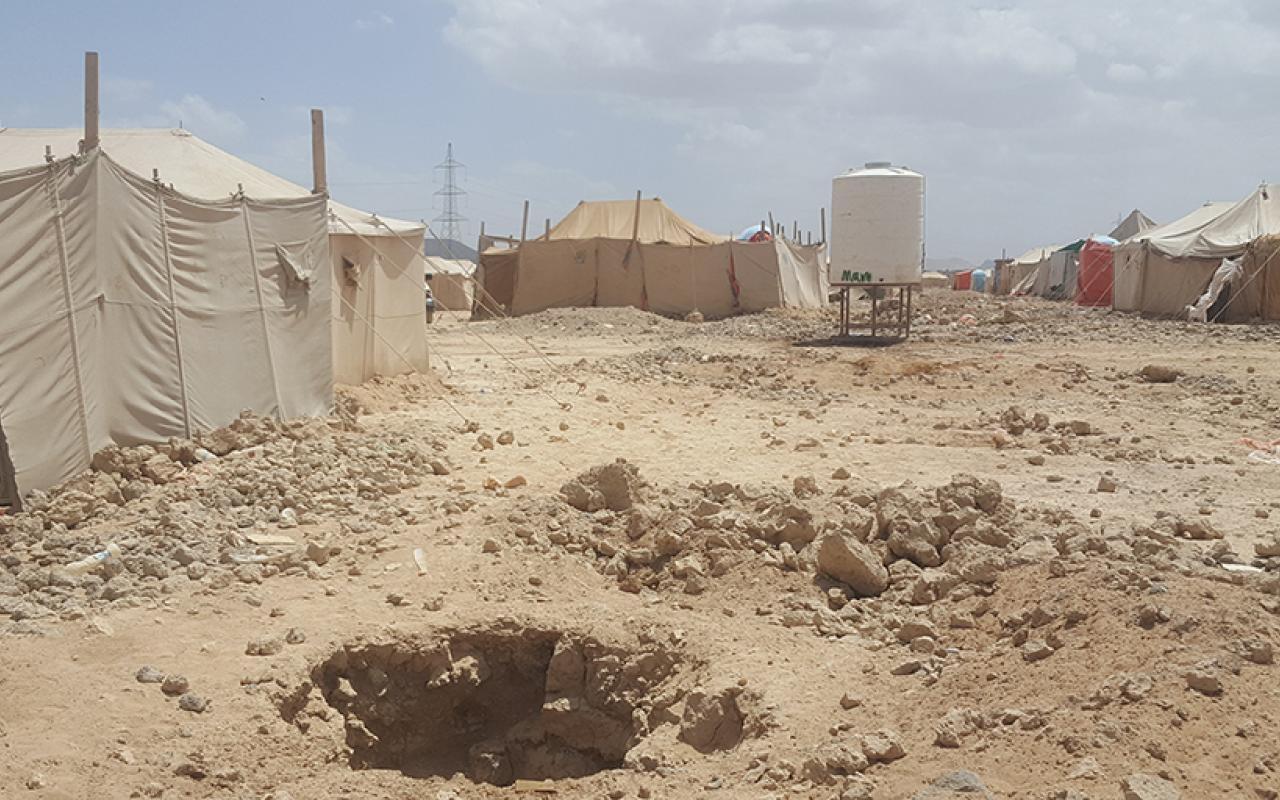
Yemen civilian casualties are surging again. On Thursday, September 24, 2026, UN High Commissioner for Human Rights Volker Türk said civilians are “bearing the brunt” of a sharp escalation in Yemen's civil war. His office documented 32 civilians killed since the start of August — 15 children and three women among them — and said at least 125 civilians had been killed or wounded since a new wave of attacks by the Ansar Allah movement, commonly known as the Houthis, began at the start of the month.
About 125,000 people have been displaced by the renewed violence, with some fleeing across the Red Sea to Africa. Türk's statement is the most authoritative international verdict yet that the 2022 truce, which had largely frozen Yemen's main front lines, has effectively collapsed. It does not settle every disputed claim in a war where all sides contest attribution. It does establish a documented civilian toll and a human-rights standard against which the next phase will be judged.
The toll, in the UN's own documentation
The Office of the UN High Commissioner for Human Rights counted 32 civilians killed since August, including 15 children and three women. Children therefore account for nearly half of the documented dead. Across the wider flare-up, the office recorded at least 125 civilians killed or wounded.
The office also cited three reported Ansar Allah attacks on sites hosting internally displaced people in Ma'rib Governorate — on August 7 and September 7 and 9. In the August 7 incident, a missile hit the Jaw al-Naseem displacement camp and injured six civilians, including a child. These are precisely the places where people who have already fled war go in search of safety; an attack there collapses the distinction between front line and refuge.
“As if the people of Yemen haven't already endured enough misery, civilians are now bearing the brunt of this latest upsurge in fighting. Many are being forced to flee for their lives.”
Türk said: “Civilians must never be targeted, and their protection must be the overriding priority.” He reminded all warring parties that international humanitarian law requires them to distinguish civilians from combatants, and to respect proportionality and precaution when planning and carrying out attacks.
One limit matters: the UN did not provide a breakdown assigning the 32 deaths to individual parties. Its documentation establishes the scale of civilian harm, not a complete ledger of responsibility. That distinction is essential in a conflict where both Houthi and Saudi-backed sources make claims that are difficult to verify independently.
The statement also brought institutional coercion into the same frame. More than 70 UN personnel are detained by the Houthis, some of them held for years. Türk demanded their immediate and unconditional release. Their detention is not a separate diplomatic footnote: it directly weakens the monitoring, relief and protection system on which Yemeni civilians depend.
Why this matters
This is the first time since the latest escalation began that the UN's top human-rights official has put his office's name behind a casualty count. That converts scattered battlefield claims into a documented record capable of informing future investigations and accountability processes. The count may change as access improves, but it now has an institutional chain of evidence.
The child share of the dead — 15 of 32 — is an alarm in its own right. It does not by itself prove intent or identify the responsible force. It does indicate that weapons are reaching civilian spaces with effects that may be indiscriminate or disproportionate, precisely the conduct that the principles of distinction, proportionality and precaution are designed to prevent.
The detention of more than 70 UN staff compounds the damage. Yemen needs independent monitors to verify attacks and humanitarian workers to move food, medicine and shelter. Detaining those personnel obstructs both functions, leaving the country with fewer witnesses and less aid at the moment both are most needed.
Finally, displacement on this scale is not contained by a border. More than 125,000 people have fled their homes, and some have taken boats across the Red Sea to Africa. The separate UNHCR warning on Yemen's displacement crisis shows how insecurity in Taiz and along the coast becomes a protection emergency in Djibouti and across the Horn of Africa.
How we got here
Yemen's civil war froze under a UN-brokered truce in 2022. The agreement formally expired, but large-scale front-line movement remained limited and cross-border attacks fell. That uneasy equilibrium lasted until August, when Houthi forces launched a coastal offensive, seized the port of Mocha and pushed toward the Bab el-Mandeb Strait.
Saudi Arabia answered with hundreds of airstrikes. Fighting then flared along old front lines around Taiz, including an overnight Houthi attempt to gain positions on the Hejat al-Abd pass, the mountain corridor carrying the Taiz–Aden road. Saudi-backed government forces said they repelled that attack; our analysis of the Taiz–Aden road battle explains why holding one pass matters without reversing the larger coastal advance.
Türk had already warned in mid-August that at least 17 civilians had been killed in Houthi attacks in government-held areas since August 6. The new figure of 32 deaths means the documented civilian toll has roughly doubled in five weeks. That trajectory, more than any single day's battlefield map, is what gives Thursday's statement its urgency.
Who gains, who loses — and what each side says
The Houthis gain territory and leverage. Control of Mocha and pressure around Bab el-Mandeb strengthen their hand at any negotiating table and deepen their ability to threaten a strategic shipping route. But the gains carry a cost in international legitimacy when UN monitors document attacks on displacement sites and when the movement continues to detain UN personnel.
The Saudi-backed government remains on the defensive while holding Aden and key approaches toward it. Saudi air power may slow the Houthi advance, but it also places Riyadh under scrutiny when civilians are killed. Saudi Arabia denies targeting civilians, and its Geneva mission did not immediately comment on Türk's statement. The Signal Post News review of Saudi airstrikes and civilian deaths separates documented incidents from claims that remain unverified.
Houthi spokesperson Mohammed Abdulsalam rejected the UN statement outright. He said the human-rights office was “no longer impartial,” called its allegations false and unsupported, and accused it of ignoring Saudi bombardment of a correctional facility in al-Hazm in al-Jawf, as well as homes and schools. Those counterclaims require independent investigation too; rejection of one alleged violation does not resolve another.
Iran's backing of the Houthis and Saudi Arabia's military role make this a regional proxy contest as well as a civil war. The belligerents count territory, leverage and deterrence. Civilians lose on every ledger: death, injury, displacement, hunger and the disappearance of institutions able to document what happened.
The numbers in context
Before August, Yemen's war was often described as frozen: the conflict had not ended, but large offensives were rare and casualties were intermittent. The new count remains smaller than tolls in several other regional wars. Gaza health officials say at least 1,400 Palestinians have been killed since that conflict's October 2025 ceasefire. In Sudan, the UN says drone attacks by both sides killed more than 1,000 civilians in the first half of 2026, including about 10 people in a single strike on a courtroom in Um Ruwaba on September 8.
Those comparisons do not rank suffering. They show why the UN is alarmed by direction as well as scale. Yemen's documented civilian deaths have roughly doubled in five weeks; at least 125 civilians have been killed or wounded; and 125,000 people have been displaced. Both sides allege that hundreds have died in recent weeks without providing enough detail for independent confirmation. The 32 documented deaths are therefore best understood as a floor, not a ceiling.
- 32 civilians killed since August: the OHCHR-documented toll, including 15 children and three women.
- 125 or more killed or wounded: the broader documented civilian toll in the flare-up.
- 125,000 displaced: the reported movement of people since renewed fighting began.
- Three attacks on displacement sites: incidents reported in Ma'rib on August 7 and September 7 and 9.
- More than 70 UN personnel detained: staff held by the Houthis, some for years.
What happens next
Three paths are visible, and none is painless.
1. A return to pre-2022 war intensity
If the coastal offensive continues toward Taiz and Aden, Saudi-backed forces are likely to answer with more air power and ground counterattacks. That would turn the current escalation into a full resumption of the old war, with the greatest risk concentrated around roads, ports and densely populated urban approaches.
2. A regionally brokered de-escalation
Saudi Arabia and Iran both have reasons to avoid a wider Red Sea confrontation that threatens shipping through Bab el-Mandeb. A ceasefire built through regional channels could halt the advance before it becomes strategically irreversible. Any durable arrangement would need monitoring, humanitarian access and enforceable protections for civilians rather than another informal pause.
3. Frozen lines with continued civilian bleeding
The likeliest near-term outcome is a grinding middle path: front lines harden after limited gains, but missiles, drones and airstrikes continue. That would preserve a semblance of military stalemate while steadily enlarging the civilian toll.
Winter will compound the misery of displacement. Accountability pressure will grow if OHCHR continues to publish documented totals. The fate of the more than 70 detained UN staff is the immediate litmus test of whether any party will heed Türk at all: releasing them would not end the war, but continuing to hold them would show that appeals to protect the very people documenting and relieving civilian harm are being ignored.
Türk's statement does not end the war. It does end the ambiguity about whether the world is watching — and it puts every party on notice that the civilian ledger is now being kept in Geneva.
Cited sources
- Reuters, September 24, 2026 — “UN rights chief says civilians are bearing the brunt of fighting in Yemen”
- Office of the UN High Commissioner for Human Rights, September 24, 2026 — “Yemen: Türk decries deepening conflict and appalling impact on civilians”
Reporting cutoff: September 24, 2026. Verification note: OHCHR did not assign the full documented death toll to individual parties. Claims by Saudi and Houthi representatives remain attributed where independent confirmation is unavailable.