UN Security Council Ukraine emergency meeting
The UN's human rights chief called the scale and manner of Russia's strikes “reprehensible,” the IAEA reported drone incidents at Zaporizhzhia, and aid officials warned the attacks on energy infrastructure could make winter catastrophic for millions.
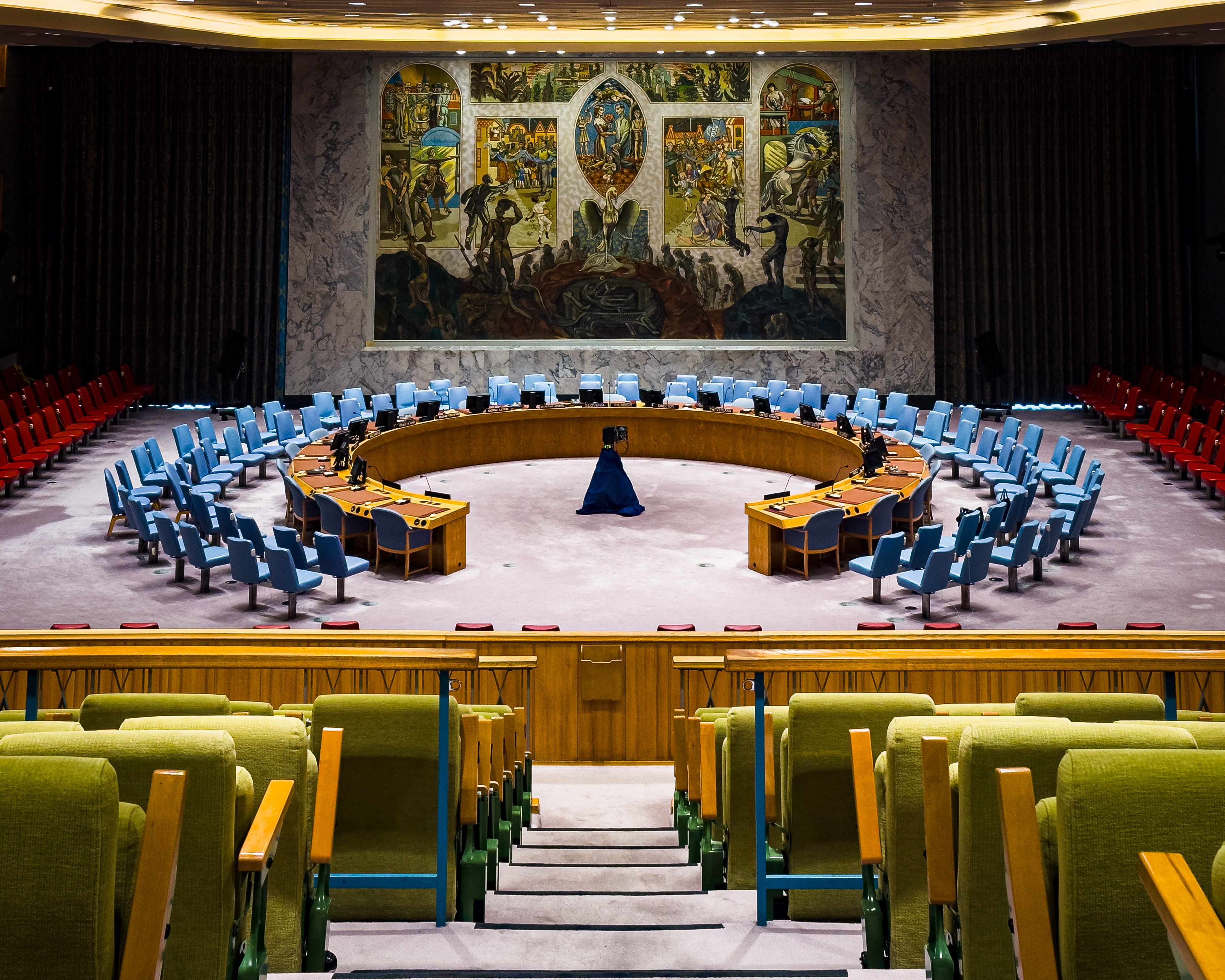
The UN Security Council Ukraine emergency meeting on Friday laid bare a grim week for civilians: more than 100 killed and at least 429 injured across Ukraine in seven days, as Russian missiles, drones, glide bombs and ballistic weapons struck homes, buses, hospitals and power plants. UN human rights chief Volker Türk told the Council the scale and manner of the attacks was “reprehensible.” The session, requested by Ukraine and convened under Greece's presidency, also heard that the IAEA received reports of drone incidents at the Zaporizhzhya Nuclear Power Plant this week — and that repeated strikes on electricity substations have brought rolling blackouts back to Kyiv as winter approaches.
Track it live: follow the conflict on the live Ukraine war map tracker.
What the briefers told the Council
Türk's intervention was the sharpest of the session. Attacks were hitting residential areas, public transport and essential infrastructure, he said — and deliberate attacks on civilians could amount to war crimes, with those responsible held to account. In the language of a UN human rights chief who usually weighs every adjective, “reprehensible” landed like a verdict.
OCHA's Gemma Connell, briefing for aid chief Tom Fletcher, said “the past 48 hours have brought more death and destruction across Ukraine.” Residential buildings in Pryluky were hit, killing families including children. Homes in Kyiv and Kremenchuk were damaged; Kyiv's electricity and water supply were disrupted. In Kramatorsk, public buses were struck, killing and injuring civilians. Scheduled and emergency power cuts are already back — including in Kyiv.
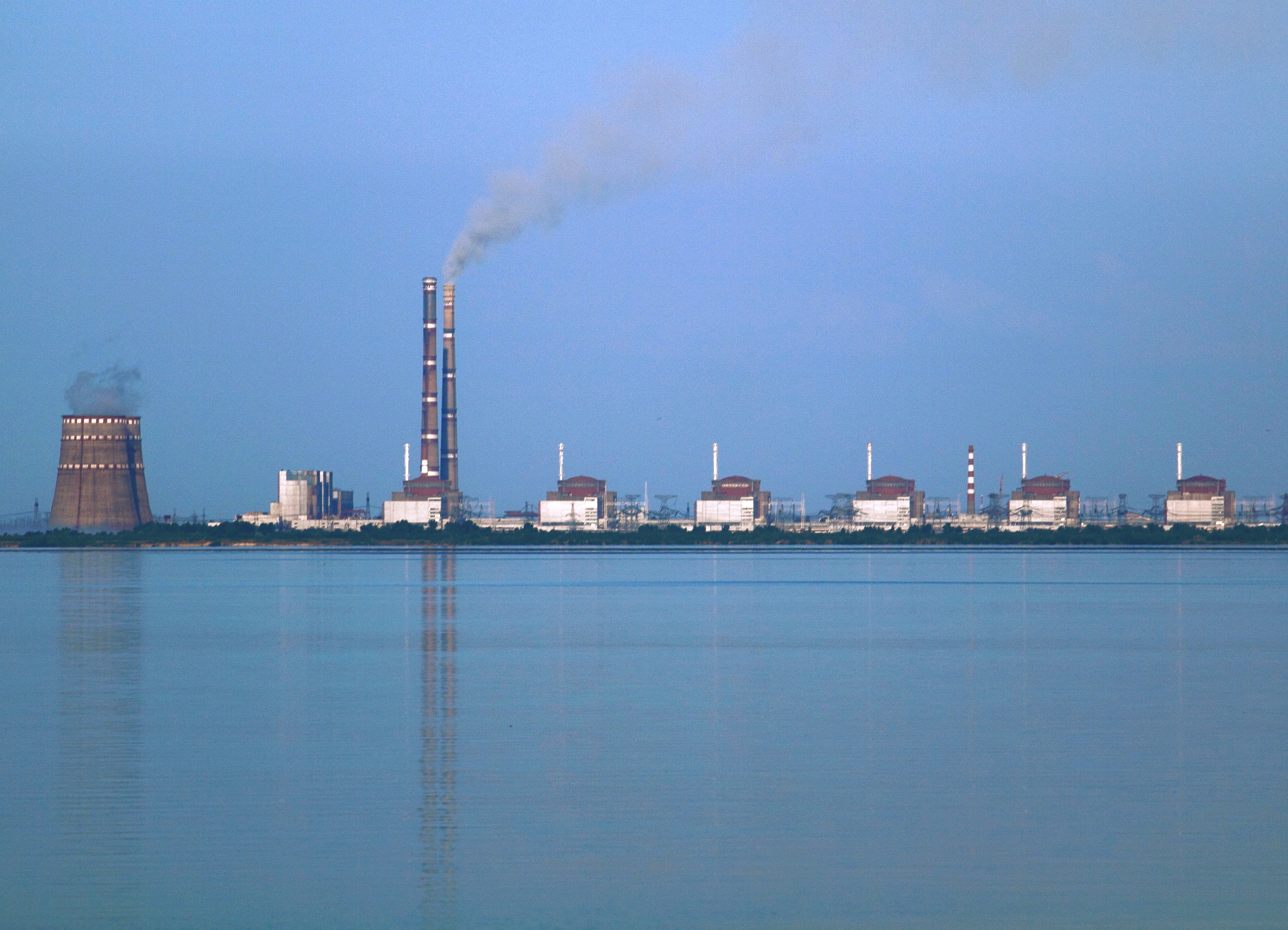
Then the nuclear flag: the IAEA received reports of drone incidents earlier this week at Zaporizhzhya, Europe's largest nuclear power plant. It was a reminder that the war keeps parking its most dangerous moments beside the continent's biggest civilian reactor.
The EU's Ambassador Stavros Lambrinidis told the Council that Russia's October 7–8 attacks used drones, glide bombs, cruise missiles, ballistic and hypersonic missiles — “targeting and killing dozens of civilians, including children, on a daily basis” — and that the intentional targeting of energy infrastructure, warehouses and commercial shipping in the Black Sea violates international humanitarian law.
Russia's delegation rejected that characterization, as it has at previous Council sessions: Moscow's long-standing position is that UN briefings are biased and that its strikes target military objectives. The charge and the denial now arrive at the Council like a ritual — the numbers, verified by UN data, are what survive the argument.
A week of devastation, in numbers
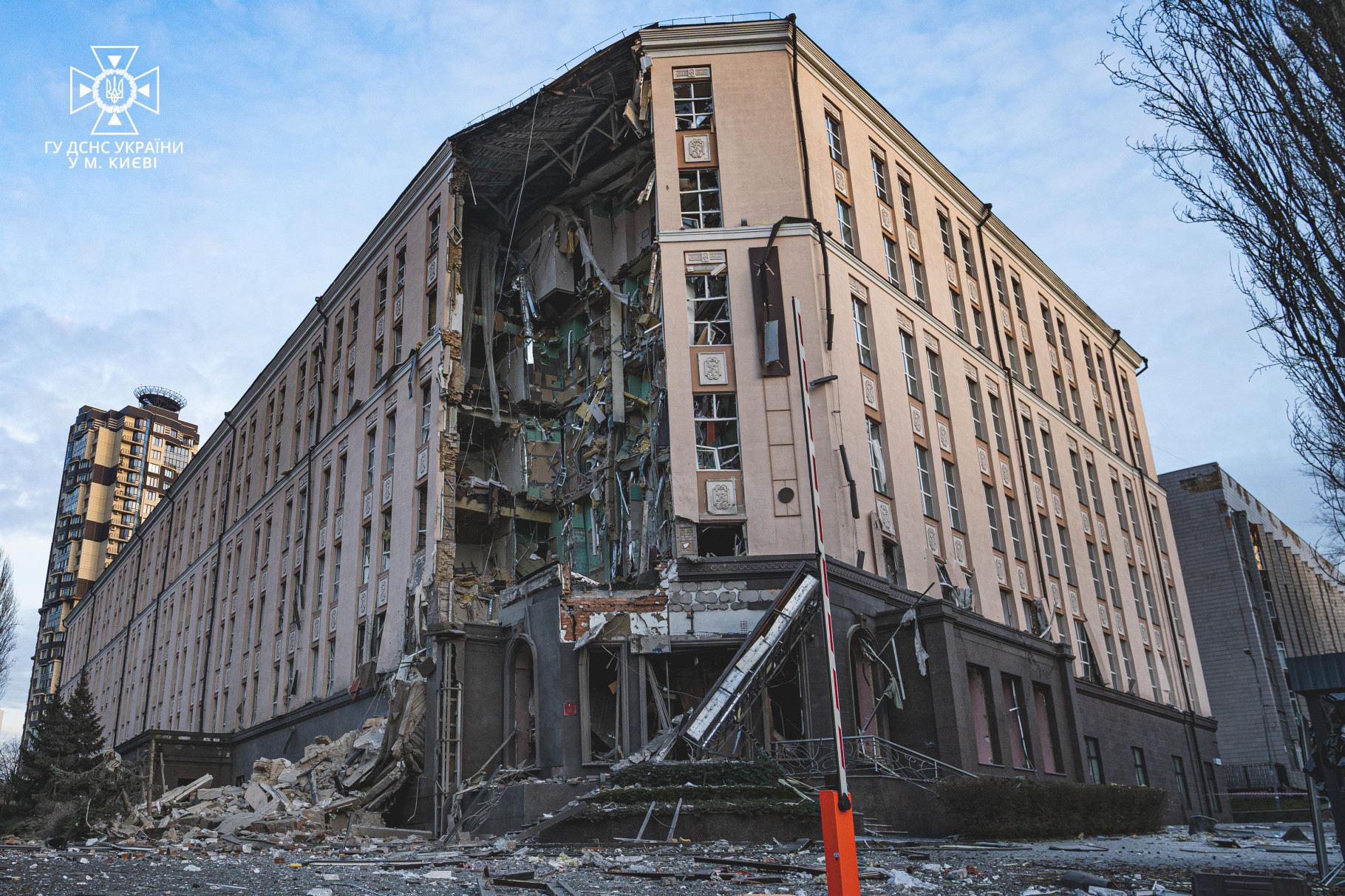
The week's toll — 100+ killed, 429+ injured — is not an anomaly within 2026. The UN recorded 15,280 civilians killed or injured in the first eight months of the year, a pace that puts 2026 on course to be the deadliest year for Ukrainian civilians since 2022. The week's deadliest single incidents included the Pryluky residential strike and the Kramatorsk bus attacks, where around 30 people died in double strikes on civilian transport.
The balance of the ledger runs both ways. Türk also flagged Ukrainian attacks killing Russian civilians: the same week saw two killed in Belgorod, per Russian reports, and nine injured in Kaluga. A Council briefing that only counted one side's dead would not have been credible — and Türk, to his credit, did not deliver one.
The quieter number is the economic one. Every substation hit this autumn is infrastructure Ukraine must rebuild before temperatures fall, and each repair competes with a military budget for the same concrete, copper and crews.
Why this matters
Timing is the story. This Council session landed the same day as the six-hour US–Ukraine–Europe Miami peace talks aimed at forging a unified plan. Diplomacy in Florida, devastation in Ukraine: the two tracks of the same week. The toll data is the subtext of the talks — negotiators are racing winter and the casualty curve at the same time.
Legally, the session changes almost nothing. Russia holds a veto, so no binding resolution can emerge from that chamber; the meeting's real audience was never the fifteen ambassadors at the table. It was public opinion and donor capitals — the governments being asked to fund the $358 million Winter Response Plan while their own budgets tighten.
And then there is Zaporizhzhya. Drone incidents at a civilian nuclear plant add a dimension that battlefield attrition never had: one miscalculation there, and the casualty debate becomes a contamination debate. The IAEA's quiet mention may turn out to be the session's most consequential sentence.
Background: the energy war comes for winter
The pattern is by now seasonal. Since the autumn of 2022, Russia has run a systematic campaign against Ukrainian electricity substations and power plants each fall, aimed at freezing civilian infrastructure into the new year. Connell's warning — that “no amount of preparedness can substitute for protecting the infrastructure” — echoes the winter of 2022–23, when millions sat in darkened apartments waiting for the grid to come back.
The UN's $358 million Winter Response Plan, targeting more than 2 million vulnerable people with heating, shelter, food, healthcare and cash, shows what the aid system expects: not just damage to repair, but mass displacement to manage.
Meanwhile the target set is widening on both sides. Ukraine's long-range campaign has struck Russian energy infrastructure — including the Samara refinery — and this week hit Yandex data centres in Sasovo and Kaluga. Each side is reaching deeper into the other's civilian-adjacent economy, and each reach gives the other a reason for the next.
Who gains, who loses
The beneficiaries are familiar: defense manufacturers on both sides of the conflict, and those in every capital who argue that only battlefield pressure produces negotiations. Moscow's record war spending — on a scale suggesting years more of conflict — is a budget that prices in escalation, not peace.
The losers start with Ukrainian civilians and extend outward. The aid system itself is fraying: funding cuts have already forced NGOs to put women and girls on waiting lists, per UN Women. And European energy security takes a secondary hit as Black Sea warehouses and commercial shipping are targeted, choking one of the region's key trade arteries.
Critics read the strikes two ways, and both deserve airtime. One camp argues the attacks are designed to pressure Kyiv into concessions before winter bites. The other argues they harden Ukrainian resolve and unlock more Western aid — that every blackout in Kyiv is a budget line in a Western parliament. The evidence of four winters suggests both dynamics run simultaneously.
What happens next: three scenarios
1. Escalation through winter
Continued grid strikes produce mass internal displacement, the $358 million plan is overwhelmed, and the Council is back in the chamber with a humanitarian resolution that Russia vetoes. The pattern of the last three winters, extended.
2. A talks breakthrough
The Miami track produces a unified proposal within weeks, presented to Russia before winter — and the week's casualty data becomes leverage for security guarantees. Possible, but it requires Moscow to accept terms written from a casualty ledger it disputes.
3. Frozen front, frozen grids
Neither side yields. Ukraine endures with generators and rolling cuts; the IAEA stays on edge over Zaporizhzhya. This is the base case most analysts expect: a war that neither escalates out of control nor ends, fought increasingly against civilian infrastructure.
Whichever scenario unfolds, the week's 100-plus dead are already in the ground. The numbers the Council debated on Friday are a preview of winter's stakes — and a measure of what diplomacy has left to prevent.
Sources
- UN News: Security Council LIVE — cycle of escalating attacks on civilians in Ukraine “must end now” (9 Oct 2026)
- EU Delegation to the UN: EU statement at the UN Security Council briefing on Ukraine (9 Oct 2026)
- OCHA: Repeated attacks in Ukraine are testing civilians' ability to adapt (9 Oct 2026)
- Anadolu Agency via europesays: UN warns of worsening humanitarian crisis in Ukraine as winter approaches (10 Oct 2026)