russia military spending 2026
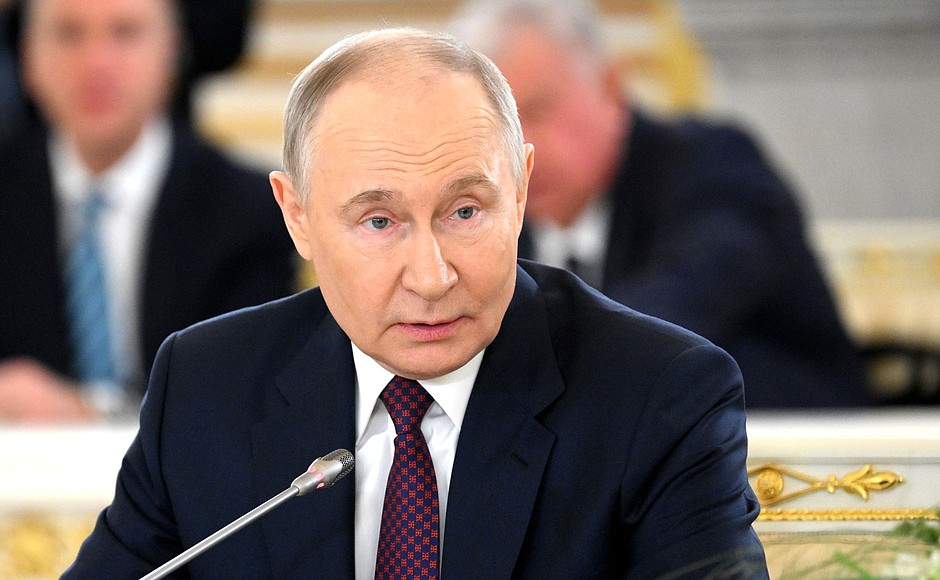
MOSCOW — A budget can reveal strategic intent more clearly than a speech. Russia's draft 2027–2029 federal plan, submitted to the State Duma on October 1, says the Kremlin expects to keep paying for war on a scale unmatched since the Soviet Union collapsed. The published defence line rises from 12.1 trillion rubles planned for 2026 to 17.1 trillion in 2027. Actual 2026 spending remains classified, so the clean public comparison is between planned figures, not an audited final total.
Officials then pencil in only a slight easing: 16.6 trillion rubles in 2028 and 16.3 trillion in 2029. That is roughly 50 trillion rubles over three years. Bloomberg calculated that the 2027 figure is more than 40% above the 2026 published plan and nearly 380% above the year before the full-scale invasion. Reuters, comparing it with an earlier 2027 projection of 13.5 trillion rubles, described a 27% upward revision. Both comparisons illuminate the same decision: the spending path is being raised, not wound down.
Why this matters: the clearest sign Russia is preparing for a long war
The Putin war budget matters because it turns an open-ended political posture into a three-year financial commitment. Moscow can change the numbers later, and it often does, but a government does not plan weapons procurement, factory modernization, soldiers' pay and family support through 2029 if it expects the military burden to disappear soon. This is the fiscal architecture of Russia preparing for long war.
Kirill Rogov, who leads the Vienna-based research group Re: Russia, told Bloomberg that “Putin is raising the stakes.” The message, in his reading, is that Russia “will continue investing in the war, and Europe has to decide whether it's prepared to sustain the same level of support” for Ukraine. That formulation captures why the budget reaches beyond Russia's borders. It is designed not only to supply the front but to test whether European governments can maintain money, weapons and political attention for as long as Moscow can.
The pressure is asymmetric. European budgets are larger in aggregate, but they are negotiated across democracies with competing social needs, election calendars and different views of risk. The Kremlin concentrates decisions. A visible Putin years of war plan can therefore be used to cultivate doubt: not that Russia can outspend NATO in absolute terms, but that it may be willing to tolerate pain for longer.
That should not be confused with evidence of an imminent Russian attack on NATO. Janis Kluge of the German Institute for International and Security Affairs told Bloomberg that changing battlefield demands and Ukraine's deeper strikes inside Russia are important cost drivers. The budget shows capacity and intent to sustain the Ukraine war. It does not, by itself, prove a timetable for a wider conflict.
The numbers, in context: from the 2021 baseline to 17 trillion rubles for defence
The scale of the Russian military budget record becomes clearer when measured against several baselines. Against the 12.1 trillion rubles openly planned for 2026, the 2027 allocation is more than 40% higher. Against the final prewar year, it is nearly 380% higher. Defence alone would take at least 35% of federal spending, according to the draft figures reported by Reuters and The Times. Add national security — police, the National Guard and the security services — and the share rises to about 43%.
In pound terms, The Times estimated that the 17.1 trillion ruble allocation would be more than double annual British defence spending. The United States still spends far more. That contrast is essential to any answer to how much does Russia spend on war: exchange-rate comparisons show international purchasing power only imperfectly, because Russian factories, wages and procurement are largely paid in rubles. A dollar conversion is useful, but it does not capture how much military output Moscow can buy at domestic prices.
The three-year sequence is more revealing than a single peak. If 2027 were followed by a steep fall, officials could call it a temporary replenishment surge. Instead, 16.6 trillion rubles in 2028 and 16.3 trillion in 2029 create a plateau. Contracts, hiring and plant investment can be organized around that plateau. Suppliers can assume that demand will continue. Regional governments can expect defence factories to remain major employers.
Questions about Russia defence budget GDP also need careful separation. Defence spending is one share; state debt is another. Reuters reported that debt is projected to reach 21.7% of GDP in 2027, above the 20% level Russian authorities have treated as a safety line. That ratio is low beside many Western economies, but Russia faces higher borrowing costs, sanctions and a narrower pool of investors. What looks modest internationally can still be restrictive domestically.
The reversal: restraint was promised, then the war budget accelerated
A year ago, Moscow's published trajectory encouraged a cautious belief that military spending growth might moderate. The fiscal logic was understandable. The government needed to narrow the deficit, rebuild liquid reserves and cool an economy distorted by defence orders and labor shortages. That possibility has now been displaced by a much larger Russia defence spending 2027 plan.
The diplomatic backdrop helps explain the change. U.S.-brokered negotiations have continued, including another round of contacts in Moscow in September, but produced no breakthrough. Russia has kept striking Ukrainian cities and infrastructure; Ukraine has expanded deep attacks on refineries and other targets inside Russia. Each side has new defensive and replacement costs. The latest Russian strike campaign and refinery threats show how the air and energy war is adding demands beyond the front line.
Finance Minister Anton Siluanov has been unusually plain about priorities. He said spending would focus on “the front” and acknowledged that officials must “dig around somewhere” to make the numbers balance. That phrase captures the Siluanov defence budget: military commitments are treated as fixed, while civilian ministries and revenue planners search for flexibility.
The reversal also changes the diplomatic signal. A restrained path might have suggested that Moscow wanted an economic off-ramp even if negotiations remained difficult. A multi-year record instead tells Kyiv and its partners that Russia is preparing to bargain from endurance. Whether that posture reflects confidence or fear of losing momentum is debatable; the financial commitment is not.
Winners and losers: arms plants gain while the civilian economy pays
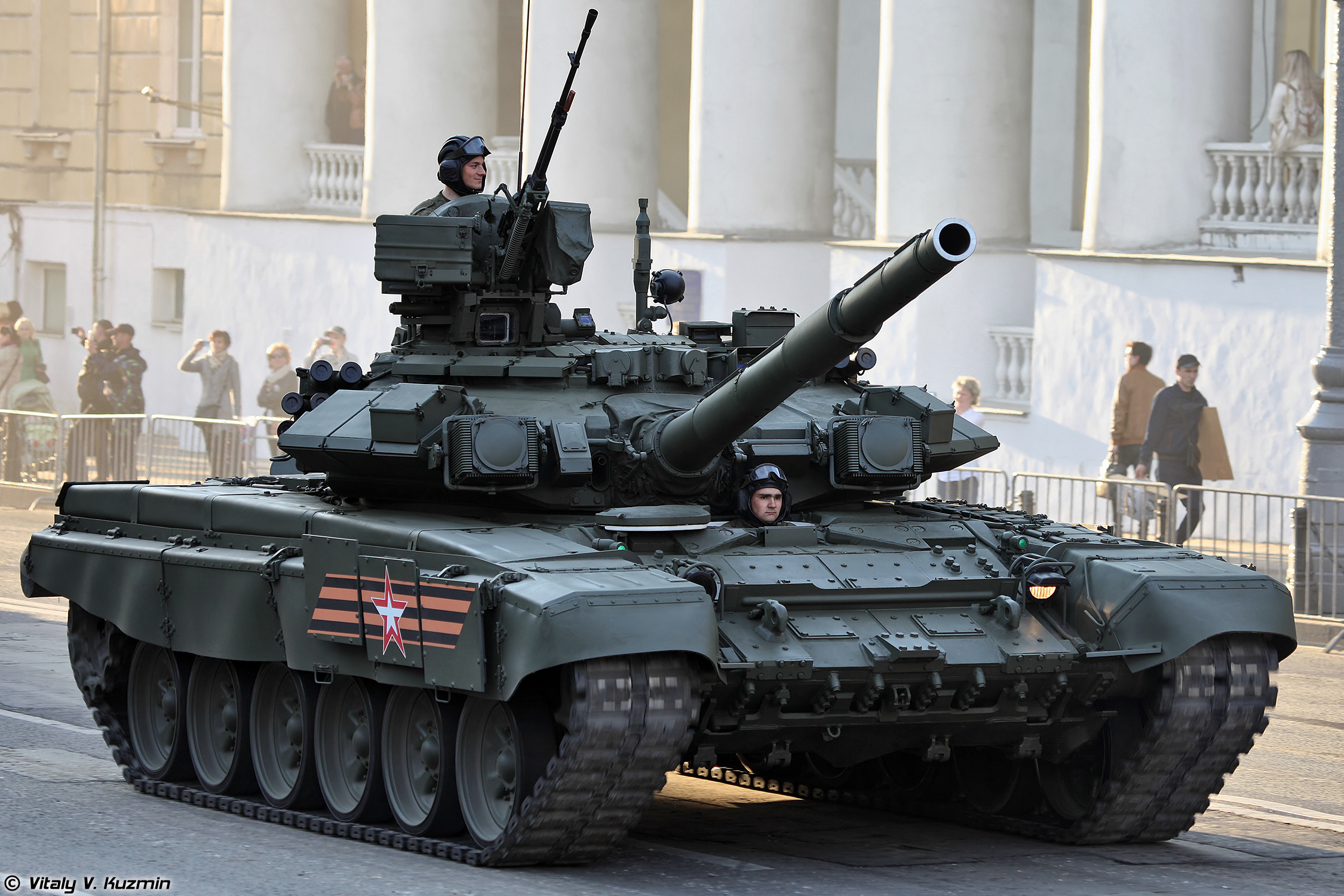
The immediate winners are clear. Defence manufacturers receive orders for missiles, drones, ammunition, armored vehicles and air defences. Factories can operate around the clock, hire scarce workers and modernize equipment with state support. The Finance Ministry says funds cover weapons, soldiers' pay, family assistance and upgrades to defence-industry companies. Russian arms production becomes not merely a military program but a central industrial policy.
NATO Secretary General Mark Rutte said in July 2025 that Russia was producing three times more ammunition per month than all NATO members produced in a year; by November he said NATO output had overtaken Moscow's. The changing comparison is a warning against freezing any production statistic in time. What remains durable is the race itself: both sides are expanding capacity, and Russia's budget attempts to preserve its place in it.
The losers are spread across the civilian economy. Reuters reported that the new plan cuts prior 2027 projections for social policy by 7%, education by 6%, health care by 6.8% and the “national economy” category — including roads, infrastructure and agricultural support — by 7.4%. Debt-service costs are projected to rise 21.6%. Those are not abstract trade-offs. They mean fewer resources for services and investment while more tax revenue is committed before it arrives.
Growth of about 0.6% and a policy rate of 14% intensify the Russian economy war strain. High rates fight inflation and defend financial stability, but they also make mortgages, business investment and government borrowing more expensive. Defence companies shielded by state orders can keep expanding while firms dependent on consumer demand or commercial credit stall. That creates a two-speed economy: hot where the state buys, cold where households and private firms do.
The labor market feels the same distortion. Arms plants compete for engineers, machinists and logistics workers. Military recruitment and casualties remove people from civilian production. Wage competition can raise incomes for workers in favored regions, yet it also pushes costs through the economy. The Russia Ukraine war cost is therefore not only the budget line; it includes forgone investment, displaced labor and the future productivity of projects that are postponed.
Can Russia afford it? Reserves, oil revenue and the debt safety line
Russia can finance this plan in the near term. It still has tax capacity, domestic banks, energy exports and a relatively low headline debt ratio. But “can pay” is not the same as “can pay without damage.” The government recorded a 5.8 trillion ruble deficit through August. Oil and gas revenues were down 16.7%, weakening the stream that has traditionally funded both the state and its buffers.
Reuters reported that Moscow raised its 2026 net borrowing plan by 26% to 5 trillion rubles and planned to use 459 billion rubles — roughly 11% of the liquid portion of the National Wealth Fund — to reduce the deficit. It cut the 2026 oil-and-gas revenue estimate from 8.9 trillion to 7.6 trillion rubles. Total borrowing in 2027 is projected to jump 43% to 7.7 trillion. This is the mechanism behind the Russia budget deficit war: draw reserves, issue more debt, raise taxes and squeeze other lines.
The planned Russian windfall tax military connection is direct. A levy on metals and mining companies is expected to raise about 200 billion rubles a year. The dividend tax for investors from countries deemed “unfriendly” rises from 15% to 35%. These measures spread the financing burden beyond oil, but they also reduce returns and can discourage investment. A government may collect more now while shrinking the capital base that produces future revenue.
The 21.7% debt-to-GDP projection matters because it crosses Moscow's own 20% safety threshold, not because it resembles a Western debt crisis. Sanctions limit external finance; domestic borrowing can crowd out companies; 14% interest rates make debt service expensive. As the stock of debt grows, more of every future budget pays for past deficits before current services begin.
Corporate expectations are also deteriorating. In a cited executive survey, more than half of respondents expected conditions to worsen. Surveys are sentiment, not destiny, but they show how business leaders read the same mix of weak growth, expensive credit, taxes and state-directed demand. Confidence can become economic behavior when firms delay hiring or cancel investment.
The National Wealth Fund provides time, not immunity. Its liquid assets are finite, and selling them during weaker energy revenue reduces the cushion available for later shocks. Russia may sustain high military expenditure for years; the more precise question is what civilian consumption, investment and resilience must be surrendered to do it.
Russia vs NATO military spending: the wrong comparison can mislead
Russia vs NATO military spending is often presented as a simple dollar scoreboard. NATO's combined budgets overwhelm Russia's. Yet alliance totals include personnel costs, global deployments, pensions, research and equipment purchased at very different price levels. Russia concentrates a greater share of national resources on a nearby war and buys much of its labor and matériel domestically.
The better measures are output and endurance: shells delivered, drones assembled, air defences replaced, trained units sustained and industrial bottlenecks removed. Russia's new budget attempts to buy those outputs continuously. Europe must decide whether it will match the relevant capabilities rather than merely cite the larger combined total.
That decision is political as much as financial. Europe could increase support while protecting core social programs by coordinating procurement and expanding joint production. It could also allow national disagreements and short contracts to keep output below potential. Moscow's plan is designed to make delay look rational until delay becomes costly.
What happens next: a 2028–2029 plateau, not a peace dividend
The State Duma will debate the draft, but the governing system makes rejection improbable. Details can change; the central priority is unlikely to. The most important figures to watch are not only the final 2027 defence allocation but supplementary appropriations, classified spending and whether actual borrowing or reserve use exceeds the plan.
Scenario one is a sustained grind. Energy revenue stabilizes, domestic banks absorb government debt, factories keep producing and growth remains weak but positive. Russia finances the 2028–2029 plateau without a dramatic crisis, while households experience a gradual decline in opportunity and public investment. This is the outcome the Kremlin appears to be budgeting for.
Scenario two is a harsher fiscal squeeze. Oil revenue falls further, sanctions tighten or battlefield costs outrun the estimates. Moscow then borrows more, spends more of the National Wealth Fund, raises additional taxes or cuts civilian programs again. The war continues, but the quality of the broader economy deteriorates faster.
Scenario three is a negotiated reduction. A durable ceasefire lowers replacement and operational costs, allowing the later years to be revised down. Yet even then, Russia would face depleted inventories, veterans' costs, military pay and a defense industry the state may be reluctant to shrink abruptly. A ceasefire would not instantly restore the prewar budget.
Scenario four is a fiscal breaking point. Inflation, high rates, weak revenue and political resistance combine into a destabilizing adjustment. That is possible, but it should not be assumed merely because the plan is expensive. States at war can sustain severe inefficiency for longer than standard economic models suggest, especially when political power is concentrated and costs can be shifted onto households.
Europe's question is therefore the one Rogov identified: whether it is prepared to support Ukraine at a comparable level of persistence. The Russian military budget record does not guarantee victory. It does remove the comforting assumption that financial fatigue will quickly force Moscow to stop. Russia has put years of war into its accounts. Its opponents must now decide what they are putting into theirs.
Sources
- Bloomberg via Military.com: Russia's spending plans show Putin preparing for years of war
- Reuters: Russia raises 2027 military spending as budget documents show deeper fiscal pressure
- The Times: Putin is counting the cost of a war without an end
- Wikimedia Commons: Vladimir Putin at expanded Russia-China talks, May 8, 2025
- Wikimedia Commons: Vladimir Putin at the Kremlin meeting with Steve Witkoff, December 2, 2025
Reporting note: budget figures are draft appropriations, not audited final spending. Russia classifies its actual 2026 defence total, and some military-related costs appear outside the formal defence line. Dollar conversions vary with the exchange rate.