World / Kyiv — This Ukraine war Day 1703 briefing covers a shift in President Vladimir Putin's public language, a local ceasefire due to start October 29, and a 270-person prisoner swap.
Track it live: Ukraine war map · Live wars tracker
This Ukraine war Day 1703 briefing starts with the count itself. Signal Post News counts February 24, 2022 — the first day of Russia's full-scale invasion — as Day 1, which makes Friday, October 23, 2026, Day 1,703 of the war. In the past 24 hours, the most significant developments were not on the map but in the language around it: President Vladimir Putin used a Russian television appearance on October 22 to reframe what future talks should be about, the White House announced a local ceasefire for Oleshky beginning October 29, Ukraine's drones reached a chemical plant deep in Russia's Perm region, and the two sides exchanged 270 prisoners of war.
Taken together, the day offered two competing signals — one toward diplomacy organised around security guarantees, the other, in Putin's own words about territory, toward the maximalist claim that has blocked every previous round.
What changed in 24 hours
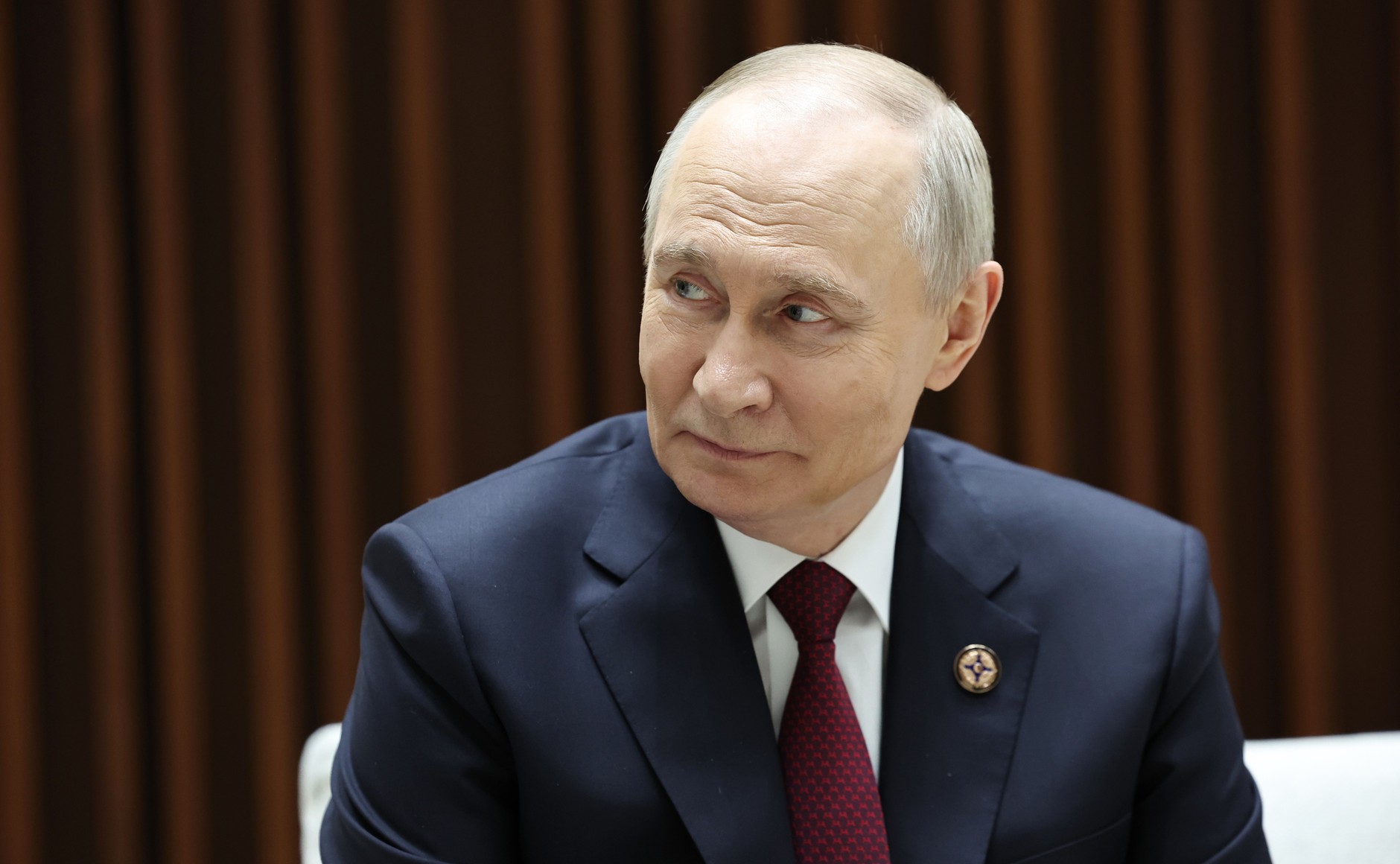
Putin spoke on Russian television on October 22, a day after meeting U.S. envoy Steve Witkoff, according to The Daily Brief of October 23, 2026. He said future U.S.-mediated talks should focus on security guarantees for both countries and on "the architecture of European security as a whole." In the same remarks, however, he said any discussion of territory must take into account what he called "historically Russian land." Those two sentences are the whole diplomatic story of the day, and they pull in opposite directions — a point developed below.
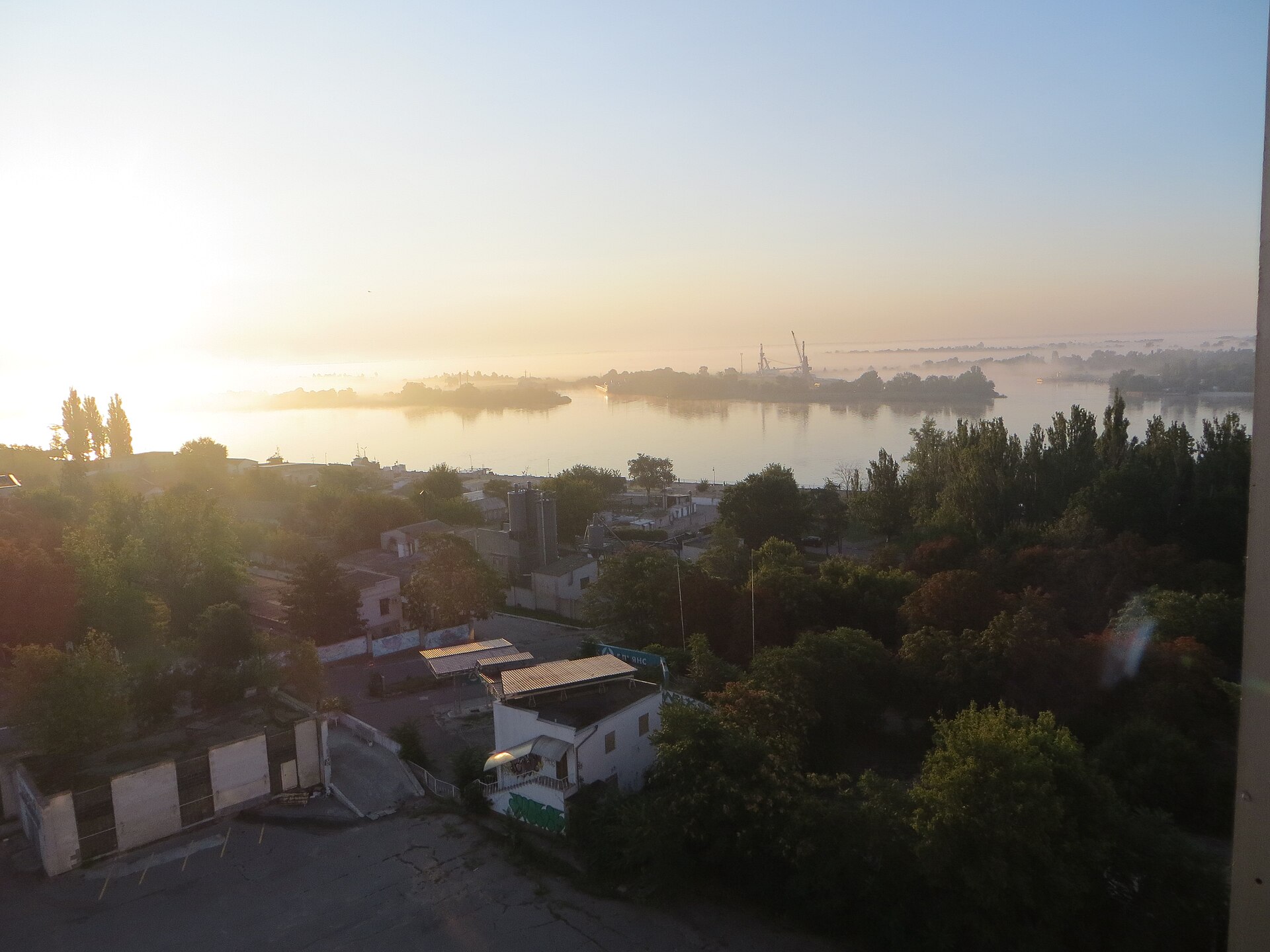
On Friday, October 23, the White House said, as reported by Reuters, that First Lady Melania Trump had secured a Russia-Ukraine ceasefire for Oleshky beginning October 29. Oleshky sits on the eastern bank of the Dnipro River opposite Kherson, in an area where civilians have lived under shelling, flooding aftermath and occupation pressures for much of the war. The arrangement is local and time-specific rather than a general ceasefire, and the full background is covered in our standalone report on the Melania Trump Oleshky ceasefire agreement. Neither Moscow nor Kyiv had, at the time of this briefing, published identical terms — a gap that matters, because local truces in this war have repeatedly failed over definitions: what counts as a violation, who monitors it, and what happens to forces already inside the zone.
By Friday afternoon both governments had confirmed the Oleshky agreement itself — Kremlin spokesman Dmitry Peskov to Reuters, praising Melania Trump’s role, and Ukrainian negotiator Davyd Arakhamia to CNN, who said a result of the talks was “permanent humanitarian corridors”. The start date, however, is not jointly confirmed: the White House says October 29, Russia’s defence ministry says implementation begins on October 27, and the Kremlin says the two militaries are still working out the dates.
The war itself did not pause for the diplomacy. Ukraine struck the Azot chemical plant at Berezniki in Russia's Perm region with drones — a target deep inside Russia, far beyond the border regions where most Ukrainian strikes have concentrated. The attack, and what it says about the range and targeting of Ukraine's drone campaign against Russian industrial and energy infrastructure, is covered in depth in our report on the Ukrainian drone attack on the Perm Azot plant at Berezniki. Russian officials characterise such strikes as attacks on civilian industry; Ukraine characterises fertiliser and chemical plants in its target set as part of the war economy, since nitrogen chemistry feeds both agriculture and explosives supply chains. Both characterisations are claims by parties to the conflict and are attributed as such here.
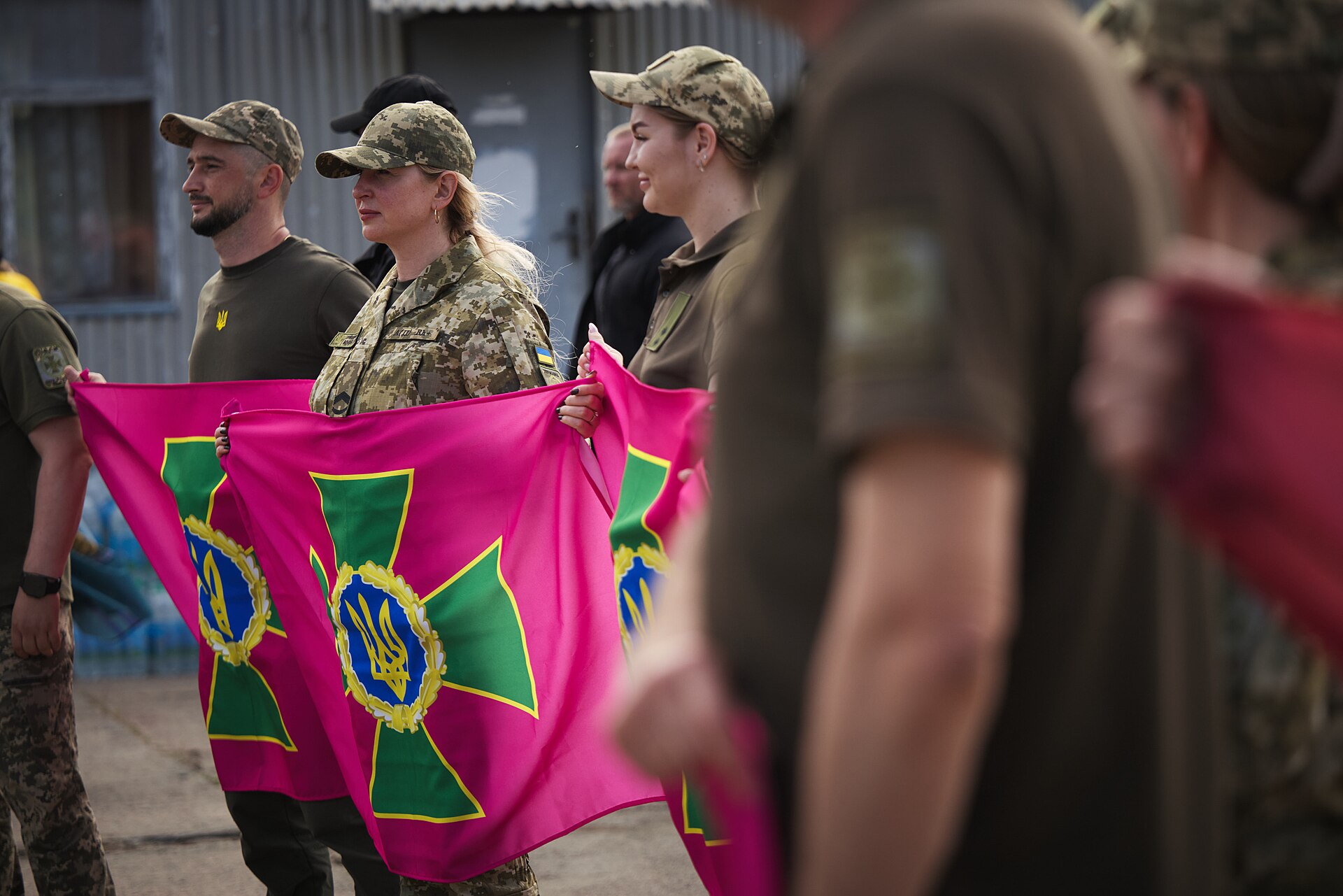
Separately, Russia and Ukraine swapped 270 prisoners of war, in an exchange covered in standalone reporting on this site. Prisoner exchanges have been the most consistently functioning channel between the two governments throughout the war, continuing even when every other negotiation track was frozen — which is precisely why their continuation is noted in each briefing: they are evidence the back-channels remain staffed and operational, whatever the public rhetoric.
Ukraine was also on the agenda at the Istanbul R4+E3 ministerial on October 23, per a Turkish source cited by Reuters. U.S. Starshield satellite restrictions for Ukraine remain in place into the weekend, per Signal Post News reporting — a form of leverage shaping reconnaissance and drone operations without any public statement from Washington.
Why this matters
Why this matters is the gap between Putin's two framings, because each implies a different negotiation — and a different war ending. A negotiation about "the architecture of European security as a whole" is, on its surface, the broadest and most statesmanlike framing the Russian president has used in months. It echoes language Moscow used before the invasion, when it presented draft treaties demanding limits on NATO's presence in Eastern Europe. Supporters of engaging with it argue that any durable settlement must eventually address Russian security claims, however much Kyiv and its partners dispute them, and that guarantees for both sides are the normal currency of ending wars. On that reading, the October 22 remarks are an opening: territory, the hardest issue, deferred; architecture, the discussable issue, first.
Kyiv will almost certainly read the same interview the other way. In Ukrainian and most European readings, "historically Russian land" is not a negotiating phrase but a claim of ownership over territory Ukraine governs and most of the world recognises as Ukrainian — and pairing it with architecture talk does not soften it, it packages it. From Kyiv's stated position, security guarantees are welcome only if they guarantee Ukraine: its sovereignty, its territory and its right to choose its own alliances. President Volodymyr Zelenskyy's government has consistently said no settlement can reward invasion or freeze in place gains taken by force. European governments add a further objection in their stated positions: a "European security architecture" negotiated over European heads, primarily between Washington and Moscow, repeats the pattern they have opposed since 2022.
Both readings can be true of the same sentences, and that is the analytical point of Day 1,703. Putin may be testing whether a security-architecture frame gets him a U.S.-mediated process in which territorial facts are quietly accepted as the starting point. Or he may be positioning for blame — able to say, if talks fail, that Russia offered a broad settlement and was refused. Ukraine's counter-positioning is symmetrical: engage on guarantees and local ceasefires like Oleshky, which save civilian lives and demonstrate good faith, while conceding nothing in language about land. The Oleshky truce, notably, fits both strategies at once — which is exactly why small, verifiable local arrangements have outperformed grand bargains throughout this war.
The military balance behind the words
Context matters here. The Berezniki strike is part of a Ukrainian campaign, now many months old, to impose costs deep inside Russia — on refineries, depots, chemical and energy infrastructure — as a counterweight to Russia's larger missile and drone barrages against Ukrainian cities and power systems. Each side's stated logic is attritional: Ukraine says it is degrading the industrial base that funds and supplies the invasion; Russia says its strikes target military and energy infrastructure supporting Ukraine's war effort, while Ukrainian officials say the civilian toll proves otherwise. The 270-person swap sits apart from that logic — humanitarian, reciprocal and, unusually, not seriously disputed by either capital.
Yesterday's briefing, the Ukraine war Day 1702 briefing, flagged the possibility of a trilateral format after November 10. Nothing on Day 1,703 cancelled that possibility, and the Istanbul agenda item keeps a Turkish-hosted channel warm — Turkey having hosted or facilitated exchanges and grain diplomacy before. But the Starshield restrictions are the briefing's coldest fact: whatever is said about talks, a tangible U.S. limitation on Ukrainian capabilities remains in force into the weekend, and limitations of that kind are read in both capitals as signals of Washington's patience and priorities.
What happens next
What happens next has dates attached. First, October 29: the Oleshky ceasefire is due to begin. Whether it starts on time, who confirms compliance in its first 48 hours, and whether its terms are published identically by both sides will be the week's clearest test of whether local truces can still be built. Second, the Istanbul follow-through: watch for any readouts from the R4+E3 channel naming a next meeting, a working group or a specific agenda — process language that indicates the channel is real rather than ceremonial. Third, the post-November 10 trilateral possibility carried over from Day 1,702: Putin's architecture framing is, among other things, a proposed agenda for exactly such a meeting, and the response from Kyiv and Washington to that agenda — acceptance, rejection or counter-agenda — will define November.
Finally, watch the quiet indicators: any change to the Starshield restrictions, the tempo of deep strikes after Berezniki, and whether prisoner exchanges continue. On Day 1,703 diplomacy moved in language, the humanitarian channel moved 270 people home, and drones moved further than the front lines did.
Sources: The Daily Brief, Oct 23, 2026 (Putin TV remarks Oct 22 after meeting Witkoff: security guarantees for both countries, "the architecture of European security as a whole," territory per "historically Russian land"); Reuters, Oct 23, 2026 (White House: Melania Trump secured Oleshky ceasefire from Oct 29); Turkish source via Reuters, Oct 23 (Istanbul R4+E3, Ukraine on agenda); Signal Post News reporting (Azot Berezniki drone strike; 270-prisoner swap; Starshield restrictions in place; Day count Feb 24, 2022 = Day 1). Claims by parties are attributed in text.