Ukraine war day 1699 briefing: Russia's Defence Ministry said its air defences destroyed 1,015 Ukrainian drones overnight — the largest one-night count Moscow has ever published — as fires burned at the Petersburg Oil Terminal, some 20,000 people lost power in the Leningrad region, and President Trump and President Zelenskyy traded accusations over who is blocking an end to the war.
Day 1699 / A record drone night over Russia, a burning oil terminal — and a three-way summit floated for Shenzhen
Track it live: Live Ukraine war map
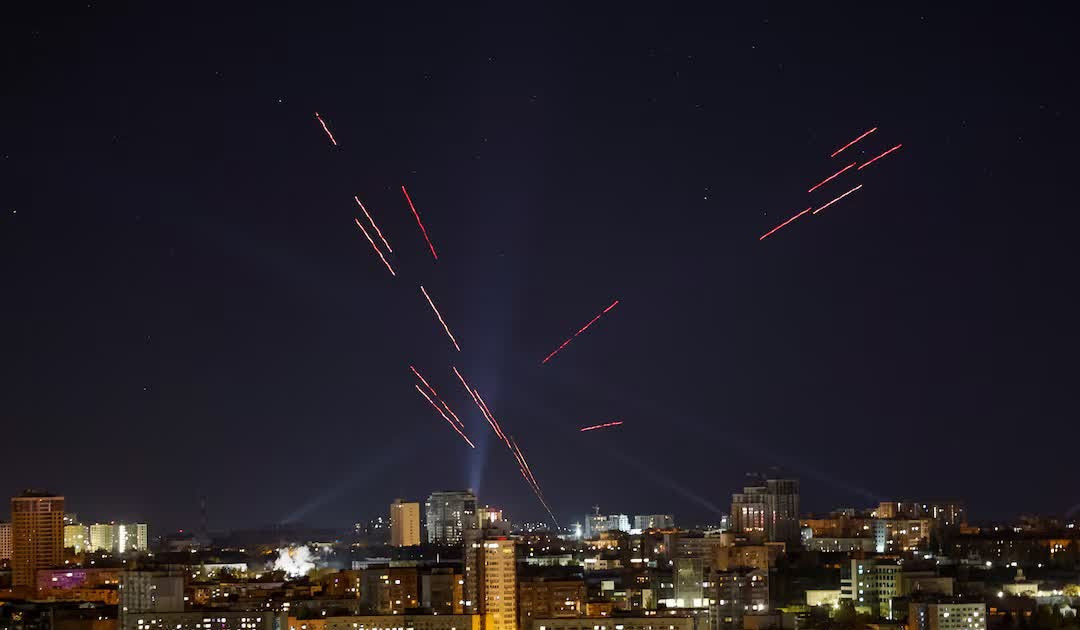
The drone war: 1,015 claimed in a single night
The number came first, as it usually does, from Moscow. Russia's Defence Ministry said its air defences destroyed 1,015 Ukrainian drones overnight Saturday into Sunday — which CNN noted is the largest one-night count the ministry has ever published. The figure is a claim, and it should be read the way all of Moscow's nightly tallies must be read: as the Russian state's account of a night its citizens could partly see for themselves. What is not in dispute is that the wave was very large and that some of it got through. Fires were reported at the Petersburg Oil Terminal, the oil-handling complex on the Baltic through which Russian petroleum products reach export markets, and around 20,000 people lost power in the surrounding Leningrad region.
Scale matters here, and so does trajectory. A claimed four-figure interception night would have been implausible as propaganda two years ago, because the underlying attack it answers would have been implausible as fact. Ukraine's long-range drone campaign has industrialised: mass-produced airframes, satellite-aided routing and salvo tactics designed to saturate exactly the kind of point defences that protect terminals, refineries and substations. Russia's answer has been to publish ever-larger interception counts — a metric that simultaneously advertises the threat, advertises the defence against it, and concedes, in the arithmetic, that even a small percentage of leakage through a thousand-drone wave means burning infrastructure. Signal Post News tracks the strike pattern day by day on its live Ukraine war map.
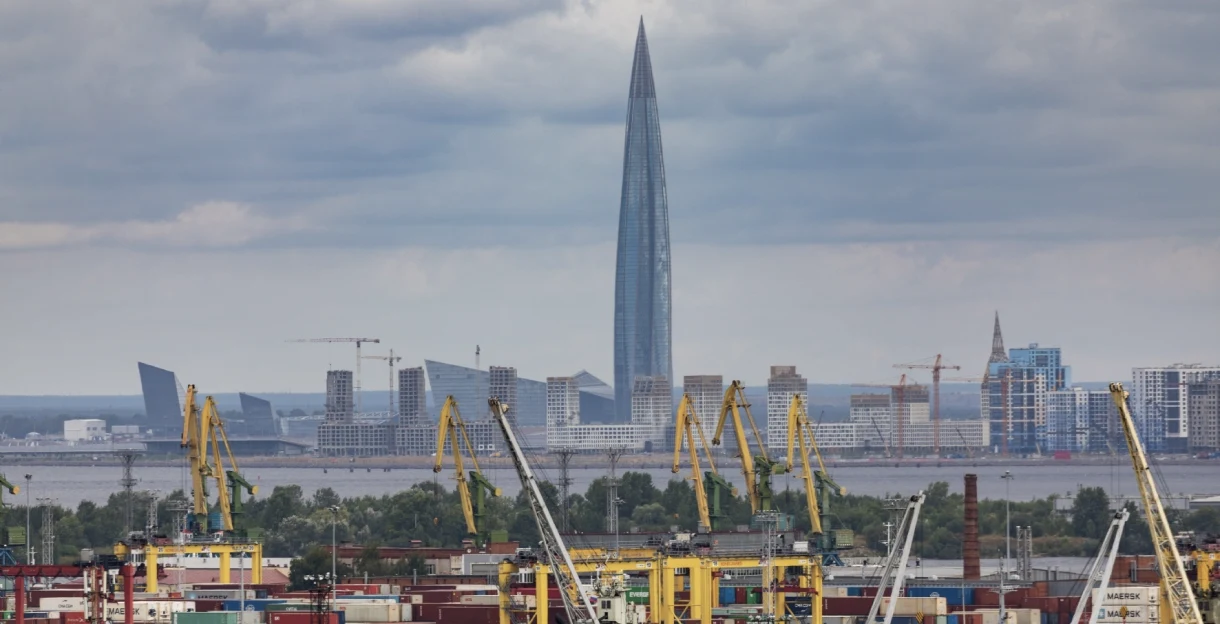
The energy front: Petersburg Oil Terminal and a darkened region
The Petersburg Oil Terminal matters beyond its size. St Petersburg is Russia's principal Baltic oil-products outlet, and the terminal has been a recurring target precisely because it converts the abstract language of sanctions into a physical question: how much product can Russia actually load onto ships? Fires there, and a power outage affecting roughly 20,000 people across the Leningrad region, extend a pattern Ukraine has pursued all autumn — striking the nodes where Russian energy is stored, blended, pumped and exported, rather than the wellheads that are harder to reach and slower to matter. The Kyiv logic, stated openly by Ukrainian officials in past weeks, is that energy revenue is the war's fuel line and that every cargo delayed is artillery unpurchased. The Russian logic, stated just as openly, is that the strikes are terrorism against civilian infrastructure. The observable facts — the fires, the outage, the interception claim — sit between those two framings, and they are the facts this briefing reports.
The diplomacy: Trump blames Zelenskyy, Zelenskyy answers on American television
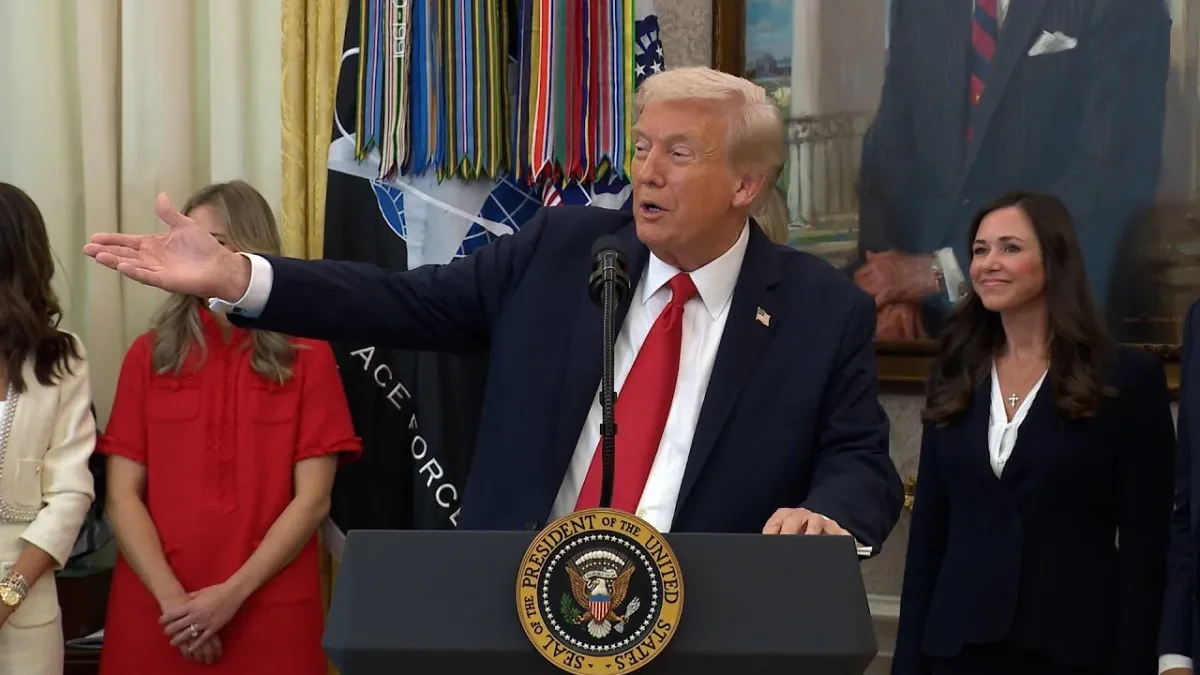
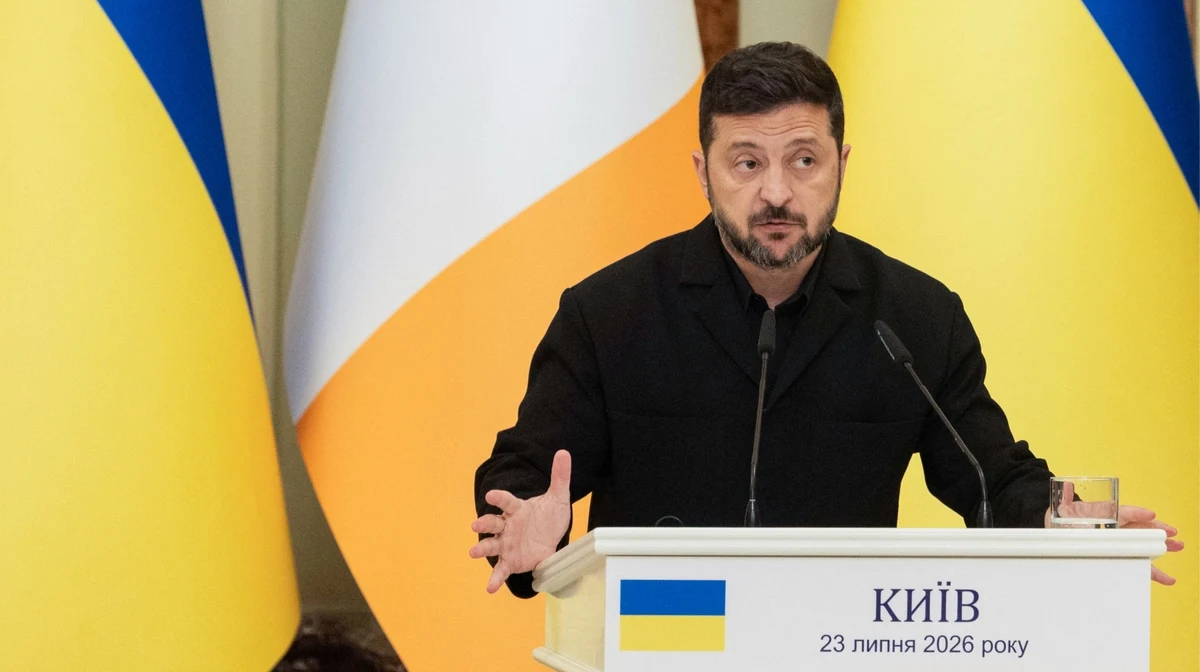
The day's second front was rhetorical, and it was fought in Washington and on American television. President Donald Trump accused President Volodymyr Zelenskyy of not wanting to end the war — the latest turn in a public argument between the two men that has run, in varying temperatures, since the diesel dispute of early October. Zelenskyy answered on NBC's Meet the Press, warning that siding with Russia would be a "historic mistake." The exchange matters because it is not really about the two men's feelings: it is about the terms on which the war's largest military supplier intends to press for a settlement, and whether Kyiv is being positioned as the obstacle to one. Ukrainian officials read the accusation as leverage being built in public. The administration's defenders read it as a president saying aloud that an open-ended war needs an endgame and that both capitals, not one, must bend toward it. Both readings were available on Sunday's record; what neither side disputes is that the argument is now being conducted through microphones rather than memoranda.
A trilateral summit in Shenzhen? The Putin proposal
Into that argument landed the day's most consequential report. The Wall Street Journal, via Reuters, reported that Vladimir Putin has proposed a trilateral summit with Trump and China's Xi Jinping on the sidelines of the APEC summit in Shenzhen on November 18–19. The proposal, if accurately reported, is a piece of diplomatic architecture with three load-bearing walls: it elevates the war's settlement from a bilateral American-Russian negotiation to a great-power table; it gives Beijing a formal seat in ending a European war, a role China has sought and Europe has resisted; and it does all of that at APEC, an economic forum, in a Chinese host city, at a moment when the American president is publicly frustrated with Kyiv. None of the three governments had confirmed the plan in the reporting available Monday. Zelenskyy's Meet the Press warning — that siding with Russia would be a historic mistake — reads, in this light, as an answer addressed less to Washington's television audience than to the guest list of a summit to which Ukraine has not been invited.
Why this matters
Day 1699 matters because its three stories are one story. The drone wave is Ukraine demonstrating that it can impose costs on Russia at industrial scale without American permission; the Trump–Zelenskyy exchange is Washington demonstrating that it regards Kyiv's strategy as an obstacle as much as an asset; and the Shenzhen proposal is Moscow offering Washington a format in which Ukraine's objections can be managed rather than answered. Wars are usually ended by exhaustion, by victory, or by a table. What Monday showed is three capitals manoeuvring over which of those endings this will be — Kyiv insisting the war is winnable enough to bargain from, Moscow insisting it is inevitable enough to bargain over, and Washington insisting, above all, that it end. The winter energy campaign now beginning in earnest will test all three insistences against the weather.
What happens next
Four threads run into Day 1700. First, verification: independent assessment of the Petersburg terminal fires and the Leningrad outage will show how much of the claimed 1,015-drone night actually leaked through, and satellite imagery usually answers within days. Second, the APEC question: whether the White House or Beijing acknowledges the trilateral proposal will decide if Shenzhen is a summit or a signal. Third, the public argument: watch whether Trump's criticism of Zelenskyy hardens into conditions on aid, the step that would convert rhetoric into policy — the subject of Signal Post News's companion report on the sanctions waiver fight in Washington. Fourth, the calendar: tomorrow is Day 1700, a round number that changes nothing on the ground and everything in the telling — expect both general staffs to brief against it.
Sources: CNN, October 19, 2026 (Russia's Defence Ministry claim of 1,015 drones destroyed overnight, the largest one-night count published; fires at the Petersburg Oil Terminal; approximately 20,000 people without power in the Leningrad region). NBC News, Meet the Press, October 18–19, 2026 (Zelenskyy's "historic mistake" warning). The Wall Street Journal via Reuters, October 19, 2026 (Putin's proposed trilateral summit with Trump and Xi Jinping on the APEC sidelines in Shenzhen, November 18–19). President Trump's remarks accusing Zelenskyy of not wanting to end the war, as reported October 19, 2026. Background: Signal Post News, Ukraine War Day 1697 briefing.