Track it live: Ukraine war map — live tracker

Ukraine strikes Russian plants at both ends of the country’s defence industry were reported on Sunday, October 25, as officials in two Russian regions confirmed attacks on industrial sites in a single day. In Perm Krai, roughly 1,580 kilometres from the Ukrainian border, a drone attack damaged an industrial facility and injured five workers, regional governor Dmitry Makhonin said, in a statement reported by Reuters. Ukrainian media and open-source monitors identified the site as the AVISMA titanium plant in Berezniki, part of VSMPO-AVISMA, one of the world’s largest producers of titanium sponge. In Yelets, in Lipetsk region about 250 kilometres from the border, governor Igor Artamonov said a Ukrainian missile strike on an industrial zone killed a security guard and injured a paramedic. The Institute for the Study of War (ISW), in its October 25 campaign assessment, reported geolocated footage showing large plumes of smoke rising from the Energiya plant in Yelets, which Ukrainian defence outlet Militarnyi said produces power cells for Iskander-K cruise missiles and Iskander-M ballistic missiles. Neither governor named the facility hit in his region, and the identifications rest on the monitoring and specialist reporting set out below — a distinction this article keeps visible throughout.
What Russian officials confirmed in Perm
The confirmed core of the Perm story comes from the governor himself. Reuters reported on Sunday that a drone attack on Russia’s Perm region damaged an industrial facility and injured five of its workers, and that emergency services were at the scene while the injured received medical help, according to Makhonin, who posted on the state-backed MAX messaging app. In a fuller version of the governor’s statement carried by Russian and Ukrainian outlets, Makhonin said air defences and mobile fire teams shot down 11 drones over Perm Krai, that an industrial facility in the northern part of the region sustained minor damage and continued to operate normally, and that five employees were injured, three of whom were sent to a medical facility for examination. One early rendering of the governor’s remarks, via The Moscow Times, said he had reported no casualties; that conflicts with the Reuters report and the governor’s own fuller statement, and the five-injured figure is the latest official version available. No Ukrainian official statement claiming the Perm strike had been published in the sources available at the time of writing, and Russia’s Defence Ministry had not named the site.
Why the Berezniki identification matters — and how it is sourced
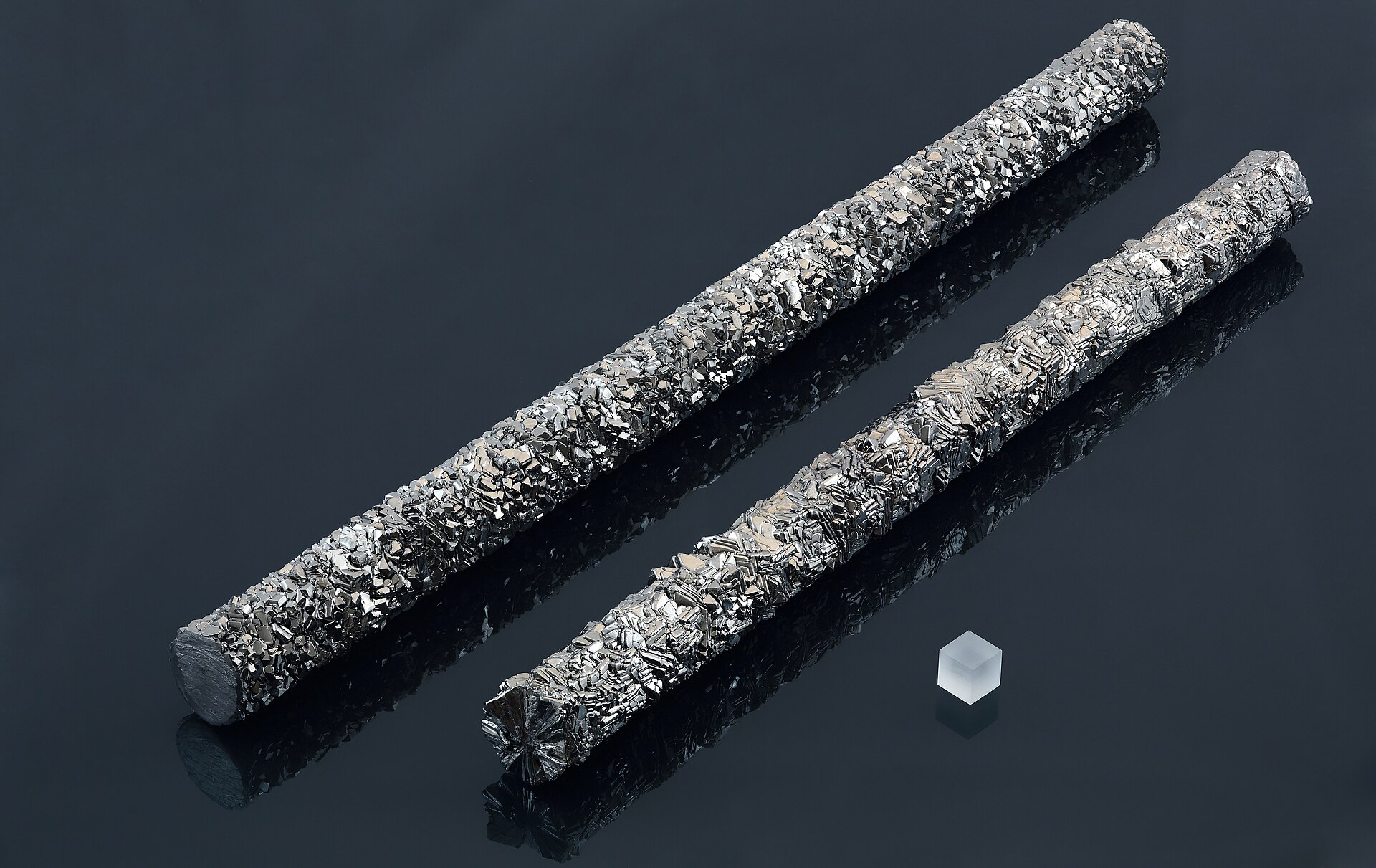
The facility’s identity is the analytically important part of the Perm strike, and it is also the part that rests on monitoring sources rather than official confirmation. The Ukrainian open-source channel Exilenova+ reported that the drones hit the AVISMA chemical and metallurgical plant in Berezniki, a city on the Kama River whose large chemical and mining plants include titanium and magnesium production. Ukrainian outlets including UNITED24 Media, Ukrinform and the Kyiv Post reported the same identification. ISW’s October 25 assessment recorded both halves of the picture side by side: the OSINT report of a strike on the VSMPO-AVISMA plant in Berezniki, and Makhonin’s acknowledgment that Ukrainian forces struck an industrial facility in northern Perm Krai. AVISMA’s Berezniki works produces titanium sponge — the raw form of the metal that is then alloyed for aircraft structures and engines — and metallic magnesium. According to figures cited by UNITED24 from the US Geological Survey, VSMPO-AVISMA produced about 33,500 metric tons of titanium sponge in 2024, roughly 96 percent of Russia’s total output, and its alloys feed the production chains of Sukhoi and Irkut fighters including the Su-30, Su-34 and Su-35, as well as Tu-95MS and Tu-160 strategic bombers. Ukrinform put the Berezniki plant’s capacity at about 44,000 tons of titanium sponge and 60,000 tons of magnesium a year, with more than 7,100 employees. Ukraine’s defence intelligence service has previously identified VSMPO-AVISMA as a supplier in the Su-34 and Su-35S production chains.
Yelets: a guard killed at the industrial zone, smoke over the Energiya plant
The Yelets strike, on Sunday afternoon, is confirmed in outline by the regional governor and located more precisely by geolocated footage. Reuters reported that Lipetsk governor Igor Artamonov said a Ukrainian missile strike on an industrial zone in Yelets killed a security guard who worked at one of the facilities on the site and injured a paramedic at a medical point, a woman who was taken to hospital with a thigh wound; the remaining workers were evacuated. Artamonov did not identify the facility, and Reuters said it could not independently verify his report. Interfax, citing the same governor, reported at least one dead and six injured — a higher injury count that has not been reconciled with the Reuters version, while the state agency TASS mentioned only damage to cars and buildings from falling missile debris. ISW reported that geolocated footage published on October 25 shows large plumes of smoke rising from the Energiya plant in Yelets following the reported strike, and that Militarnyi reported Ukrainian Storm Shadow cruise missiles hit the plant. The Kyiv Post likewise reported that cruise missiles struck the Energiya defence plant, Russia’s leading producer of chemical power sources and batteries, noting that Artamonov had confirmed an attack on the city’s industrial zone. According to specialist reporting, Energiya manufactures battery units and autonomous power cells for strike drones, missile systems, air-defence systems, aircraft and naval vessels — including, Militarnyi said, power cells for Iskander-K and Iskander-M missiles — and the plant is sanctioned by the United States, the European Union, Britain, Canada, Switzerland, Japan, Australia and Ukraine. It has been attacked before, in May and July 2025 and in January 2026. The Storm Shadow attribution itself comes from Militarnyi and the Exilenova+ monitoring channel, which reported at least two hits on plant buildings; neither Ukraine’s General Staff nor Russia’s Defence Ministry had commented on the Yelets strike in the sources available at the time of writing.

Why this matters
Sunday’s two strikes are best understood as a campaign against inputs rather than outputs. Ukraine’s long-range campaign through October has hit refineries and fuel infrastructure — the strikes that, as Reuters reported in a separate analysis on Sunday, have deepened a rift with the Trump administration, which has pressed Kyiv since mid-September to stop targeting Russian diesel infrastructure and on October 9 announced a deal to buy Russian diesel. Titanium sponge, missile batteries and semiconductor wafers are a different category of target: they sit upstream of the weapons themselves, they are produced by a small number of specialised plants, and they cannot be imported quickly at scale under sanctions. A plant that supplies the power cells inside Iskander missiles, and a works that produces almost all of Russia’s titanium sponge, are the kind of nodes where even modest physical damage — a destroyed production building, a halted line, a workforce sent home — can echo through production schedules for months. That is the logic Kyiv’s planners appear to be following, and it is notably different from the fuel campaign Washington objects to: nothing hit on Sunday burns, and nothing hit on Sunday directly raises the diesel prices American voters see. Whether that distinction is deliberate signalling to Washington, or simply the next rung of the target list, is not yet clear from any public statement — but the timing, in the same week that the diesel dispute became public, will not be lost on either capital.
The same weekend’s third data point: Oryol, confirmed from orbit
The Perm and Yelets strikes landed two days after a strike whose effects have now been assessed from satellite imagery. ISW reported that satellite imagery published on October 25 shows significant damage to the Proton-Electrotex plant in Oryol City after the Ukrainian strike of October 24, and that a journalist for Radio Free Europe/Radio Liberty published imagery confirming the strike damaged two buildings housing production of semiconductor silicon wafers and microchips for Russian weapons systems. The Oryol strike, in which the regional governor reported three people killed, is covered in full in our earlier reporting on the missile strike on the Oryol Proton plant. Read together, the three sites describe a single target set — semiconductors in Oryol, batteries in Yelets, titanium in Berezniki — that maps closely onto the bill of materials of a modern Russian missile.
The numbers in context
Distance is the first number that matters. Yelets is about 250 kilometres from the international border, within reach of several systems Ukraine is known to operate. Berezniki, at roughly 1,580 kilometres by ISW’s measure, is a different proposition: it is deeper inside Russia than almost any previously reported Ukrainian strike in this campaign, comparable in reach to the strike on Omsk’s largest refinery covered in our reporting on Ukraine’s deep strikes and the diesel dispute — and it was carried out, on the governor’s account, by drones, eleven of which he said were shot down over the region. The second number is concentration: a single corporation accounting for about 96 percent of a country’s titanium sponge output is a textbook single point of failure, and Berezniki is its largest sponge site. The third number is the one that cuts the other way: damage. Both governors described the physical effects as limited — “minor damage” and a plant still operating in Perm, an industrial zone evacuated in Yelets — and no source available on Sunday established a production halt at either site. A confirmed strike is not the same as a confirmed effect, and the honest summary of Sunday is that Ukraine demonstrated it can reach both plants, hurt people at both plants, and forced both regions to respond — while what it did to Russian missile and aircraft production remains unmeasured.
What happens next
Three things will clarify this story in the coming days. First, imagery: commercial satellite photographs of the Berezniki and Yelets sites, of the kind that confirmed the Oryol damage a day later, will show whether Sunday’s strikes destroyed production buildings or only scarred them. Second, official claims: Ukraine’s General Staff, which confirmed the Oryol and Tolyatti strikes a day after they happened, had not addressed Perm or Yelets in the sources available on Sunday; a General Staff confirmation would settle the identification question that monitoring sources currently carry. Third, production signals: VSMPO-AVISMA and Energiya are both sanctioned, export-watched companies, and any extended stoppage would surface in customer and trade reporting within weeks. Until then, the verified facts are the ones the two governors themselves supplied — five workers injured in Perm Krai, a guard killed and a paramedic wounded in Yelets — and the identifications of the plants, sourced and attributed above, that explain why those two industrial zones were worth striking at all.
Sources
- Reuters, October 25, 2026 — “Drone attack injures five people, damages industrial facility in Russia’s Perm region, governor says” (Gov. Dmitry Makhonin: five workers injured, emergency services at the scene; facility not named by Reuters): reuters.com
- Reuters, October 25, 2026, via EuropeSays — “Ukrainian attacks kill five in Belgorod and Lipetsk, hit Perm industrial plant” (Gov. Igor Artamonov: Yelets industrial-zone strike killed a security guard and injured a paramedic; governor did not identify the facility; Reuters could not independently verify): europesays.com
- Institute for the Study of War, October 25, 2026 — “Russian Offensive Campaign Assessment, October 25, 2026” (geolocated footage of smoke plumes at the Energiya plant, Yelets; Militarnyi Storm Shadow report and Iskander power-cell role; OSINT report of the VSMPO-AVISMA strike in Berezniki with Gov. Makhonin’s acknowledgment; RFE/RL satellite imagery confirming damage to two Proton-Electrotex buildings in Oryol): understandingwar.org
- UNITED24 Media, October 25, 2026, via EuropeSays — “Drones strike Russia’s titanium giant supplying Su-34 fighters and Iskander missiles” (Exilenova+ identification of the AVISMA plant, Berezniki; Gov. Makhonin: 11 drones intercepted, minor damage, five employees injured; USGS figure of about 33,500 tons of titanium sponge in 2024, roughly 96 percent of Russian output): europesays.com
- Kyiv Post, October 25, 2026 — “Missiles strike Energiya defense battery plant in Yelets” (cruise missiles hit the Energiya plant; Gov. Artamonov confirmed an attack on the municipal industrial zone): kyivpost.com
- Ukrinform via The Moscow Times, October 25, 2026, via EuropeSays — “Drones attack plant owned by Russia’s largest titanium producer in Perm Krai, media report” (Berezniki capacity figures; one rendering of Gov. Makhonin’s statement said no casualties — flagged in the article as conflicting with Reuters): europesays.com
- Pollar News summary of DW reporting, October 25, 2026 — “Storm Shadow strike reportedly hits Energija plant in Yelets” (Exilenova report of extensive destruction to a production building; Interfax, citing Gov. Artamonov: at least one dead and six injured; TASS mentioned only debris damage; neither Ukraine’s General Staff nor Russia’s Defence Ministry had commented): pollar.news
- Reuters, October 25, 2026 — “How Ukraine’s strikes on Russian energy sites deepened the rift with Trump” (context: Washington’s pressure over diesel-infrastructure strikes and the October 9 diesel deal): reuters.com