Ukraine Operation Vivaldi ground robots
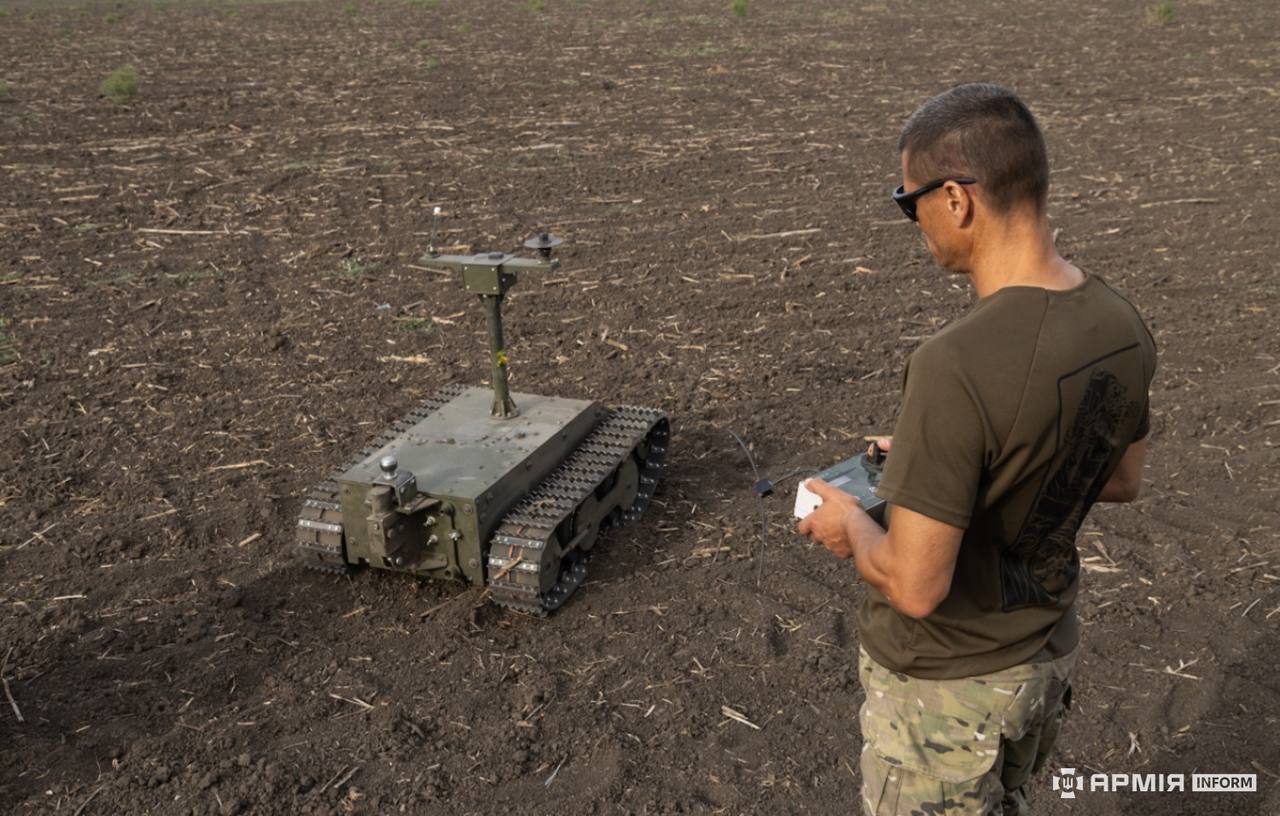
Ukraine's Third Army Corps has disclosed details of Operation Vivaldi, a months-long campaign in which heavy bomber drones airdropped explosive unmanned ground vehicles behind Russian positions near Lyman in northern Donetsk — what Kyiv calls the first combat use of drone-deployed ground robots anywhere. According to figures the corps released publicly this week, the Ukraine Operation Vivaldi ground robots carried out more than 15,700 missions between May and last week, striking command posts, shelters, logistics hubs and river crossings up to nine miles behind the Russian front line.
Inside Operation Vivaldi: how the robots got behind Russian lines
The Third Army Corps went public through posts on its official @ab3army Telegram channel dated September 20, 21 and 24 and through a YouTube statement by its commander, Brig. Gen. Andrii Biletskyi. The corps called the campaign “an historic moment” and “a new stage of the war with the landing of ground robots.” Those descriptions come from the Ukrainian force that planned and conducted the operation; no independent observer was embedded to verify them.
The method paired two systems that usually work separately. Heavy multi-rotor bomber drones carried small, four-wheeled unmanned ground vehicles over Russian positions and released them as far as nine miles behind the front. Cameras mounted on the robots recorded parts of their runs. Once on the ground, the explosive-laden vehicles drove toward command posts, shelters, logistics hubs and river crossings and detonated — in effect, kamikaze ground robots in Donetsk delivered by air rather than sent across a mined front.
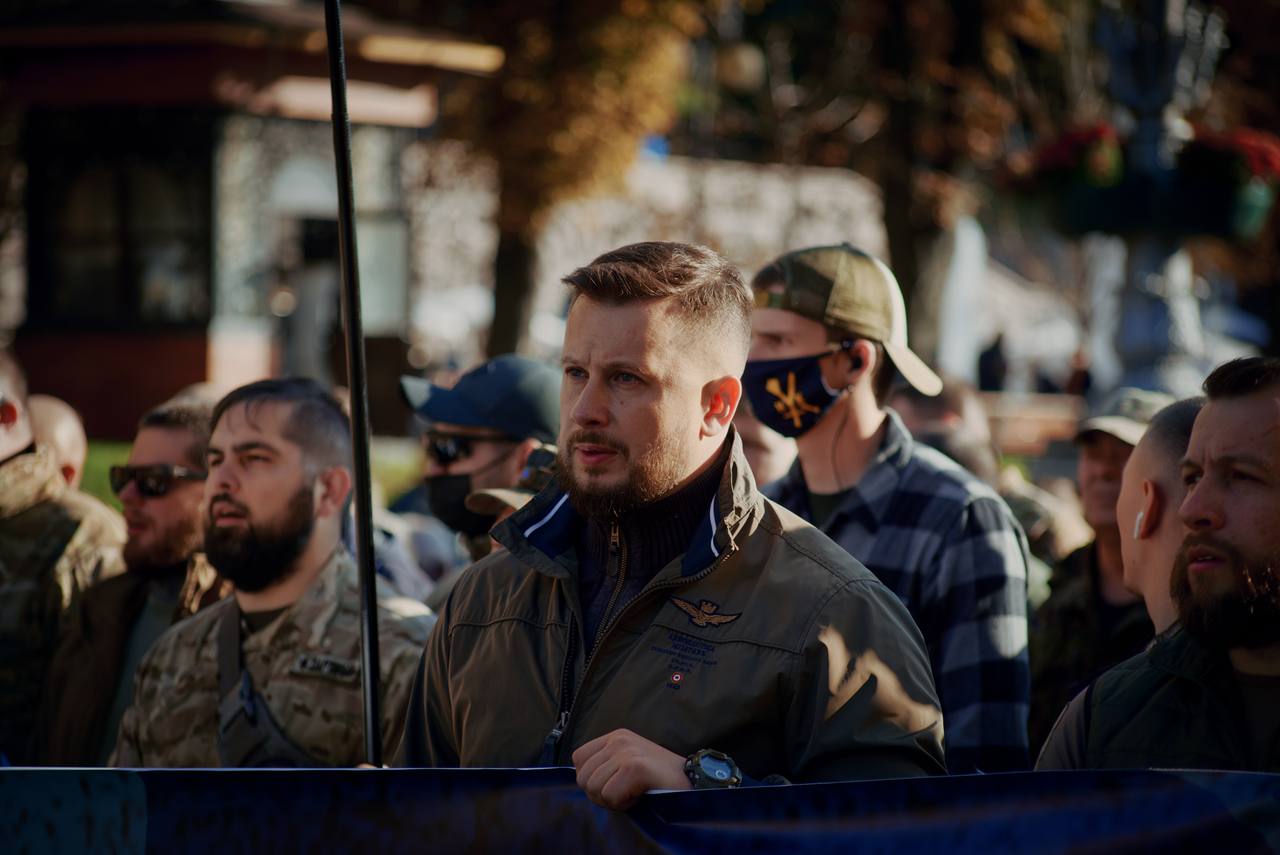
“We're the first in the world to use this tactic — dropping ground robots,” Biletskyi said. “The enemy expects the threat from the sky, not the ground.” He added: “Where the enemy least expected it, dead and wounded Russian soldiers appeared.” The claim to a world first cannot be established conclusively from the public record reviewed, but the disclosed method represents an unusual integration of aerial delivery and unmanned ground attack.
The numbers Kyiv is claiming — and what they would mean
The Third Army Corps says Operation Vivaldi killed or wounded about 3,000 Russian troops, reclaimed roughly 48 square miles — about 125 square kilometres — of occupied territory and recaptured five villages and three settlements in Donetsk. It named Shandryholove and Derylove as retaken and said it had established full control of Drobysheve. The corps also reported more than 15,700 missions and approximately 3,300 tons of cargo moved by robotic systems.
Every one of those figures is a Ukrainian military claim. No independent verification was available in the reporting reviewed for this article, and Moscow had not publicly confirmed the losses or territorial account. The Shandryholove–Drobysheve liberation claims therefore remain attributed, not established fact. If the mission and logistics totals are broadly accurate, however, they describe unmanned ground vehicles in the Ukraine war being used as a sustained operational system rather than as a demonstration.
Why this matters: the battlefield just tilted toward the machines
Russian defensive thinking, like that of every army in this war, is keyed heavily to threats from the sky: first-person-view drones, bomber drones, artillery and missiles. A weapon that arrives from above but attacks from the ground and from behind the line scrambles that model. Troops and sensors oriented toward the front and overhead now have to account for movement in a rear area that was presumed comparatively safe.
The second advantage is force multiplication. Machines can absorb missions that would otherwise expose Ukrainian infantry, drivers or sappers. More than 15,700 missions over roughly four months averages well above one hundred operations a day — attrition at machine scale. The economics matter too: even after adding the heavy-lift drone, a small four-wheeled robot can cost a fraction of the command post, logistics node or air-defence attention it consumes.
The quieter revolution: robots clearing the minefields
Alongside the attack missions, the corps disclosed a less dramatic but potentially more consequential use of robotics. Ukrainska Pravda reported that robotic demining cleared roughly 30 kilometres of routes in two nights with no sapper casualties. Militarnyi reported that robots neutralised roughly 60 per cent of anti-personnel mines in the relevant operating area. Those, too, are Ukrainian accounts and were not independently verified for this article.
Mined terrain is what slows every offensive. It funnels vehicles, stalls infantry and exposes engineers who must work in predictable lanes. A unit that can clear those lanes without losing trained sappers sets the tempo of manoeuvre for everything that follows. Robotic demining in Ukraine is unglamorous compared with a strike behind the lines, but it may be more decisive because it turns a lethal bottleneck into a repeatable mechanical task.
Putting the figures in context
The claimed 3,000 Russian casualties cannot be checked against any public Russian loss ledger, and Moscow has not confirmed the figure in the reporting reviewed. It should be treated as an upper-bound Ukrainian accounting rather than a verified toll. Wartime units have incentives to present success in its strongest light, particularly when seeking resources, recruits and international support.
The claimed 48 square miles is modest beside Russia's control of roughly 80 per cent of the Donetsk region. Yet the point is not the acreage alone. Territory reportedly retaken without a conventional infantry assault, by machines carrying out strike, logistics and engineering tasks, would mark a change in how ground can be contested. The number analysts should watch most closely is 15,700 missions: if substantially accurate, it indicates industrial-scale employment, not a stunt or a one-off Ukraine drone warfare 2026 video.
Who gains, who loses, what the skeptics say
Ukraine gains a replicable tactic, a manpower-preserving tool and a compelling case to partners funding its war effort. Russia faces a new rear-area problem: front-line troops now have to watch the ground behind them as well as the sky above. That could force electronic-warfare, surveillance and defensive resources to spread across a wider zone, even if only a portion of the reported UGV kamikaze drone missions reached their targets.
The skeptics' objections are substantial. The claims originate with the force that conducted the operation. Public footage is curated. The reported liberation of villages had not been confirmed by independent mapping in the sources reviewed. Heavy-lift drones also require windows of relative air safety and remain vulnerable to detection, jamming and interception. Yet the tactic's significance does not depend on the casualty count being exact. The ability to place an armed ground robot well behind an opposing line changes the defensive problem even when the damage from any single mission is limited.
What happens next: Russia's counter and Ukraine's scale-up
Likely Russian responses include denser surveillance in rear areas, more electronic warfare against UGV control links, dedicated counter-UGV patrols and mines or obstacles around likely drop zones. Russian forces may also try to identify and strike the heavy bomber drones before release. None of those measures is cost-free: protecting a larger rear area draws sensors, jammers and personnel away from other tasks.
Ukraine's path is to scale the technique from one corps to others and pair air-dropped ground robots with FPV swarms that can suppress or distract defenders. NATO staffs will be studying the concept closely because it combines inexpensive systems in a way that can force a much costlier response. The proliferation risk is immediate: the tactic is comparatively cheap to copy, and Russia or other militaries could adapt it as quickly as Ukraine can expand it.
Bottom line
Even discounted for claim inflation, Operation Vivaldi appears to be the first documented combat deployment of drone-delivered ground robots — a genuine tactical first with doctrine-level implications, and further evidence that this war's decisive innovations are coming from the machine side of the ledger.
Sources
- New York Post — Ukraine airdrops ground robots behind Russian lines
- SOFX
- Defence Matters
- Dagens.com
- Militarnyi
- Ukrainska Pravda
- Third Army Corps official @ab3army Telegram posts (September 20, 21 and 24, 2026)
- Brig. Gen. Andrii Biletskyi YouTube statement
Verification note: Operational totals, casualty figures and territorial claims are attributed to Ukraine's Third Army Corps. Signal Post News found no independent verification in the reporting reviewed, and Russia had not publicly confirmed the claims.
Related coverage
- Trump says Zelenskyy should settle with Putin before winter
- Russia and Ukraine trade deadly Saturday strikes
- Ukraine's path to licensed Patriot missile production