War / Ukraine — The Ukraine NATO procurement partnership announced on Thursday gives Kyiv a seat inside the alliance's own buying system — and gives Ukrainian defence companies a route to sell into NATO contracts, not just receive from them.
Ukraine has joined the NATO Support and Procurement Agency's Security Cooperation Support Partnership, the agency announced on Thursday, October 22 — a step that plugs the country fighting Europe's largest war since 1945 directly into the alliance's centralised procurement system. The Ukraine NATO procurement partnership is the first of its kind: Ukraine is, in the words of its Deputy Minister of Defence Mstyslav Banik, "the first and only country for which a separate partnership has been created as a single entry point to the Agency's work." Through it, Kyiv will be able to buy weapons, ammunition and military equipment through the agency, and Ukrainian companies will be able to compete for NATO contracts.
Track it live: Ukraine war map — live front-line and strike tracker
What was actually announced
The partnership Ukraine joined — the Security Cooperation Support Partnership, or SCSP — was set up in 2025 to deliver sustainable support to Ukraine through a structured procurement framework. Its existing members are Belgium, Luxembourg, Norway, Sweden, the United Kingdom and NATO Headquarters; Ukraine's accession makes it the seventh member and the only one the framework was built around. In NSPA support partnerships, members pool their demand for goods and services to achieve economies of scale, and the agency manages requirements and contracting on their behalf.
Two decisions made this possible. In April 2026, the North Atlantic Council — NATO's top political decision-making body — approved the NSPA issuing solicitations and signing contracts with Ukrainian industry. And on October 14, the agency marked the new partnership with an industry day in Kyiv attended by about 150 Ukrainian companies, a signal that the commercial machinery was being assembled before the political announcement.
The flow runs in both directions, and that is the part of Thursday's announcement most likely to matter in the long run. Reporting by Reuters, citing the Financial Times, described the buying side: NATO will allow Ukraine to buy weapons, ammunition and military equipment via its centralised procurement agency, potentially allowing Kyiv to obtain defence supplies faster and more cheaply. "It provides Ukraine with the ability to have a more structured framework to leverage a broad range of capabilities that we offer: procurement expertise, support services and access to established industrial base," Jacqueline Borsboom, the NSPA's director of support to operations, told the FT. The selling side is in the agency's own statement, quoted by several outlets on Thursday: "This partnership will help deeper connect Ukrainian industry with opportunities to grow, while enabling Allies and partners to learn from Ukraine's battle-tested innovation and operational experience," Borsboom said. "Our aim is to further strengthen Ukraine's industrial base and bring that expertise into the delivery and sustainment of capabilities."
Why this matters
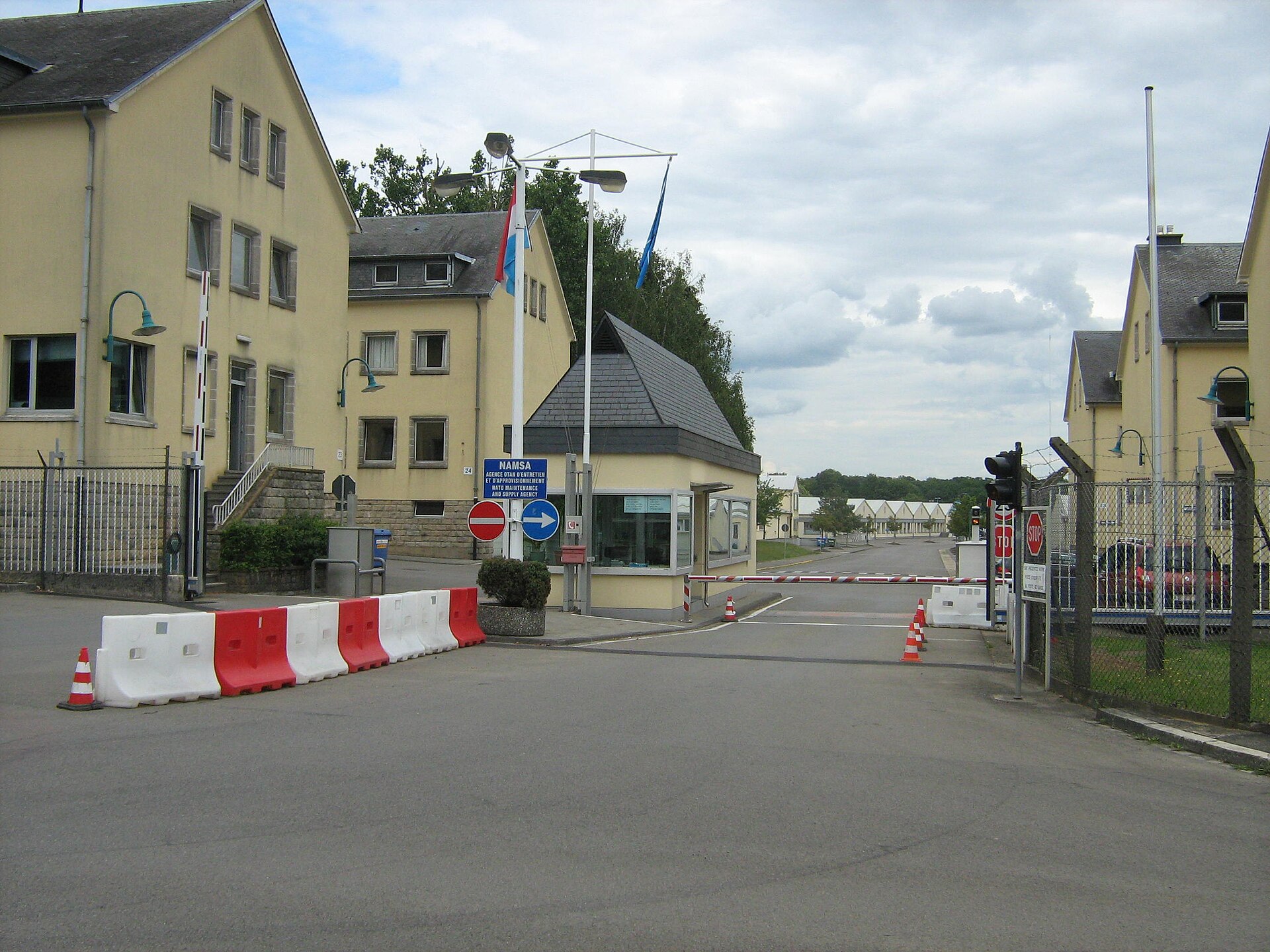
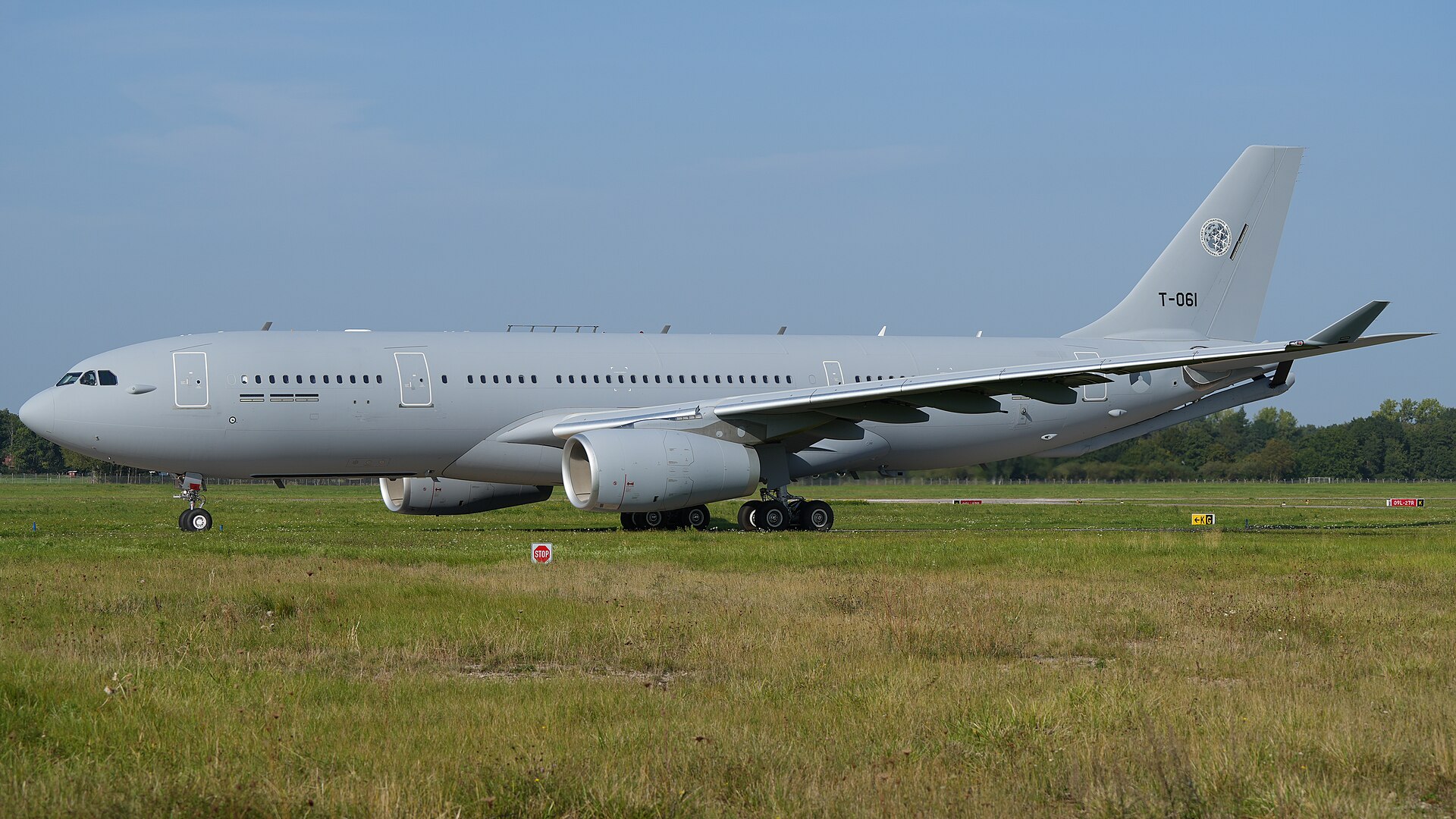
Wars of attrition are won and lost in procurement offices as much as on front lines. Ukraine's war effort has repeatedly run into the same bottleneck: not a shortage of money pledged, but the slow, fragmented business of turning pledges into signed contracts, production slots and delivered ammunition. Every major supply channel Kyiv has used so far — bilateral donations, ad hoc purchasing coalitions, direct commercial contracts — has had to be negotiated country by country and contract by contract. A seat inside the NSPA changes the plumbing. The agency is NATO's standing procurement machine: headquartered in Capellen, Luxembourg since the late 1960s, customer-funded and operating on a no-profit, no-loss basis, with a workforce of more than 1,500, about 1,000 of them in Luxembourg. It exists precisely to consolidate demand across nations so that a shell, a spare part or a tanker aircraft is bought once, at scale, rather than 32 times at retail.
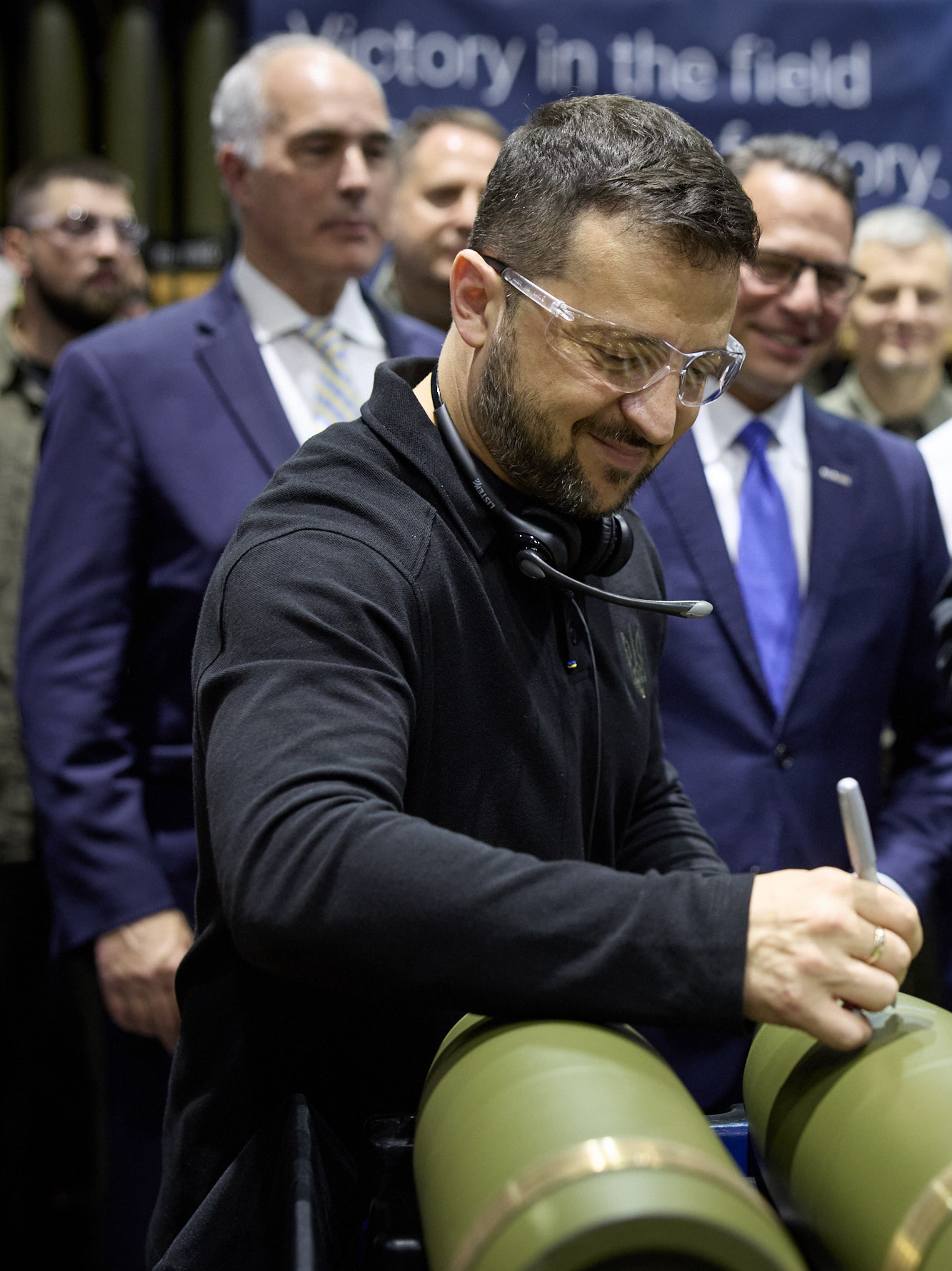
The timing sharpens the significance. The announcement landed in a week when US–Ukraine relations were visibly worsening — Reuters noted it came after President Donald Trump announced a diesel export deal with Russia, and after Ukraine complained of disruption to intelligence sharing and to its use of the Starshield satellite system, issues President Volodymyr Zelenskyy said a meeting in Oslo on Tuesday had agreed to resolve. Nobody announced on Thursday that the NSPA channel replaces American supply, and it does not. But every procurement route that runs through European institutions rather than a single capital in Washington is, for Kyiv, a hedge against exactly the kind of week it has just had — a week that also saw Kyiv absorb another massed missile and drone barrage even as peace talks were being revived, as we reported in our coverage of the strikes on the capital.
A supplier, not only a recipient
The second half of the deal may prove larger than the first. Ukrainian defence companies — above all its drone and electronic-warfare firms, which have iterated under live fire for more than four years — now gain a formal route to bid for alliance contracts, with NATO's April decision already authorising the agency to sign contracts with Ukrainian industry. That reverses the usual direction of travel in Western support for Ukraine. Allies are not only being asked to give; they are being offered structured access to the one defence-industrial asset none of them can manufacture at home: experience of what actually works against a peer adversary in 2026. Borsboom's statement leaned into that logic explicitly, framing the partnership as a way for allies to learn from Ukraine's "battle-tested innovation."
Context: how the buying war has been fought until now
Since 2022, Ukraine's supply has been a patchwork. Donated equipment arrived through bilateral decisions in allied capitals; ammunition was hunted on world markets by initiatives that pooled money from a dozen governments to buy shells wherever they could be found; and Kyiv's own procurement ran alongside, sometimes competing with its partners for the same production lines. The system delivered enormous volumes — and chronic delay, price competition between friends, and recurring crises when a single supplier's politics shifted, as Ukraine says happened with the Starshield speed limits described in our reporting on the satellite dispute and the subsequent arguments over who ordered them, covered in the White House's denial. Support partnerships are NATO's older, duller answer to that chaos: standing frameworks in which members consolidate requirements and let a single agency contract. The SCSP was created in 2025 specifically for Ukraine, and Thursday's step — full membership, with Ukrainian industry inside the tent — is the endpoint of a process the North Atlantic Council set in motion in April, not an improvisation in response to this week's headlines.
Who benefits, who does not, and what to be sceptical about
The clearest winners are Ukrainian manufacturers, who gain a potential export market measured against the alliance's collective demand, and Ukraine's procurement officials, who gain a structured framework at the moment their largest bilateral channel looks least predictable. European governments also gain: the partnership is a deliverable for the argument that Europe can build standing institutions for Ukraine's defence rather than renegotiating support after every election. NATO's agency gains relevance as the war's central purchasing desk.
Three cautions belong in the record. First, this is not NATO membership and carries no Article 5 guarantee; it is a commercial and logistics framework, however strategically framed. Second, no contract values, delivery timelines or named weapons programmes were announced on Thursday — the FT's "faster and more cheaply," reported by Reuters, is a statement of potential, and pooled procurement delivers savings only when members actually route orders through it. Third, Ukrainian industry selling into NATO tenders will face the alliance's compliance, standards and audit requirements, which have historically been a friction point in Kyiv's own procurement reforms. The partnership's real test is not the announcement but the first tenders: whether SCSP solicitations appear, whether Ukrainian firms win them, and whether ammunition and air-defence orders that Ukraine urgently needs are visibly flowing through the channel within months rather than years.
What happens next
Watch three things. The first signed NSPA contracts with Ukrainian companies under the April authorisation will show which categories — drones, ammunition, vehicles, services — the alliance actually wants to buy from Ukraine. The first Ukrainian purchases routed through the agency will show whether the buying side is being used for big-ticket items or only for support services. And the membership list will show whether the SCSP stays a seven-member framework built around five European states, the UK and NATO Headquarters, or whether larger allies join and turn it into the main desk for Ukraine supply. If all three move, Thursday's announcement will read in retrospect as the moment Ukraine's war supply stopped being a series of favours and became an institution. If they do not, it will read as one more framework in a war that already has many.
Sources
NATO Support and Procurement Agency, "Ukraine joins NATO Support Partnership — unlocking opportunities for Alliance support and cooperation," October 22, 2026: nspa.nato.int. Reuters, "Ukraine to be able to buy military supplies via NATO agency, FT reports," October 22, 2026 (reporting the Financial Times; Borsboom comments to the FT). Nordic Defence Sector, "Ukraine joins NSPA support partnership," October 22, 2026 (NSPA announcement; Banik and Borsboom comments; SCSP membership and Kyiv industry day details). Rapporteur / Euronews, "Ukraine joins NATO procurement partnership," October 22, 2026 (NSPA statement). NATO, "NATO agencies" (NSPA headquarters, Capellen; customer-funded, no profit–no loss basis).