Trump warns Houthis: the president says Turkey's Erdogan "would do as I ask" if Washington wants help striking the group behind the Riyadh airport attacks.
Trump Warns Houthis and Floats Asking Erdogan to Help Hit Them
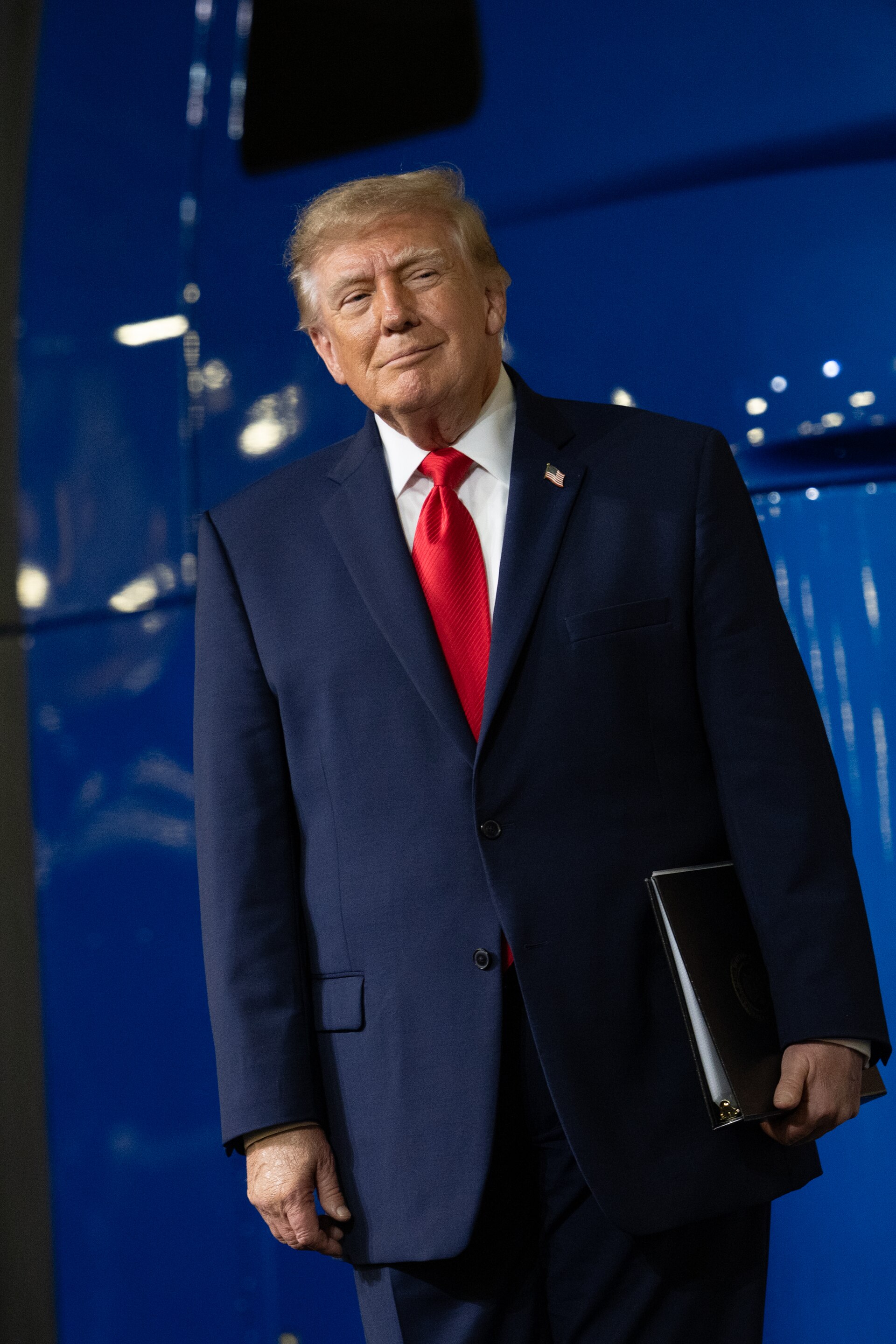
President Donald Trump warned the Houthis against further attacks on Saudi Arabia on Tuesday and said he might ask Turkish President Recep Tayyip Erdogan to help strike the Iran-aligned group, after a weekend of missile and drone attacks on Riyadh's King Khalid International Airport killed 13 people, including an American citizen, and wounded more than 300.
Track it live: Live war and conflict tracker
Speaking to reporters on Tuesday, Trump said the Houthis were "behaving very badly" and needed to stop their attacks, according to Reuters. The New York Post reported that he called the group "not nice," described the attack on the Riyadh airport as "terrible," and said he had spoken with Saudi Crown Prince Mohammed bin Salman. Asked whether he would request that Erdogan hit the Houthis, Trump replied: "I might do it." He added: "I have a lot of respect for the president of Turkey," and, in remarks also carried by Reuters: "President Erdogan, I think, would do as I ask."
It was the first time Trump has publicly floated bringing a third country's military into the campaign against the Houthis, and it came with an important caveat: the president has not yet made the request, and Turkey has not agreed to any offensive role. What Ankara has done so far — and what it has ruled out — matters as much as the suggestion itself, and both are set out below.
Why this matters
The remark matters for three reasons. First, the target: Turkey fields the second-largest military in NATO, and any Turkish participation would transform a Saudi-led campaign into something much larger. Second, the restraint it sits alongside: Washington has so far limited itself to intelligence and targeting support for Riyadh, and Trump has held to the May 2025 ceasefire his administration struck with the Houthis even after an American was killed. Third, the timing: the comment lands as Saudi Arabia is striking targets in the Yemeni capital after ordering civilians out (see our report on the coalition evacuation order for Sanaa), and as regional states line up behind Riyadh.
What happened at Riyadh's airport
The airport — Saudi Arabia's main international gateway, handling more than 30 million passengers a year in peacetime — has been attacked repeatedly over the past week. The country's General Authority of Civil Aviation (GACA) said attacks on Abha International Airport and King Khalid International on October 6–7 killed three people and injured 36. On Saturday, October 10, a ballistic missile struck the airport's domestic terminal complex, Terminals 3 and 4. GACA said 12 people were killed — four Saudis, two Bangladeshis, and one citizen each from the United States, Egypt, Jordan, Palestine, Syria and Sudan — and 309 were injured. On Sunday, a projectile hit Terminal 4, and GACA's follow-up said one more person, a Pakistani resident, was killed and 11 injured. Taken together, Reuters puts the weekend toll at 13 killed and more than 300 wounded; the Associated Press described it as the deadliest attack in a Gulf country since the Iran war began. (Our earlier coverage of the first attacks is here: Saudi Arabia confirms Houthi airport strikes killed 3.)
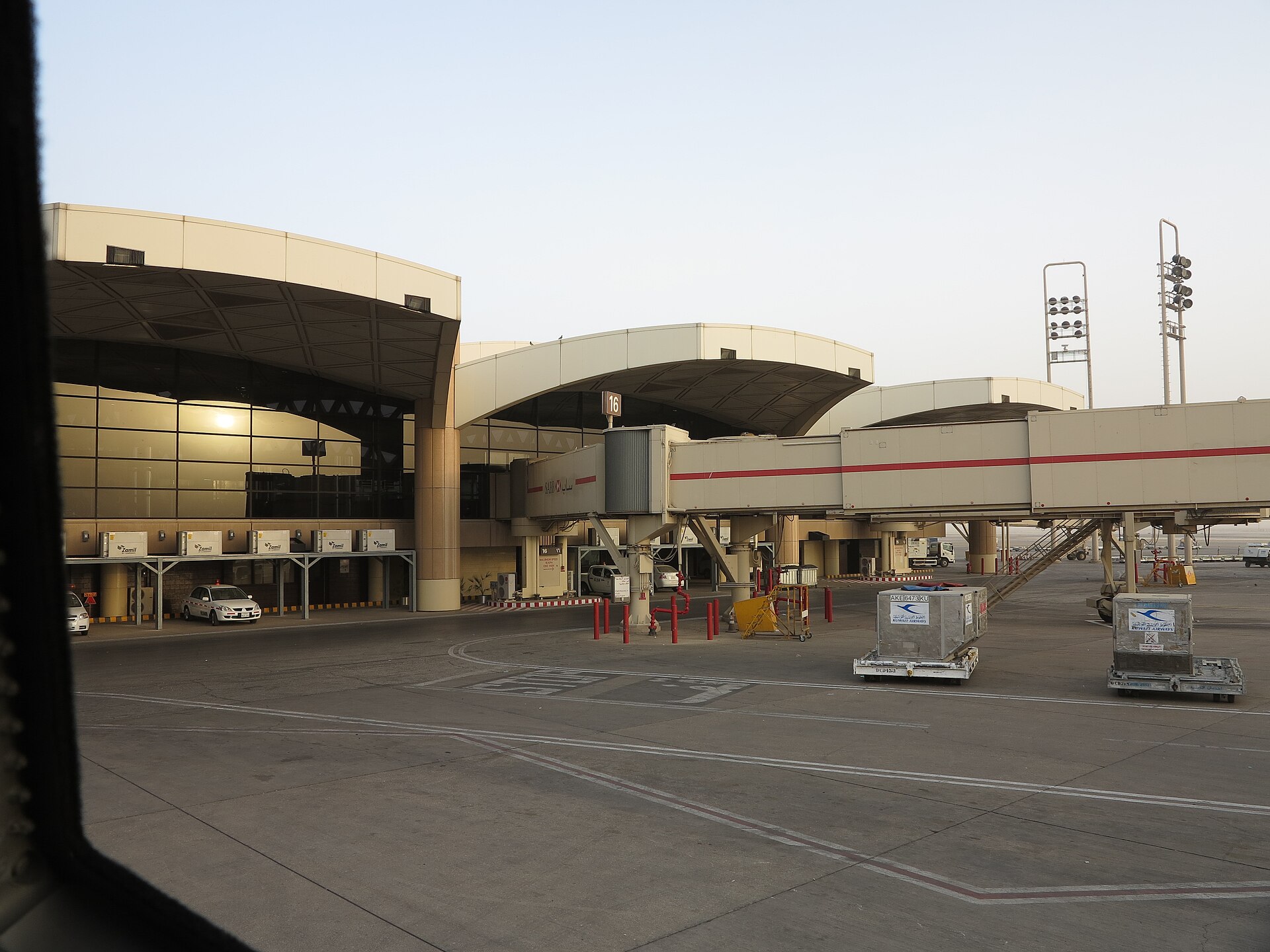
Major international airlines — among them Air France-KLM, Air India, Etihad, Lufthansa, Delta, Gulf Air and Qatar Airways — suspended flights to Riyadh, according to Al Jazeera's reporting. Saudi Arabia's cabinet, chaired by Crown Prince Mohammed bin Salman, said the Houthis would face consequences, and the Saudi-led coalition called the airport strike a "fully-fledged war crime."
Washington's response so far
Secretary of State Marco Rubio issued a formal condemnation. "The United States strongly condemns the recent attacks on the Kingdom of Saudi Arabia by the terrorist Houthis, including today's strike on King Khalid International Airport in Riyadh that took numerous innocent lives, including an American citizen," Rubio said. "These reprehensible attacks demonstrate a blatant disregard for innocent civilian life. They must stop now. We stand with the Kingdom of Saudi Arabia and its people and extend our condolences to the victims and their families."
Trump himself has moved more cautiously on direct American involvement. Asked on Saturday whether the United States would join Saudi strikes, he said: "We may. We're going to look at it," adding: "We just found out about the recent attack. So we'll make a decision. We move very quickly." He also said Washington was "in communication" with the Houthis. Reporting by Reuters, carried by Newsmax, says the United States currently provides intelligence and targeting help but not offensive forces, and that Washington has so far rebuffed Saudi efforts to bring it directly into the war — which is part of what makes the Erdogan remark significant: rather than committing American forces, the president is publicly weighing whether an ally's forces might do more.
Hovering over all of this is the deal Trump struck in May 2025, when the United States and the Houthis agreed a ceasefire that halted Houthi attacks on American vessels. The New York Post notes that Trump has continued to stand by that agreement and, until now, has declined to join strikes on the group even as the Saudi-Houthi war escalated around it.
The Turkey card
Turkey is not a bystander in this crisis. On Tuesday, according to the Turkish presidency via Reuters, Erdogan told Crown Prince Mohammed bin Salman that Ankara would stand by the kingdom — a statement of support that stopped short of any specifics. Turkey also joined Saudi Arabia, Egypt and Pakistan in a joint statement condemning the Houthi attacks. And this summer, Saudi Arabia, Turkey and Pakistan signed a mutual defence pact — although, as Reuters notes, Turkey still needs its parliament to ratify the agreement before it fully binds Ankara.
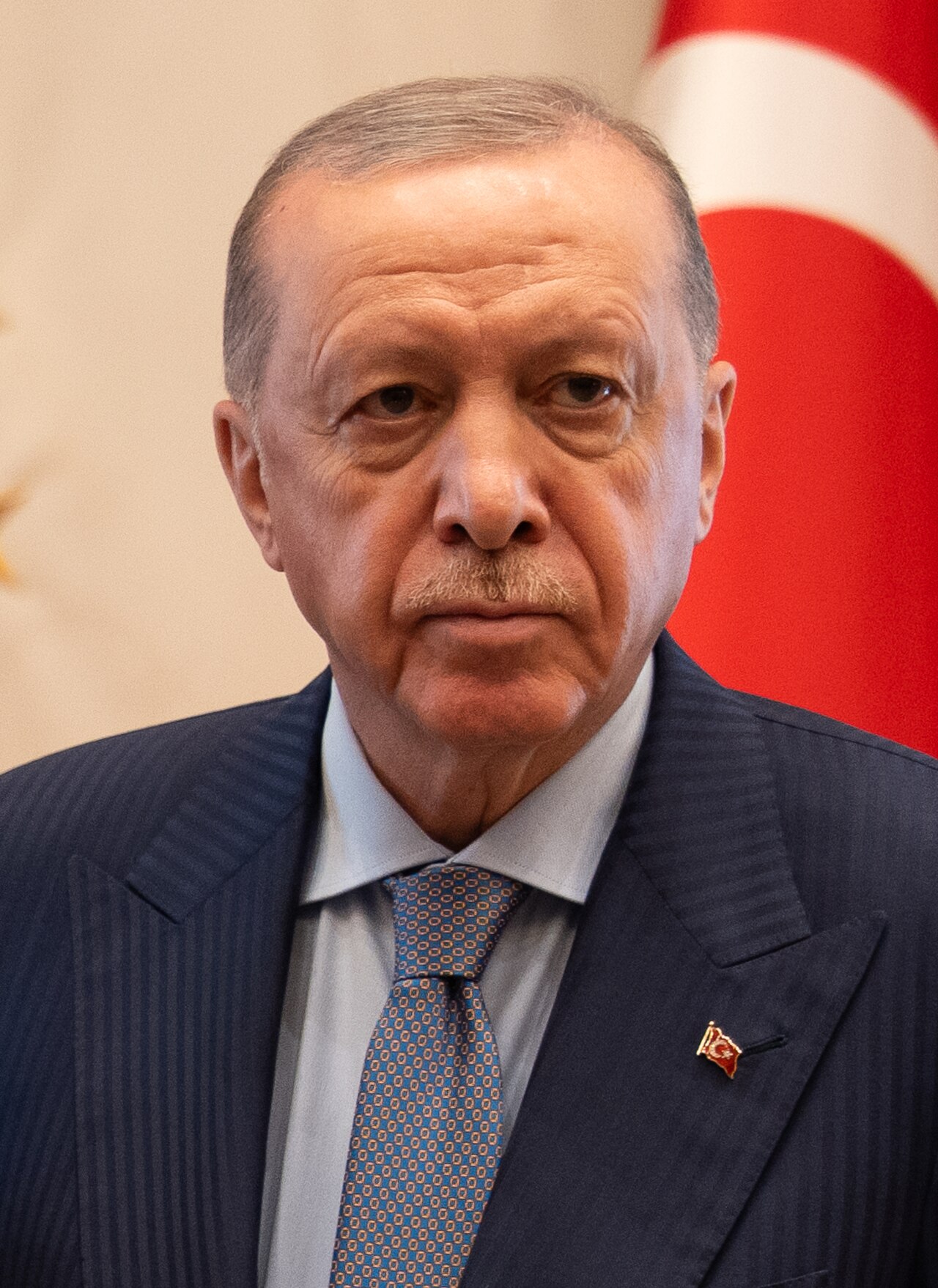
That distinction is the heart of the story. As our earlier reporting set out (Turkey's foreign minister rules out an offensive role), Ankara has framed its support for Saudi Arabia in defensive and diplomatic terms, even as it deploys military backing (see Turkey deploys military support). Nothing in Tuesday's statements from the Turkish presidency commits Turkish aircraft or troops to attacking Yemen. Trump's suggestion that Erdogan "would do as I ask" is, at this stage, the president's own characterization — not an agreement, and not something Erdogan has publicly accepted.
The Houthi position
The Houthis, who control much of northern Yemen including the capital, Sanaa, have claimed the airport attacks and threatened more. Their military spokesman, Yahya Saree, claimed responsibility for the strikes, and in a statement on Sunday the group said airports had become "a theatre of operations for our forces" and that the Saudis bore "responsibility for any failed interceptions," according to the New York Post. After the Saudi-led coalition ordered civilians to evacuate areas of Sanaa on Monday, Saree warned of a "harsh and painful" response in Riyadh and said civilians should evacuate the Aramco headquarters in Dammam, King Khalid International Airport and the Aramco refinery in Riyadh — warnings reported by Al Jazeera. The group has also threatened Aramco's headquarters and the Riyadh refinery directly. These are the Houthis' own claims and threats; they are reported here as such, and the group had already warned the United States against joining the fight (see Houthis warn US of a painful response).
Saudi Arabia's own campaign
Riyadh is not waiting for Washington or Ankara. After its evacuation warning, the Saudi-led coalition struck the Yemen Oil Company site in the al-Subaha area west of Sanaa, according to Al Jazeera's correspondent; the Houthi-run oil company claimed the storage tanks were already empty, a claim that could not be independently verified. Saudi warplanes also hit the Ras Isa port and an oil station in Hodeidah, the correspondent reported. On the ground, Reuters reports the Saudi-backed Yemeni government has opened an offensive near the Bab el-Mandeb strait — a chokepoint whose importance has grown since the closure of the Strait of Hormuz — while Houthi forces have made gains around Taiz. Iran, the Houthis' backer, has offered to mediate: Foreign Minister Abbas Araghchi made the offer on Sunday and repeated it on Monday, according to Reuters.
What happens next
Three questions now decide where this goes. The first is whether Trump converts a remark to reporters into a formal request to Ankara — and what Turkey, whose parliament has yet to ratify the defence pact, would ask in return. The second is whether the United States crosses its own line and joins strikes directly, which would end the May 2025 ceasefire in practice whatever its formal status. The third is whether the Houthis carry out their threats against Saudi energy sites, which would widen the war again. For now, the confirmed facts are narrower than the rhetoric: the airport attacks killed 13 people, the condemnations are on the record, and the Turkey option exists as a presidential suggestion — nothing more, and nothing less.