Trump Tyson Syracuse rally
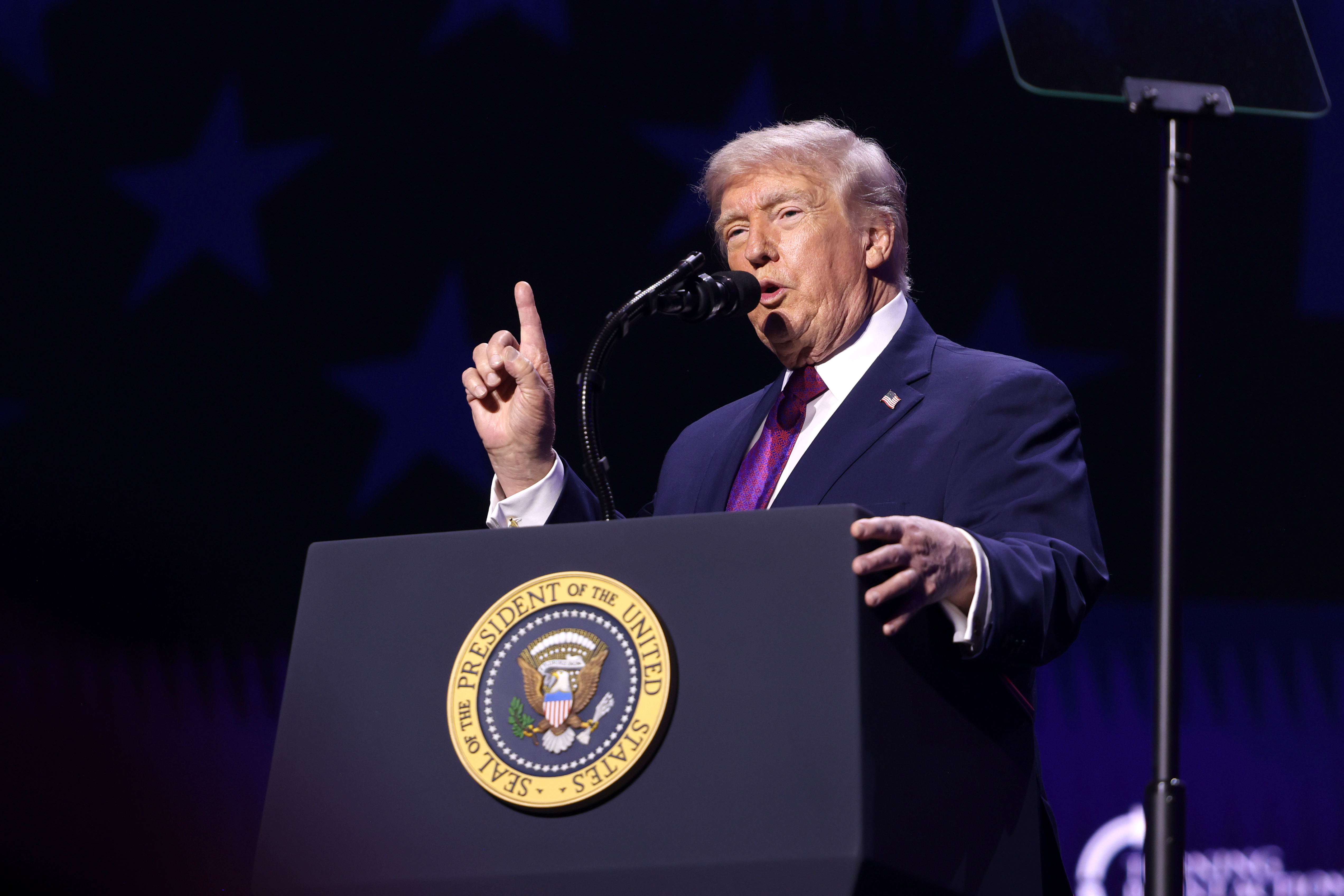
SYRACUSE, New York — The Trump Tyson Syracuse rally delivered its defining image Friday night when President Donald Trump called boxing legend Mike Tyson from the audience onto the stage at the Nicholas J. Pirro Convention Center. Tyson had visited the White House earlier in the day, walked out with Trump and traveled with him aboard Air Force One before appearing at the rally for Republican gubernatorial nominee Bruce Blakeman.
The sequence fused friendship, celebrity and campaign strategy 25 days before the November 3 midterms. Trump praised Tyson as one of boxing’s greatest fighters and joked that Blakeman had found “personal security.” Tyson, standing beside the president, told the crowd he was there because of Trump. The spectacle gave a familiar Trump endorsement event an instantly shareable moment while keeping the political focus on Blakeman’s challenge to Democratic Gov. Kathy Hochul.
What happened
From the Mike Tyson White House visit to Air Force One
Tyson’s role began in Washington. He visited the White House on Friday, stepped into the briefing room and later emerged with Trump before the president departed for New York. At the White House, Trump framed the visit through their long relationship: “I won’t be fighting him today, but I’ve been his fan for a long time. We’ve been friends for a long time, Iron Mike, ain’t nobody like him.”
Tyson then boarded Air Force One with Trump for the flight to Syracuse. That travel made the appearance more than a chance encounter in the crowd. The White House stop, joint departure and flight placed Tyson inside the day’s political choreography before either man reached the Oncenter complex.
The Oncenter Syracuse rally and its campaign cast
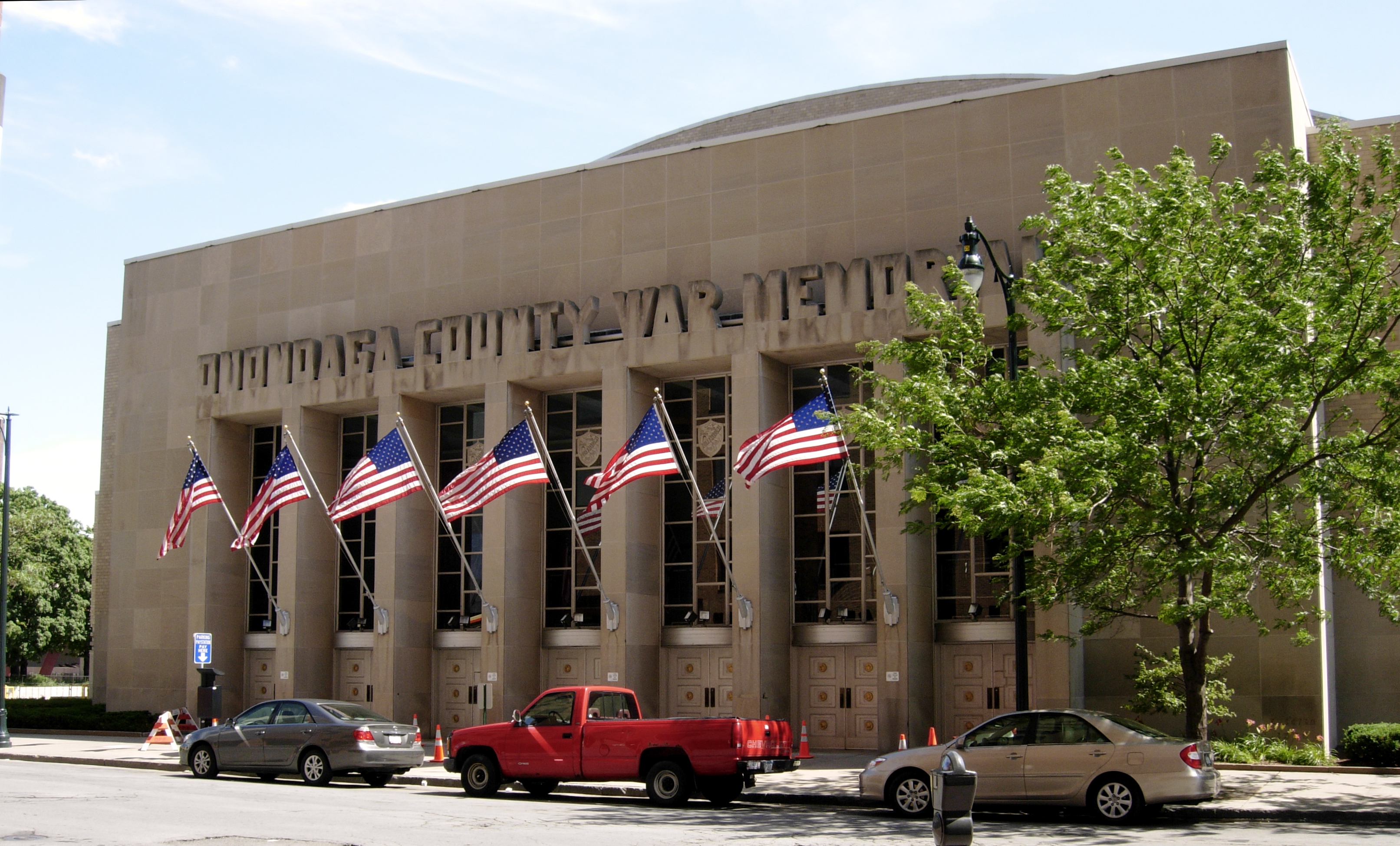
The rally took place at the Nicholas J. Pirro Convention Center, part of the Oncenter complex. Blakeman used the stage to promise jobs, lower taxes and utility bills, and stronger public safety. Trump amplified those themes, touting Micron’s planned $100 billion semiconductor complex in central New York and saying it would bring 50,000 jobs.
Trump also recognized EPA Administrator Lee Zeldin and brought Yankees president Randy Levine into the event, joking about the team’s American League Division Series sweep. Republican House candidates Kailee Buller in NY-22 and Anthony Constantino in NY-21 appeared as well. Constantino described Tyson as a “personal hero,” connecting the celebrity moment to the down-ballot candidates assembled around the president.
Two protesters were removed during the event. The crowd thinned toward the back as the program continued, and Trump ended his remarks at 9:37 p.m. ET.
The Tyson moment
Mike Tyson on stage in Syracuse
Trump interrupted his political remarks after spotting Tyson in the audience. “I see somebody in the audience that I will never fight, I promise,” he said, calling Tyson “one of the greatest fighters in history.” He then turned the introduction into a line for Blakeman: “Bruce wants a little protection, he’s got the right guy.”
Tyson’s response was brief and emphatic: “I’m just happy to be here with my president, President Trump, and there’s no way in the world I would ever be here if it wasn’t for a president like Donald Trump.” Trump answered, “I don’t want to fight him,” then added, “You look good, Mike.”
The humor worked because the crowd understood both men’s public identities. Tyson’s reputation supplied the punch line; Trump’s long association with professional boxing supplied the familiarity. The exchange did not introduce a new policy argument, but it created the kind of uncomplicated visual that can dominate coverage of a longer political speech.
Why this matters
What the Mike Tyson Trump rally image signals
Celebrity endorsements rarely convert cleanly into votes, and Tyson’s appearance offers no measurable proof that undecided New Yorkers changed their minds. Its value lies elsewhere: attention, cultural shorthand and coalition signaling. Tyson brings fame that reaches beyond conventional political audiences. Trump brings a campaign organization built around personal loyalty and media spectacle. Putting the two together tells supporters that the coalition is broad enough to include sports icons, business figures and political candidates on the same stage.
The appearance also fits Trump’s established method of making endorsement events feel less like standard campaign stops and more like unpredictable live shows. A recognizable guest can reset attention, generate short video clips and give supporters a moment to discuss that is separate from policy detail. For Blakeman, the advantage is borrowed reach. The risk is that the celebrity scene becomes the story while the candidate and his program recede.
The Trump Blakeman endorsement and New York GOP math
Trump’s presence can intensify turnout among Republicans who already see him as the party’s center of gravity. That matters with only 25 days left. Yet a statewide New York race also requires persuading voters beyond the most committed base. The same rally that energizes loyalists may help Democrats frame Blakeman as inseparable from Trump.
That tension is the central strategic question. A Trump midterm rally in New York can nationalize the contest, supply volunteers and command coverage. It can also shift attention away from state-specific concerns. Blakeman must gain more from Republican enthusiasm than he loses among voters who view the president negatively.
Background: a friendship rooted in Atlantic City boxing
From Tyson–Spinks to the Mike Tyson White House visits
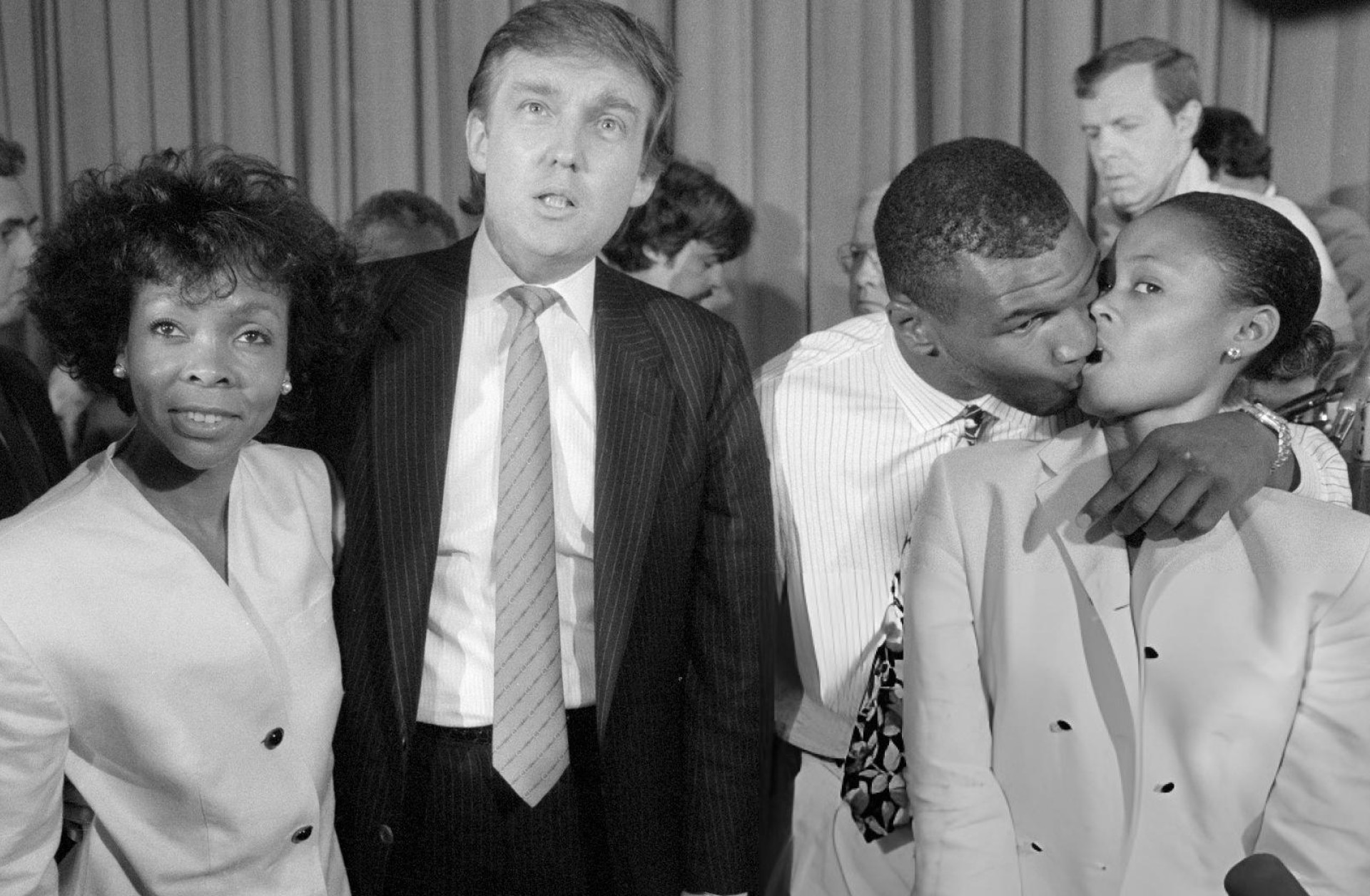
Trump and Tyson’s friendship reaches back to the Atlantic City boxing world of the 1980s. Trump Plaza hosted the Tyson–Michael Spinks heavyweight title fight in 1988, when Tyson’s career and Trump’s casino brand occupied the same entertainment ecosystem. The archival image above comes from that era, not from Friday’s rally.
The relationship remained visible decades later. Tyson attended Trump’s January 2025 inauguration and visited the White House again in November 2025. Friday’s visit therefore extended an established personal connection rather than launching a new political alliance.
The Tyson Diddy letter Trump subplot
Tyson recently told SiriusXM host Andy Cohen that he personally delivered a letter from Sean “Diddy” Combs to Trump, according to a New York Post report. The details of that meeting remain unclear. The claim is relevant as part of the recent Trump–Tyson relationship, but it should not be read as evidence of a decision, commitment or outcome that has not been established.
The stakes in New York
Bruce Blakeman, Kathy Hochul and the governor’s race
Blakeman, the Nassau County executive, is trying to unseat Hochul. His pitch in Syracuse centered on jobs, taxes, utility costs and public safety. Trump reinforced that argument and claimed Blakeman would cut energy bills by “70, 80, 90%.” The remark was a campaign claim, not a documented projection presented at the rally.
The Bruce Blakeman Kathy Hochul contest presents voters with sharply different alignments: a Republican challenger running with Trump’s full endorsement against a Democratic incumbent whose party is organizing against the president’s agenda. The Syracuse event was meant to turn the national Republican brand into concrete state-level momentum.
Kailee Buller, Anthony Constantino and the House races
The stage also served the House map. Buller’s NY-22 race and Constantino’s NY-21 race give Republicans reasons to invest in turnout beyond the governor’s contest. A presidential visit can lift attention across multiple campaigns at once, but the benefits are not automatic. Each candidate still faces district-specific voters, organizations and issues.
Micron’s $100 billion central New York argument
Trump’s Micron reference tied the rally to a concrete regional economic project. The planned $100 billion semiconductor complex and its projected 50,000 jobs let the president connect national industrial policy to central New York. For Republicans, the message is that large-scale investment should translate into local opportunity. For voters, the test is whether promised construction, employment and supply-chain gains materialize as described.
Who wins, who loses
Potential winners
Trump gains a high-visibility moment that reinforces his role as the Republican campaign’s central draw. Tyson receives a warm reception and a public affirmation of his long friendship with the president. Blakeman gains national attention and the organizational energy that follows a presidential rally. Buller and Constantino gain exposure alongside the party’s most prominent figure.
Central New York also benefits from having the Micron project placed inside a national political argument. Whether that rhetorical attention becomes accelerated investment is a separate question.
Potential losers and strategic costs
Hochul and New York Democrats face a Republican event designed to consolidate turnout and dominate a news cycle. But they also receive material for their own contrast: tying Blakeman directly to Trump and arguing that celebrity theater cannot answer concerns about costs and governance.
Blakeman carries the event’s largest two-sided risk. If the rally mobilizes Republicans without alienating persuadable voters, he gains. If Tyson’s appearance overwhelms Blakeman’s message or if Trump’s presence sharpens Democratic opposition, the attention may not translate into the coalition a statewide challenger needs.
What critics say
Gillibrand’s warning, protesters and the long-shot frame
Before Trump spoke, Democratic Sen. Kirsten Gillibrand issued a statement criticizing what she called the president’s “chaos, corruption, and cost increases.” Her argument presented the rally as an opportunity for New Yorkers to reject Trump-aligned politics rather than embrace Blakeman’s endorsement.
The removal of two protesters showed visible opposition inside the venue, while the thinning crowd toward the back late in the evening complicated any simple reading of enthusiasm. Neither fact alone establishes statewide sentiment. A rally is a self-selected audience, and departures during a long program can have multiple explanations.
Critics characterize Blakeman’s campaign as a long shot because he is challenging a Democratic governor in New York. Supporters answer that the final stretch is exactly when a high-attention presidential event can change participation and perception. Without specific polling numbers in the verified record for this report, the responsible conclusion is narrower: the rally raised Blakeman’s visibility, but its electoral effect remains uncertain.
What happens next
After the Trump Syracuse rally tonight
The midterm tour now moves into its final 25 days. Trump is likely to keep using rallies to connect his national message to Republican candidates, while Democrats will continue arguing that those candidates should be judged through the president’s record. Blakeman must convert Friday’s attention into organization, turnout and a clearer case against Hochul.
The earlier Signal Post News preview explained the schedule and political stakes before Trump arrived in Syracuse. The wider turnout challenge is examined in our analysis of midterm voter enthusiasm. Friday’s event supplied spectacle and a memorable endorsement image; Election Day will show whether either changes votes.
Sources
- Fox News OutKick — Tyson’s stage appearance and remarks
- Fox News Politics — Trump’s Blakeman rally and New York campaign context
- Democrat and Chronicle — live chronology, speakers, protesters and rally wrap
- Washington Examiner — rally livestream and campaign setting
This report distinguishes confirmed events and direct quotations from campaign claims and analysis. The electoral impact of Tyson’s appearance cannot yet be measured.