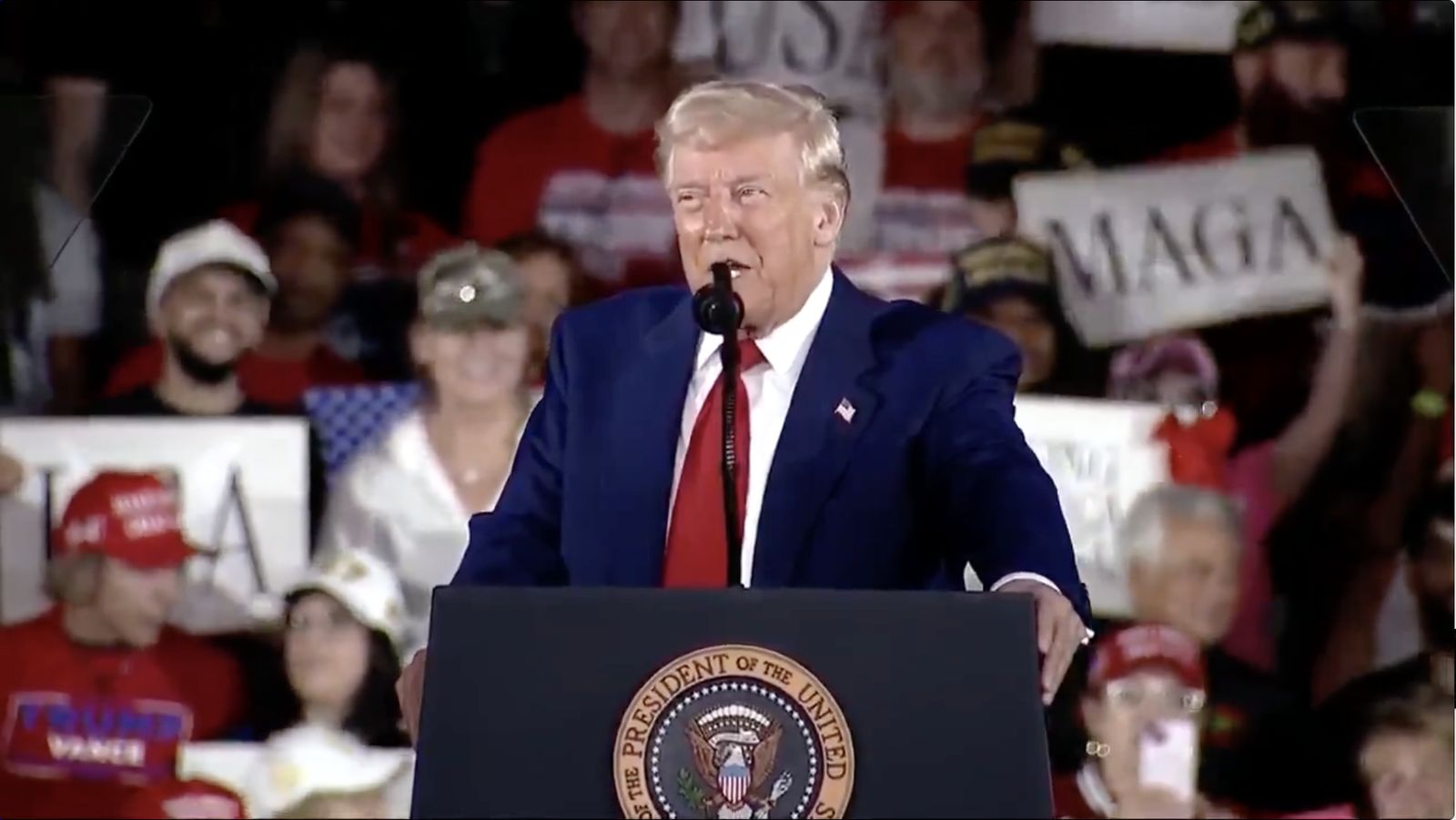
Politics — President Donald Trump told a midterm rally in Fort Myers, Florida, on Friday, October 23, 2026, that the United States would “take care of Cuba on our way back from Iran,” describing American warships stopping off the Cuban coast before Secretary of State Marco Rubio goes in to “finish up the deal” — the most theatrical version yet of a pressure campaign that has already cut the island’s fuel lifeline and plunged it into blackouts.
Track it live: Live war and conflict tracker
The Trump take care of Cuba remark came on Friday at a midterm campaign rally at Florida Gulf Coast University’s Alico Arena in Fort Myers, where the president said the United States would deal with Cuba after Iran and would send Secretary of State Marco Rubio to close the arrangement, Reuters reported. “We’ll take care of Cuba on our way back from Iran … then we’re going to send Marco Rubio in to finish up the deal,” Trump told the rally. The line was not a prepared policy announcement. It was an answer to a supporter who shouted a question about Cuba — and, as the fullest local account shows, the president answered it with a piece of naval theatre.
What he actually said: ships, a stop off the coast, and Rubio
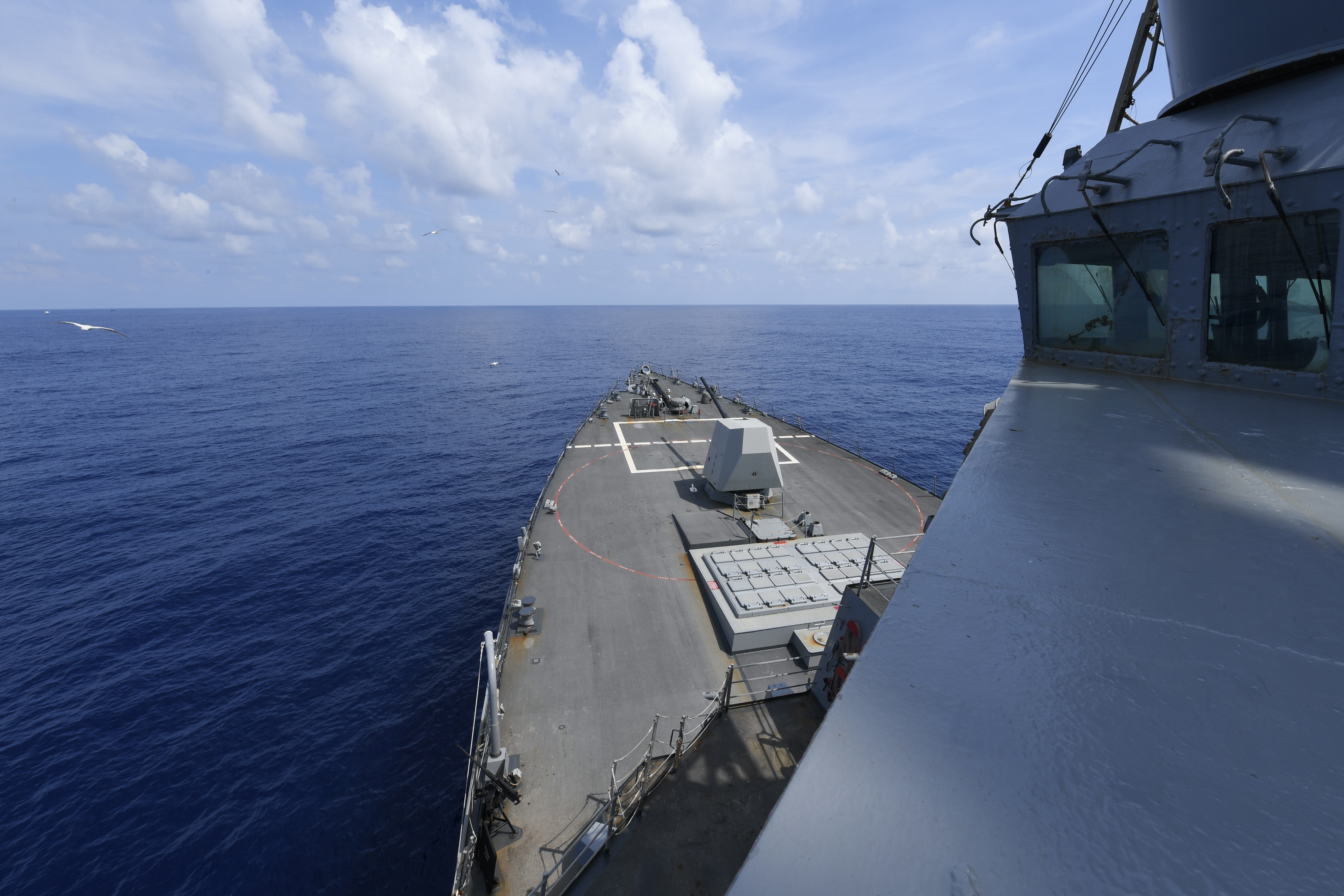
The Fort Myers News-Press, whose reporters were in the arena, carried the exchange in its live coverage. Responding to the shout about Cuba, Trump said: “He wants to know about Cuba. Give me a break. Give me a break. Don’t worry. We’ll take care of Cuba on our way back. … Actually what we’re going to do with Cuba is we’re going to come back from Iran. Those beautiful ships. We’ll pass Cuba. We’ll have one of them stop about 50 yards off the coast. They’ll raise up their hands and then we’re going to send Marco Rubio in to finish up. We don’t even have to stop.”
Read literally, it is a surrender scene: an American warship anchors yards off the Cuban coast, Havana raises its hands, and the Cuban-American secretary of state walks in to dictate terms. Read as politics, it is something else — a promise, made in Florida eleven days before the November 3 midterm elections, that the administration’s Cuba endgame will be quick, bloodless and total. Both readings matter, because only one of them is a plan. The administration has previously stated its goal is to change Cuba’s communist government, according to Reuters, and last month Trump predicted the US and Cuba would reach an agreement and said he did not think military action would be necessary. Friday’s version kept the deal — Rubio is sent to “finish” one, not to invade — but wrapped it in a show of force.
The same rally pointed at Iran, too
Cuba was not the only capital put on notice in Fort Myers. In the same speech, Trump boasted of American military equipment — “You saw that during Venezuela, and you see it now” in Iran — invoked the operations he called Midnight Hammer and Epic Fury, and warned, in the News-Press account: “We may do another little Epic Fury. If they’re smart, they’ll say, ‘Let’s get down to business.’ But you know, I doubt they’ll do that because perhaps they’re not smart.” He also claimed the capture of Venezuela’s Nicolás Maduro — seized by US forces in a January raid, as Reuters has reported — as a completed American victory whose oil is now being produced with US involvement.
The sequence is the strategy in miniature. Venezuela first, Iran in progress, Cuba “on our way back”: three governments, presented to a rally crowd as stops on a single victorious itinerary. That framing is why a shouted question in Fort Myers is a foreign-policy story. The president is no longer describing pressure on Havana as a policy. He is describing it as a scheduling item.
The squeeze is already real, whatever the rhetoric
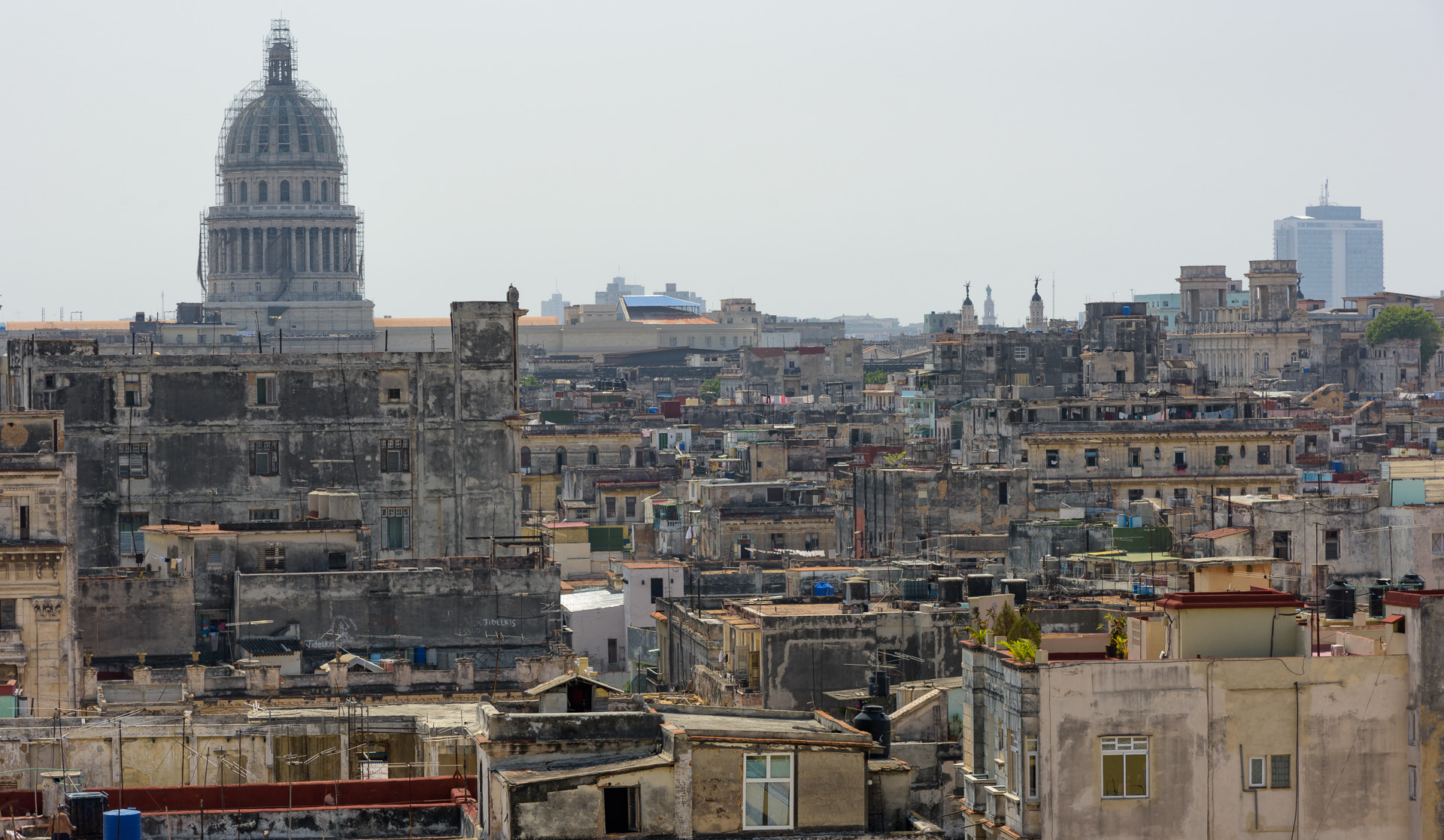
Strip away the theatre and the underlying campaign needs no embellishment. Washington has maintained an embargo on Cuba for more than 60 years. This year the administration escalated sharply: a January 29 executive order declared Cuba a national emergency threat and targeted third parties that supply it oil, and a US-imposed oil blockade has since put the island under severe strain, with fuel shortages and blackouts exacerbated by failing infrastructure, according to Reuters. Signal Post News has documented the machinery of that squeeze in detail — the US seizure of Cuba-bound fuel shipments, the collapse of Cuba’s power grid, and the stranding of flights as Havana ran short of aviation fuel. In September, CBS News reported that Army Reserve headquarters had asked whether support formations could be available to US Southern Command within 90 to 120 days — a readiness question Signal Post News covered in US Army Reserve Asked to Be Ready for Possible Cuba Action — though no deployment order followed, and Trump said at the time that he did not think the military would be needed.
Havana’s public position has held two notes at once. Cuba’s foreign minister told the UN General Assembly last month that Cuba would always be open to dialogue with Washington, Reuters reported — even as Trump used the same UN gathering to call Cuba a failed state that “will fall” and said Rubio was deep into negotiations, a claim the Cuban delegation answered by walking out and the foreign minister answered by saying there were no negotiations. Rubio, for his part, has said Washington hopes Cuba will choose “a different path” from communism, and has warned those in Havana who believe they can wait out this administration that they will learn the lesson “the hard way.”
Why this matters
Friday’s remarks matter less for what they announce — no order, deployment or negotiating text accompanied them — than for what they reveal about how this administration sequences coercion. The Cuba pressure campaign is built like a siege: cut the oil, seize the shipments, sanction the intermediaries, let the blackouts argue the case. The rally line adds the final siege instrument, humiliation — the image of a warship stopping so close that surrender becomes a formality and the deal a signature ceremony. Sieges work on morale as much as on supply, and the audience for that morale play is triple: Havana’s leadership, which is meant to conclude that time is not on its side; Florida’s Cuban-American electorate, which is meant to hear a promise kept; and Tehran, which heard the same speech promise “another little Epic Fury” and can do the arithmetic about which capital is listed last.
The numbers explain why Washington believes the siege can work. Cuba lost its Venezuelan oil lifeline when Maduro was seized in January; the blockade then targeted the replacement supply, and the island’s grid — already failing before this year — has collapsed repeatedly. An economy that cannot keep its lights on cannot easily outwait an administration, which is the bet Rubio has stated openly. But the historical ledger cuts the other way: six decades of embargo, through administrations of both parties and crises far sharper than this one, did not produce a change of government in Havana, and the one armed attempt to force one, in 1961, produced the opposite. The difference this time is not American resolve. It is Cuban fragility — and fragility, in a state built around control, can produce concession or collapse, but it has never reliably produced the tidy, sign-here ending the Fort Myers crowd was promised.
Who gains, who pays, and what the critics say
If a negotiated opening comes, the gainers are easy to name: an administration that can claim the Western Hemisphere settled on its terms; Florida Republicans campaigning eleven days out from a midterm in the state where Cuba policy is ballot-box politics; and American businesses eyeing a market of 11 million people 90 miles offshore that has been closed to them for two generations. The payers, so far, are ordinary Cubans, for whom the pressure campaign is not an abstraction but a blackout, a queue and an empty pharmacy shelf — a cost that critics of the blockade, including UN human-rights voices cited in legal commentary this autumn, describe as collective punishment, and that defenders describe as the only language Havana’s government has ever answered. Inside Cuba, the hard question runs in both directions: every concession extracted under duress strengthens the argument of those in Havana who say dialogue with Washington is surrender by instalments — which is, of course, exactly the scene the president described.
What happens next
Three scenarios follow from Friday. First, the negotiation the president keeps predicting: quiet talks, run by Rubio, in which fuel relief is traded for prisoner releases, migration cooperation and economic opening — the outcome Trump himself forecast last month when he said a deal would come and the military would not be needed. Second, the long siege: no talks, no surrender, and a slow-motion humanitarian deterioration that eventually forces the question Washington has so far avoided — what the United States does the day the Cuban state can no longer function, 90 miles from Florida. Third, the theatrical option made literal: a visible naval presence off the coast intended to force the first scenario. Nothing in Friday’s remarks committed the administration to any of the three, and that is precisely the point of saying it at a rally rather than a podium in the State Department. What to watch is narrower and checkable: any announced Rubio channel to Havana, any change in the blockade’s enforcement against third-country tankers, and whether the warships of the president’s story ever actually turn toward the Caribbean on their way back from Iran.
Sources
Reuters, “Trump says US will ‘take care of Cuba’ on its way back from Iran,” October 23, 2026. The News-Press (Fort Myers), live coverage of the Trump rally at Florida Gulf Coast University’s Alico Arena, October 23, 2026. Washington Examiner, “Trump’s Cuba siege is a waiting game,” October 2026 (background on the September UN exchange, the January 29 executive order and the Army Reserve readiness reporting). Fox News interview with Secretary of State Marco Rubio, reported October 2026 (Rubio on Cuba choosing “a different path”).