Trump Putin plague call
Why this matters
Leader-level calls about a possible biological event are unusual. So is an embassy instruction saying citizens “should depart immediately.” Together they indicate genuine U.S. concern, even though neither step proves an outbreak. Pneumonic plague can pass between people through respiratory droplets; without prompt treatment it can be rapidly fatal, while early antibiotic treatment can be effective. That combination—not a confirmed diagnosis—is what has elevated one laboratory worker's death into an international issue.
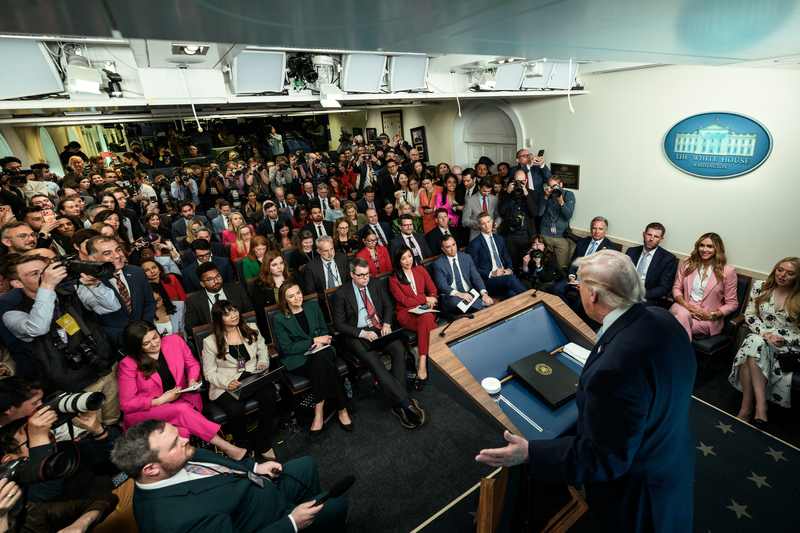
At the White House on October 6, Trump said the call was scheduled “very soon” and added, “So far we are in very deep discussions. We will be able to report about it probably tomorrow.” The promised Wednesday update now becomes the first test of whether private diplomacy produces verifiable public facts.
How the Irkutsk plague lab concern began
Daria Shipilova death and the Russia anti-plague institute
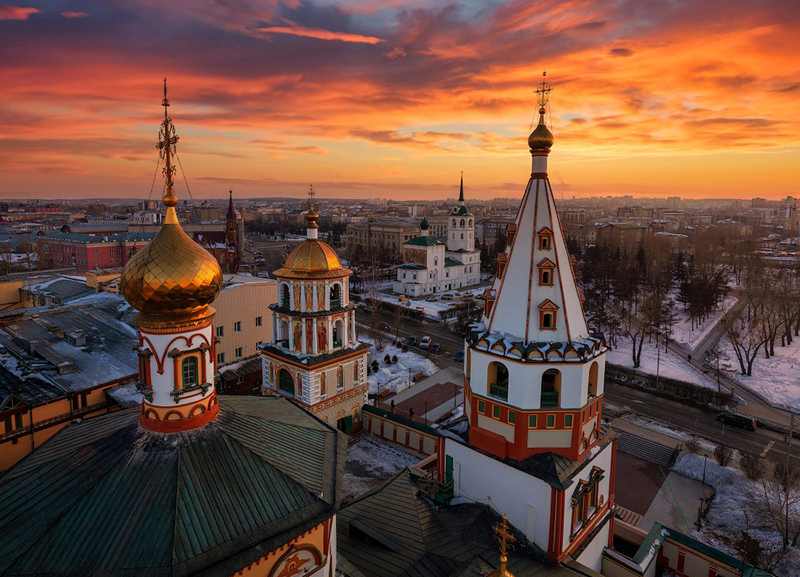
Daria Shipilova, a 28-year-old technician at an Anti-Plague Research Institute near Irkutsk, died October 2 at a hospital outside the city. Reports say she had broken a test tube containing a dangerous pathogen. Russian officials have described her illness as “pneumonia of unknown aetiology,” not plague. Hundreds of people are reportedly under medical observation, hospitals in Irkutsk have closed and quarantine measures remain in place.
Russia's anti-plague institutes descend from a Soviet network designed to surveil, diagnose and contain dangerous infections. That history supplies expertise, but past secrecy around laboratory incidents also gives unverified claims room to grow. The responsible distinction is firm: a reported plague lab accident in Siberia is under scrutiny, but there is no confirmed evidence that Shipilova died of plague or that a pathogen escaped.
US embassy Russia depart immediately advisory
The U.S. Embassy said Tuesday, “US citizens currently in Russia should depart immediately,” citing press reports of suspected pneumonic plague in the Irkutsk region, hospital closures and quarantine measures. It also warned that the U.S. government has limited ability to help Americans in Russia, especially outside Moscow. That is an operational warning about consular capacity as well as a public-health signal.
Secretary of State Marco Rubio declined to characterize the event as an accidental release or a modified strain. “It would be irresponsible for me here to sit and speculate because we just don't have all the information yet,” he said. The State Department said Sunday that it was monitoring events with the CDC, that many details were unconfirmed, and that Russia should share accurate information quickly and openly.
Three institutions, three risk thresholds
Pneumonic plague Russia: WHO calm versus embassy alarm
The positions are not necessarily contradictory. WHO assesses reported epidemiological evidence: it says Russia has reported no confirmed cases in Irkutsk and that contacts of the deceased show no signs of illness. An embassy manages risk for its citizens under conditions where help may be limited. Moscow manages domestic order and state credibility. Each actor can rationally reach a different public posture from the same incomplete record.
The WHO contact data currently favors containment as the most likely scenario. But the number under observation and reported hospital closures explain why U.S. officials are not treating the uncertainty as routine. Confirmation would require transparent clinical and laboratory evidence, not political statements or viral speculation.
Trump offers help Russia plague; Shelekhov quarantine response
Trump offered assistance Monday, calling it “a rough disease” and saying the United States was “always willing to help.” He also said germs had become “stronger and smarter” than vaccines and that medicines once used for pneumonia did not work as well. Those remarks mixed diplomacy with a broad medical claim; the central clinical point is that suspected plague requires rapid diagnosis and appropriate antibiotics, not rhetorical certainty.
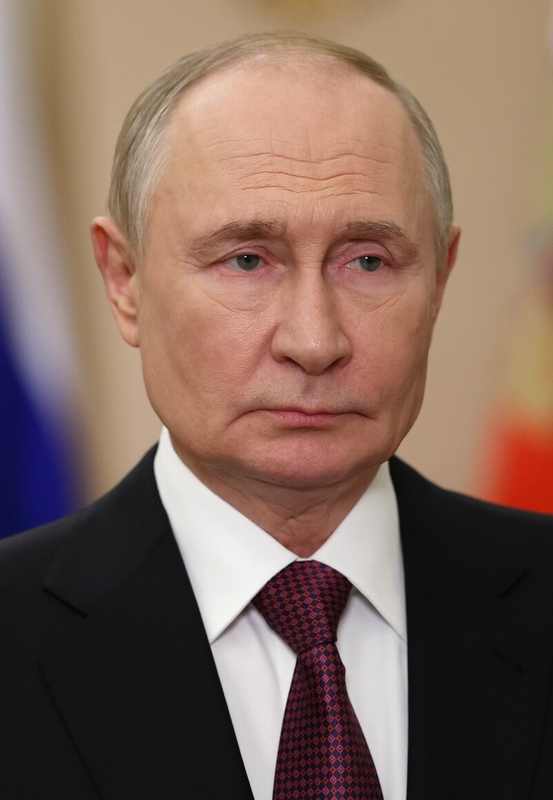
Elena Sofyina, the Shelekhov district's deputy mayor for social-sector management, rejected the need for outside help: “We can handle it ourselves” and “The situation is under full control.” She said the dangerous diagnosis remained unconfirmed while precautions continued. For Moscow, accepting help could improve technical cooperation but carry a sovereignty cost. For Washington, offering it creates a health-diplomacy opening but also raises the political stakes if promised evidence does not appear.
What the numbers do—and do not—show
“Hundreds under observation” describes surveillance, not hundreds of cases. Hospital closures and quarantine restrictions can be precautionary. Zero confirmed cases reported to WHO is reassuring, but it is not the same as a complete independent audit. Pneumonic plague is dangerous when untreated and far more manageable when identified early and treated promptly with antibiotics; the outcome depends heavily on speed.
Critics of Russia will see the sparse disclosure as another secrecy problem. Critics of the U.S. response will say the embassy warning risks amplifying an unconfirmed diagnosis. Both arguments deserve scrutiny, but neither supplies missing laboratory results. The next useful evidence would be a confirmed cause of death, pathogen testing, the observation period and status of contacts, and any documented secondary transmission.
What happens next
Containment, escalation or a diplomatic opening
Containment is the leading scenario on the public evidence. If monitored contacts remain symptom-free and testing confirms no plague, restrictions can ease and the episode may remain a tragic laboratory death surrounded by uncertainty.
Escalation remains possible. A confirmed case or symptomatic contact could bring wider quarantine orders, additional travel advisories and international requests for samples or technical access. That would make the speed and quality of Russian disclosure decisive.
Diplomacy could cut either way. A productive Trump–Putin exchange could open technical cooperation while insulating public health from broader tensions. A call that yields no shared facts could harden suspicions on both sides.
Watch Wednesday for the report Trump promised, any Russian release of clinical or laboratory findings, WHO updates on contacts, changes to the Shelekhov quarantine, and whether the embassy revises its departure guidance. Until those facts arrive, precision matters: alarm is real, the death is real, but a plague outbreak is not confirmed.
Sources and further reading
Signal Post News World Desk