Trump offers Russia plague help
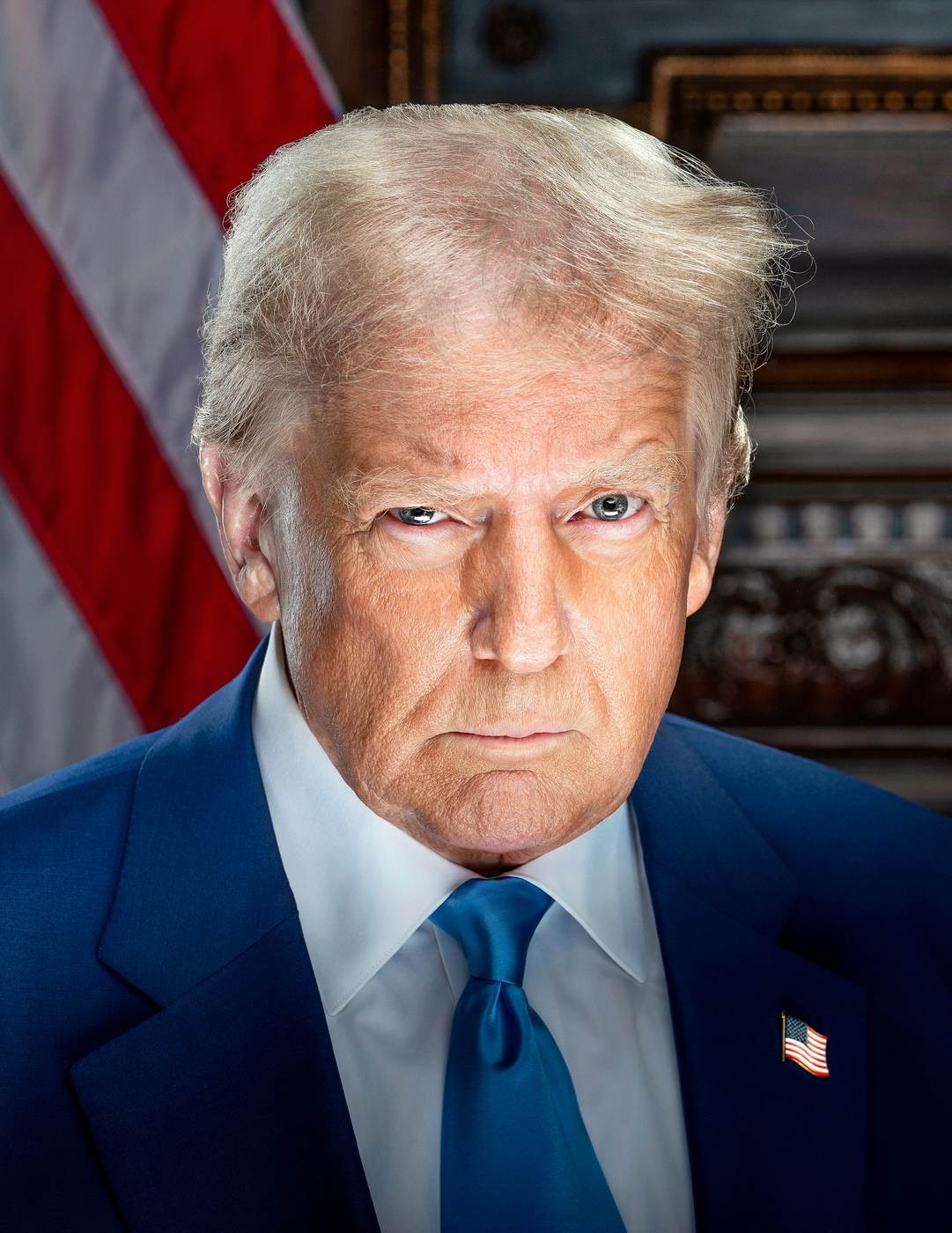
Trump offers Russia plague help after the mysterious death of a 28-year-old laboratory worker in Siberia put nearly 200 people under medical observation and prompted hospital quarantines, cancelled events and a regional mask mandate. President Donald Trump called the suspected pneumonic plague case “a rough disease” and “a big problem for Russia,” while stressing that the United States would assist if needed.
The public offer arrives before the central fact has been settled. Russian authorities describe Daria Shipilova's death as pneumonia of unknown origin and say testing has found no pathogen tied to her laboratory work. International reporting, citing local accounts, says a broken tube containing Yersinia pestis may have exposed her. The World Health Organization says the cause remains unconfirmed and assesses the public risk as low.
What Trump actually said
Trump-Putin plague offer is public, unilateral and still unanswered
Trump spoke to reporters at the White House on October 5 before leaving for Nebraska. “We'll help,” he said. “Anybody who has that kind of a problem, we'll always help.” He described plague as “a rough disease” and compared stronger microbes to “an army.”
Asked whether the disease could reach the United States, the president said his administration was looking at the possibility “very strongly.” He returned to Russia's use of the word pneumonia and argued that microbes and germs have become harder to treat, then repeated that Washington would help. Trump acknowledged that he had not spoken with Russian President Vladimir Putin about the matter. For now, the offer is a public signal, not a negotiated operation.
The distinction matters. Technical assistance requires an invitation, access to samples and data, agreement on who enters the affected facilities, and a clear role for U.S. public-health specialists. None of that has been announced. Trump's words create an opening; Moscow still decides whether it becomes a channel.
What Washington knows — and does not know
Marco Rubio, Russia plague monitoring and the demand for transparency
Secretary of State Marco Rubio said earlier Monday that Washington was “watching and monitoring it closely.” He did not call the reports a cause for alarm, but said they deserved focus. Rubio pointed to the limited volume of travel between the United States and Russia while also noting that an uncontrolled infectious disease could spread.
A State Department spokesperson told CNBC that the department was monitoring the situation with the Centers for Disease Control and Prevention and other interagency partners. The spokesperson also emphasized that many details were unconfirmed and urged Russian authorities to provide accurate information quickly and openly.
That carefully balanced formulation is the center of the U.S. position: no confirmation, no immediate alarm, and no willingness to accept reassurance without evidence. Our earlier reporting examined both the White House monitoring of the suspected Russia plague case and the State Department's transparency demand as the CDC joined the review.
Why this matters
A narrow public-health opening in a relationship defined by war
The story is larger than a president's remarks on a Monday afternoon. Public-health diplomacy is one of the few channels that can still function between Washington and Moscow when arguments over Ukraine, sanctions and arms control have frozen most others. A disease scare offers politically defensible ground for cooperation because pathogens do not respect alliances. Trump's proposal tests whether that ground is real or merely rhetorical.
The offer also pressures the Kremlin to clarify what happened. Accepting American help could be read by critics as a concession that the situation is more serious than the official “pneumonia of unknown etiology” description suggests. Refusing it could deepen suspicion that Moscow prefers opacity. Silence carries its own cost. The simultaneous U.S. call for transparency makes the diplomatic choreography plain without proving any hidden diagnosis.
Trump's language matters as well. His image of germs becoming stronger “like an army” frames a biological threat as an adversary. That instinct can steer political attention toward borders, travel and containment, while the scientific questions are narrower: what organism was present, how was exposure possible, and what do the samples show?
Finally, there is a visible gap between institutional calm and local precaution. The WHO assesses public risk as low and says it is in contact with Russian authorities. In the Irkutsk region, hospitals were placed under restrictions, events were cancelled and masks were required. Those facts can coexist: aggressive containment can keep risk low. But when officials do not explain the evidence behind their actions, that gap becomes fertile ground for misinformation.
How we got here: a timeline of the Siberia plague scare
Late September — the reported Irkutsk anti-plague institute incident
According to local outlet Lyudi Baikala, in an account cited internationally, 28-year-old laboratory technician Daria Shipilova accidentally broke a test tube said to contain live Yersinia pestis while collecting specimens at the Irkutsk Anti-Plague Research Institute of Siberia and the Far East. Russian officials have not confirmed that account, and the precise exposure mechanism remains disputed.
September 29 — hospitalization with severe pneumonia symptoms
Shipilova was admitted to a hospital in Shelekhov, near Irkutsk, with severe respiratory symptoms and was placed on a ventilator. The speed of her deterioration fueled the suspicion of pneumonic plague, but severe pneumonia can have multiple causes. Symptoms alone cannot identify the pathogen.
October 2 — Daria Shipilova's death and an unresolved diagnosis
Shipilova died on October 2. Rospotrebnadzor, Russia's public-health watchdog, attributed the death to “pneumonia of unknown etiology” and said expanded testing found no microorganisms linked to her laboratory work. Irkutsk regional governor Igor Kobzev referred to a “particularly dangerous infection” without naming it.
October 2–4 — Russia plague quarantine measures widen
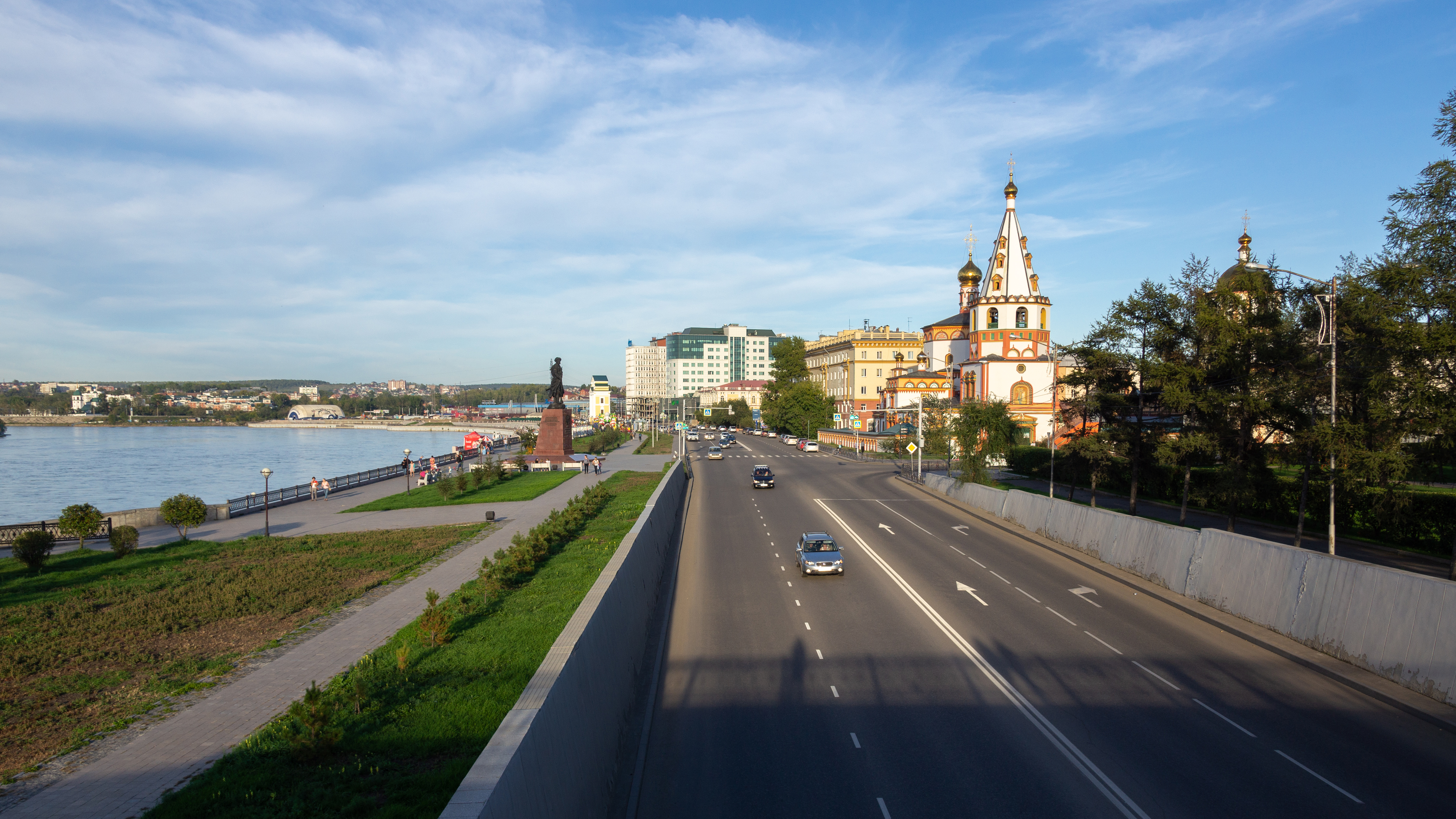
Authorities placed between 189 and 200 contacts under medical observation, restricted hospitals in Shelekhov, introduced a mask mandate in the Irkutsk region and cancelled public events. Officials said that none of those under observation had developed symptoms by October 5 and that initial tests were negative. The original sequence and contact response are detailed in our report on the Irkutsk lab worker's death and nearly 200 monitored contacts.
October 5 — Washington responds as WHO says plague risk is low
Rubio described a situation requiring attention but not alarm. The State Department called for transparency. Trump offered help. The WHO said the cause of death was not confirmed, testing was continuing and public risk appeared low. Those positions are not contradictory: each treats the case as unresolved while assigning different weight to diplomacy, surveillance and public reassurance.
Two narratives, one death
Moscow's account and the case made by skeptics
Moscow's account is consistent and limited. A young researcher died of pneumonia of unknown origin; testing did not find a microorganism connected to her work; authorities found no confirmed laboratory accident; and the sanitary situation is stable. Under that account, the hospital restrictions and contact monitoring are precautionary measures around a dangerous but unidentified illness.
The competing account, first carried by local reporting and then amplified internationally, holds that Shipilova contracted pneumonic plague in a laboratory accident. Some critics regard the word pneumonia as a euphemism, drawing on a broader history of official secrecy during health emergencies. Yet the decisive laboratory findings have not been released publicly, so neither confidence nor suspicion can substitute for the results.
What can be verified is the scale of the response. Keeping nearly 200 people under observation and imposing hospital restrictions is an extraordinary reaction to a routine pneumonia death. That response explains why the official description has not ended speculation. It does not, by itself, establish that plague was confirmed.
The responsible conclusion is provisional. Russian officials should release the test methods, specimen results and incident findings. Until then, claims that Shipilova certainly died of plague and claims that plague has been definitively excluded both outrun the publicly available evidence.
The numbers, in context
Pneumonic plague symptoms are frightening; the contact data are reassuring
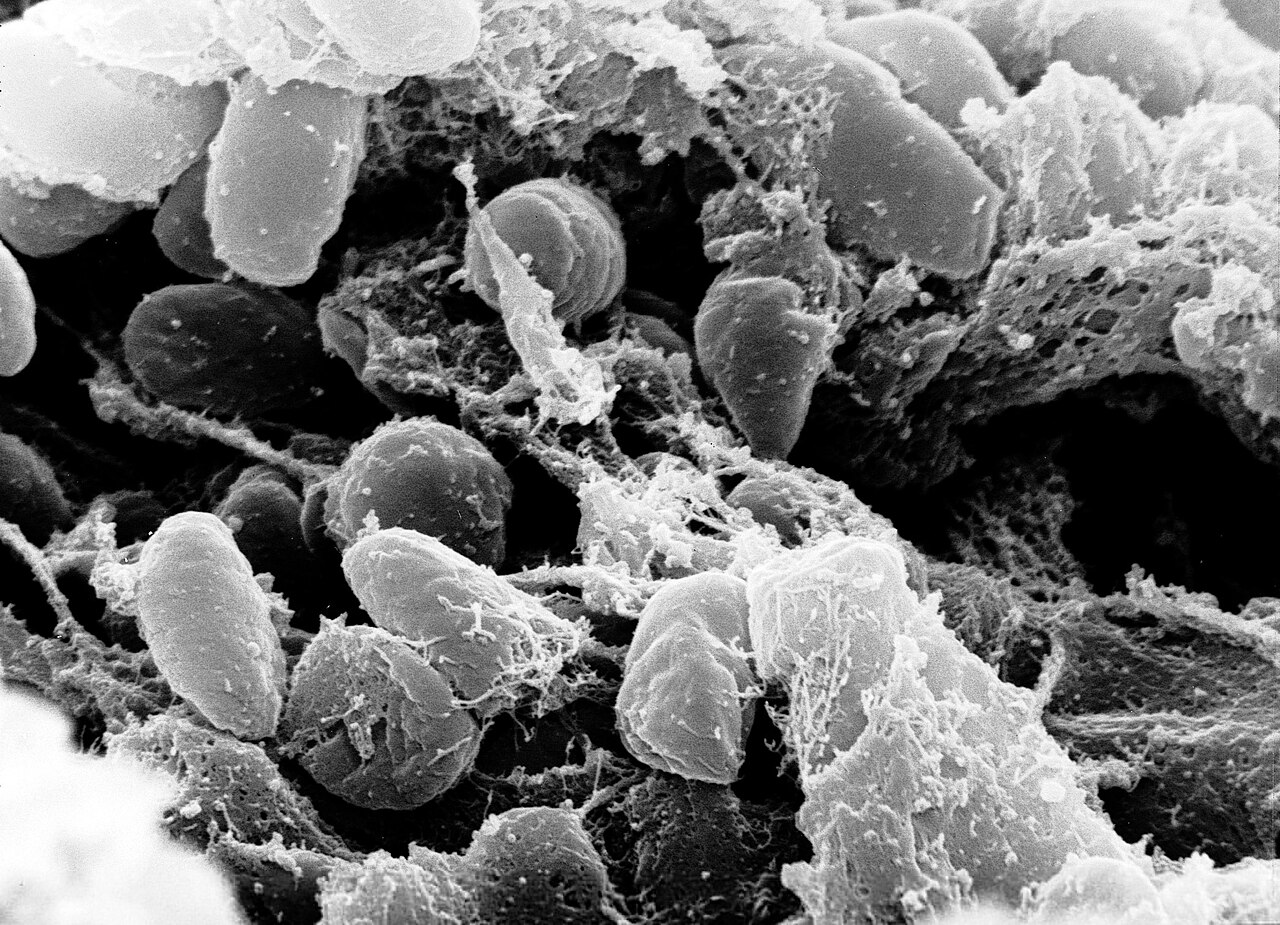
Pneumonic plague is a lung infection caused by Yersinia pestis, the same bacterium behind the Black Death. Unlike the flea-associated bubonic form, pneumonic plague can move from person to person through respiratory droplets during close contact. Untreated disease is often fatal; prompt treatment with commonly available antibiotics can cure it. That combination explains both the fear surrounding the word plague and the WHO's measured tone.
The most consequential number is zero: zero symptomatic cases among roughly 200 monitored contacts as of October 5, according to officials. If the group remains symptom-free through the relevant incubation period, the evidence will increasingly favor an isolated incident rather than a spreading outbreak. Initial negative tests strengthen that assessment, although the testing schedule and methods have not been independently reviewed.
Geography also argues against treating a laboratory accident as the only possible source. Plague circulates naturally among wild rodent populations across parts of Central Asia. The institute is roughly 150 miles from Russia's border with Mongolia, a region where natural plague foci are plausible. That does not establish natural exposure; it shows why transparent laboratory and epidemiological testing matters more than speculation about a single pathway.
Who benefits, who loses, what the skeptics say
The politics of an offer that costs little but forces a choice
Trump gains the image of a statesman prepared to help even an adversary. The offer costs Washington little while talks over Ukraine remain stalled, yet it gives the president a ready answer if the disease is confirmed: assistance was available from the start. Global-health advocates could benefit if the moment produces practical U.S.-Russia epidemiological cooperation rather than dueling statements.
The Kremlin faces the sharpest dilemma. Accepting help may validate the perception of a larger problem. Rejecting it may look defensive. Remaining silent lets outside speculation define the story. Moscow can reduce all three costs by publishing the evidence behind its position, but doing so would depart from the restrained and tightly managed communication seen so far.
Skeptics divide into several camps. Some interpret the offer through the Ukraine war and Trump's view that he can work with Putin, seeing public-health theater rather than a serious initiative. Public-health specialists tend to ask a more practical question: where are the test results? Many Russians, shaped by years of official understatement, do not trust the pneumonia label. That trust deficit cannot be repaired by an American promise; it can only be addressed by verifiable Russian data.
What happens next: three scenarios
Negative tests, confirmed plague or an information vacuum
Scenario one: tests remain negative for plague. The story deflates over several days, Moscow claims vindication and Trump's offer joins the archive of diplomatic gestures that never became operations. Continued symptom-free monitoring would support that outcome.
Scenario two: pneumonic plague is confirmed. International health coordination becomes more concrete. The WHO could help assess risk, the CDC could offer technical cooperation, and investigators would face hard questions about safety procedures at the Irkutsk institute. Trump's offer would become a genuine diplomatic channel, complete with leverage and complications.
Scenario three: ambiguity persists. The information vacuum continues feeding speculation, Washington keeps monitoring and the episode is never resolved to an independent standard. That outcome may be politically convenient in the short term, but it would deepen the credibility problem around future Russian health alerts.
In every scenario, the next event that matters is not another press conference. It is a laboratory report: the results from Shipilova's samples, environmental testing at the institute and continuing tests on her contacts. Until those records are disclosed, the evidence supports vigilance, not certainty.
Sources
- Reuters — “Trump says US will help Russia after Siberia plague institute death”
- USA Today — “Trump offers to help Russia combat pneumonic plague after worker's death”
- New York Post — “Trump calls reported pneumonic plague outbreak ‘big problem for Russia’”
- Washington Examiner — “Trump says US is ‘willing to help’ with potential plague outbreak in Russia”
- USA Today — “Is there a pneumonic plague outbreak in Russia? What to know”
Reporting note: The suspected plague diagnosis and reported laboratory accident remain unconfirmed. Official claims, local reports and analysis are identified separately throughout this article.