The Trump Russia sanctions waiver — the decision to waive most of the sanctions and tariffs in the bipartisan Graham Act days before they took effect — drew widening Republican anger on Monday, as Treasury Secretary Scott Bessent insisted that "no sanctions have been lifted" and Secretary of State Marco Rubio denied that Washington had paused intelligence sharing with Ukraine.
Track it live: Live Ukraine war map
What the waiver did — and what the administration says it did
The factual core is narrow, and it matters to keep it narrow. The Graham Act's sanctions and tariffs were waived before their effective date; the diesel embargo — the ban on Russian diesel — was lifted in connection with the October 9 supply announcement. Treasury Secretary Scott Bessent, in a Sunday interview, drew the administration's line precisely: "no sanctions have been lifted" — only the diesel embargo was lifted. On that account, the waiver is a pause, not a repeal: the statutory machinery remains on the books, suspended by presidential waiver rather than dismantled, and available to be switched back on.
Critics answer that a sanction waived on the eve of taking effect is, for the target, indistinguishable from a sanction repealed — and that the signal sent to Moscow and to every capital calculating whether to buy Russian energy is the signal that matters. President Zelenskyy put Kyiv's version bluntly: waiving the sanctions "will hurt Ukraine." Between those two statements sits the entire argument, and it is an argument about what sanctions are for. If they are leverage, a waiver spent to purchase Russian cooperation may be a transaction. If they are punishment and deterrence, a waiver granted before the punishment lands is a lesson taught to the wrong student.
The Republican revolt: anger inside the president's own party
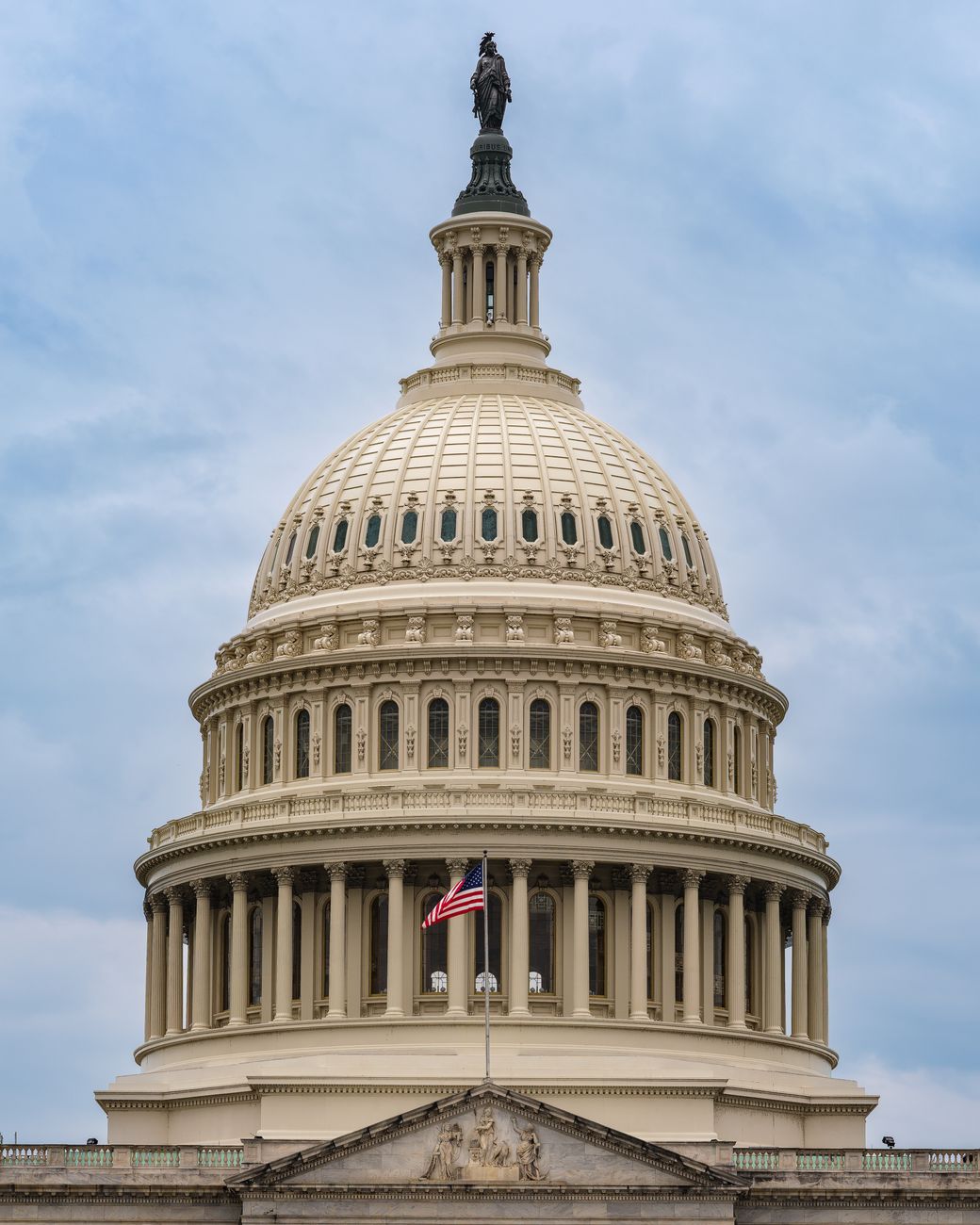
What made Monday's story different from the familiar Washington argument over Russia policy was its source. Bloomberg and Reuters both reported widening anger among Republicans — the party whose senators wrote the Graham Act and whose votes gave it the bipartisan margin the White House celebrated at signing. The grievance is institutional as much as ideological: Congress legislated, the president signed, and the executive then suspended the law's operation days before it began. For Republican hawks, the waiver reads as a repudiation of their own statute. For Republican leadership, it poses a sharper problem — whether to defend publicly a decision many of their members privately describe as a mistake, weeks before the November 3 midterm elections.
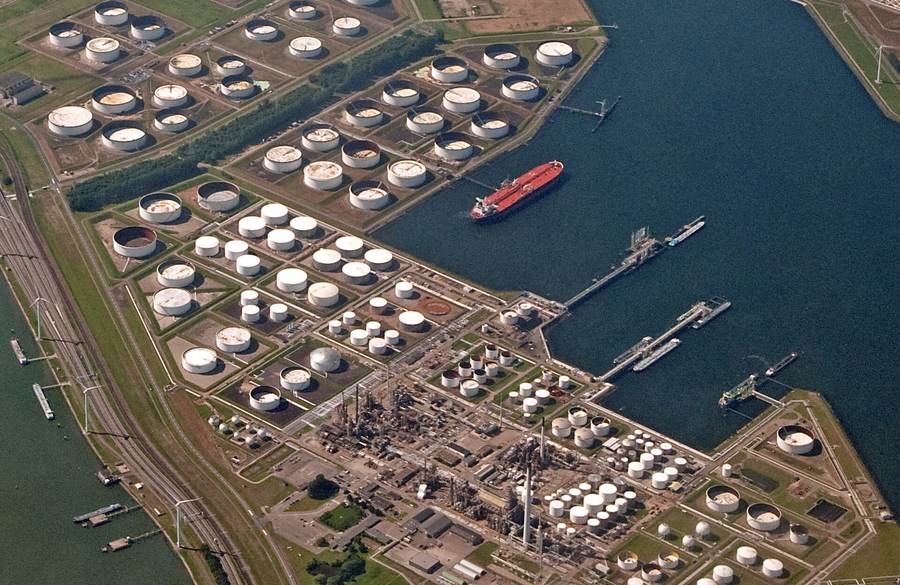
The administration's defenders make three arguments, and they deserve to be stated at full strength. First, the diesel arrangement addresses a real supply problem: diesel is the fuel of freight, agriculture and military logistics, and Russian supply of more than 300,000 metric tonnes is, in their telling, a pragmatic purchase in a tight market — the subject of Signal Post News's earlier reporting on the diesel deal and Kyiv's reaction. Second, a waived sanction can be reimposed; a spent one cannot — the waiver preserves leverage for the negotiation the president says he is conducting. Third, the statute itself contained waiver authority: Congress wrote the escape hatch, and using it is not defying the law but operating it. Each argument is coherent. None has yet persuaded the law's authors, which is why the story is the anger and not the diesel.

Rubio in Uzbekistan: the intelligence-sharing denial
The second front opened in Central Asia. Secretary of State Marco Rubio, in Uzbekistan for talks with Central Asian governments, denied that Washington had paused intelligence sharing with Ukraine — a denial aimed at reports that Kyiv had been cut off from the American intelligence its targeting and air defence have relied on. The location was itself a message: Rubio was in Tashkent discussing a region where Russian and Chinese influence compete with American attention, fielding questions about whether the United States was downgrading its support for a partner at war. His denial was categorical in the reporting. It also sat beside the waiver story in a way the State Department cannot have enjoyed: an administration simultaneously insisting that its support for Ukraine is uninterrupted and that its sanctions on Russia are unlifting, while the observable record shows a waiver signed and a diesel deal announced.
Why this matters
This fight matters for three reasons that outlast the news cycle. The first is credibility: sanctions regimes work on belief — the belief of targets that pressure will persist and of third countries that compliance is safer than evasion. A high-profile waiver, granted days before effect to the statute's central target, taxes that belief everywhere, including in capitals watching how Washington treats Beijing's purchases of Russian oil. The second is constitutional practice: the Graham Act was Congress's attempt to reclaim a share of sanctions policy from the executive, and its waiving is a data point in the long argument over who actually makes American foreign economic policy. The third is the war itself. Kyiv's position — stated by its president in the plainest terms — is that the waiver will hurt Ukraine, because energy revenue is Russia's war budget. Washington's counter-position is that diesel in American tanks and a live negotiation channel serve Ukraine better than a symbolic statute. Both cannot be wholly right, and the battlefield will grade the answer.
What happens next
Watch three clocks. The waiver clock: whether the administration extends, narrows or allows the waivers to lapse determines if Monday was an episode or a policy. The congressional clock: Republican senators who wrote the Graham Act must decide whether anger becomes legislation — an override-proof tightening of waiver authority is the escalatory option, and midterm politics cuts both ways on it. And the diplomatic clock: Rubio's Central Asia trip and the proposed Shenzhen format reported in today's Day 1699 briefing will show whether the waiver was the price of a negotiation that exists, or a concession in search of one. Signal Post News's earlier report on the 60-day pause sets out the waiver's mechanics in full.
Sources: Bloomberg and Reuters, October 19, 2026 (widening Republican anger over the waiver of Graham Act sanctions and tariffs; the October 9 announcement of 300,000+ metric tonnes of Russian diesel supply). Treasury Secretary Scott Bessent, Sunday interview, October 18–19, 2026 ("no sanctions have been lifted"; only the diesel embargo lifted). Secretary of State Marco Rubio, remarks in Uzbekistan, October 19, 2026 (denial that intelligence sharing with Ukraine was paused). President Volodymyr Zelenskyy, statement October 2026 (waiving the sanctions "will hurt Ukraine").