President Donald Trump's Truth Social Zelenskyy post on Sunday, October 18, 2026 accused the Ukrainian president of not caring about ending the war, said Ukraine is "in shambles," defended his decision to waive the Russia sanctions and tariffs required by the Graham Act, and attacked Ukraine's drone strikes on Russian diesel refineries as hurting world diesel markets and American farmers. The post, published at 4:36 p.m. ET, came hours after Volodymyr Zelenskyy used NBC's Meet the Press to call Trump's diesel deal with Russia "very dangerous" — the sharpest public rupture between the two leaders since the war began.
A sanctions waiver, a Sunday-morning TV clash, and now an open rupture — Trump tells Zelenskyy the war is his to end
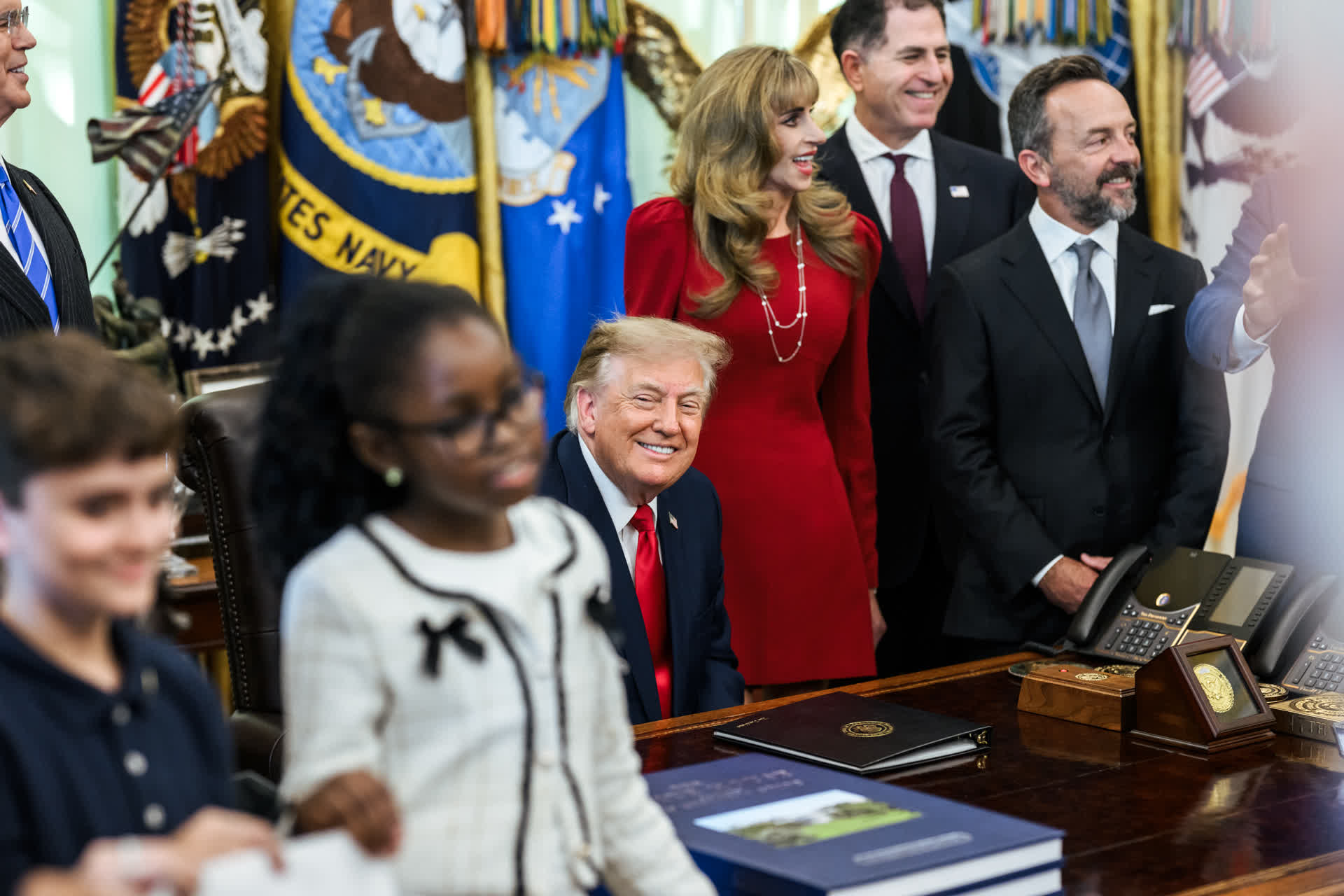
WASHINGTON — The post landed at 4:36 p.m. Eastern on Sunday, and it was not a negotiating document. "My decision on Russia is a very simple one," Trump wrote. "I am in the process of negotiating Peace in the war between Russia and Ukraine, and don't want to do anything that will drive, foolishly, Russia away from the bargaining table. Great progress is being made, and that includes current hostage negotiations! Signing that document at this time will do that, and I can sign it later, or any time that I want!"
Trump then made an argument that has received less attention than the insults but may matter more: "Perhaps more importantly, Russia is doing very little, if anything, to help the Islamic Republic of Iran, compared to what they could be doing, and I want to keep it that way, and will, unless stupid people get in the way." In other words, the waiver is not only about Ukraine. In Trump's telling, restraint toward Moscow is also the price of Russian restraint in the Iran war.
Then came the passage aimed directly at Kyiv. "Zelenskyy is using Diesel Refineries in Russia as a target, knowing that these attacks are seriously hurting the world diesel markets, including those in the United States. Farmers, ranchers, and businesses of all kinds are suffering greatly from this, but Russia is, nevertheless, sending, at a low price, millions of barrels of diesel to the World. Zelenskyy doesn't care, and frankly, with all of the money that Europe is famously giving him, and that Crooked Joe Biden gave him in the past, he doesn't want to end this war, and probably never did. He could have made a better deal two years ago than he can now. His country is in shambles, a large portion of his land is lost, his oceans and seas are gone, and his male population is low, wounded, and/or dead. I WANT THIS WAR END!"
Track it live: Ukraine war map — live front-line and strike tracker.
What Zelenskyy said on Meet the Press
The post was an answer. On Sunday morning, Zelenskyy had told NBC's Meet the Press that Trump's October 9 diesel deal with Moscow and Friday's waiver of the Graham Act sanctions were "very dangerous." Asked about the implications, he said the waiver was "strengthening Putin's war against us because he feels success," adding that Putin "feels victory with sanctions" relief. Zelenskyy argued the diesel deal would not really lower prices in the United States — the real driver, he said, is the blocked Strait of Hormuz — and warned Kyiv fears "the question of Russian gas will be erased and also the question of frozen assets."
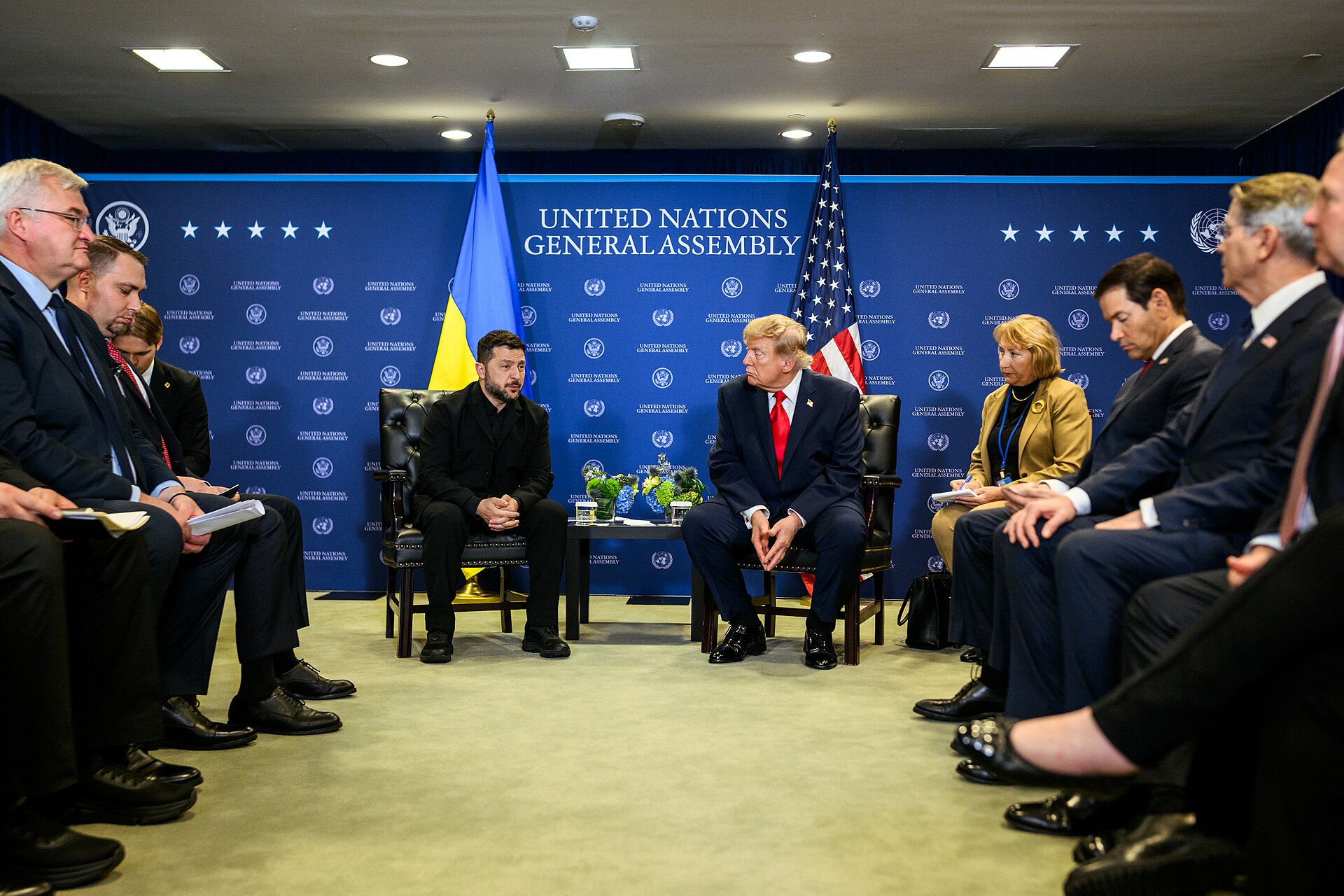
Treasury Secretary Scott Bessent, appearing on the same programme, pushed back directly. Bessent said "no sanctions were lifted on Friday" and that the only thing lifted was the embargo on Russian diesel — a distinction the administration has repeated since Friday: the waiver pauses the Graham Act's new sanctions and tariffs for review rather than repealing existing measures. He also turned the argument toward Europe, saying Zelenskyy "does not criticize his European partners" even though, in Bessent's words, "the Europeans are financing the Russian war machine" by continuing to buy Russian energy.
How the rupture built — the 60-day waiver and the overnight train
The sequence matters. Trump signed the Graham Act — the Lindsey Graham Sanctioning Russia and Iran Act of 2026 — into law on September 18, at the urging of lawmakers who wanted to pressure Moscow. On Friday he signed an executive order waiving its key sanctions and tariffs just before they were due to take effect. On Saturday, Secretary of State Marco Rubio said the president would use up to 60 days to assess the economic impact — a framing Senate hawks including Thom Tillis publicly questioned, while the act's own sponsors demanded the pressure stay on. Our full report on the waiver is here: Trump waives Russia sanctions under the Graham Act, and Zelenskyy's first reaction here: Zelenskyy blasts the diesel deal as a gift to Putin.
The Wall Street Journal reported how Zelenskyy's side made its own decision: travelling overnight by train from Kyiv to Poland, after Russian missiles had pounded Kyiv for a second day without the usual American launch warning, Zelenskyy concluded that eighteen months of courting Trump had run its course and that plain speaking was needed. "Putin is a real evil of today," he told the Financial Times. "How can Trump be friends with him? I think that it's a mistake." And, in a line aimed over the White House's head: "Americans are on our side. I know that the majority of the United States supports Ukraine." Zelenskyy expanded on the intelligence dispute in the same Meet the Press appearance covered here: Zelenskyy on intelligence sharing and the Meet the Press interview.
The diesel argument, in numbers
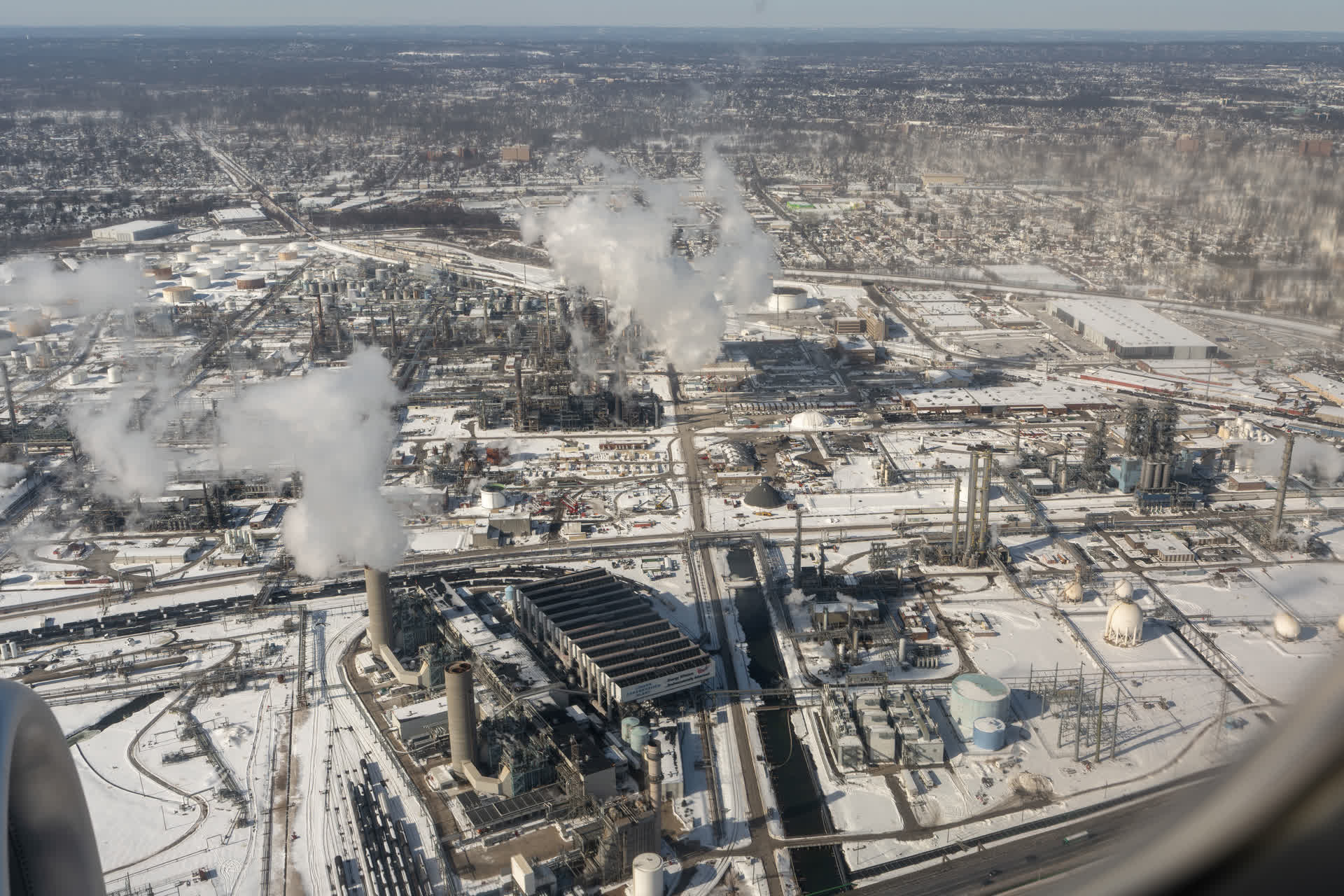
Strip away the rhetoric and the fight is about one commodity. Ukraine's long-range drone campaign against Russian refineries and depots — most recently the overnight wave against St Petersburg and Moscow covered on this site — is designed to cut the Kremlin's fuel supply and export revenue. Trump argues those strikes tighten world diesel supply, keep American pump and freight prices high weeks before the November midterms, and punish the farmers and truckers his coalition depends on. Zelenskyy argues the opposite causal chain: that Russian diesel still flows, that Hormuz — not Ukrainian drones — is what keeps U.S. prices elevated, and that relieving sanctions hands Putin revenue and confidence while changing nothing at American pumps. Both claims can be partly true at once: refinery strikes can lift diesel crack spreads at the margin while a closed strait dominates the headline price. What is not in dispute is the politics — diesel is the fuel of the supply chain, and its price is the one number every voter meets weekly.
Why this matters
Public ruptures between a patron and a client mid-war are rarely just theatre; they reprice everything. First, leverage: Trump's post tells Moscow, in public, that Washington's pressure on Kyiv is now explicit — which strengthens Russia's incentive to wait and weakens Kyiv's hand in any talks run by Steve Witkoff and Jared Kushner. Second, the 60-day clock: the waiver review now runs alongside a blame contest, so the eventual decision — reimpose, extend, or deal — will be read as a verdict on Zelenskyy as much as on Russia. Third, the Iran linkage: by tying the waiver to Russian restraint over Iran, Trump has connected two wars' bargaining tables, which means a setback in either can collapse the logic of the other. Fourth, Europe: Bessent's "Europeans are financing the Russian war machine" line and Zelenskyy's appeal to American public opinion both aim at the same audience — the allies who would have to fund Ukraine if U.S. support thins. Critics of the waiver, including the Graham Act's Senate champions, say pausing pressure rewards the invasion; the administration answers that a signature it can give "any time that I want" is leverage kept, not leverage lost, and that driving Russia from the table helps no one in Kyiv either.
Monday update: 'Somebody else should negotiate' — and Kyiv answers back
The rupture widened on Monday. Speaking to reporters on the South Lawn before leaving for a campaign trip to Kansas, Trump said of Zelenskyy: "Maybe it's time for Zelenskiy to get somebody else to negotiate" (Reuters). He pointed back to the two men's February 2025 Oval Office clash — "If he would have listened to me, he would have had to settle a long time ago" — and defended Moscow's conduct, saying Russia has been "fine" on Ukraine and "haven't been doing much" (Reuters; New York Post). Trump also said the United States continues to share intelligence with Ukraine, and that he would consider allowing Ukrainians to stay in the US under temporary protected status until the war ends (Reuters).
Zelenskyy answered on X. "Ukraine never wanted this war," he wrote. "We took positively literally EVERY attempt of partners to end this war with dignity." In a separate Monday post he said political agreements "have not been implemented at the working level" and pointed to "delays in certain types of vital supplies at the level of the U.S. Department of War" (CBS News). The waiver also drew a public warning from inside the president's own party: House Speaker Mike Johnson said sanctions relief risked "unintended consequences," adding that "Putin cannot be trusted" (New York Post). And in his Bloomberg interview published Monday, Zelenskyy argued that Washington's steps are pushing Ukraine toward capitulation, and offered to halt Ukraine's strikes on Russian refineries for 30 days in exchange for Patriot interceptor missiles — our full report on that interview is here: Zelenskyy says Washington's steps push Ukraine toward capitulation.
What happens next
Three tests come quickly. The 60-day review ends in mid-December; Rubio's Central Asia diplomacy this week will show whether the "keep Russia close" doctrine extends beyond Ukraine. Kyiv's behaviour is the second test: Zelenskyy has already resumed refinery strikes once after a pause, and every new wave now reads in Washington as defiance rather than self-defence — a dynamic that cuts both ways, since only Kyiv can offer Trump the visible de-escalation he wants to sell. The third test is Congress, where the waiver's critics can force votes the White House does not want before the midterms. The sober reading of Sunday's post is that Trump is not abandoning the negotiation — he is repricing it, loudly, and telling Zelenskyy the price of American patience just went up. Whether that produces a deal or a deeper break depends on who blinks first, and neither man sounded on Sunday like he plans to.
Sources
President Donald J. Trump, Truth Social post, October 18, 2026, 4:36 p.m. ET (full text via the Truth Social mirror archive and independent transcription). The Sun, "'His country is in shambles': Trump blasts Zelensky AGAIN," October 18, 2026. Reuters, "Rubio says Trump to take up to 60 days to weigh Russia sanctions," October 18, 2026, and "Rubio heads to Central Asia while other US officials hit foreign-policy hot spots," October 18, 2026. NBC Meet the Press via Daily Caller, "Zelenskyy Warns Trump's Diesel Deal With Russia Is 'Very Dangerous'," October 18, 2026 (including Treasury Secretary Scott Bessent's response). Wall Street Journal, "How Zelensky Decided to Take the Risk and Publicly Confront Trump," October 18, 2026. Monday update: Reuters, "Trump says Zelenskiy should get somebody else to negotiate to end war," October 19, 2026; New York Post, "Trump again blows up on Zelensky," October 19, 2026; CBS News, October 19, 2026 (Zelenskyy's Monday statements on X).