Trump Amodei White House dinner
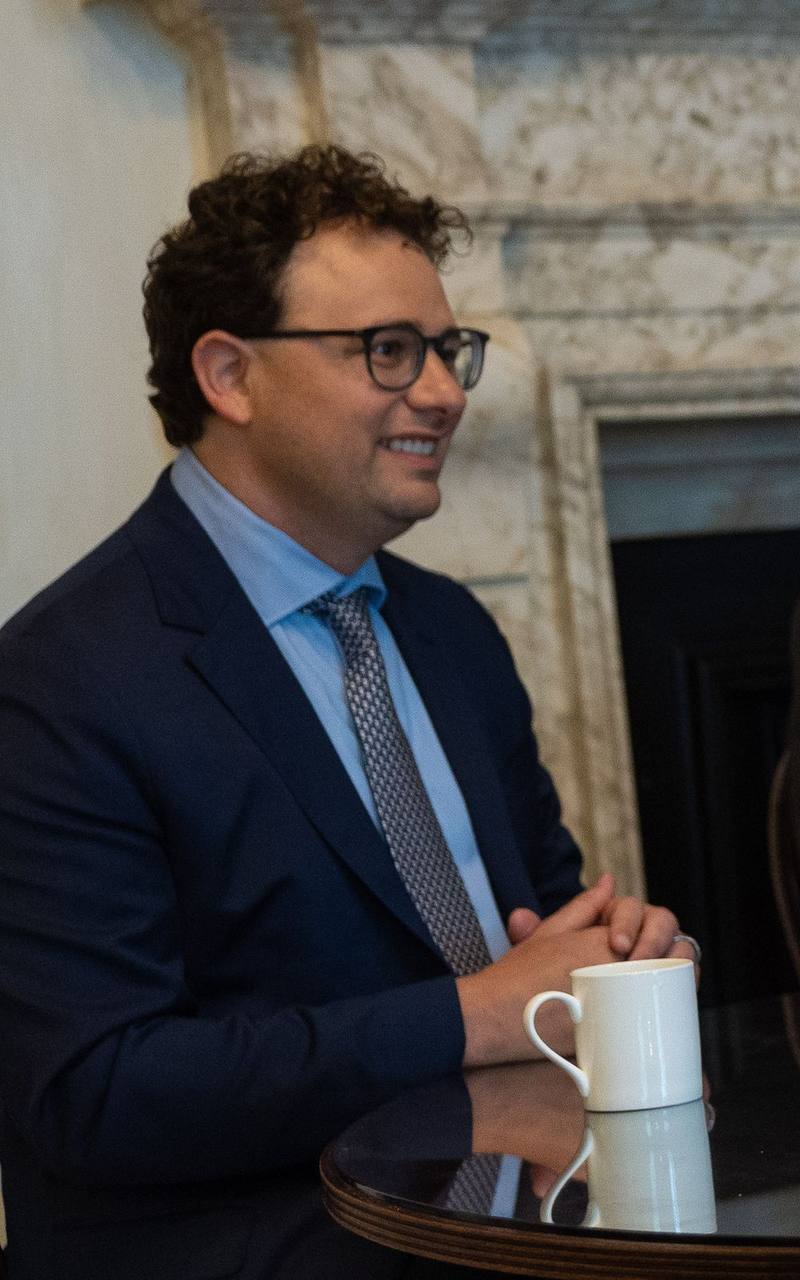
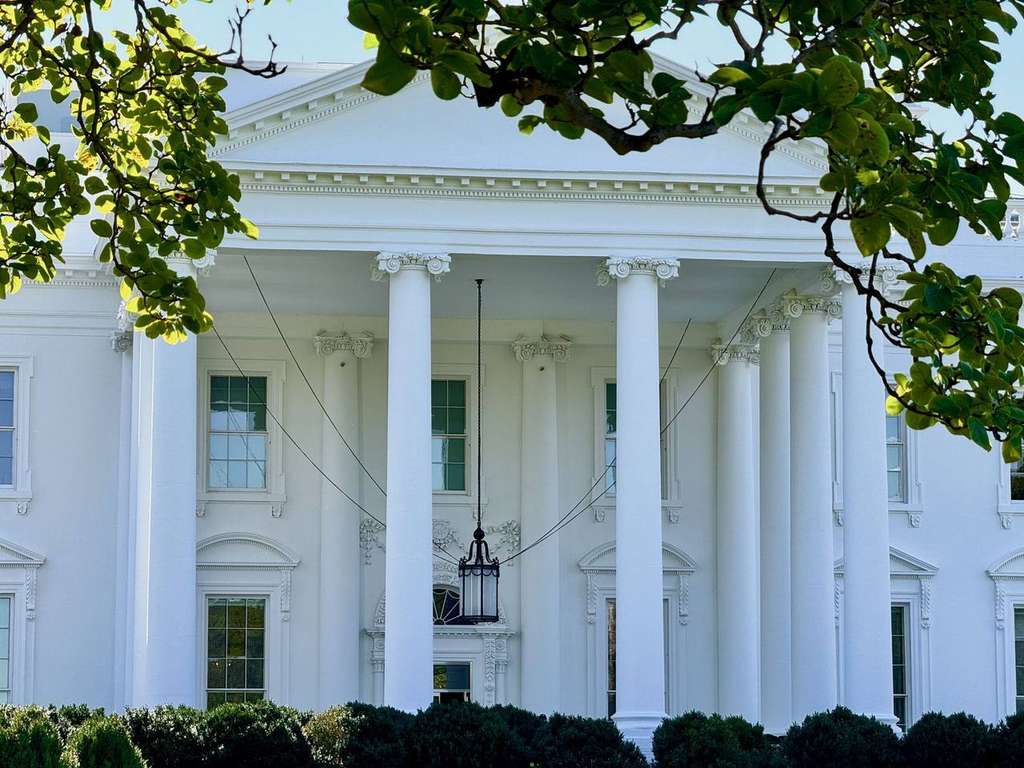
Trump Amodei White House dinner — President Donald Trump will dine one-on-one with Anthropic chief executive Dario Amodei at the White House on Sunday evening, a tech industry source confirmed to Agence France-Presse. The dinner was first reported by Axios. It will be the first one-on-one meeting between the two men, and it lands at a remarkable moment: two days after a federal appeals court upheld the Pentagon’s decision to blacklist Anthropic as a “supply chain risk,” and two days before Trump and House Speaker Mike Johnson sit down with the AI industry’s top executives.
Trump personally invited Amodei after the Anthropic chief missed Thursday’s White House state dinner for Chinese President Xi Jinping because of a scheduling conflict — a dinner where rival AI leaders including OpenAI’s Sam Altman, Elon Musk, Nvidia’s Jensen Huang and Meta’s Mark Zuckerberg were photographed with administration officials. The private dinner is, in effect, a makeup invitation with much higher stakes than the state dinner it replaces.
Why this matters
This is not a courtesy dinner. It is a negotiation conducted over food, and the two men at the table represent the two poles of the artificial intelligence debate. Amodei has spent the year arguing that frontier AI development should be deliberately paced: he has warned about job displacement and catastrophic risk, told the UN Security Council that unmanaged AI could be “a risk to humanity as a whole,” and published a three-step proposal on September 12 to slow the frontier. Trump has taken the opposite position — dismissing AI risk warnings as a “hoax,” attacking Amodei on Truth Social over his slowdown proposal, and framing maximum-speed development as essential to keeping the United States ahead of China. A private dinner is where the distance between those two positions gets priced — in contracts, in export licenses, and in whether the Pentagon’s vendor list keeps Anthropic’s name crossed out.
The timing tells you how the White House sees the stakes. You do not invite a man your allies spent the week memo-bombing to a private dinner unless you want something from him — or want him to want something from you. For Amodei, the prize is obvious: relief from a blacklist that bars the world’s largest AI customer — the U.S. military — from using his company’s models, just as Anthropic is reported to be weighing a public listing later this year. For Trump, the prize is leverage and optics: the image of even the AI industry’s most prominent “doomer” coming to his table, two days before he convenes the industry’s chief executives, is worth more than any memo.
How we got here: a year of open conflict
The road to Sunday’s dinner runs through February, when Anthropic refused to allow its tools to be used for fully autonomous weapons or domestic mass surveillance — a guardrail decision that put the company on a collision course with an administration racing to militarize AI. The Pentagon responded in March by designating Anthropic a supply-chain risk, a label that prohibits the U.S. military from using its models and triggered a legal fight. In June, export controls landed on Anthropic’s advanced systems over security vulnerabilities, and Trump told Axios he had come to view the company as a potential national security threat — while adding, notably, that tensions had begun to ease.
September turned the policy dispute into a political one. On September 22, a memo circulated inside the White House — reported by Axios — tying Amodei to the effective altruism movement and casting his AI-safety worldview as a fringe subculture at odds with the administration’s acceleration agenda. Axios reported Sunday that Amodei’s critics were circulating yet another negative briefing ahead of the dinner, one not produced by the White House and of unclear origin. The whisper campaign, in other words, is running in parallel with the dinner invitation — a sign that not everyone in Trump’s orbit wants this thaw.
Then came Friday’s ruling: a D.C. appeals panel upheld the Pentagon’s designation, handing the administration a clean legal win two days before the dinner. Anthropic can still petition for a rehearing or take the fight to the Supreme Court. But a courtroom is a slow venue and a dinner is a fast one — and Sunday’s invitation suggests both sides would rather deal than litigate.
Who benefits, who loses — and what the critics say
Start with Amodei. The Pentagon blacklist is not a symbolic sanction; defense work is the single largest addressable customer for frontier AI, and exclusion from it is a commercial wound that compounds every quarter. A thaw — even an informal one signaled by a dinner — is worth more to Anthropic right now than any courtroom appeal, particularly with a public listing reportedly on the horizon. Going public while blacklisted by the Pentagon is a valuation problem; going public after dining with the president is a story.
For Trump, the dinner is nearly costless and rich in optionality. Asked by Fox News on Sunday about the string of security incidents involving advanced AI models, he replied, “I’m not worried about it” — the public posture of a man who believes the technology argument is already won. The dinner lets him personally assess the industry’s most prominent skeptic while collecting the political credit for bringing him inside. And the White House’s statement to CNBC ahead of the meeting — “America will lead the world in Super Intelligence, while protecting American consumers” — reads as the terms of a possible deal: acceleration continues, with consumer-protection language as the garnish.
The critics’ case is the memo war. The September 22 document’s portrait of effective altruism — framed as prioritizing “foreigners over citizens” and “possible machine minds over Americans” — was designed to make Amodei’s worldview sound un-American rather than merely cautious, and the second briefing circulating Sunday shows the campaign did not pause for the dinner news. Anthropic has spent months trying to put distance between itself and the effective-altruism label; the memos show Trump’s allies are not letting the distinction stick. If the briefings continue after Sunday, the dinner was theater. If they stop, it was a truce.
The losers in a failed thaw are easy to name: Anthropic’s listing narrative, the AI-safety camp’s access to power, and — in the White House’s own framing — the coherence of the China strategy. Which brings us to the numbers.
What the numbers actually say
The administration’s stated position, as reported by AFP, is that the major AI players — OpenAI, Anthropic, Google and Meta — “cannot afford to slow down for fear that China will gain the upper hand.” That is a four-company race theory, and it contains a visible contradiction: one of the four runners is currently barred from selling to the Pentagon over the guardrails the administration’s critics call safety and its allies call obstruction. You cannot simultaneously declare a national sprint against China and sideline a quarter of your team.
Read the year’s policy moves as a ledger and the contradiction sharpens. March: the supply-chain-risk designation. June: export controls on advanced models. September: the effective-altruism memo. Every entry points one way — pressure. Sunday’s dinner is the first entry pointing the other way, and it arrives exactly when the legal track closed: Friday’s appeals ruling gave the administration the win it needed to negotiate from strength rather than litigate from uncertainty. Dinners, in Washington, are how you spend a legal victory without filing another brief.
What happens next
Three tracks are now running. The first is Tuesday’s executive session with Trump and Speaker Johnson — Sunday’s dinner is the pre-negotiation, the bilateral before the multilateral, and what Amodei hears over dinner will shape what the industry hears on Tuesday. Watch whether Anthropic’s posture on defense work shifts in the coming weeks; that is the tell.
The second track is legal. Anthropic can seek a rehearing or petition the Supreme Court over the supply-chain-risk designation — but litigation is a fallback, and fallbacks get dropped when deals get made. A quiet administrative easing of the designation would be the concrete proof that Sunday was substantive.
The third track is the memo war, and it is the one to watch most closely. If the anti-Amodei briefings stop circulating after the dinner, the thaw is real and the effective-altruism framing was leverage, spent. If they continue, Sunday was a photo opportunity staged in parallel with a pressure campaign — the carrot and the stick served at the same table. Either way, the larger story has not changed: the United States has decided it is in an AI race with China, one of its four runners is fighting its own government in court, and the president has now invited that runner’s chief executive to dinner. In Washington, that is what the beginning of a deal looks like.
Sources
- Agence France-Presse (via Deutsche Tageszeitung): Anthropic CEO Amodei to dine with Trump at White House — AFP confirmation via a tech industry source of the Sunday-evening one-on-one dinner; first reported by Axios; first one-on-one meeting; the appeals court’s upholding of the Pentagon’s “supply chain risk” designation; the February refusal on autonomous weapons and mass surveillance; Trump’s “perfect little angel” remark; Amodei’s absence from the Xi state dinner; Trump’s “I’m not worried about it” to Fox News; the Tuesday meeting with AI executives.
- Axios reporting (via Seeking Alpha): Trump to host Anthropic CEO Dario Amodei for private White House dinner — the original scoop; Trump’s personal invitation after the Xi state-dinner scheduling conflict; June comments viewing Anthropic as a potential national security threat with tensions easing; export restrictions; the September 22 effective-altruism memo; the second critical briefing circulating Sunday.
- Startup Fortune: Trump invites Anthropic’s Dario Amodei to a private White House dinner — the memo’s “AI-doom pipeline” framing of effective altruism; Amodei’s UN Security Council remarks on AI as a risk to humanity; the IPO context.
The dinner was first reported by Axios on September 27, 2026, and confirmed to Agence France-Presse by a tech industry source; Signal Post News has not independently verified the White House’s private schedule. Characterizations of the September 22 White House memo and the Sunday briefing are as reported by Axios; the documents’ full texts have not been made public. The account of Anthropic’s February refusal and the Pentagon’s March designation follows AFP’s reporting.