Entertainment — Tom Holland will dance Fred Astaire, Sabrina Carpenter will play Ginger Rogers — but the casting that defines Sony's biopic is Margaret Qualley as Adele, the sister whose dancing no camera ever captured.
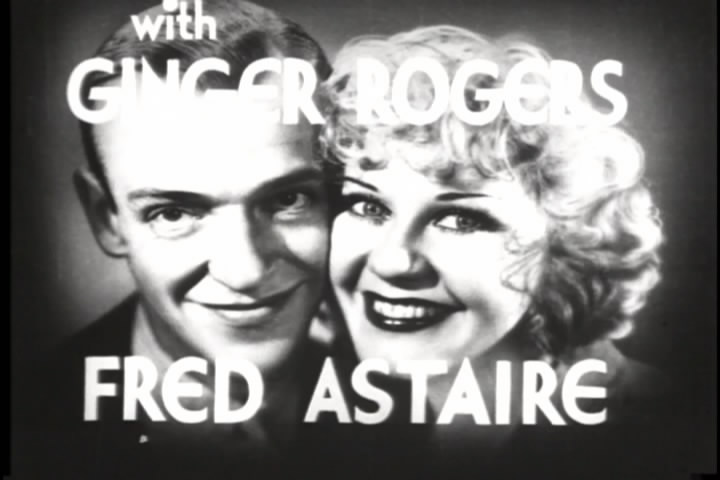
The Tom Holland Fred Astaire biopic cast is finally complete, and it reads like a thesis statement. Sony's untitled Fred Astaire film, announced on October 27, 2026, will star Holland as Astaire, Sabrina Carpenter as Ginger Rogers, and Margaret Qualley as Adele Astaire — Fred's older sister and his original dance partner, years before Rogers and the movies made him immortal. Paul King, the director of Paddington and Wonka, will direct from a script he co-wrote with Steven Levenson, based on Kathleen Riley's biography The Astaires: Fred & Adele, with Riley herself consulting. The source material is the giveaway: this is not, despite the marquee names, primarily a film about Fred and Ginger. It is a film about Fred and Adele — and about the partner history nearly erased.
A project five years in the making — and a star learning in public
Holland first announced his involvement in 2021, which means the film has spent half a decade in development — long enough for scepticism to harden into a genre of its own. Astaire is the hardest kind of role to cast: not an impersonation problem but a physics problem. His dancing was famously captured in long, unbroken takes, the camera a respectful witness rather than an editor, which is why Holland's preparation matters more than his resemblance. He began dance rehearsals in July and intends to perform the choreography himself, in single takes, in Astaire's manner rather than in montage. Told Good Morning America, the rehearsals filled him with "excitement and absolute dread" — the most honest piece of casting publicity in years, because dread is the correct emotion. Anyone who has watched Astaire's ceiling dance in Royal Wedding or the shoeshine sequence in The Band Wagon knows the standard is not "can he dance" but "can he make the impossible look like the easiest thing in the room."
King is, on paper, the right director for that problem. Paddington 2 and Wonka both rest on the same wager this film makes: that sincerity, choreography and craft can carry what cynicism cannot, and that a musical number staged for real beats one assembled in post-production. Levenson's stage pedigree points the same way. The creative team is built, in other words, around the dance floor rather than around the impersonation.
The Adele problem: playing a dancer no one has ever seen dance
Margaret Qualley's role is the film's boldest and riskiest choice, because Adele Astaire presents a problem no amount of rehearsal footage can solve. Adele was, by most contemporary accounts, the bigger star of the sibling act: Fred and Adele headlined on Broadway and in the West End through the 1920s in shows such as Lady, Be Good! and Funny Face, and critics of the era frequently rated her the more magnetic performer — funnier, looser, the act's spark. She retired in 1932 on marrying Lord Charles Cavendish, just before Fred left for Hollywood. And as King himself has noted, no footage of Adele dancing survives. None. The most celebrated female dancer of the Broadway stage in her decade exists in still photographs, reviews and other people's memories.
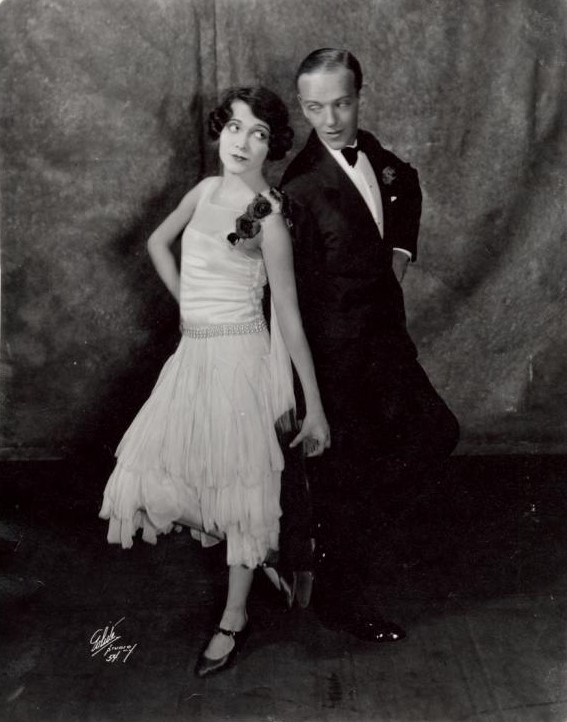
That absence cuts both ways. It frees Qualley — herself a trained dancer, and one of the few actors of her generation for whom that is literally true — from the frame-by-frame comparison Holland cannot escape. Every step Holland takes will be measured against film that anyone can pull up in seconds; Qualley's Adele must be invented from testimony, which is an actor's opportunity disguised as a historian's gap. But it also loads the film with a responsibility the casting announcement quietly acknowledged by putting Riley, the siblings' biographer, on the production as a consultant: if this film becomes the definitive screen image of Adele Astaire — and for most viewers it will — it will be fixing in the public mind a performer whose actual dancing no living person has seen.
Why this matters
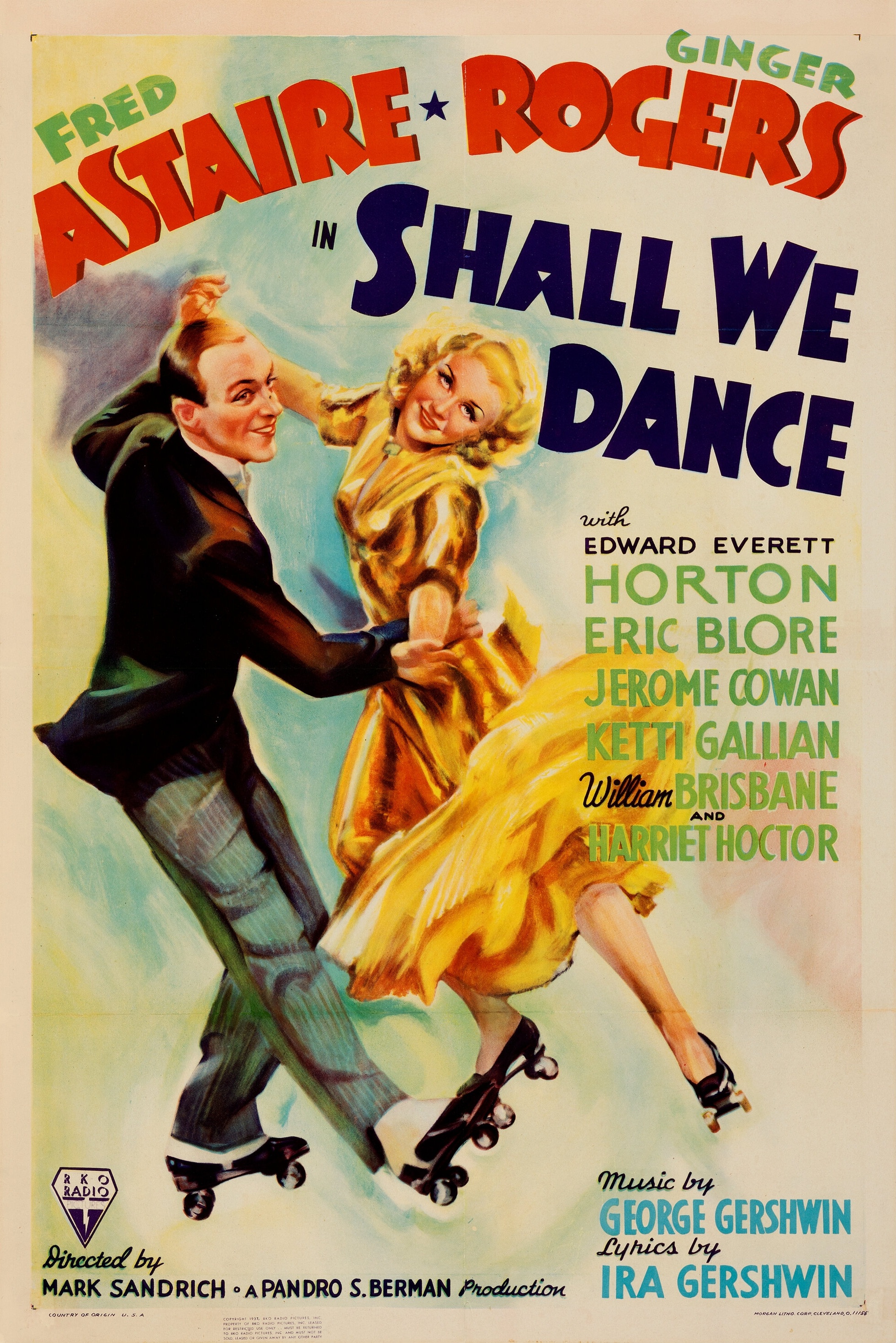
Start with the erasure angle, because the film is plainly built around it. The standard Astaire story, as a century of retrospectives tells it, begins in Hollywood in 1933: a supporting part in Flying Down to Rio, a famous (and probably apocryphal) test report — "can't act, can't sing, balding, can dance a little" — and then ten films with Ginger Rogers that rewrote what movie musicals were. That story makes Fred a solo genius discovered by cinema. It is also, as Riley's book argues in its very title, a truncation. Astaire spent more than two decades as half of an act, and the half that retired has been footnoted ever since, partly because she left, partly because no film of her exists, and partly because history is written by the medium that survives. A big-studio biopic that takes The Astaires: Fred & Adele as its source is, whatever else it becomes, an attempt to correct the record at blockbuster scale — the same revisionist work that has lately reshaped biopics from monuments to individuals into stories about the people the monument left out.
Then there is the casting economics, which are unusually legible here. A Fred Astaire biopic is not an obvious commercial proposition in 2026: its subject's films are ninety years old, and the musical biopic is a genre of expensive near-misses. Sony's answer is to stack three distinct audience engines into one cast. Holland brings the largest young male fanbase in Hollywood and a genuine stage-musical childhood (he headlined Billy Elliot in the West End as a boy, a fact this production will not let anyone forget). Carpenter, cast as Rogers, brings one of pop's biggest and most online audiences to a role that is, in screen time, probably third — a ratio of marketing value to minutes that studios now calculate openly. Qualley brings prestige credibility and the dance training the Adele role demands. Each casting choice answers a different executive's question: Holland answers "who opens it," Carpenter answers "who talks about it," Qualley answers "why it might be good." Whether those three answers add up to one film is the production's central risk — a cast assembled as a portfolio can play like one.
Rogers herself deserves a sentence in that analysis, because Carpenter inherits a second erasure problem. The old line about Rogers — that she did everything Astaire did, backwards and in high heels — survives because it is true enough to sting: Rogers was the partnership's actor, carrying the dramatic and comic scenes while matching Astaire step for step, and she is remembered as an accessory to his genius anyway. How much film Carpenter's Rogers gets will be an early tell of whether this production's revisionism extends beyond Adele or stops at its own marketing.
Who wins, who loses
Holland wins either way in one respect: attempting Astaire in single takes is the kind of ambition that redefines a franchise star's career even in partial success, and the rehearsal story has already reframed him from Spider-Man to craftsman in the coverage. Sony wins a pre-sold conversation — three fanbases arguing about one film is free reach no trailer buys. Adele Astaire, ninety years after her retirement and decades after her death in 1981, may win most of all: a generation is about to learn her name. The losers, if the film falters, are the genre and the precedent — a high-profile miss would be cited for a decade against every pitch that asks a studio to fund dance performed for real rather than faked in the edit, and against every biopic that centres the partner rather than the star. Critics' fair warning stands: reverence is the biopic's most expensive failure mode, and nobody is more reverence-inducing than Astaire.
What happens next
The film remains untitled and in development, with no release date announced — anyone who gives you one is guessing. The milestones to watch are a production start date, the first rehearsal or on-set imagery (this production, built on the single-take promise, will be tempted to prove it early), and how Sony positions the film on its calendar: an awards-season slot would confirm the prestige reading of the Qualley casting, while a holiday release would confirm the family-musical reading of the King one. Either way, the announcement has already done its first job. Five years after Holland let the news slip, the Astaire film is real enough to argue about — and the argument, fittingly, is not about Fred. It is about Adele.
Sources
Sony Pictures casting announcement, October 27, 2026 (Holland as Fred Astaire; Carpenter as Ginger Rogers; Qualley as Adele Astaire; Paul King directing; screenplay by King and Steven Levenson; based on Kathleen Riley, "The Astaires: Fred & Adele"; Riley consulting). Good Morning America, Tom Holland interview, 2026 (July rehearsal start; single-take intention; "excitement and absolute dread"). Kathleen Riley, "The Astaires: Fred & Adele" (Oxford University Press). Related Signal Post News coverage: entertainment and film coverage on Signal Post News.