TOPIX to Shed Nearly 700 Stocks in Its Biggest Reshuffle in Decades
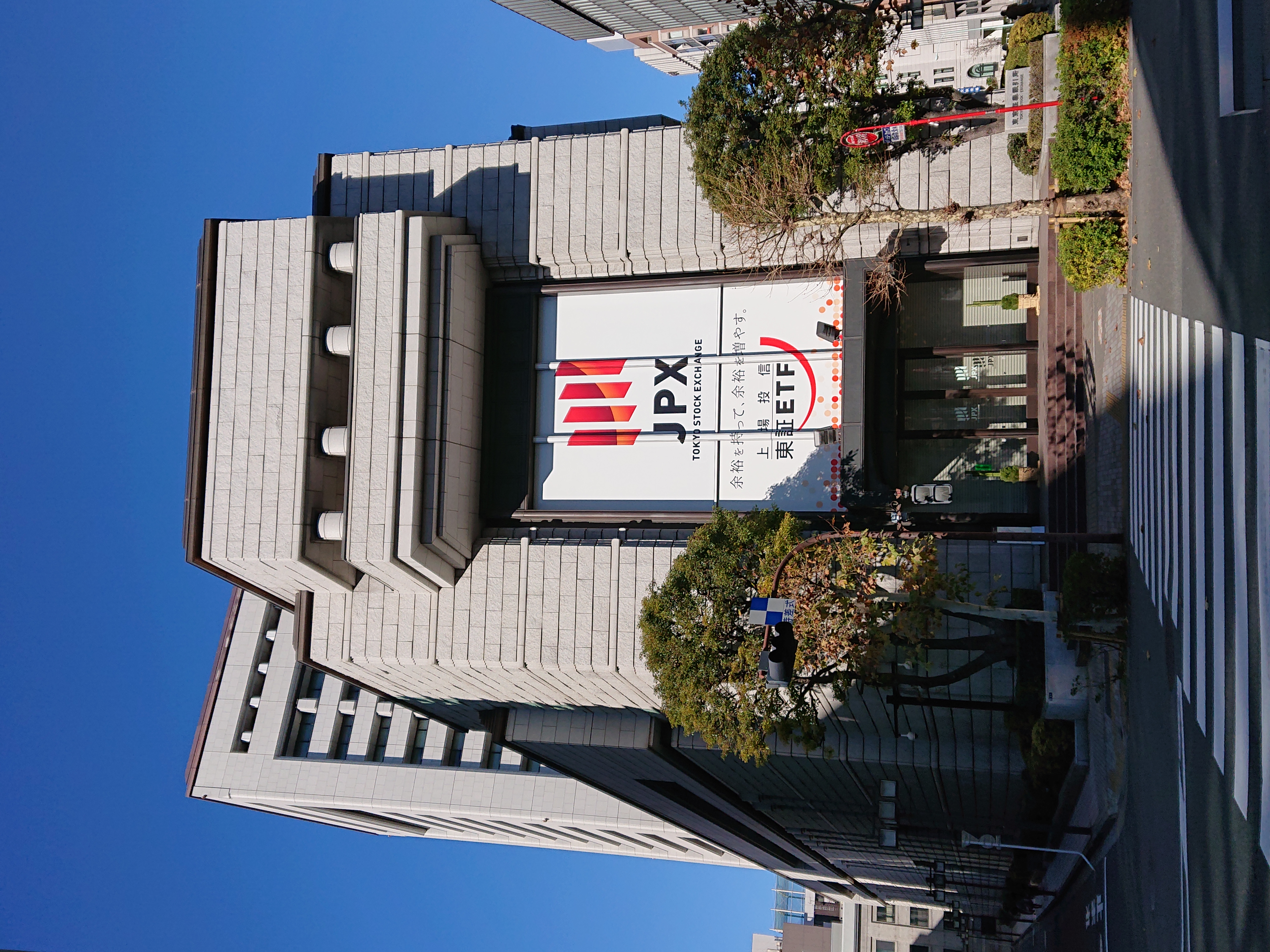
TOPIX reshuffle: Japan’s flagship equity benchmark is headed for its most dramatic overhaul in decades. JPX Market Innovation and Research, the index arm of Japan Exchange Group, disclosed on October 7 that the Tokyo Stock Price Index will cut its constituent list to 986 stocks — removing nearly 700 companies, about 40 percent of the current lineup, while adding just 35 new names. The change will not happen overnight: the deleted stocks’ index weights will be reduced in stages to zero by July 2028, and a second round of the regular reshuffle is flagged for October 2027.
The news landed badly with investors. TOPIX underperformed on the announcement as the market digested what years of phased deletions mean for the index’s weakest members — and for the enormous pools of passive money that mirror it.
What was announced
The disclosure sets out a cleaner, leaner TOPIX. The index currently covers the broad sweep of the Tokyo Stock Exchange’s main board, including hundreds of small, thinly traded names that long ago stopped looking like the market leaders a flagship benchmark is supposed to represent. Under the plan, roughly 700 of those names drop out, 35 come in, and the total settles at 986.
The additions are the eye-catching part. Incoming names include Trial Holdings, the discount retailer; Workman, the workwear chain that became an unlikely consumer phenomenon; and Tier IV, the autonomous driving startup — a signal that the reshuffle is not just about pruning but about redefining what counts as Japan’s investable core. On the way out are names like Pasona Group, the staffing giant, and Tsubaki Nakashima, the bearings maker — companies that will lose the steady index-linked demand they have quietly enjoyed for years.
Crucially, the exchange will not eject anyone at once. Instead, removed stocks see their index weights stepped down gradually to zero over nearly two years, ending July 2028. The design is deliberate: it spreads the selling pressure across time so the market can absorb it, at the cost of a long, predictable drip of rebalancing trades.
Why this matters
An index change is not just a list update — it is a redistribution of capital. Funds that track TOPIX, plus a much larger crowd of active managers judged against it, will reshape their portfolios as the weights change. For the roughly 700 names being eased out, that means a slow erosion of passive ownership and, very likely, thinner trading and wider bid-ask spreads over the next two years. For the 35 entrants, it means the opposite: steady, rules-based buying from index-linked pools.
The elephant in the room is the Government Pension Investment Fund — GPIF, the world’s largest pension fund — which anchors enormous Japanese equity positions to domestic benchmarks. When GPIF-sized pools rebalance in slow motion over 20 months, the flow effects are not one-day events; they are a persistent headwind or tailwind baked into prices.
There is also a symbolic stakes. TOPIX underperformed on the news itself, which tells its own story: investors read the announcement less as a cleanup than as a warning about the long tail of the index. The companies being deleted are, almost by definition, the ones the market already doubts — and the reshuffle makes that doubt mechanical.
How we got here
A decade of tidying the Tokyo market
The TOPIX cleanup is the latest chapter in a long-running campaign to make Japan’s equity market easier to trade and more attractive to global investors. Over the past decade the exchange has overhauled its market segments, tightened listing standards, and pressed listed companies on governance and capital efficiency — the same reform arc that helped push Japanese stocks to record highs. A bloated TOPIX full of illiquid micro-names was the obvious loose end.
Why phase it out to 2028
The gradual weighting cut is a lesson learned from index history. Sudden deletions force every tracker to sell at once, creating cliff-edge price dislocations that hurt exactly the pensioners and savers the index serves. Stepping weights down to zero over almost two years lets liquidity providers, market makers, and active buyers absorb the flow — though it also means the deleted stocks trade under a known, scheduled overhang for the entire period.
The October 2027 second round
The exchange has flagged a second stage of the regular reshuffle for October next year, which means the composition announced this week is not necessarily the final one. Companies on the borderline have roughly a year to improve their standing — liquidity, market capitalization, governance — before the next cut. For management teams at risk, the next twelve months just became a campaign season.
Who wins, who loses, what critics say
The winners: the 35 entrants. Trial Holdings, Workman, Tier IV and their fellow additions gain something money cannot buy quickly — automatic, recurring demand from every TOPIX tracker on earth. Inclusion also acts as a quality signal that can draw active-manager attention and lower a company’s cost of capital.
The losers: the nearly 700 deleted. Losing index membership means losing the bid that comes with it. Expect thinner liquidity, wider spreads, and a long stretch where the stocks trade at a discount to otherwise similar peers — the classic “orphan stock” effect, now scheduled out to July 2028.
The beneficiaries: large, liquid blue chips. A concentrated TOPIX is a TOPIX more dominated by its giants. The biggest constituents effectively gain relative weight, which suits the global investors who want Japan exposure without the long tail.
Critics see risks too. A narrower index is, by construction, less representative of the Japanese economy — it becomes a large-cap index wearing a broad-market name. Some fund managers also warn that two years of telegraphed selling invites front-running: traders can short the doomed names well ahead of each rebalancing step, deepening the very dislocation the phasing was meant to avoid.
What the numbers actually say
986. The target number of TOPIX constituents after the cleanup — down roughly 40 percent from today’s lineup.
Nearly 700 vs. 35. The asymmetry of the reshuffle: hundreds of deletions, only a few dozen additions.
July 2028. The date by which deleted stocks’ index weights fall to zero — the end of the phased transition.
October 2027. The flagged second round of the regular reshuffle, which could adjust the lineup again.
$2 trillion-plus. The rough scale of assets benchmarked to Japanese equity indexes, including GPIF’s domestic equity portfolio — the pool whose slow rebalancing gives this story its multi-year gravity.
What happens next
Watch the deleted names. The first rebalancing steps will show how much of the selling is already priced in — and how much front-running the phased schedule invites.
Watch the entrants. Trial Holdings, Workman and Tier IV now carry the market’s expectations for what a modern TOPIX company looks like; their performance will be read as a verdict on the selection itself.
Watch October 2027. The second round gives borderline companies one last window to earn their way back in — and gives investors a second catalyst to trade around.
The TOPIX cleanup is the exchange’s bet that a smaller, more liquid benchmark serves Japan’s market better than a sprawling one. The next twenty months will test whether the orderly phase-out delivers the stability it promises — or just a longer, slower version of the same selling.