War / Myanmar — The Suu Kyi son phone call that ended more than five years of silence lasted 20 minutes, was brokered by British diplomats, and was, by Kim Aris's own account, monitored throughout. He took the call anyway — and then warned the world not to mistake it for mercy.
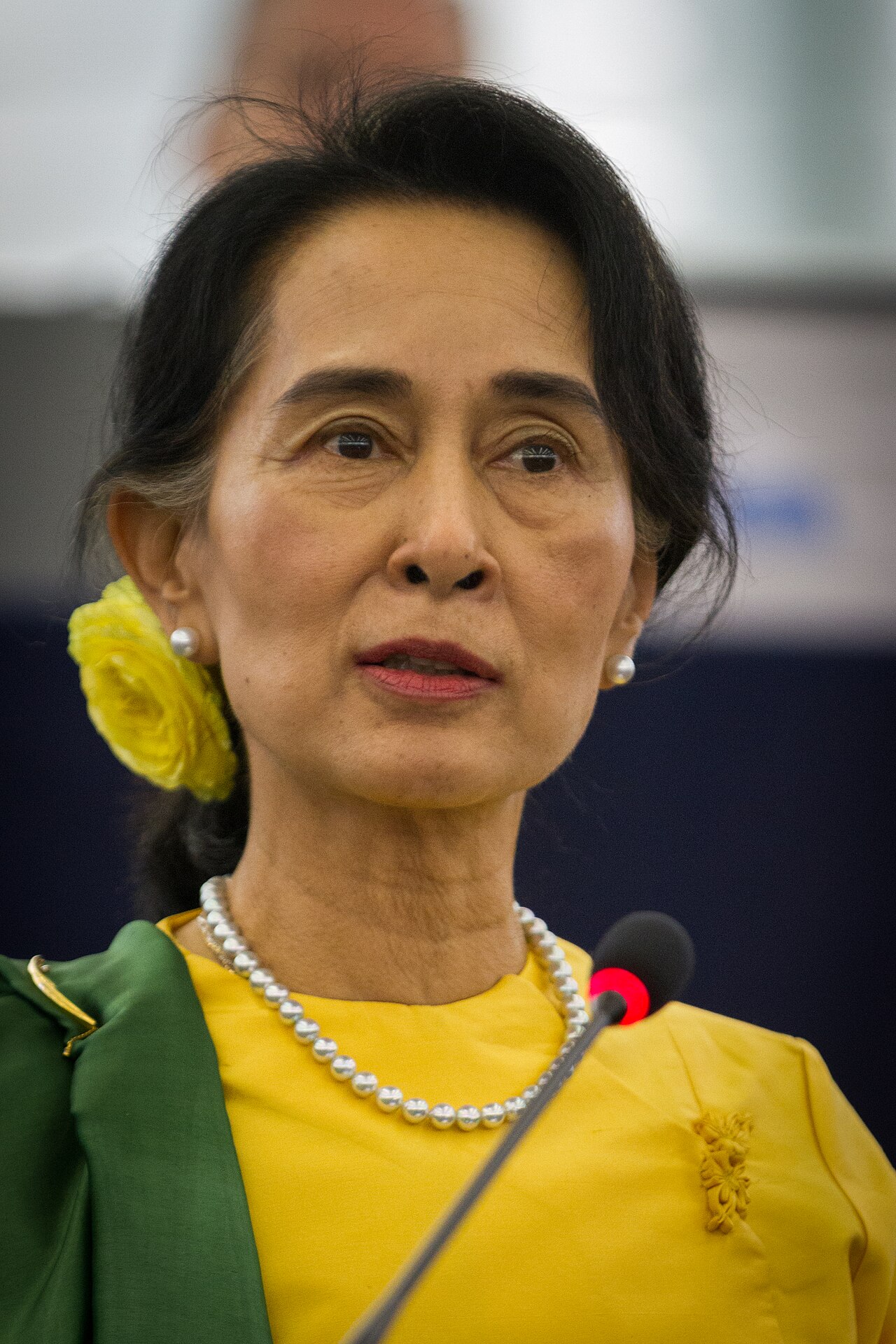
The Suu Kyi son phone call came on Thursday morning, October 22, through Myanmar's embassy in London. Aung San Suu Kyi, the 81-year-old Nobel Peace Prize winner detained since Myanmar's military seized power in February 2021, spoke directly with her younger son, Kim Aris, for the first time in more than five years, Aris said in a statement reported by Reuters. British diplomats brokered the 20-minute call, according to The Times, which interviewed Aris directly. Aris was required to attend the embassy in person, and photographs of him speaking to his mother were quickly published by Myanmar state media. "Hearing her voice again means more to me than words can express," Aris said in his statement. Then he said the harder part out loud: he believes the call itself is being used as junta propaganda.
Track it live: Live wars tracker — Myanmar and every active conflict
What happened on Thursday
The facts both accounts agree on are narrow and precise. Aris, who lives in Britain, had for years received only sporadic, second-hand updates about his mother's health and whereabouts, Reuters reported. On Thursday that changed: a spokesperson for Myanmar's military-backed president said on social media that Aris had spoken with Suu Kyi by telephone through the embassy in London, sharing separate photographs of the pair. Aris confirmed the call in his own statement the same day.
The Times' interview adds the texture the wire account does not have. The call lasted about 20 minutes and was arranged by British diplomats — the first contact Suu Kyi has had with any family member since the February 2021 coup, according to The Times. Both mother and son knew they were being overheard. "I think both of us felt self-conscious when we know the call was being listened to. But she was very happy to be able to talk with me," Aris told the newspaper. "Her first question was how I was doing. And that was basically the content of the phone call — just talking about family matters." They discussed nothing sensitive, he said, because "we both know that the phone call would have been monitored and recorded."
On her condition, Aris gave the first direct family account in years: his mother appeared to be healthy, although she is suffering from painful tendonitis in her right hand, he told The Times. That is a thinner and more human picture than the one her supporters have had to work with — in August, Suu Kyi met a representative of the International Committee of the Red Cross, a visit Aris called at the time a positive sign, Reuters reported — but it remains an account of a few minutes, filtered through a monitored line.
"House arrest" — or solitary confinement?
The sharpest disagreement in Thursday's reporting is over a label. Officially, Suu Kyi was moved to house arrest in April, after a military-engineered election installed coup leader Min Aung Hlaing as president, and she is serving an 18-year prison sentence on charges ranging from incitement and corruption to election fraud and violating a state secrets law — all of which she denies, Reuters reported. Western governments and human rights organisations say the charges were trumped up for political reasons, The Times noted.
Aris rejects the phrase "house arrest" outright. "People are calling this house arrest, but I think that's a complete misnomer," he told The Times. "I would call it solitary confinement in an undisclosed location." His mother appeared to have no company and did not know herself where she was being held, he said. "I think she's been kept in a house, but I don't know how much of that house she's able to use. I think she is allowed out into the garden at least, but from what I gather, that's a scrubby patch of land which is fenced off so she can't see anything outside and nobody can see in." Neither Reuters nor The Times could independently verify her location or conditions, and Myanmar's authorities have not publicly detailed them; what exists on the record is the regime's label, and her son's direct contradiction of it.
Why this matters
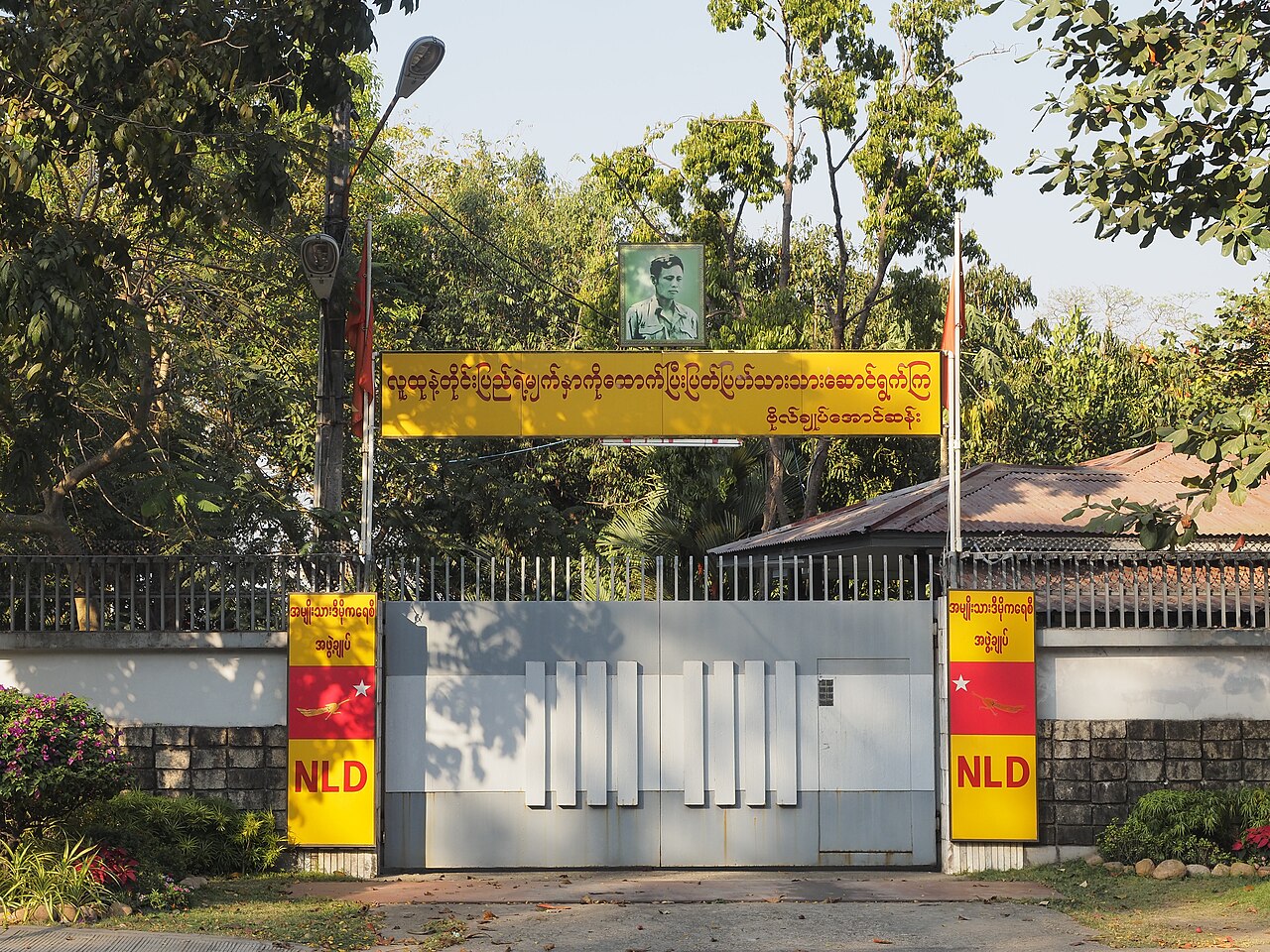
A 20-minute family phone call is not, on its face, a battlefield development. It matters because of what Suu Kyi still is to Myanmar's war. The February 2021 coup that detained her sparked nationwide protests that evolved into an armed resistance movement, plunging the country into a civil war that has killed about 100,000 people and displaced millions, according to Reuters. She remains, even invisible and silent, the most recognisable symbol of the elected government the generals overthrew — which is precisely why her jailers control every image and every word of hers that reaches the outside world, and why her son treats each managed glimpse as a move in a legitimacy campaign rather than a humanitarian gesture.
The timing is the analysis. This call came in the same week that Myanmar state media published rare photographs of Suu Kyi receiving two books sent to her by Britain's King Charles, delivered by officials with a letter, Reuters reported. Min Aung Hlaing, shunned by most democratic governments since the coup, was named civilian president in an election last December that The Times described as rigged, and has recently made official visits to Malaysia and Thailand. Senior US diplomats have, according to reports cited by The Times, held talks with Myanmar counterparts with a view to securing supplies of rare earth minerals mined in the country — a diplomatic opening this site has covered as Washington's direct-talks track with Myanmar's generals. Read together, the sequence — a king's books photographed, a son's call photographed, a president touring neighbours, a minerals conversation opening — looks less like a series of kindnesses and more like a normalisation campaign, waged one managed image at a time. That is Aris's argument, stated in his own words: "The military are very busy with their public relations, and they're trying to paint a prettier picture of themselves. This call [is a] ploy, trying to present an image to the rest of the world which shows her to be OK and that they're treating her well, whereas that's far from the case."
He faced, he admitted, a genuine dilemma in accepting the call at all: refuse it, and lose the first direct word from his mother in five years; accept it, and hand the regime the photograph it wanted. "And I know that they will be using it. They already have started. So it's a concern when, ultimately, my aim is to see her free. And I hope that this does not slow things down." His answer was to take the call and then publicly spoil its intended message — turning the regime's photograph into his own press conference. That is a rational strategy, and it is also an admission of how little leverage a family has: the best available move was to annotate the propaganda, not to stop it.
A lifetime measured in detention
To understand why one phone call carries this weight, consider the arithmetic of Suu Kyi's life. Aris and his older brother Alexander were 11 and 15 in 1988 when their mother left her life as the wife of an Oxford scholar to lead Burma's democracy movement; since then she has spent more than 20 years in detention, The Times recounts. When she was awarded the Nobel Peace Prize in 1991, her two sons accepted it on her behalf because she could not. Eight years later their father, the British scholar Michael Aris, died of cancer at 53; the junta refused him permission to make a final visit to his wife, and Suu Kyi — believing that if she left Myanmar she would never be allowed back — stayed. A regime denying a dying husband a last visit in 1999 and a regime brokering a son's monitored call in 2026 are not the same regime in personnel, but the instrument is identical: family contact, granted or withheld, as a tool of statecraft.
The war behind the phone call
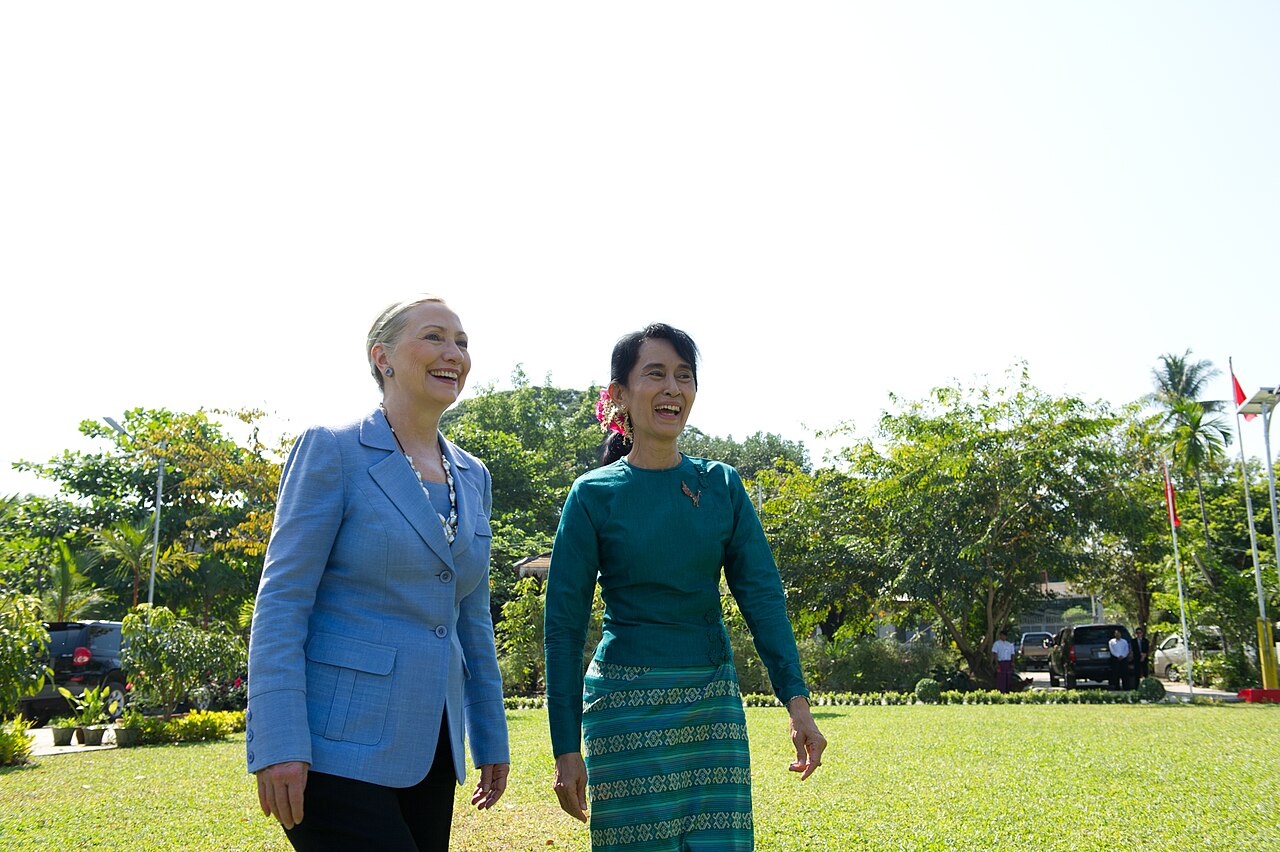
None of this is happening in peacetime. Myanmar's civil war continues on multiple fronts — this site's recent coverage includes junta airstrikes on displaced-people's camps and on civilian targets in Rakhine and Sagaing, and a Human Rights Watch report on the torture of women political prisoners, part of a detained population Aris and campaigners number in the tens of thousands. Aris's demands, in his statement and in a Facebook post quoted by The Times, were not limited to his mother: "Regular, direct and private family contact and independent medical access must be guaranteed," he said, and "my mother and all political prisoners must be released immediately and unconditionally. Freedom is not a favour to be granted or a concession to be negotiated." In the Facebook post he added the political condition directly: "I request the UK government and all governments engaging with the military authorities to ensure that humanitarian rights are not exchanged for legitimacy," and, "My mother must never be used as a hostage or bargaining chip for diplomatic recognition, sanctions relief or political advantage."
What happens next
Three tests will show whether Thursday was an opening or a photo opportunity. First, repetition: Aris asked for regular, private family contact — a second call, unmonitored or at least recurring, would be evidence of a policy change; silence would confirm the one-off reading. Second, medical access: his disclosure of tendonitis in her right hand, in an 81-year-old held incommunicado, makes the standing demand for independent medical access concrete and checkable. Third, the diplomacy: if the rare-earth and normalisation track advances while Suu Kyi's conditions stay unchanged, her son's warning — rights traded for legitimacy — becomes the frame through which every further managed glimpse will be read, including by the governments doing the engaging. For now, the verified record is small and stark: after five years, a mother asked her son how he was doing, on a line both of them knew was not theirs, and he walked out of an embassy and told the world not to believe the photograph.
Related coverage
US opens direct talks with Myanmar's generals · Myanmar military airstrike on Yesagyo civilians · Human Rights Watch: torture of Myanmar's women prisoners
Sources
Reuters, October 22, 2026, "Myanmar's Aung San Suu Kyi speaks to son for first time in over five years" — reuters.com. The Times, October 22, 2026, "Aung San Suu Kyi's son: My mother is being used for junta propaganda" — thetimes.com. Both read in full for this article. Claims about Suu Kyi's location and living conditions rest on her son's account and are presented as such; Myanmar's authorities describe her status as house arrest and have not detailed her location.