Myanmar women prisoners torture
Women detained for opposing Myanmar's military government have faced torture, sexual violence and potentially fatal denial of medical care, Human Rights Watch said in a report released September 22. Reuters reported the findings on September 23. The rights group estimates that roughly 6,600 women and 640 children are among more than 30,000 political prisoners held since the military seized power in February 2021. Reuters could not independently verify the individual accounts, and the junta did not respond to its request for comment.
What the report documents
The methods
Human Rights Watch interviewed 17 former women political prisoners, three relatives and four lawyers or advocates. Their accounts covered 11 detention facilities and described beatings, stress positions, electric shocks, rape and other sexual violence. The organization said abuse was used during interrogation and detention to punish dissent and extract information.
The denial of care
Former prisoners described serious illnesses left untreated, inadequate food and sanitation, and medication withheld or delayed. The report includes accounts of pregnant detainees forced to give birth in cells or without appropriate medical support. Such conditions can turn imprisonment into a continuing threat to life even outside interrogation rooms.
What corroborates it — and what does not
Patterns in the interviews align with earlier reporting by U.N. investigators, lawyers and prisoner-support groups documenting torture and poor conditions in Myanmar's detention system. But corroboration of a pattern is not independent proof of every individual allegation. Reuters said it could not independently verify the accounts, and Human Rights Watch's 17 former-prisoner interviews are a methodological limit: they do not establish what happened to every detainee in every facility.
Why this matters
Myanmar's prison system is not separate from the civil war; it is one of the institutions through which the military suppresses opposition, gathers intelligence and raises the cost of political organizing. Penal Code section 505A, adopted after the coup, has been used to criminalize speech deemed to cause fear or spread what authorities call false news, giving the junta a broad legal instrument against dissent.
The scale puts the interviews in context. If Human Rights Watch's estimate is accurate, women and children make up a substantial minority of a political-prisoner population exceeding 30,000. The true detention death toll is unknown because access is restricted, records are incomplete and families may be unable to report deaths safely.
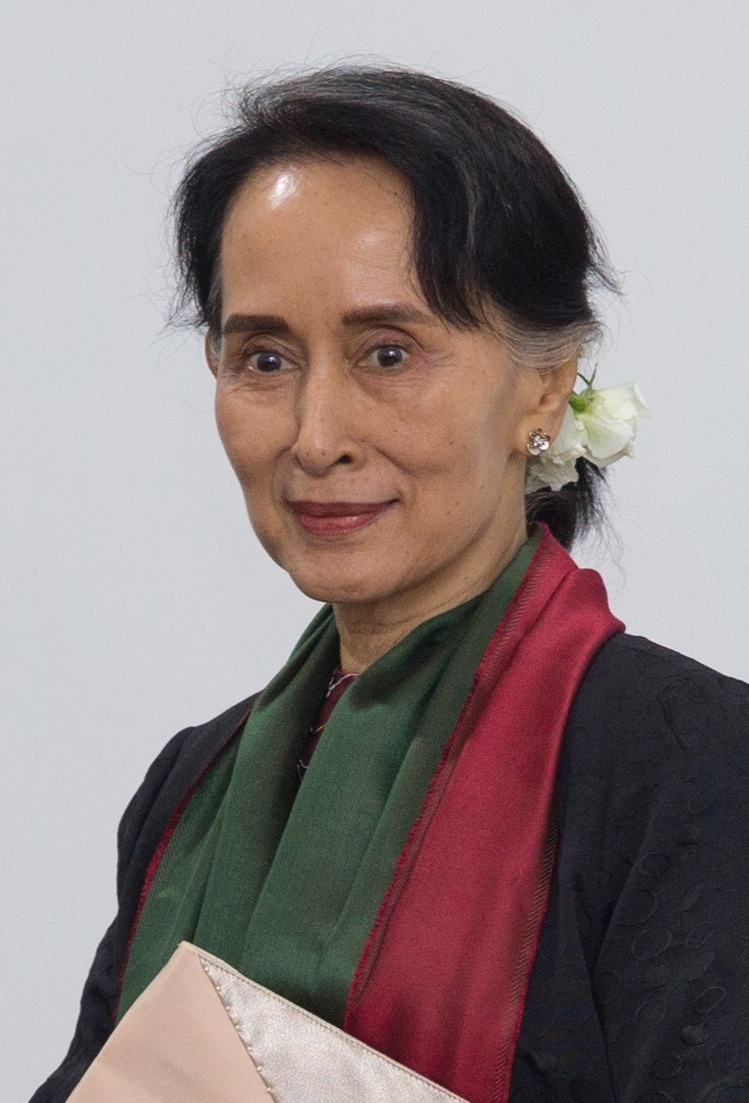
Aung San Suu Kyi, the elected civilian leader ousted in the coup, has been detained for more than five years. Her condition and precise place of confinement remain unknown. Her case is the most visible, but the report focuses attention on thousands of less prominent women whose treatment is harder to track.
Background: how we got here
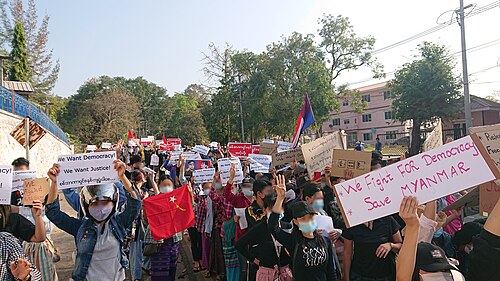
The military seized power on February 1, 2021, rejecting the results of the 2020 election and detaining civilian leaders. Peaceful protests were met with lethal force. Armed resistance expanded, ethnic armed organizations intensified operations, and the country descended into a fragmented civil war marked by airstrikes, village burnings, displacement and abuses by multiple actors.
The military organized a 2025–26 election under conditions that excluded major opposition forces. Min Aung Hlaing subsequently assumed the presidency, preserving military dominance while seeking a measure of political legitimacy. Critics say engagement risks normalizing a system built on coercion; others argue that limited diplomacy may still help secure humanitarian access or prisoner releases.
Related Signal Post News coverage examines the U.N. investigative mechanism's warning that Rakhine State remains unsafe for return, the broader regional pattern in the U.N.'s Yemen civilian-casualty warning, and civilian harm from drone warfare in Sudan.
Multiple angles — who gains, who loses, what critics say
The timing and international-engagement debate
The report arrives as foreign governments weigh how to engage with Myanmar's military-led administration. Rights advocates argue that normalization without measurable improvements in detention conditions rewards repression. Pragmatists counter that refusing contact can close channels needed for aid, access and releases. Both positions depend on leverage that outside governments have struggled to convert into consistent outcomes.
The junta's calculation
Detention can disrupt opposition networks and deter public organizing, but abuse also fuels anger, damages the military's claims to legitimacy and may push communities toward armed resistance. Internationally, documented torture increases the risk of sanctions, travel restrictions and future criminal accountability.
Methodological criticism
A sample of 17 former prisoners cannot represent every detention experience, and access limits mean researchers often rely on people who survived and escaped. Human Rights Watch says it used interviews, relatives and legal advocates to identify recurring practices across 11 facilities. The appropriate conclusion is therefore that the report documents credible allegations and patterns — not that every detainee experienced every form of abuse.
What remains uncertain
The full number of people still detained, the true number who have died in custody and the current condition of Aung San Suu Kyi are unknown. Without independent access to prisons and official records, those gaps are unlikely to close quickly.
What happens next
Human Rights Watch is calling for targeted international pressure, independent prison access, medical care and accountability for torture and sexual violence. The next tests are whether governments condition engagement on releases and monitoring, whether U.N. investigators gain new evidence, and whether Myanmar's authorities respond substantively rather than through denial or silence.