Malnutrition passes famine thresholds in Darfur camps as drought compounds war
Track it live: Live Africa conflicts tracker
KHARTOUM / EL FASHER, October 15, 2026 — The alert from the Integrated Food Security Phase Classification, known as the IPC, is careful in its language and stark in its findings. The IPC Famine Review Committee said there is not enough survey data for a full famine analysis for Darfur and Kordofan, according to UN News, while the evidence available points to a rapidly worsening situation. That distinction matters: this is not yet a formal famine determination for these regions. It is a warning that conditions the system is designed to detect early are now appearing in the data.
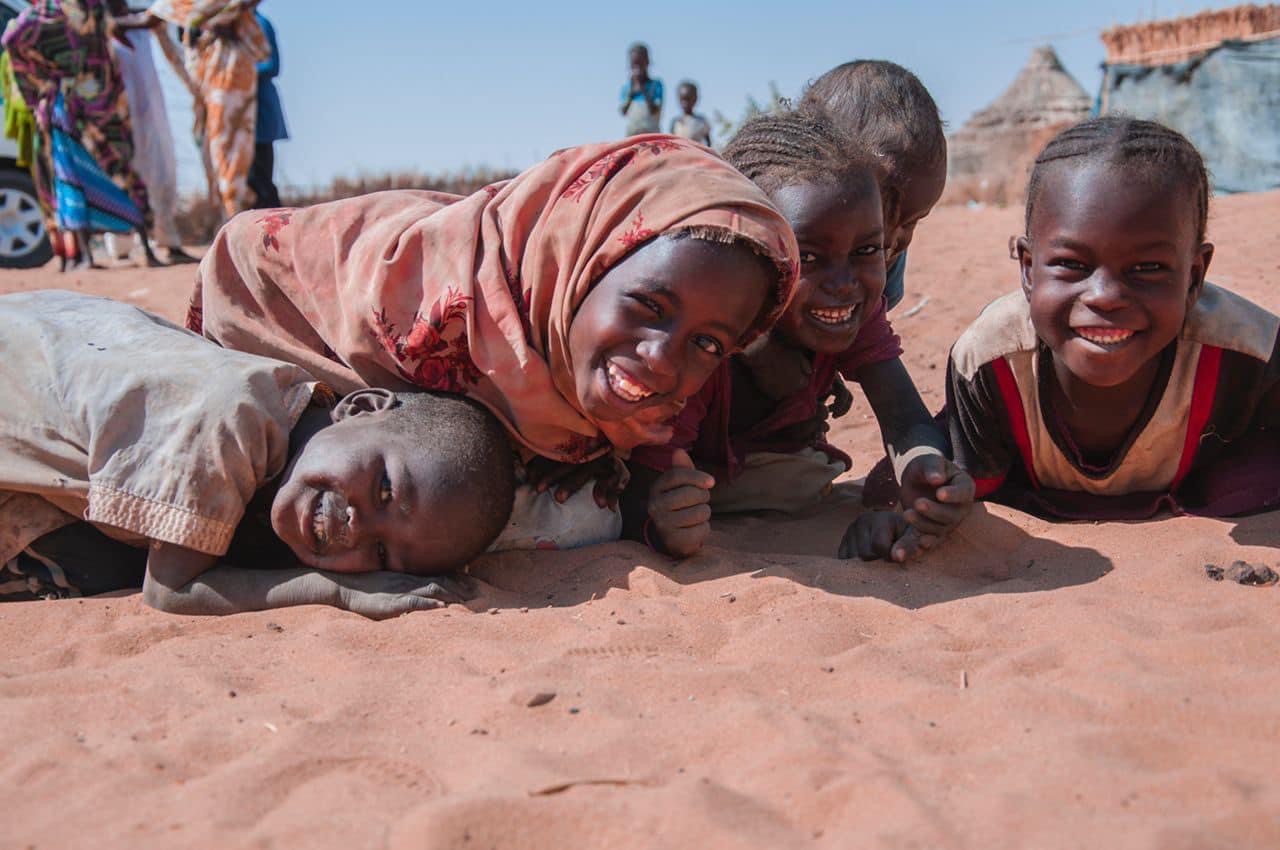
Malnutrition above the famine threshold in South Darfur camps
The most specific findings in the IPC alert concern children. In Eastern Jebel Marra, in South Darfur, surveys of two camps for displaced people found acute malnutrition among children at 38 percent and at 30.8 percent, according to the IPC. Both figures are above the famine threshold, the IPC said. Across Greater Darfur, 13 of 17 nutrition surveys carried out since January found critical levels of acute malnutrition, according to the IPC.
The trend in treatment data points in the same direction. In Nyala, South Darfur, the share of children seeking nutrition help who needed treatment for severe acute malnutrition more than doubled between January and August, rising from 5 percent to 11 percent, according to the IPC. The IPC also reported that, as of August, only 26 percent of children expected to need treatment for severe acute malnutrition with medical complications had received it. Without treatment, the IPC said, as many as two thirds of those children could die. Those figures, taken together, describe a system in which need is rising faster than the services meant to meet it.
Drought, failed crops and rising cereal prices
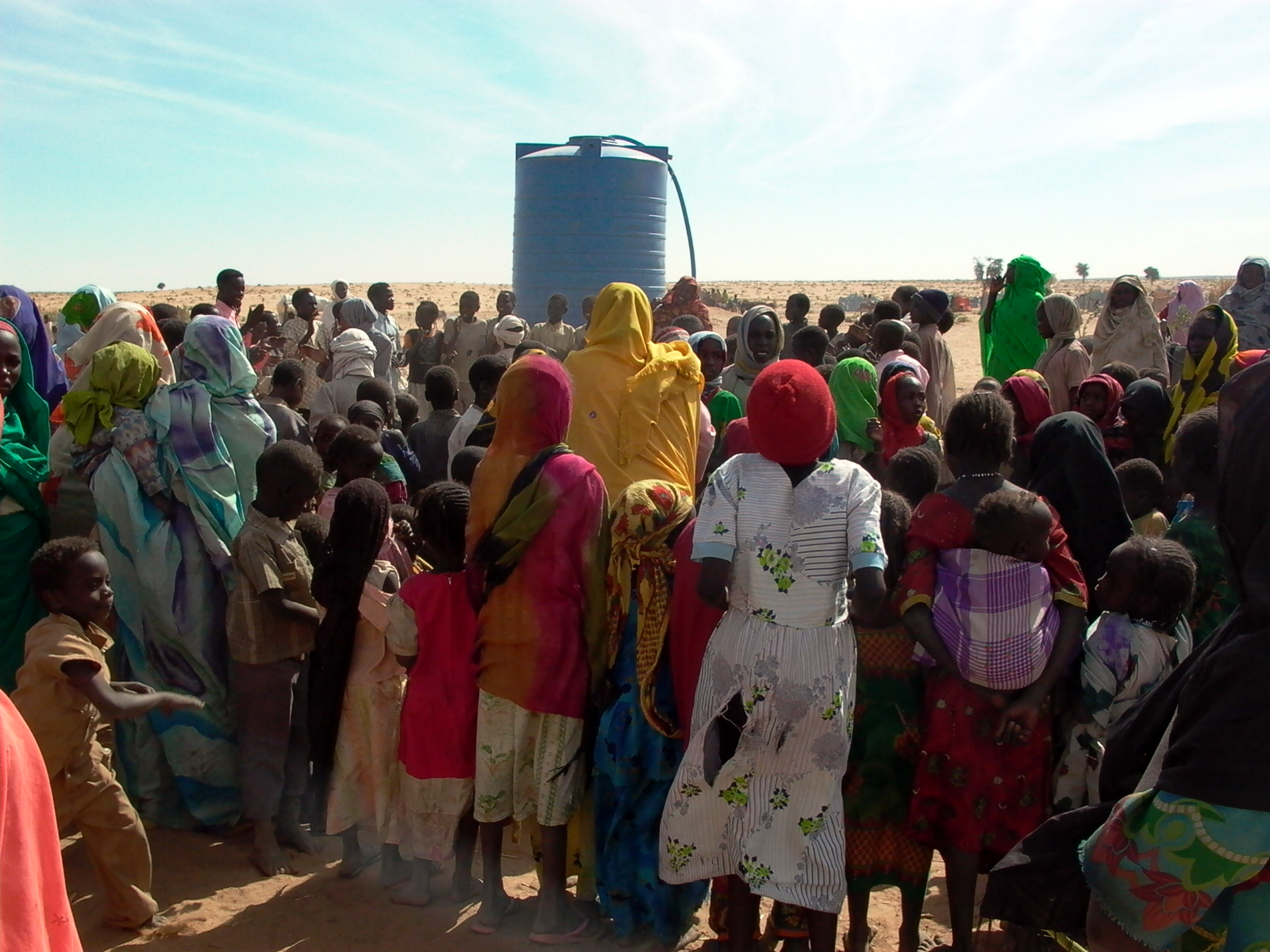
War is not the only driver identified in the alert. Drought linked to El Niño now covers more than half of Sudan, according to the IPC. In North Darfur, 64 percent of cropland shows poor plant growth, the IPC said, and about half of cropland in South Darfur, West Kordofan and South Kordofan is similarly affected. Rains arrived in late September, according to the IPC, but too late to save most cereal crops. The IPC said cereal prices are very likely to keep rising.
That sequence — late rains, a largely lost cereal harvest, and rising prices in markets already disrupted by fighting — affects farming households and displaced families alike. For households that have left their land, there is no harvest to fall back on, according to the IPC findings.
Kordofan, described as the epicentre of the conflict
The IPC described Greater Kordofan as the epicentre of the conflict, according to UN News. More than 300,000 people have been forced from their homes there since October 2025, according to the IPC. Markets in the region have been hit by more than 170 airstrikes, looting incidents or armed clashes this year, the IPC said. Aid movement has also come under fire: two trucks contracted by the World Food Programme came under fire on October 2 and 3, killing at least one person, according to the IPC account reported by the UN.
Those details help explain why access, not only supply, is central to the alert. Food and nutrition treatment cannot reach a camp or a town if roads are unsafe, markets are not functioning, or convoys are attacked. The IPC called for safe and sustained aid access, especially in North and West Kordofan, according to UN News.
A war that began in April 2023
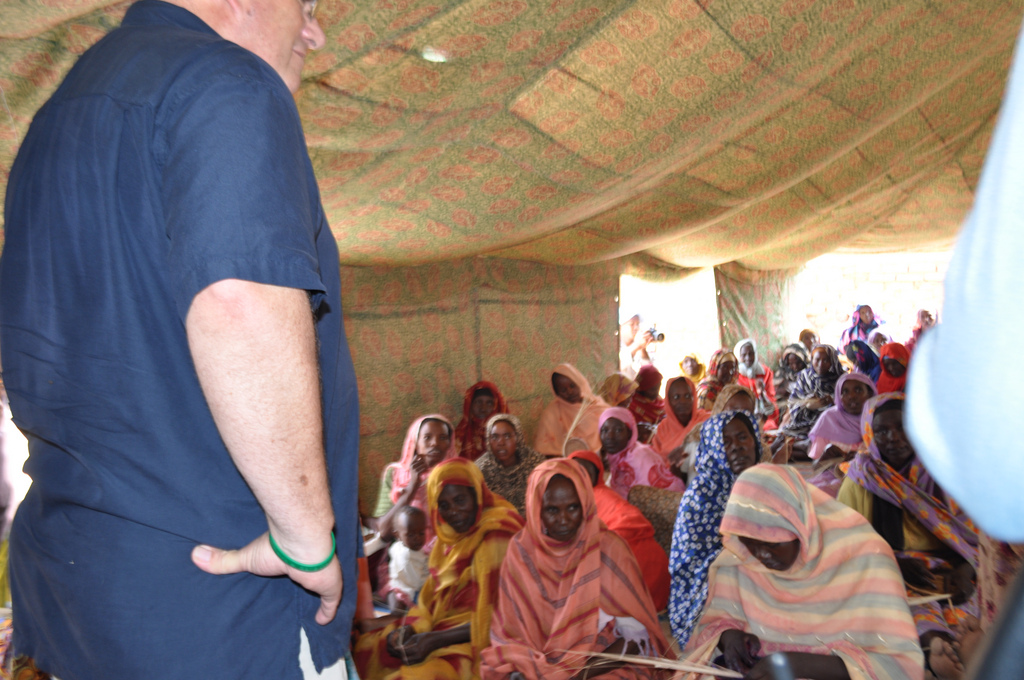
The current crisis developed during a war that began in April 2023 between the Sudanese army and the paramilitary Rapid Support Forces. The conflict monitor ACLED puts the death toll at at least 150,000, and aid groups say the true figure is likely higher, according to the reporting summarized by UN News. About 13 million people have been displaced, according to figures cited in that reporting.
An IPC assessment in May, cited in the October alert, found nearly 19.5 million people — more than 40 percent of Sudan's population — facing high levels of acute food insecurity, including 135,000 people in Phase 5, or Catastrophe, in the IPC classification. Phase 5 is the most severe category in that system for individuals and households. The October alert suggests that, in parts of Darfur and Kordofan, conditions have continued to move in a worsening direction since that May assessment, driven by both conflict and drought.
Why this matters
The IPC system exists to provide early warning, based on standardized evidence, before the worst outcomes occur. The significance of this alert is therefore twofold. First, some of its measurements — child malnutrition above the famine threshold in the two surveyed camps in Eastern Jebel Marra, and critical levels in most of the Greater Darfur surveys since January — are not forecasts. They are survey results reported by the IPC. Second, the committee was explicit that a lack of survey data prevents a full famine analysis. In a conflict where access for survey teams and aid workers is restricted, an absence of complete data should not be read, on the IPC's own account, as evidence that conditions are less severe elsewhere.
The funding figures add a further dimension. As of October 8, less than half of the humanitarian appeal for Sudan had been funded, according to the IPC. The alert therefore describes not only a food and access problem, but a response capacity problem: services are reaching a minority of the children the IPC estimates need treatment.
What aid agencies say they need
The IPC alert called for an end to the fighting, according to UN News. It also called for safe and sustained aid access, especially in North and West Kordofan, and for large-scale, flexible funding. Those three requests correspond to the three constraints named throughout the alert: insecurity, restricted access, and funding shortages.
Flexible funding matters, in the terms of the appeal, because needs differ by location and change as people are displaced. Sustained access matters because a single delivery does not address malnutrition that develops over months. The October 2 and 3 attacks on trucks contracted by the World Food Programme, in which at least one person was killed according to the IPC, illustrate the risks aid operations in Kordofan continue to face.
What happens next
The IPC said cereal prices are very likely to keep rising after rains arrived too late to save most cereal crops. If that occurs while displacement continues in Kordofan and access remains restricted, the conditions described in Darfur and Kordofan could worsen further, based on the trends the IPC reported. Further nutrition surveys, if security and access permit them, would allow a fuller analysis of the kind the Famine Review Committee said is not currently possible.
The committee described the situation, in a brief phrase reported by UN News, as a “humanitarian catastrophe of historic proportions.” The alert's practical test is measurable in the terms the IPC itself uses: whether the share of children receiving treatment rises above the 26 percent reported for August, whether funding rises above the less-than-half level reported for October 8, and whether aid access in North and West Kordofan becomes safe and sustained. Until those indicators change, the IPC warning stands as the formal record of what its surveys found in October 2026.
Sources: UN News, “Sudan war: Drought and war push Darfur and Kordofan towards famine,” Oct. 13, 2026, news.un.org report on the IPC alert; Integrated Food Security Phase Classification (IPC) alert on Sudan, issued Oct. 13, 2026, via APO / Africa Newsroom. Related on Signal Post News: WFP Driver Killed in Sudan Aid Convoy Airstrike as UN Demands Immediate Ceasefire and Sudan Funding Cuts Deepen Humanitarian Crisis for Half a Million. Track it live: Live Africa conflicts tracker.