World / Twenty-one countries met in Geneva to align the crowded mediation effort for Sudan. Their closing statement rejected parallel governments and outside fuelling of the war — but the army and the RSF, whose commanders still believe they can win, were not there to hear it.
The Sudan Geneva talks ceasefire effort produced its clearest public verdict yet on Wednesday: there is no military solution to Sudan’s war. That was the message from Pekka Haavisto, the UN secretary-general’s personal envoy for Sudan, after the Sixth Consultative Meeting on Enhancing Coordination of Peace Initiatives and Efforts in Sudan concluded at the Palais des Nations in Geneva — a meeting of mediators, not of the belligerents themselves.
Track it live: Africa wars tracker · Live wars tracker
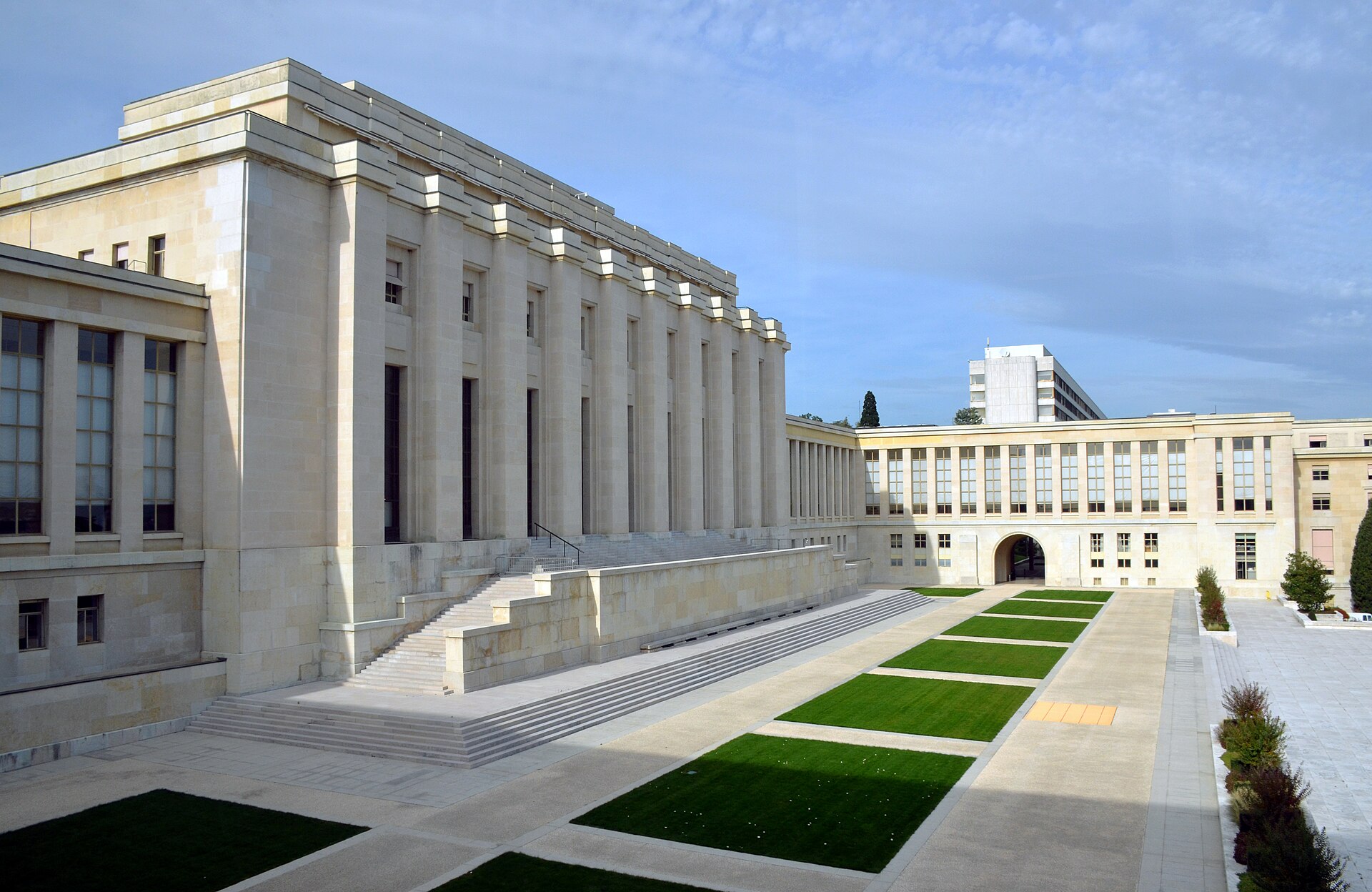
What the Geneva meeting actually decided
Twenty-one countries and five international organisations took part, according to Agence France-Presse (AFP), reporting Haavisto’s post-talks press conference. The meeting was co-chaired by the United Nations and Switzerland and worked through three chapters — the security situation, political issues and the regional dimension of the war — AFP reported.
A statement issued afterwards said participants were gravely concerned about reports of atrocities and the escalation in drone warfare, “resulting in the immense suffering of civilians,” AFP reported. Participants “rejected the establishment of parallel governments” in Sudan, urged foreign states “to refrain from fuelling the war” — notably through mercenaries, military equipment, drones and financial support — and said the parties “must engage and show concrete progress towards de-escalation and the protection of civilians, enable humanitarian assistance to reach those in need, preserve Sudan’s unity, and support a credible civilian political process.”
Neither the Sudanese Armed Forces (SAF) nor the paramilitary Rapid Support Forces (RSF) was represented. UN News, reporting the meeting as it convened, explained why: the consultative mechanism was established for mediators to coordinate their actions, not as a negotiating table for the two sides. Haavisto was also expected to engage on the margins with the “Quad” — the United States, Saudi Arabia, the United Arab Emirates and Egypt — and the “Quintet” of the African Union, IGAD, the UN, the European Union and the League of Arab States, UN News said. AFP reported the gathering also included the five permanent members of the UN Security Council and neighbours including Ethiopia and Chad.
‘Baby steps’: prisoner exchanges and student exams
Haavisto, a former Finnish foreign minister appointed as the UN chief’s personal envoy for Sudan in February 2026, was blunt about the gap between the mediators and the battlefield. The regular armed forces and the RSF still believed in a military victory, he said. “We as the international community are saying that there is no military solution to the conflict in Sudan,” he told reporters, according to AFP. “The solution has to be found from diplomatic talks and discussions.”
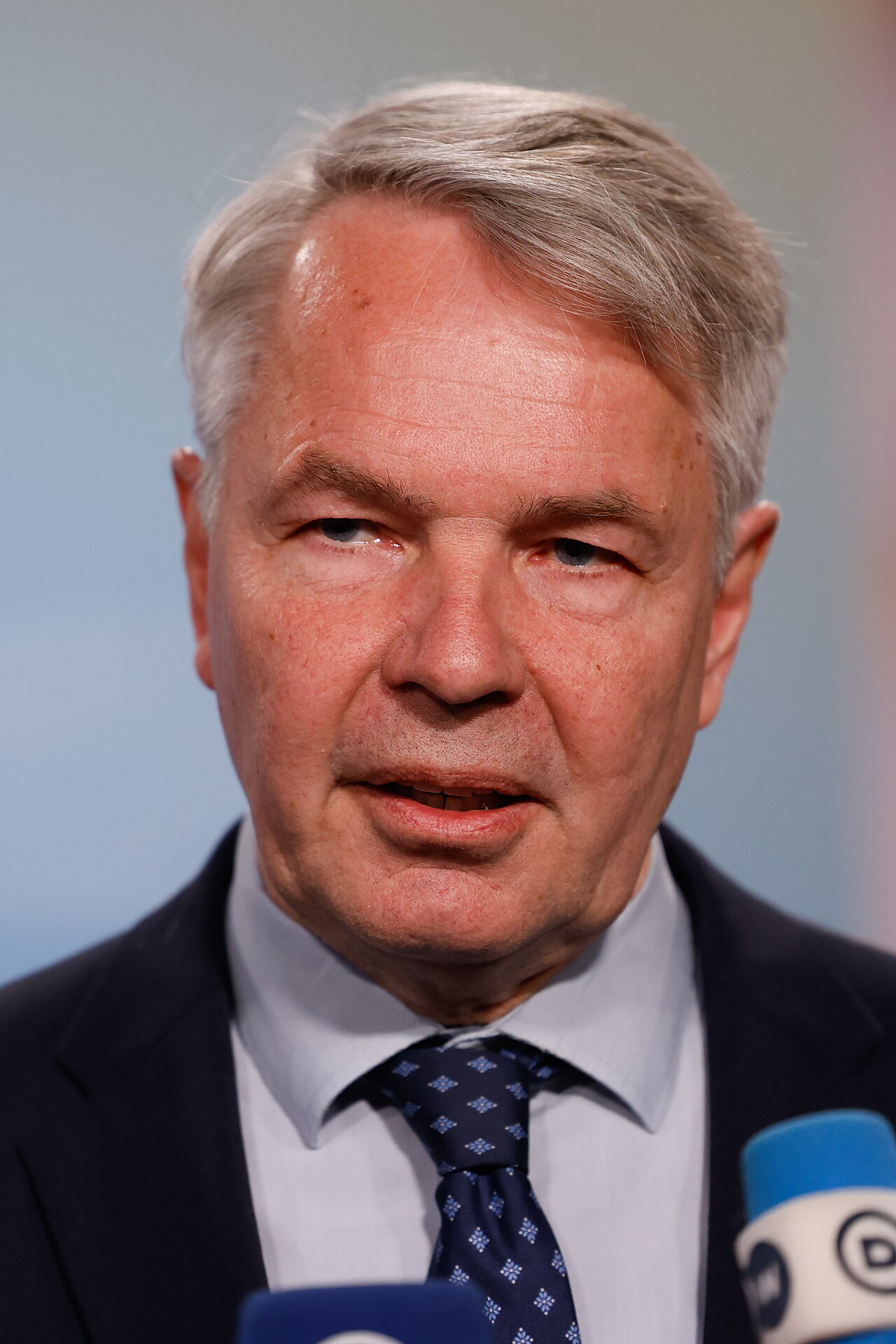
The only concrete near-term measures he described were what he himself called confidence-building “baby steps”: a possible exchange of prisoners of war or detainees, both military and civilian, and facilitating student examinations, AFP reported. “We think that there are issues that should unite actually both parties of the conflict — but these are, of course, baby steps compared with the terrible destruction that is happening,” Haavisto said. He added that all parties were asking the same question about any humanitarian truce or ceasefire: “how will the day after look like” — the question of what political order follows a pause in fighting.
The war the statement is describing
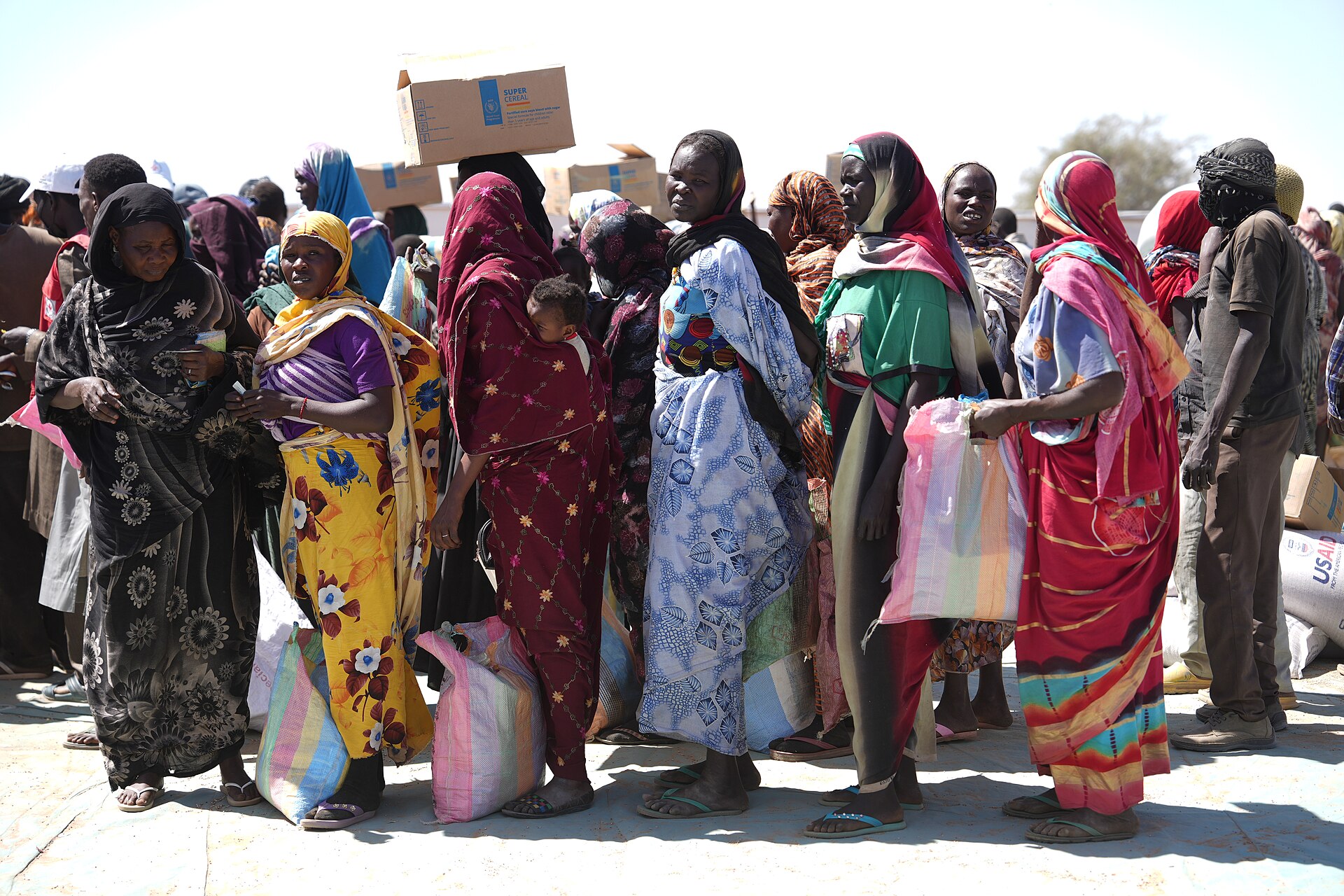
The numbers cited around the Geneva meeting describe the world’s largest displacement and hunger crisis. AFP, summarising aid-worker estimates, put the death toll at more than 200,000 and the displaced at more than 13 million. UN News, citing the UN aid coordination office OCHA via Swiss State Secretary Alexandre Fasel, said almost 34 million people across Sudan need humanitarian support, and cited UNICEF alerts that eight million Sudanese children are out of school. A separate UN-backed assessment reported ahead of the meeting by UNHCR put the forcibly displaced at 11.3 million, including 4.6 million in neighbouring countries. The figures come from different agencies using different counting methods and are reported here as each source stated them; they are not a single reconciled toll.
Fasel, whose country co-hosted the meeting, gave the war its bleakest one-line description in UN News’ reporting: “The war in Sudan has become a drone war; it kills mostly civilians.” Famine-like conditions persist in Darfur and Kordofan state, he said — “it is the war that drives this hunger” — and he insisted that civilian protection and humanitarian access “must not wait for a ceasefire and a political solution. Civilians are suffering and dying today.” UN News also reported Fasel saying conflict-related sexual violence has re-emerged as a tactic in the war.
The Geneva talks opened two days after a reported drone strike on a market in the disputed Abyei region on the Sudan–South Sudan border was said to have killed more than 150 people — a figure reported by RFI and CNN and carried in earlier Signal Post News banking, with no separate official toll released by Sudanese or South Sudanese authorities. That incident, and the wider pattern of drone strikes on markets and public infrastructure described by UN officials, is the immediate backdrop against which the participants’ statement singled out drone warfare by name.
Why this matters
The significance of Geneva is not a ceasefire — none was agreed, and no one at the Palais des Nations had the authority to agree one. It is the alignment, on one public text, of a mediation field that has spent three years competing with itself. The consultative series began in Cairo in June 2024 and has since met in Djibouti, Nouakchott, Brussels and Cairo again, UN News records; the Quad, the Quintet, the African Union, the UN and individual states have each run their own tracks, and the warring parties have been able to play the tracks against one another. A single statement that rejects parallel governments, names outside fuelling of the war — mercenaries, equipment, drones and money — and ties any truce to Sudan’s unity and a civilian political process removes some of that room for manoeuvre. It tells both the SAF and the RSF, and their respective backers, what the mediators will and will not legitimise.
The limits are just as clear, and Haavisto named them himself. A mediator-only meeting cannot bind commanders who still expect to win. The Abyei market strike was reported while the delegates were travelling to Geneva. Sudan’s army chief has previously rejected talks and vowed to retake territory — the position this site reported in Burhan’s rejection of peace talks — and the humanitarian emergency the statement deplores is still deepening, as the IPC famine assessment for Darfur and Kordofan covered in our famine report makes plain. Read the Geneva outcome for what it is: the diplomatic track finally speaking in one voice, while the military track — the one killing civilians — has not yet agreed to listen.
Background: how Sudan got to a mediators-only table
The war began in April 2023 between the SAF and the RSF — former allies who had jointly seized power in a 2021 coup, as both UN News and AFP recount — and is now in its fourth year. Fighting remains fiercest in North and South Kordofan, Blue Nile and Darfur, and drone strikes have become the war’s defining weapon against civilians and infrastructure alike. Previous rounds of the consultative mechanism met in Cairo (June 2024 and January 2026), Djibouti (July 2024), Nouakchott (December 2024) and Brussels (June 2025), UN News said; the last meeting before Geneva was in Cairo in January 2026, per AFP. Rosemary DiCarlo, the UN under-secretary-general for political and peacebuilding affairs, told the Security Council last week that despite the suffering, the parties “continue to show no credible commitment to compromise or to pursuing a negotiated pause in fighting” and are “not moving closer to dialogue” — the assessment the Geneva meeting was convened against.
What happens next
A seventh consultative meeting is planned, AFP reported, though no date or venue has been set. The tests of the Geneva statement are concrete and near-term: whether either side engages on the two confidence-building measures Haavisto named — detainee exchanges and student exams; whether the states urged to “refrain from fuelling the war” change any behaviour the statement describes; and whether the “day after” question Haavisto raised can be answered in a form both a humanitarian truce and a civilian political process can rest on. Until one of those moves, the statement stands as a record of international consensus — and, on the evidence of this week’s fighting, consensus alone does not stop a drone.
Sources
- AFP via The Voice (October 21, 2026): “No military solution in Sudan: UN envoy” — post-talks press conference by Pekka Haavisto, participants’ statement, 21 countries and five international organisations, baby-steps measures, seventh meeting planned.
- UN News (October 21, 2026): “Sudan conflict: Peace efforts resume to end ‘drone war’ fuelling humanitarian crisis” — meeting convening, Haavisto and Fasel remarks, OCHA/UNICEF figures, Quad and Quintet margins, consultative-meeting history, neither warring party represented.
- UNifeed / UN Media (October 21, 2026): Geneva / Sudan Consultative Meeting asset — Haavisto de-escalation session remarks and Fasel drone-war remarks.