Economy / Markets — Futures edged higher on Tuesday as Celestica's beat kept the AI trade alive, Visa and Seagate waited after the bell, and the Federal Reserve opened a two-day meeting almost nobody expects to end in a cut — or a hike.
The stock market today October 27 opened with a familiar tug-of-war: an artificial-intelligence trade that refuses to cool, and a Federal Reserve that refuses to move. Stock futures pointed higher on Tuesday morning — the Dow Jones Industrial Average up about 0.2 percent, the S&P 500 up 0.2 percent and the Nasdaq up 0.4 percent — extending Monday's gains, which had been boosted by Anthropic's S-1 filing and the prospect of another giant AI name joining the public market. Underneath the index calm, the day's real story was dispersion: Celestica leading the AI trade after better-than-expected results, a string of consumer and travel beats, and two of the week's most-watched reports — Visa and Seagate — still to come after the closing bell.
Track it live: Signal Post News Markets Tracker — live indexes, oil, gold and crypto.
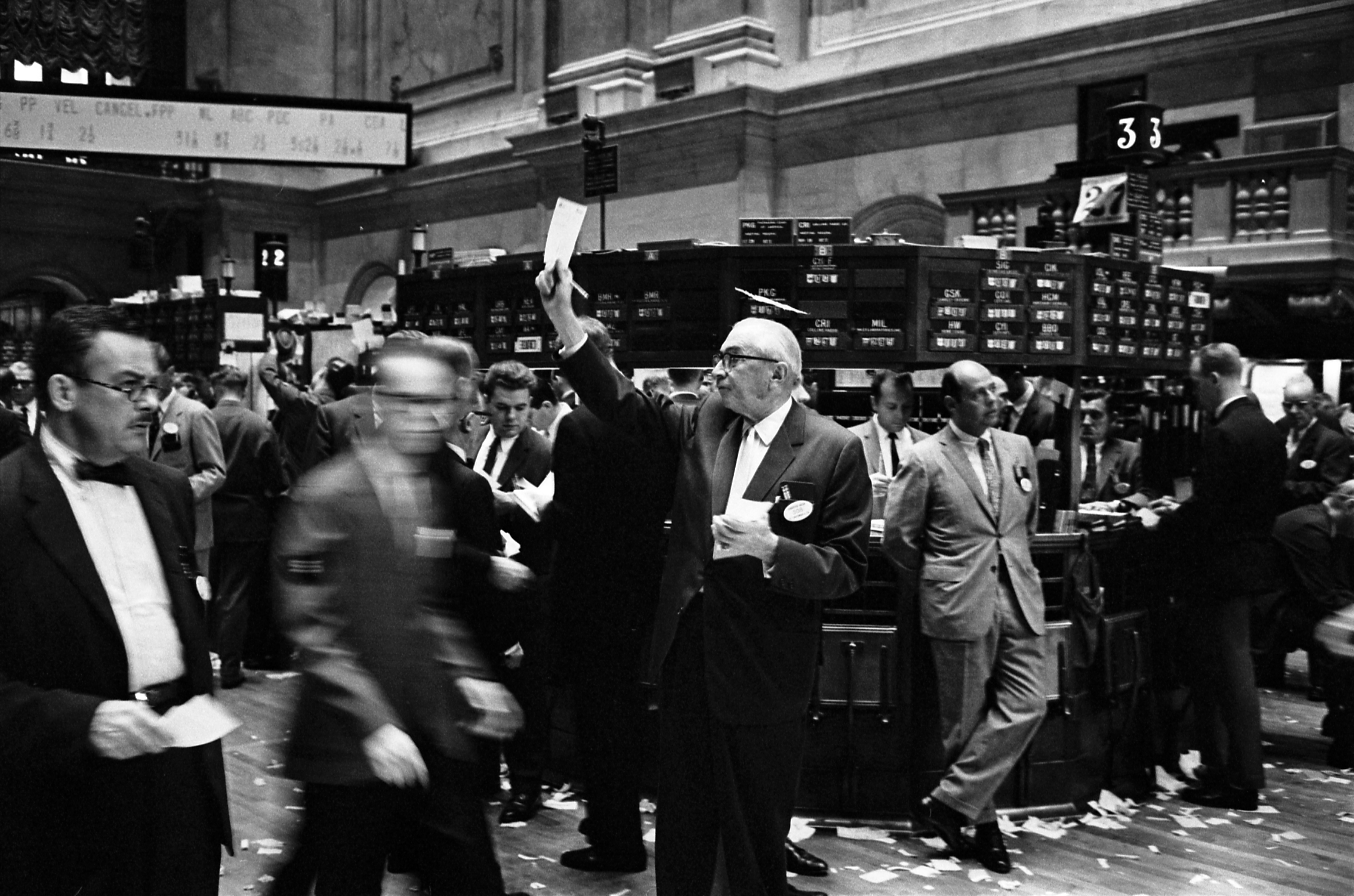
Celestica, and what a contract manufacturer's beat actually tells you
Celestica is not a household name, and that is exactly why its result matters. The company builds the hardware other companies sell — servers, networking gear and the racks that fill AI data centres — so its order book is a second-order read on the AI capital-spending boom: not what the hyperscalers promise to spend, but what they are actually buying. Better-than-expected results from Celestica, following Monday's Anthropic S-1 boost, told investors the capex pipeline is still converting into shipments. Put in context: chip designers report intentions, cloud giants report budgets, but a contract manufacturer reports deliveries. When all three point the same way, the trade holds; Tuesday morning, they did.
The beats were not confined to technology. United Parcel Service, Royal Caribbean and Coca-Cola all reported better than expected, a combination that cuts against the simplest recession story: parcel volumes speak to goods moving, cruise bookings to discretionary confidence at the top of the income ladder, and Coca-Cola to the pricing power of everyday staples. JetBlue, meanwhile, rebounded from a record low after reporting a day early — a reminder that at beaten-down levels, merely clarifying the numbers can be a catalyst. None of this is a boom signal on its own. It is, however, a breadth signal: earnings season is producing winners outside the AI complex, which is what a rally needs if it is to be more than seven stocks and a hope.
The scoreboard beyond stocks: oil, gold, bitcoin and the 10-year
The cross-asset picture was quieter and, in places, more cautious than the equity futures. West Texas Intermediate crude fell about 0.7 percent to $101.05 a barrel — still a three-digit price that keeps energy inflation in every central banker's briefing pack, even on a down day. Gold slipped 0.4 percent to $4,025 an ounce, pausing at levels that would have been unthinkable two years ago and that still signal deep demand for insurance. Bitcoin traded below $80,000, continuing a stretch in which the original risk barometer has lagged the stock market it usually leads. And the 10-year Treasury yield sat at 4.98 percent, barely down from 4.99 percent — a whisker below 5 percent, the level that has repeatedly tightened financial conditions all by itself, whatever the Fed does.
Read those four numbers together and the market's real position emerges. Equities say growth is fine. Gold says hedge anyway. Oil above $100 says the inflation fight is not finished. A 10-year at 4.98 percent says lenders agree. Bitcoin below $80,000 while the Nasdaq rises says speculative appetite is selective, not euphoric — money is chasing earnings-backed AI exposure, not risk for its own sake. That selectivity is the healthiest feature of this rally, and also its fragility: a trade concentrated in proven cash flows has further to fall if those cash flows disappoint.
The Fed opens its meeting — and the decision is the least interesting part
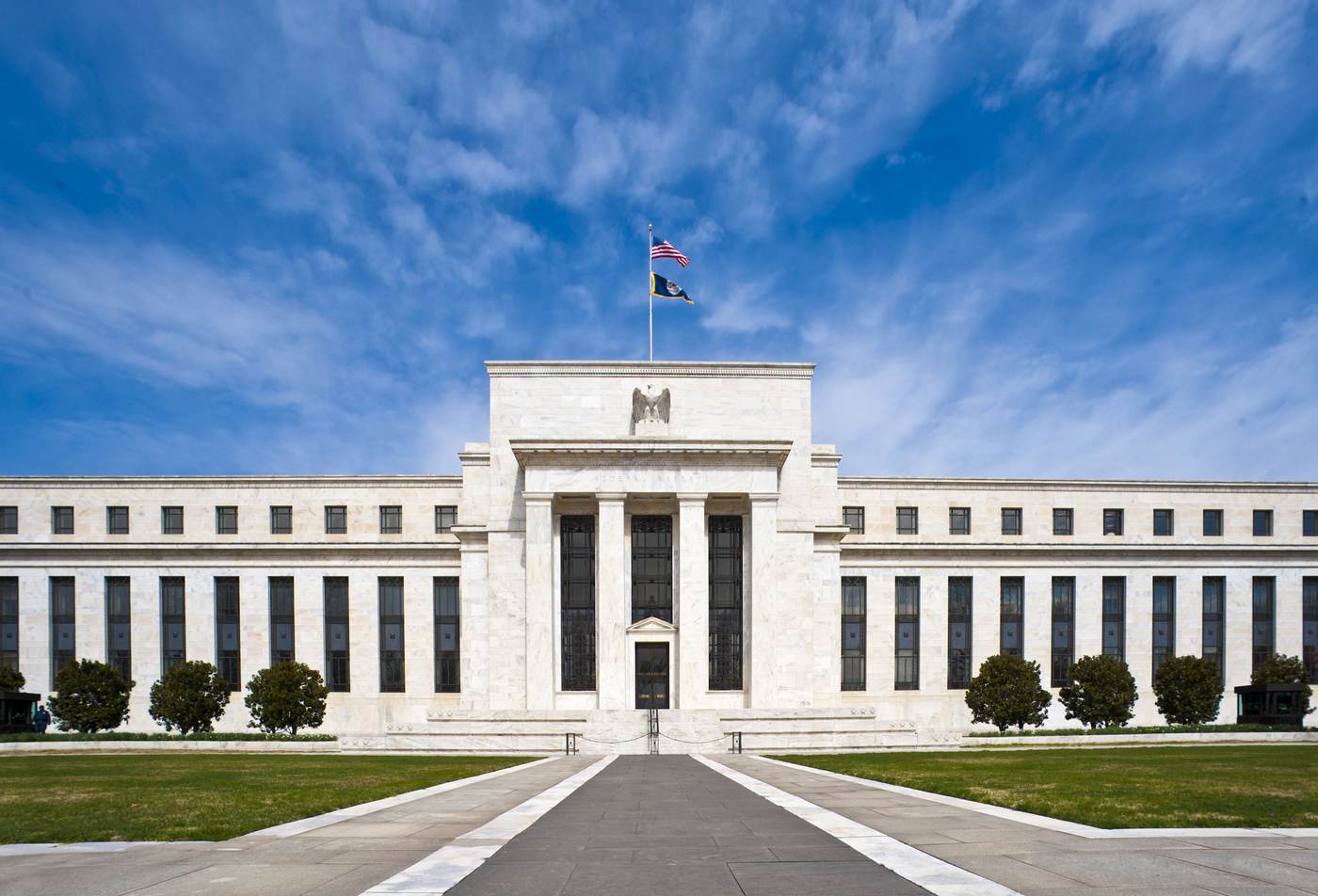
The Federal Open Market Committee opened its two-day meeting on Tuesday, with the decision due Wednesday at 2 p.m. Eastern Time. The outcome is about as close to settled as central banking gets: a Reuters poll found 94 of 100 economists expecting the Fed to hold its benchmark rate at 3.75 to 4.00 percent, and market pricing tells the same story. What investors are actually trading is December, when a rate hike is now widely expected — an extraordinary position for a market simultaneously bidding AI stocks to records, and one that only makes sense if you believe, as this market apparently does, that growth and inflation are both running hot enough to force the Fed's hand while earnings are strong enough to absorb it.
Why this matters
Tuesday distilled the whole 2026 market argument into one session. The bull case is no longer a forecast; it is a supply chain. Anthropic files to go public, Celestica ships more hardware than expected, Coca-Cola and Royal Caribbean confirm the consumer at both ends of the price ladder — at some point the "AI bubble" critique has to engage with invoices, not vibes. The bear case has also narrowed to something specific and testable: a central bank expected to hold this week and hike in December, a 10-year yield flirting with 5 percent, and oil in three figures. Bubbles pop on euphoria; this market's risk is arithmetic — discount rates rising into valuations that assume they fall.
There is a historical rhyme worth noting. Late-cycle markets led by a capital-spending boom — railways in the 1860s, electrification in the 1920s, fibre in the 1990s — rarely ended because the technology failed. They ended because financing tightened while spending was still accelerating, and the builders with real contracts, the Celesticas of their day, outlasted the story stocks built on projections. A December hike, if it comes, would test exactly that distinction: companies converting capex into shipped product versus companies converting narrative into market value. Tuesday's tape suggested investors are already sorting one from the other.
Who wins, who loses
Winners, if the current script holds: the AI supply chain with deliveries to show — Celestica and its peers; quality consumer names beating on both staples and discretionary ends; and, quietly, the Treasury market's discipline trade, where a near-5 percent 10-year pays investors to wait. Losers: rate-sensitive borrowers refinancing into a hold-then-hike path; unprofitable growth stories priced for cuts that are not coming; and crypto, which below $80,000 is discovering that "digital gold" and "high-beta tech" cannot both be true on the same day — gold at $4,025 is winning the first argument, and the Nasdaq is winning the second. Critics of the rally make one fair point that survives every beat this season: breadth among winners is not the same as cheapness, and a market can be right about earnings and wrong about price at the same time.
What happens next
Two reports land after Tuesday's bell. Visa's numbers will be read as a real-time census of consumer spending — cross-border volumes, in particular, are among the cleanest high-frequency reads on the global consumer that markets get. Seagate, like Celestica, is an AI-infrastructure tell: hard-drive demand is a data-centre storage story now, and its guidance will either corroborate the morning's optimism or complicate it. Then comes Wednesday: the Fed decision at 2 p.m. Eastern, where a hold is priced but the statement's December language is not. If the Fed validates the hike expectation, expect the 10-year to test 5 percent and the AI trade to face its first real discount-rate headwind of the autumn. If the Fed pushes back, the melt-up has room — and Tuesday's quiet, broadening, slightly hedged rally will look, in hindsight, like the calm version of this market.
Sources
Investopedia, "Stock market today" live coverage, October 27, 2026 (futures, Celestica, UPS, Royal Caribbean, Coca-Cola, JetBlue, Visa and Seagate reporting calendar, WTI at $101.05, gold at $4,025, bitcoin below $80,000, 10-year Treasury at 4.98 percent). Reuters, Federal Reserve poll, October 2026 (94 of 100 economists expecting a hold at 3.75–4.00 percent; decision Wednesday 2 p.m. ET; December hike widely expected). Related Signal Post News coverage: Live Markets Tracker and Live Crypto Tracker.