Spain snap election November 2026
- Spain snap election November 2026
- Spain election date November 29
- Spain housing crisis protests
- PP-Vox coalition polls

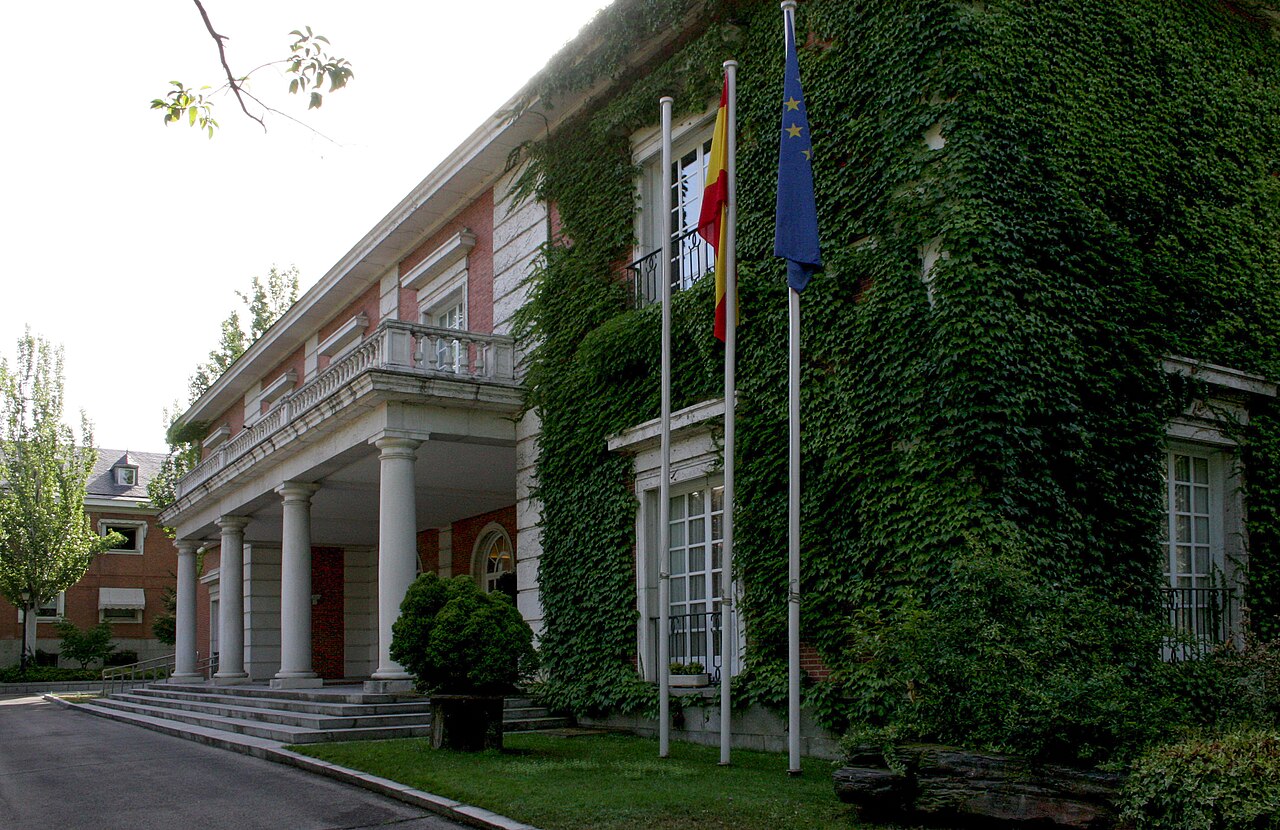
MADRID — Spain's prime minister has made the calculation that paralysis is more dangerous than an election he could lose. In a televised institutional address from the Palacio de la Moncloa on Monday, October 5, Pedro Sánchez announced that Spaniards will vote in a snap general election on November 29.
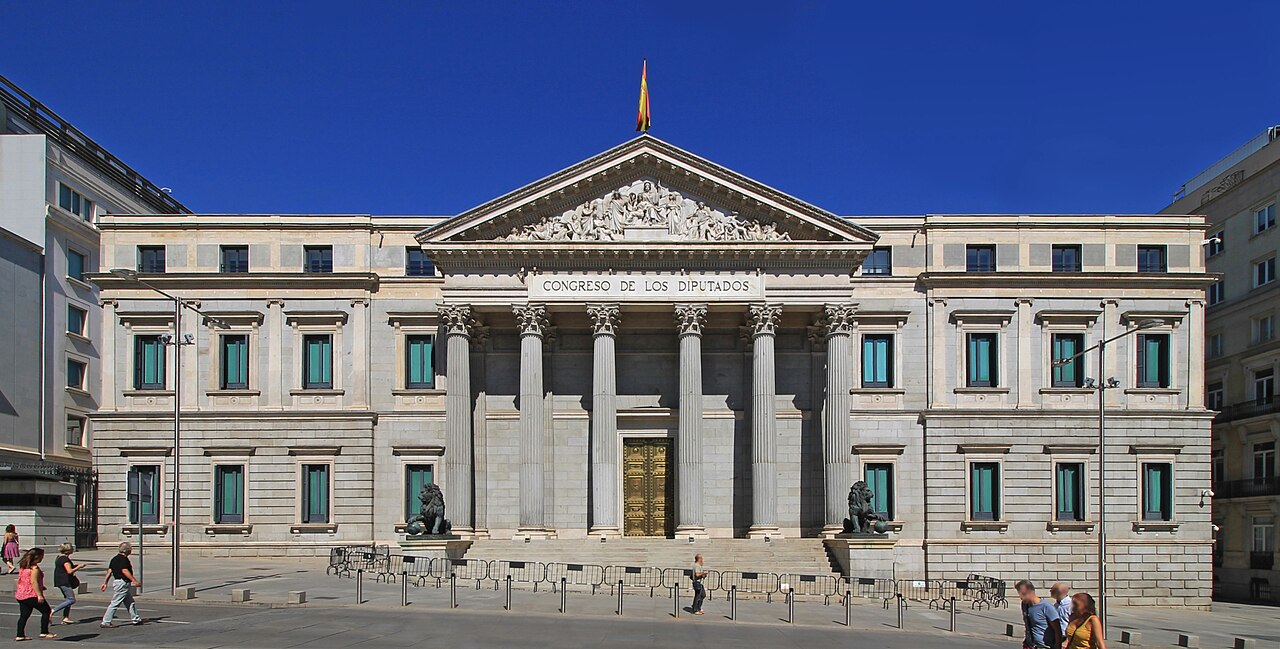
The Spain snap election November 2026 follows Friday's defeat of two government housing decrees in Congress. One would have strengthened protections against evictions; the other would have restricted speculative purchases of homes. Junts, the right-wing Catalan separatist party whose votes had helped sustain Sánchez's minority administration, joined the conservative Popular Party and the populist right-wing Vox to reject both measures.
“The time has come, therefore, for the Spanish people to decide what future you want for yourselves and for your country,” Sánchez said in remarks reported by CNN and the BusinessDay Reuters wire.
His admission was unusually direct. The government had “made mistakes and have not managed to do everything we set out to do,” Sánchez said, acknowledging that “part of that social majority is dissatisfied today.” But he did not present the election as a retreat. He cast it as an attempt to break an arithmetic that has repeatedly denied his coalition the votes to govern.
Why the November 29 election matters beyond Spain
This is not simply an early contest in the European Union's fourth-largest economy. It is a test of whether a left-leaning national government can survive the combination of a housing emergency, corruption scandals and a fragmented parliament while far-right parties gain ground across Europe.
Sánchez, 54, has been prime minister since 2018 and has led a minority coalition since 2023. The legislature was meant to continue into 2027, but the government never secured a budget. By sending voters back to the polls roughly eight months earlier than expected, he is conceding that the existing arrangement no longer offers a dependable path for legislation.
Opinion polls cited by The Times put Sánchez's Socialists behind and point to a conservative PP-led government supported by Vox as the most likely outcome. If that happens, a far-right party would enter Spain's central government for the first time since democracy returned after the death of dictator Francisco Franco.
That makes the vote a continental marker. The Wall Street Journal describes Sánchez as the only left-wing leader running a major EU country, while far-right parties lead polls in Germany and France. A PP-Vox victory would therefore do more than change Madrid's governing coalition: it would further narrow the territory held by Europe's mainstream left.
How a housing defeat became the election trigger
The immediate trigger came from homes, rents and evictions — not an abstract constitutional quarrel. Tens of thousands marched during a week of massive housing protests, and a camp in Madrid's Puerta del Sol became a national symbol of frustration over the difficulty of renting or buying a home.
The unrest was sparked in part by the eviction of an 87-year-old woman from her Madrid apartment. The government responded with proposals meant to extend tenant protections and constrain speculative purchases. Congress rejected them on Friday, October 2. For Sánchez, that vote supplied the political argument for ending the legislature: even on the issue causing the most visible public anger, his coalition could not assemble a majority.
Our earlier reporting documented the scale of the Spain housing crisis protests across Madrid and other cities and the eviction case that intensified pressure for a national ban. Those were warning signals. Friday's defeat turned the warning into a governing crisis.
There is an important distinction between cause and opportunity. Housing exposed the minority government's weakness, but Sánchez believes it could also provide the clearest route to a recovery. His argument is that the public wants action, while the current parliament protects “vested interests” and blocks it. If voters accept that framing, the defeat that ended his legislative strategy could become evidence for renewing it.
“We need to renew people's support,” Sánchez said. “We need to mobilise and win a much larger progressive majority in parliament, one that will allow us to overcome vested interests, deliver new social advances and continue transforming Spain.”
Sánchez's gamble: there may not be a better moment
Calling an election while trailing in the polls looks counterintuitive, but waiting also carries a price. Every failed vote would reinforce the opposition's claim that Sánchez can no longer govern. A budget had already proved unreachable. Housing — the issue most capable of connecting parliamentary maneuvering to daily life — now offers him a campaign story voters can recognize.
Political analyst Eduardo Bayon summarized the logic for Reuters: “It's logical to call elections now. There will not be a more favourable scenario. It's risky and he could lose the government but nonetheless, I don't think that he will have a better moment.”
That is the bet in its purest form. Sánchez is choosing a difficult election before further defeats make it worse. He has surprised opponents who counted him out before, as the Journal notes, but tactical resilience is not the same as favorable fundamentals. Polls still trail the Socialists, dissatisfaction is real, and the government is carrying corruption scandals alongside the housing crisis.
Who could benefit
Sánchez and the progressive bloc gain a chance to turn public fury over housing into a mandate for action. The campaign lets them argue that only a larger majority can convert protests into policy. It also lets Sánchez draw a direct ideological contrast with Vox, rather than spend months negotiating vote by vote.
The PP and Vox begin with the advantage described by current polling. Their case is simpler: the failure to pass a budget and the collapse of the housing decrees prove the government has exhausted its capacity to govern. The PP can run on replacement and stability; Vox can push for a sharper break with Sánchez's domestic and foreign-policy agenda.
Junts demonstrated its leverage by supplying the votes that killed the decrees. But an election also puts that leverage at risk. A PP-Vox majority would reduce the bargaining power of smaller parties, while a renewed fragmented parliament could make Junts pivotal again.
Who carries the greatest risk
The progressive camp could lose national power altogether if the polls hold. That would leave Sánchez's housing proposals unfinished and end one of Europe's last major left-led governments. The opposition, meanwhile, risks turning a favorable polling environment into expectations so high that anything short of a workable majority looks like underperformance.
Voters carry a more practical risk: the election may clarify who leads Spain without resolving the fragmentation that made policy so difficult. A close result could produce another parliament in which parties agree that housing is urgent but cannot agree on the instruments, costs or limits of intervention.
The 54-day road from Moncloa to the ballot
The institutional sequence is now compressed. Sánchez will convene an emergency cabinet meeting and inform King Felipe VI of the dissolution of parliament. The decree is expected to be published on Tuesday. Spain's electoral law then supplies the 54-day period that leads to a November 29 vote, according to The Times and Rapporteur.
The king's role is part of the formal constitutional process, not an endorsement of either side's campaign. Once the dissolution decree is published, the political dispute shifts from whether the government has enough votes in Congress to whether either bloc can win enough seats to build a durable majority after November 29.
The campaign lines are already visible
Sánchez wants the election to be fought on two linked questions: who can act on housing, and what kind of Spain should confront Europe's rightward shift. “Whether you want to join that far-right wave, which reverses progress wherever it governs, or whether you want Spain to remain a stronghold of openness, social justice and environmental responsibility,” he said, according to the Wall Street Journal.
The PP and Vox will try to move the argument back to competence: a minority government that never passed a budget and lost its signature housing decrees cannot credibly promise a larger transformation. Corruption scandals affecting the government and PSOE give them another line of attack. For Junts, the campaign will be about defending Catalan influence without being absorbed into either national bloc.
The July crisis in Ceuta, when tens of thousands of Moroccans crossed into the Spanish exclave, has been overshadowed by housing and scandal but remains part of the broader record voters will judge. Our coverage of the later Ceuta migrant-camp clearance ahead of King Felipe's visit explains how the border emergency continued to test national institutions after the initial crossings.
Foreign policy is also on the ballot
Sánchez has stood apart internationally as a progressive voice: supporting Palestinian statehood, confronting what he calls “tech oligarchs,” criticizing President Trump, denying the U.S. military permission to use joint Mediterranean bases for operations against Iran, and opposing Israel's campaigns in Gaza and Lebanon. Those positions have made Spain more visible abroad even as scandals and coalition instability weakened Sánchez at home.
A change of government would not mechanically reverse every position, but a PP-led coalition reliant on Vox would change Spain's political tone inside the European Union and could redirect priorities in foreign and security policy. A Sánchez comeback would be read as evidence that a progressive government can still survive by combining social policy with a confrontational defense of its international posture.
Three scenarios after November 29
Analysis — a progressive recovery. If Sánchez converts housing anger into turnout and wins a larger progressive bloc, he can claim voters broke the parliamentary veto that defeated the decrees. The practical test would arrive immediately: whether the new numbers are truly sufficient to pass housing measures and a budget, rather than recreate the same dependence on smaller parties.
Analysis — a PP government with Vox support. This is the outcome current polls identify as most likely. It would end Sánchez's premiership, place a far-right party in central government for the first time in Spain's modern democratic era, and likely produce a different approach to housing regulation, social policy and Spain's alignment in European debates.
Analysis — another fragmented parliament. Neither bloc secures a stable path to power. Smaller parties remain decisive, coalition bargaining resumes and the housing crisis continues without a settled legislative answer. This would be the most punishing result for every party promising clarity, because it would preserve the arithmetic Sánchez called the election to escape.
The bottom line
Sánchez has not called an election because the moment is comfortable. He has called it because the alternatives appear worse. The government could remain in office and lose consequential votes one by one, or it could ask the public to decide whether those defeats show a failed administration or a parliament blocking action voters demand.
Housing created the crisis, but the November 29 ballot will encompass far more: the future of Spain's progressive project, the prospect of Vox entering national government, the durability of regional-party leverage and the country's posture in Europe and abroad. The next formal step is Tuesday's expected dissolution decree. The harder step comes over the following 54 days, when each side must turn a story about paralysis into a credible story about power.
Sources
- Reuters — Sánchez announcement and analyst reaction
- Reuters live blog — televised announcement coverage
- The Times — housing-decree trigger, timetable and polling context
- The Wall Street Journal — campaign framing and European stakes
- CNN — address, quotations and Puerta del Sol context
- BusinessDay Reuters wire — quotations, polls and regional stakes
- Rapporteur — dissolution process, eviction spark and Ceuta background
Reporting basis: The election announcement, quotations, parliamentary trigger, polling context and constitutional timetable are drawn from the seven sources above. Forward-looking sections are labeled as analysis and are not predictions.