Published October 4, 2026 at 9:35 a.m. PDT
Somalia Israel Berbera naval base
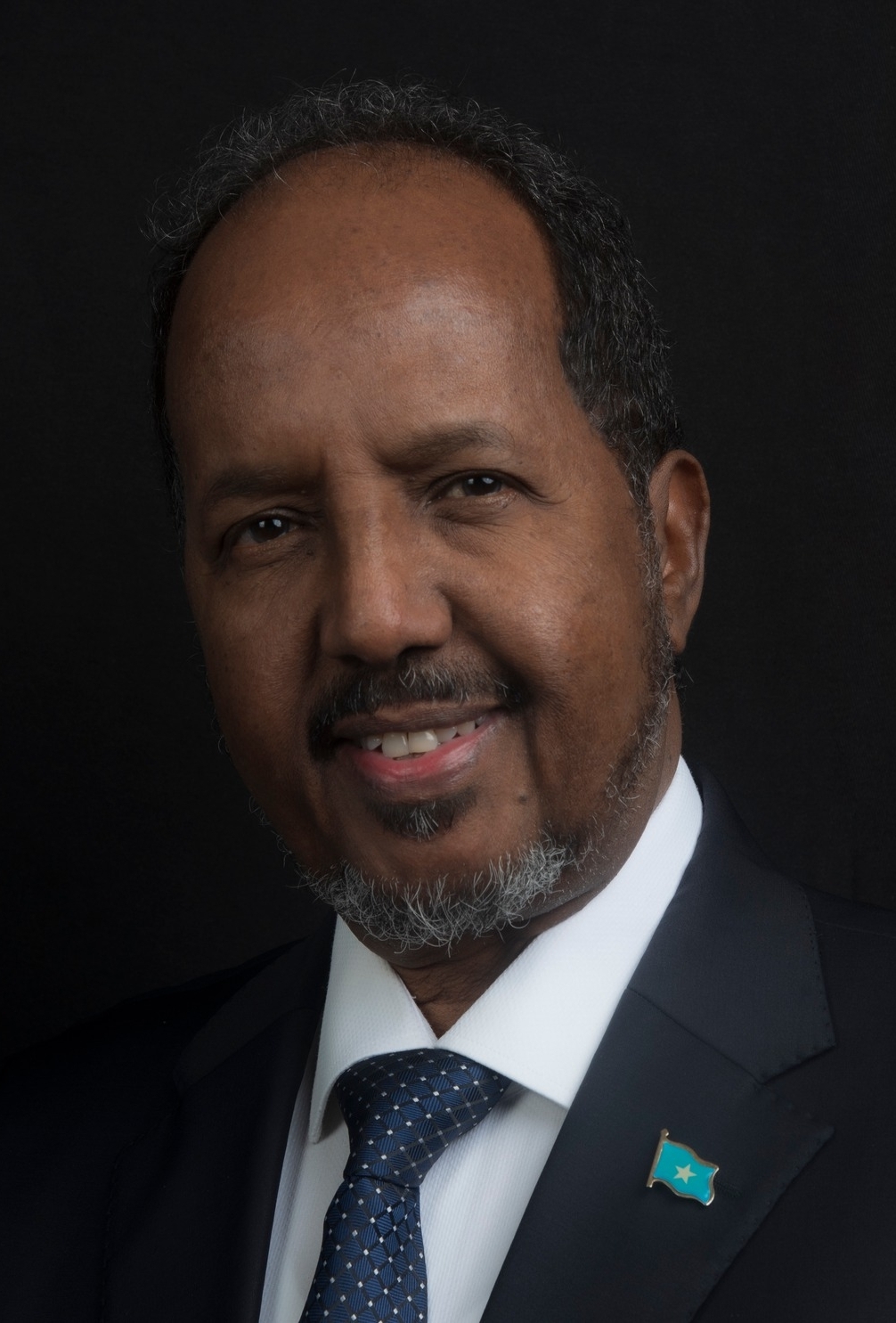
MOGADISHU — Somalia's president has accused Israel of planning to establish a naval base in the port city of Berbera, on the Gulf of Aden coast of the breakaway region of Somaliland, warning that Mogadishu will not accept an Israeli presence “under any circumstances.” Hassan Sheikh Mohamud made the allegation in an exclusive interview with Al Jazeera broadcast Saturday, October 3, framing the purported plan as a bid to position Israel closer to the Gulf states and Iran. Within hours, Somaliland's Ministry of Foreign Affairs issued an official statement rejecting his claims as “misleading,” insisting Mogadishu has no authority over Hargeisa's foreign relations and denying Berbera would be used as a platform for attacks.
The Hassan Sheikh Mohamud Al Jazeera interview is the origin of every quotation now circulating. PressTV, Goobjoog, Somalia Today, Dhacdo, FTL Somalia and HornPost all attribute the remarks to that conversation. That chain matters because nearly everything else about the alleged base sits in the gap between what one president says and what anyone can prove. The interview establishes that Mohamud made the accusation; it does not establish that Israel has signed, financed or begun building a naval facility.
1. What Mohamud actually said — and what he didn't prove
Mohamud's case is sweeping. He said Israel is planning a naval base in Berbera and seeking use of the city's airport. He argued that the purpose is to move Israel closer to the Gulf states and Iran, and placed the supposed plan within what he called the “Greater Israel” project. Prime Minister Benjamin Netanyahu said in an August 2025 interview that he felt connected to that vision, prompting condemnation from Arab governments. The link from that remark to Berbera, however, is Mohamud's interpretation, not an independently established fact.
The Somali president described Israel as a “destabilizing force” that does not abide by international law. He criticized the Israel Somaliland recognition December 2025, noted that no country other than Israel recognizes Somaliland, and said Somaliland's residents oppose an Israeli presence. He also accused the Houthis of destabilizing navigation through Bab al-Mandeb. “We will overcome the challenges posed to our country by Israeli moves,” he said.
The same interview contained a notable distinction. Mohamud said Somalia does not object in principle to Ethiopia obtaining commercial sea access through Somali ports under the United Nations Convention on the Law of the Sea. He described an arrangement involving two or three ports, governed by fees and tariffs, while saying no formal Ethiopian request had yet been submitted. That Ethiopia sea access UNCLOS Somalia offer draws a line between commerce Mogadishu might authorize and foreign security arrangements it says it will not.
Israel had not publicly responded as of publication. Mohamud cited no documents, satellite imagery, construction contracts or named Israeli officials. In the evidentiary record available to the public, the word “planning” is doing heavy lifting.
2. Somaliland's reply: “misleading,” and none of Mogadishu's business
The October 3 Foreign Ministry statement is the clearest answer from Hargeisa. Somaliland rejects Somalia claims as “misleading” and argues that Somalia and Somaliland are “two separate sovereign states” with distinct political realities. In its telling, Mogadishu cannot determine Hargeisa's foreign relations or speak for Somaliland's people.
The ministry described relations with Israel as the “sovereign decisions of two states” aimed at peaceful cooperation, development and regional stability. It denied that Berbera would serve as a platform for attacks. That denial is specific, but it does not disclose the full scope of security cooperation with Israel.
Hargeisa grounded its answer in history and law: independence on June 26, 1960; union with Somalia on July 1; restoration of sovereignty on May 18, 1991; and the inherited-border principle of uti possidetis juris. It also pointed to more than three decades of institutions, elections and peaceful transfers of power. That is the Somaliland independence 1991 recognition argument in its strongest form: recognition should follow durable self-government, not Mogadishu's consent.
3. Why this matters
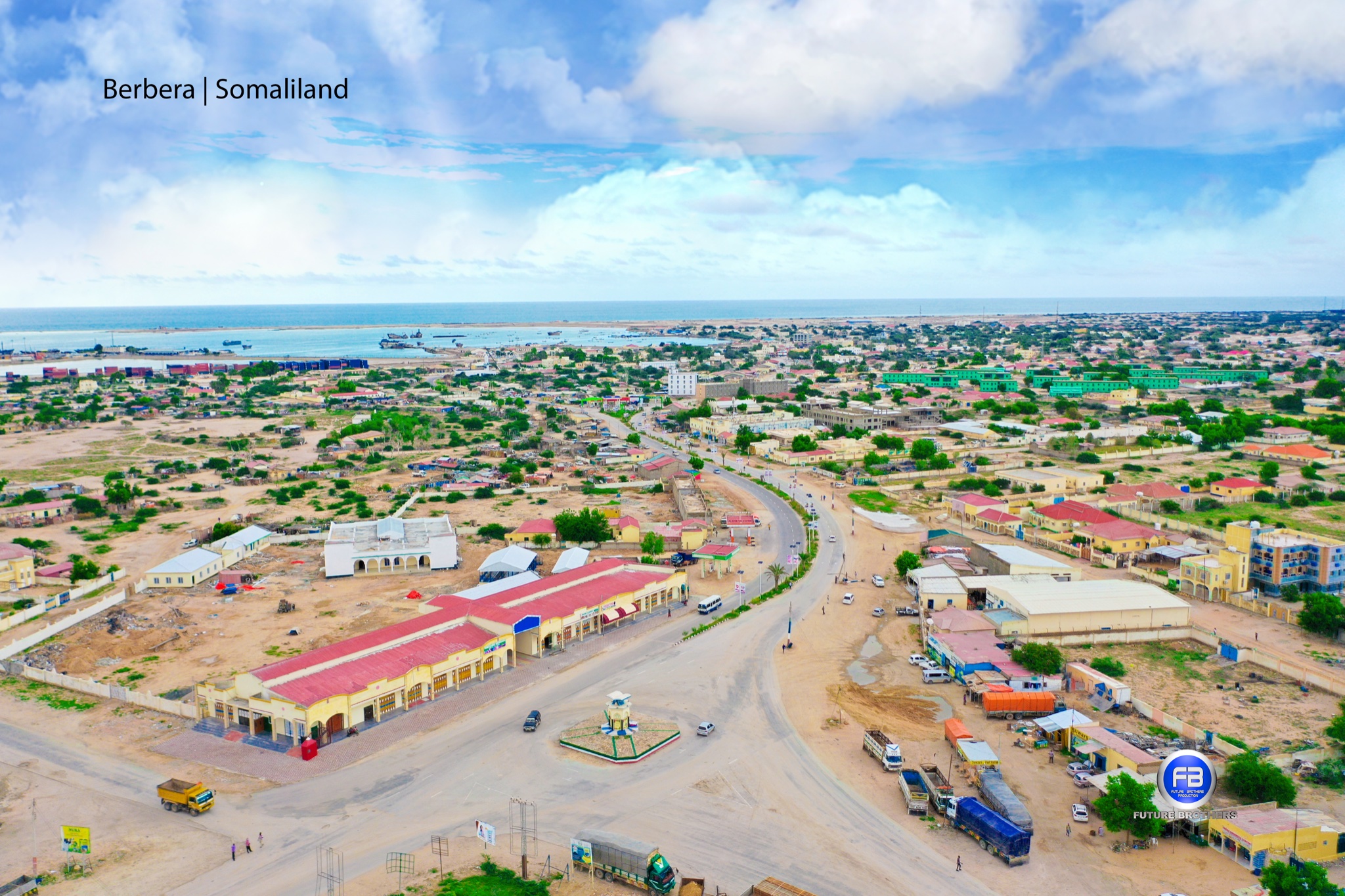
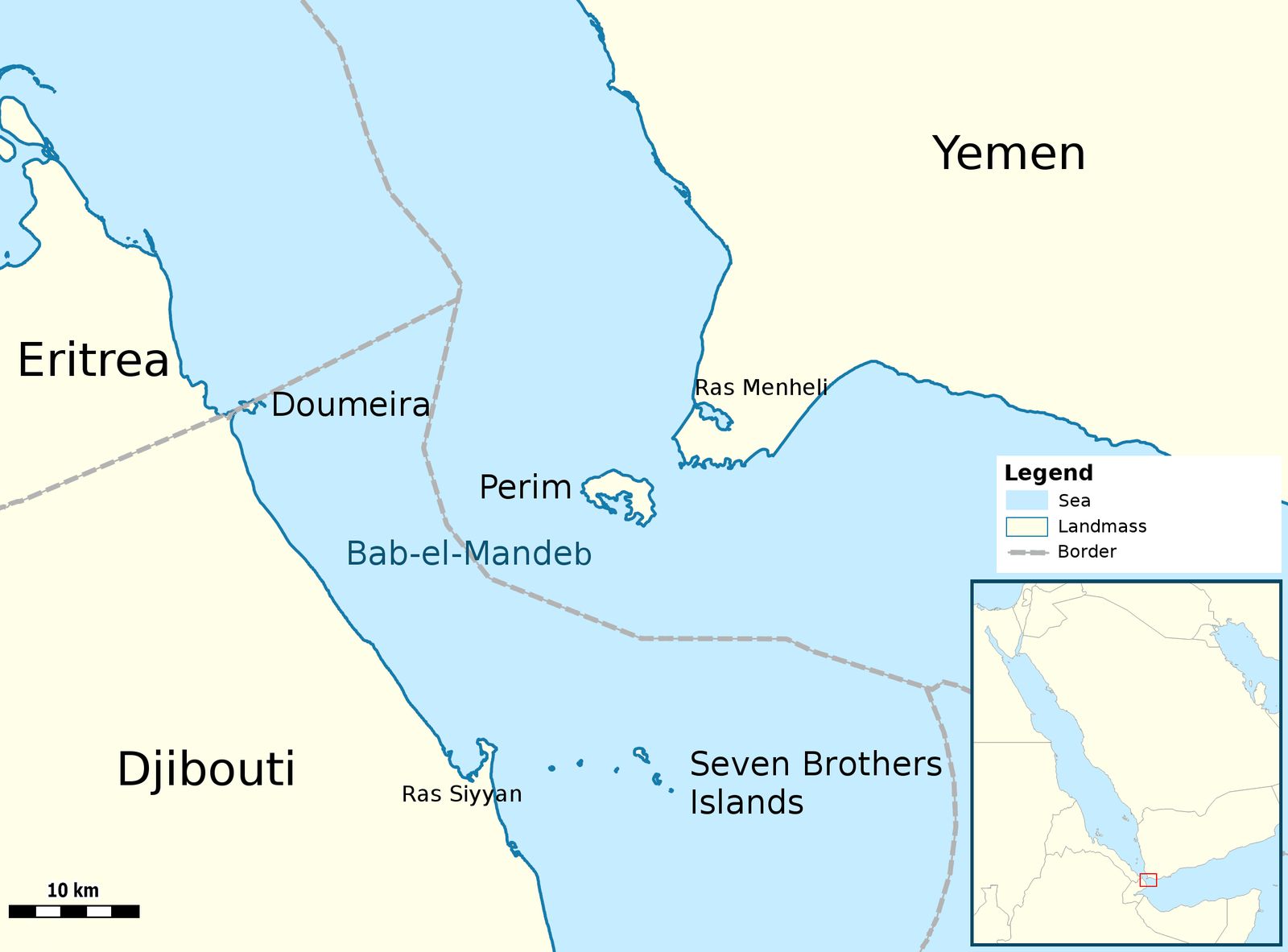
A diplomatic recognition dispute has become a potential security flashpoint on one of the world's most attacked shipping routes. The Berbera port Gulf of Aden position is the strategic fact beneath the rhetoric: the city faces Yemen near Bab al-Mandeb, the southern gateway to the Red Sea. The Houthis have previously warned that an Israeli presence in Somaliland would be considered a military target. Even an unproven allegation can therefore alter targeting assumptions for commercial shipping, port operators and insurers.
The dispute also tests what Israel's December 2025 recognition — the first and only recognition of Somaliland by a country — actually buys. If recognition produces training and diplomatic access but no permanent facility, Hargeisa gains legitimacy without taking on the full military risk. If it produces a base, the bargain looks very different.
Mogadishu's leverage is mostly diplomatic: the African Union, Arab League and United Nations still treat Somaliland as part of Somalia. Hargeisa's leverage is its facts-on-the-ground statehood and control of the coast. The allegation itself is therefore a weapon. By publicizing a possible base before any agreement is proven, Mohamud raises its diplomatic and security cost before a first stone can be laid.
4. How we got here
Somaliland declared independence in 1991 and has governed itself for more than three decades, including through competitive elections and peaceful transfers of power. It won recognition from no United Nations member state until Israel's December 2025 move. Recognition changed the diplomatic baseline, but not the disputed legal map.
Reuters reported in February 2026 that Somaliland's president said no arrangement had been reached for an Israeli military base, while leaving open broader military cooperation. In June, Reuters reported that Somaliland's defence minister denied both an Israeli military presence and negotiations over a base, but confirmed that Israel was providing training to Somaliland's military and police. Earlier in 2026, AFP reported that Somaliland's presidency minister could not rule out allowing an Israeli military presence. Those statements are not identical: training is confirmed, a base is denied, and future options have not been closed.
On June 22, Middle East Eye, citing a senior Somali official, reported that 50 Israeli personnel had deployed to Somaliland. That account remains unverified. It should not be upgraded into proof merely because it fits the strategic logic described by Mogadishu.
The background is the Red Sea crisis. Houthi attacks and warnings against Israel-linked shipping have made the Bab al-Mandeb shipping lane Houthis relationship central to every security calculation. Alongside it runs the Ethiopia sea-access saga: Mogadishu now offers an UNCLOS-based commercial framework through Somali ports, while Hargeisa separately courts Addis Ababa. Each side is offering access on terms that reinforce its own claim to sovereignty.
5. Verified vs. claimed: sorting the record
Verified:
- Israel recognized Somaliland in December 2025; no other country has done so.
- Somaliland declared independence in 1991 and has governed itself since then.
- Reuters reporting in June 2026 established that Israel is training Somaliland's military and police.
- No publicly confirmed agreement for an Israeli base exists; Somaliland officials told Reuters that no base deal had been reached.
- Mohamud gave the Al Jazeera interview broadcast October 3 and made the quoted statements.
- Somaliland's Foreign Ministry issued its rejection on October 3.
- The Houthis have previously warned that an Israeli presence in Somaliland would be treated as a military target.
Claimed but unverified:
- That Israel is actively planning a Berbera naval base and use of the airport.
- The report that 50 Israeli personnel have deployed to Somaliland.
- Mohamud's assertion that Somaliland's residents uniformly oppose an Israeli presence.
- That the purported move is driven by a “Greater Israel” design.
The careful conclusion is narrow. An Israel military presence Somaliland relationship exists at the level of acknowledged training. The public evidence does not establish a permanent Israeli base in Berbera.
6. Three capitals, three logics
Mogadishu's sovereignty logic begins with territorial integrity under international law. From that perspective, a foreign military foothold in Berbera would be an unauthorized base on Somali territory. Confronting Israel also carries domestic political value: it lets Mohamud defend national unity while aligning with intense public opposition to Israeli policy across much of the region.
Hargeisa's self-determination logic begins with its brief 1960 independence, its 1991 restoration and more than 30 years of self-rule. Israeli recognition is the breakthrough Somaliland waited decades to achieve, and partnerships are presented as a sovereign right. Port revenue is existential. A Rift Valley Institute briefing says customs taxes and fees from Berbera provide roughly 70 to 80 percent of the administration's revenue, giving Hargeisa a powerful incentive to protect the port's commercial growth while extracting strategic value from foreign ties.
Jerusalem's strategic logic is easiest to read through geography, though Israel has not publicly confirmed Mohamud's allegation. A Red Sea foothold opposite Yemen would offer options for watching Iran and the Houthis, while signaling to Gulf partners. A training-first footprint would keep costs and exposure lower than a declared base. In the shorthand of regional strategy, this is the Red Sea security Israel Iran contest pushed onto the Horn of Africa's shore.
The beneficiaries and losers cut across borders. Hargeisa gains recognition momentum; Israel gains strategic options; Ethiopia gains leverage because Mogadishu and Hargeisa both want to shape its route to the sea. Mogadishu risks further erosion of its authority. The Houthis acquire a closer potential adversary. Commercial shipping inherits another flashpoint.
Each narrator also has incentives to shade the picture. PressTV, one of the outlets amplifying the interview, is Iranian state media. Mohamud has domestic and diplomatic reasons to frame Israel as the destabilizing actor. Hargeisa has every incentive to minimize the military dimensions of a partnership that could attract Houthi threats or regional backlash. Skepticism has to run in all directions.
7. The numbers that make Berbera matter
Roughly 12 percent of global trade transits the Red Sea via Bab el-Mandeb. The strait narrows to about 29 kilometers at its tightest point. Berbera lies a few hundred kilometers across the Gulf of Aden from Yemen — near enough that Houthi warnings are not abstract, and far enough that any military utility would depend on surveillance, logistics and local permissions rather than geography alone.
The recognition-to-allegation timeline is compressed: December 2025 recognition, February 2026 denial of a base arrangement, June 2026 confirmation of Israeli training, then Mohamud's October 3 allegation. Each step raises the military temperature without resolving whether a base agreement exists.
Commercial numbers matter too. A Rift Valley Institute briefing estimates that two-thirds of Berbera's imports are destined for Ethiopia. That is why the sea-access question shadows the security story: Berbera is not merely a symbolic coast; it is a corridor whose customs revenue and inland market help finance Somaliland's state-building project.
8. What happens next: four scenarios
1. Paper tiger. The allegation fades, no base materializes and the Israeli training relationship continues quietly. This is the path most consistent with the public record to date: real security cooperation, but repeated denials of a permanent facility.
2. The base materializes. Hargeisa confirms a facility or visible construction provides independent evidence. The Houthi threat then becomes operational rather than rhetorical, and insurers could reprice Gulf of Aden risk quickly. Every vessel using Berbera would face a harder question about whether commercial and military traffic can still be separated.
3. Diplomatic spiral. Mogadishu rallies the African Union and Arab League, Hargeisa deepens the Israeli relationship precisely because of the pressure, and Ethiopia plays both suitors. Recognition becomes a contest in which every security agreement carries diplomatic weight.
4. The Ethiopia corridor. A UNCLOS-based commercial deal gives Addis Ababa reliable sea access through ports agreed with Mogadishu and deflates the access grievance driving regional rivalries. That would not settle Somaliland's status, but it could reduce one reason outside powers are drawn into competing port arrangements.
The interview may be less about a base that exists than about one that might. Mogadishu is trying to raise its price before the first stone is laid. Until documents, construction or official confirmation emerge, the sharpest distinction remains the simplest one: Israel's training relationship is established; a Berbera naval base is not.
Sources
- Al Jazeera: original Hassan Sheikh Mohamud interview, broadcast October 3, 2026.
- PressTV report on Mohamud's remarks (Iranian state media)
- Goobjoog English: Somalia will not accept Israeli base in Berbera
- Somalia Today: allegation and Reuters' February and June reporting
- Dhacdo: Somalia will not accept Israeli presence
- FTL Somalia: Mohamud's accusation and regional rationale
- FTL Somalia: Somaliland rejection and Ethiopia sea-access positions
- HornPost: Somaliland Foreign Ministry statement
Reporting basis: the October 3 interview and Somaliland's same-day response, cross-checked against the linked reports. Statements by Mohamud and Somaliland officials are attributed as claims and denials; no publicly confirmed base agreement was available at publication.