Health / Los Angeles County — A second rabid raccoon has been confirmed in Westlake Village, less than three weeks after Los Angeles County found its first rabid raccoon since 1973 in a backyard in the same area, county health officials said on Friday. This animal was sick and aggressive, two people at a nearby worksite may have been exposed and are receiving follow-up care, and the case lands in a year when the county has already confirmed a record-breaking 77 rabid bats.
Track it live: Disease outbreaks, live — Signal Post News tracker
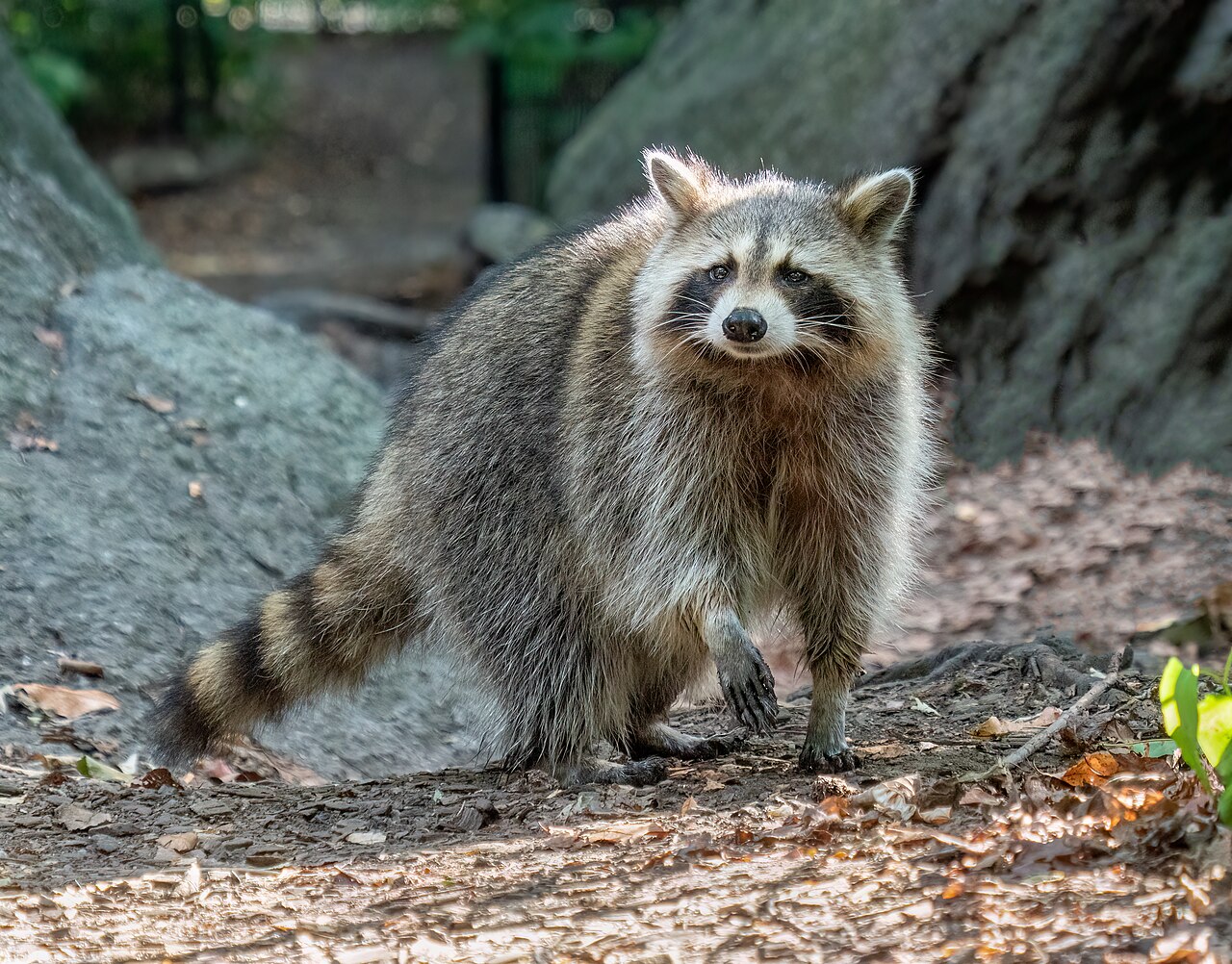
WESTLAKE VILLAGE, Calif. — The second rabid raccoon Westlake Village residents have been warned about in a single month was found on Thursday in a backyard in the same general area as the first, and the Los Angeles County Department of Public Health confirmed it was rabies-positive on Friday, October 23, prompting renewed warnings to avoid contact with wild animals. The county announcement, reported by City News Service via MyNewsLA, said the animal appeared sick and aggressive — a contrast with the first raccoon, found earlier this month, which appeared unwell but was not aggressive. Two people at a worksite in the area may have been exposed to the second raccoon and are receiving follow-up care, according to the county. No residents or pets were reported exposed in connection with the new case, the New York Post reported, and county officials went door to door in the neighbourhood to alert residents and share safety information, according to a City of Westlake Village social-media post cited by the Post.
No one has been reported ill, and no human case of rabies has been announced. The two worksite contacts are receiving what officials call recommended follow-up for rabies post-exposure prophylaxis (PEP) — a series of timely vaccines given after a possible exposure and before any symptoms, when the treatment is highly effective. That distinction is the whole story in miniature: rabies is almost always fatal once clinical symptoms appear, and almost always preventable when exposure is caught and treated in time. The county’s job this weekend is not to treat a disease outbreak in people; it is to make sure a wildlife finding in two backyards never becomes one.
What happened: two backyards, three weeks, one neighbourhood
The sequence matters because the proximity is the point. In early October, the Department of Public Health announced the discovery of the first rabid raccoon in the county since 1973, located in the backyard of a Westlake Village home. That animal appeared sick but not aggressive. Testing later showed it carried a rabies variant typically found in bats. Four people received follow-up for possible post-exposure treatment after that first find, and a vaccinated dog that may have been exposed was quarantined and reported to be doing well. The second raccoon was found on Thursday in another Westlake Village backyard, in the same general area, sick and this time aggressive. Testing is now being done on the second raccoon to determine its strain; officials have not said it carries the bat variant, and until the laboratory work is finished that question stays open. The county noted that the proximity and timing of the two cases may point to a local wildlife exposure — in plain terms, the two raccoons may have encountered the same infected source, most plausibly a rabid bat, rather than each importing the virus independently.
“The detection of rabies in another raccoon is an important reminder to never touch, handle, or feed any wild animals, even when they appear healthy,” Dr. Muntu Davis, the county health officer, said in a statement. “Always keep a safe distance from wildlife and contact your local animal control if you encounter an animal that appears to be sick, injured, or behaving unusually. It is also critical to ensure your pets are up to date on rabies vaccination so they are protected before any potential exposure. Keeping your pets vaccinated is one of the most important steps you can take to protect your entire family.”
Why this matters: the bat numbers underneath the raccoon headline
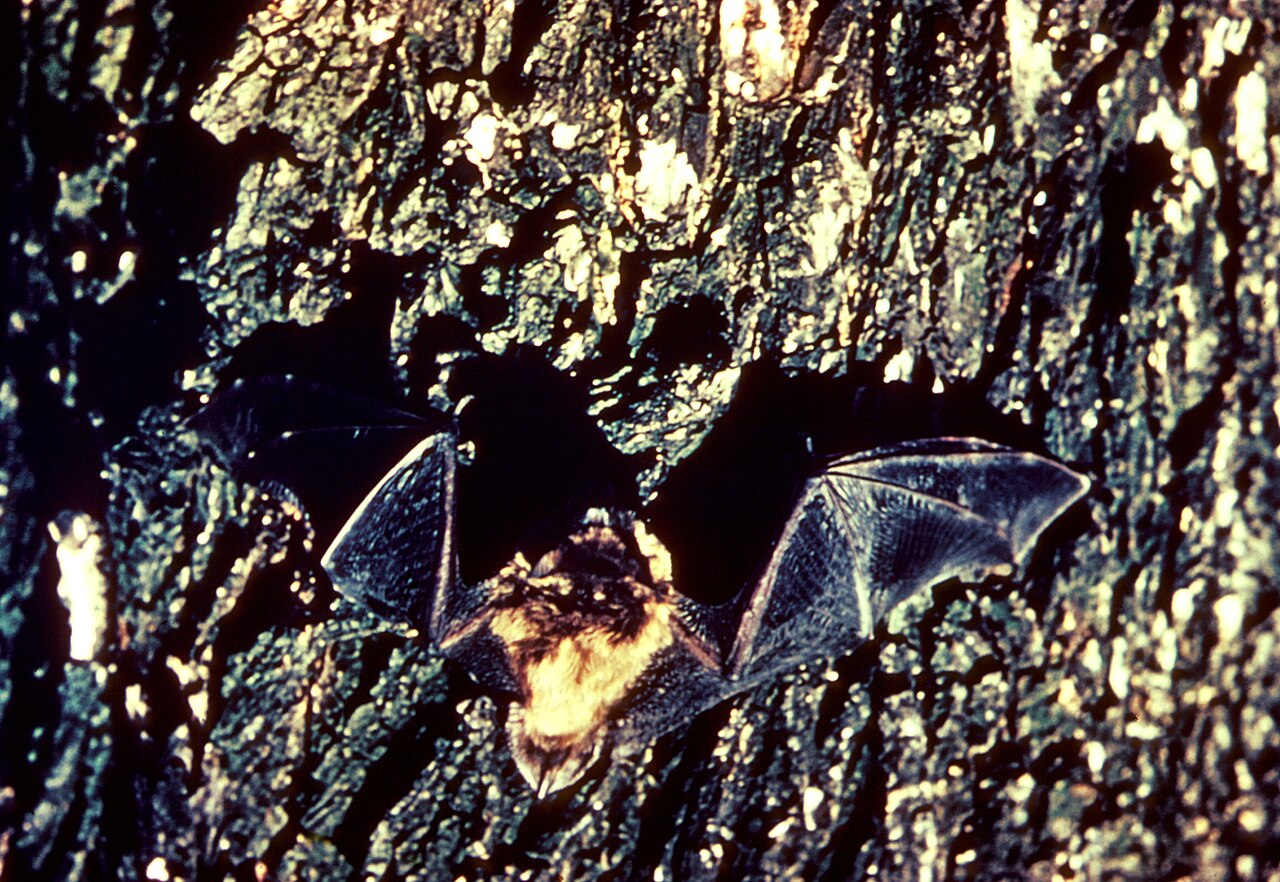
A single rabid raccoon is a neighbourhood warning. Two in the same few streets, in the same month, after a 53-year gap, is a surveillance signal — and it arrives on top of the number that should actually hold attention: 77. So far this year, there have been a record-breaking 77 rabid bats confirmed in Los Angeles County, officials said, in a county where rabies exposures have historically been associated with bats, detections have trended steadily upward for more than a decade, and peak season typically falls in late summer, though rabid bats can be found year-round. Put the figures side by side and the logic sharpens. Bats are the county’s established rabies reservoir. Raccoons are not — that is precisely why a raccoon case is so rare here. When a bat-variant virus starts showing up in a ground mammal that raids bins, crosses gardens, investigates pet food left on patios and is handled, sometimes, by well-meaning people who think it looks unwell, the exposure pathway changes. A bat in a roof void rarely meets a toddler or a dog at close quarters. A raccoon in a backyard can meet both before breakfast.
That is also why the honest comparison cuts against panic. Globally, rabies causes tens of thousands of human deaths each year, with most human cases linked to exposure to dogs in countries where the dog strain of rabies is still present, health officials noted. Los Angeles County is not in that world: it has vaccination, animal control, a public-health laboratory system that can variant-type a raccoon, and PEP available to the two worksite contacts within days. The county’s other live-animal-disease work this autumn — from Ebola surveillance covered in our report on the second Ebola death in Kenya to the cattle-disease dispute in our Siberia outbreak coverage — turns on the same principle in very different settings: find the animal signal early, type it accurately, and treat exposed people before symptoms, because afterwards there is almost nothing medicine can do. Westlake Village is the well-resourced end of that spectrum. The system worked as designed twice this month. The question the second case asks is whether the underlying bat pressure is rising faster than the system’s margin.
The history: what “first since 1973” actually means
The 1973 date is not trivia; it is the baseline that makes October abnormal. When the last known confirmed rabid raccoon in Los Angeles County was detected in 1973, the skunk variant of rabies was still present in the county — it has not been detected here since 1979. The last non-bat animal confirmed to have rabies in the county before this month was a skunk infected with the bat variant in Long Beach in 2014. In other words, for more than a decade the county’s entire non-bat rabies record was one skunk, and for more than half a century its raccoon record was zero. October has now produced two raccoons in one suburb in under three weeks. One case can be a spillover accident: one bat, one unlucky raccoon. Two cases in the same general area invite the county’s own hypothesis — a shared local exposure — and, if the second animal’s pending variant test also returns a bat strain, that hypothesis gets stronger. If it returns something else, the story changes again, which is why this article does not pre-judge the laboratory result.
Who is affected, and what officials are asking people to do
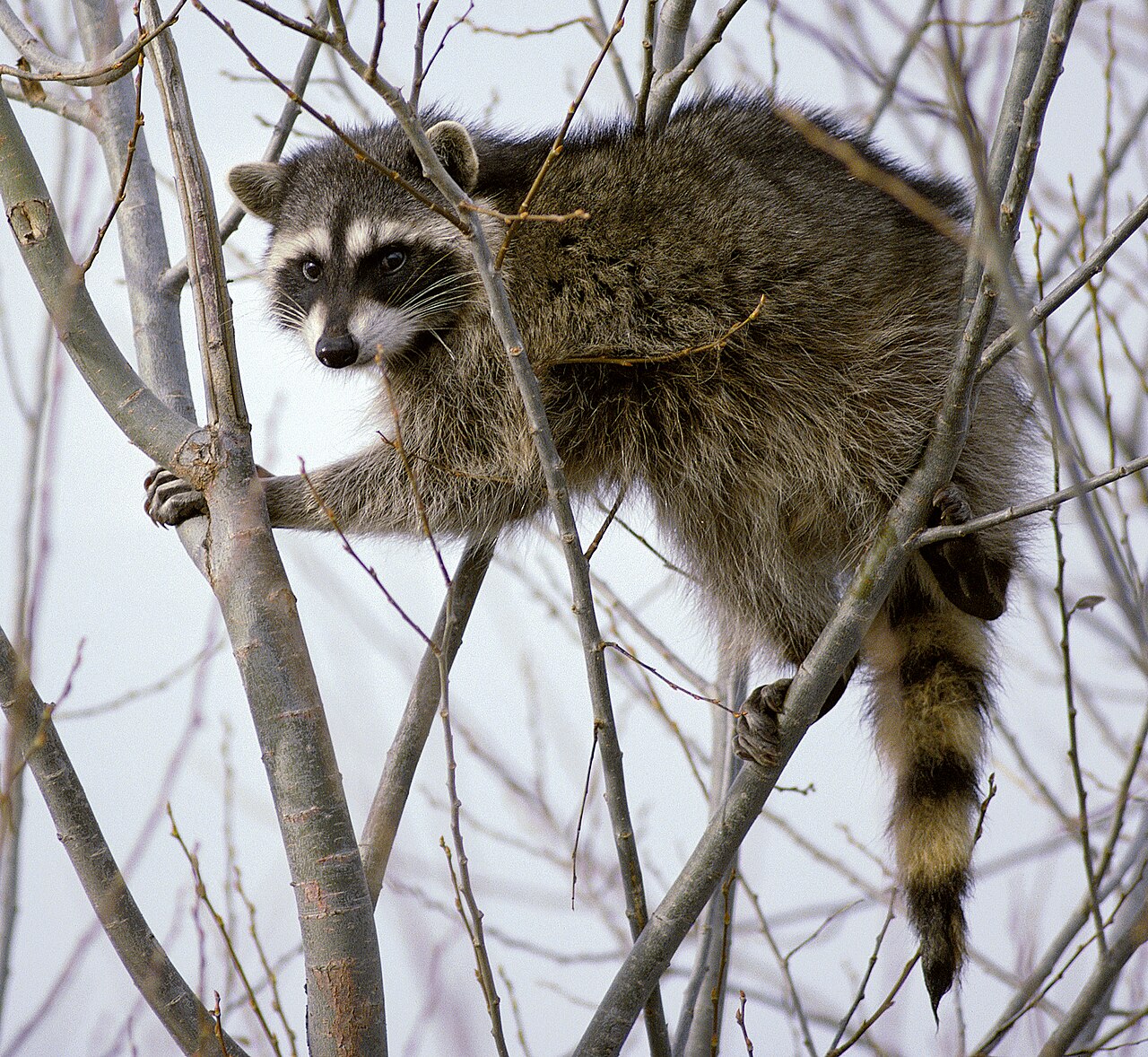
The immediate circle is small and specific: two worksite contacts in follow-up care, a neighbourhood that got door-to-door alerts, and pet owners across a suburb that borders the Santa Monica Mountains wildland edge, where raccoons, skunks, opossums and coyotes are routine night visitors. The wider circle is every LA County household with a dog or cat and a back door. The county’s guidance is unglamorous and complete: never touch, handle or feed wild animals, even ones that appear healthy; keep a safe distance and call local animal control about sick, injured or unusually behaving wildlife instead of approaching it; keep every pet’s rabies vaccination current, including indoor-only cats and older pets; do not leave pet food outdoors or feed free-roaming animals; keep trash in containers with tightly fitting lids; and close off crawl spaces and seal openings where animals can enter. Anyone bitten by a wild mammal — raccoon, skunk, opossum, coyote or any other — should seek medical advice immediately and report it to Public Health; a pet bitten by a wild mammal needs veterinary care immediately and a report to local animal control and Public Health. The city’s own message was narrower and calmer: while no residents have been exposed, the community should stay informed, aware and cautious around wildlife.
What happens next: a lab result, and a record year still running
Three things decide whether this stays a two-case October story or becomes a season. First, the variant test on the second raccoon: a bat-variant result supports the shared-local-exposure reading and keeps the focus on the county’s bat population; any other result would force officials to explain a second, separate introduction. Second, the bat count itself: 77 confirmed rabid bats is already a record with more than two months of the year left, and late-summer peak season may be passing, but officials stress rabid bats are found year-round, so the tally will keep moving. Third, the unglamorous follow-through — whether the door-to-door alerts and vaccination reminders convert into actual pet-vaccination appointments in Westlake Village and the surrounding Conejo Valley, because in rabies prevention the vaccinated dog or cat is not just protected itself; it is the firewall between a rabid wild animal in the garden and a child in the house. For now, the verified facts are these: two rabid raccoons, one neighbourhood, two people in precautionary care, no residents or pets exposed in the second case, no human illness reported, and a county health officer asking, in so many words, for distance. In a record year for rabid bats, distance is the cheapest public-health intervention there is.
Sources: Los Angeles County Department of Public Health statement, October 23, 2026, as reported by City News Service via MyNewsLA (“2nd Rabid Raccoon Found in Westlake Village,” published October 23, 2026, 19:42 UTC: second rabies-positive raccoon found in a Westlake Village backyard in the same general area as the first; animal sick and aggressive; two people at a worksite may have been exposed and are receiving follow-up care; Dr. Muntu Davis statement quoted in full; first raccoon carried a bat-typical variant, testing under way on the second; 1973 last rabid raccoon, skunk variant present then and not detected since 1979; last non-bat animal a bat-variant skunk in Long Beach in 2014; record-breaking 77 rabid bats confirmed so far this year, steady upward trend for more than a decade, peak season late summer; rabies almost always fatal once symptoms appear, PEP highly effective if timely; vaccination and reporting guidance); New York Post, October 23, 2026 (“Rabies scare returns to LA County as another animal tests positive”: second raccoon found Thursday in a Westlake Village backyard, less than three weeks after the first; sick and aggressive; no residents or pets exposed, two people at a nearby worksite receiving recommended PEP follow-up; door-to-door alerts per City of Westlake Village Instagram post Thursday; first raccoon bat variant confirmed, second pending; 77 rabid bats record; city statement that no residents were exposed); SoCal Reporters, updated October 23, 2026 (second case confirmed October 23 near the first location; two people may have been exposed; no exposed pets in the new case; first raccoon October 5, sick but not aggressive, four people in follow-up and a vaccinated dog quarantined and doing well; proximity and timing may point to a local wildlife exposure; county safety guidance); Los Angeles County Department of Animal Care and Control, October 15, 2026 (background on the first case: first confirmed rabid raccoon since 1973, vaccination emphasis). All exposure language is precautionary: the two worksite contacts “may have been exposed” per the county; no human rabies case has been reported. The second raccoon’s rabies variant is still being identified.