
The Saudi Yemen war restarted through a chain of miscalculations, not a single decision. Riyadh inherited fragmented Yemeni partners after the UAE withdrawal, Washington protected its own ceasefire with the Houthis rather than join Saudi strikes, and Houthi drones and missiles exploited an air-defense gap. By October, a war that many governments had treated as contained was again reaching Saudi cities.
Track it live: Middle East conflict tracker
The coalition split that opened the seam
The UAE had supplied more than aircraft and money. It coordinated local Yemeni forces, managed relationships on the ground and connected battlefield information to coalition decisions. When Abu Dhabi withdrew, Saudi Arabia inherited units and political actors without the same connective tissue. The weakness was organizational before it was technological.
That matters because air defense begins with intelligence: who controls territory, which launch areas are active and how quickly warnings move. Riyadh’s problem was not simply a shortage of interceptors. It was a coalition whose seams became visible at the moment the Houthis pressed forward.
Trump said no—twice
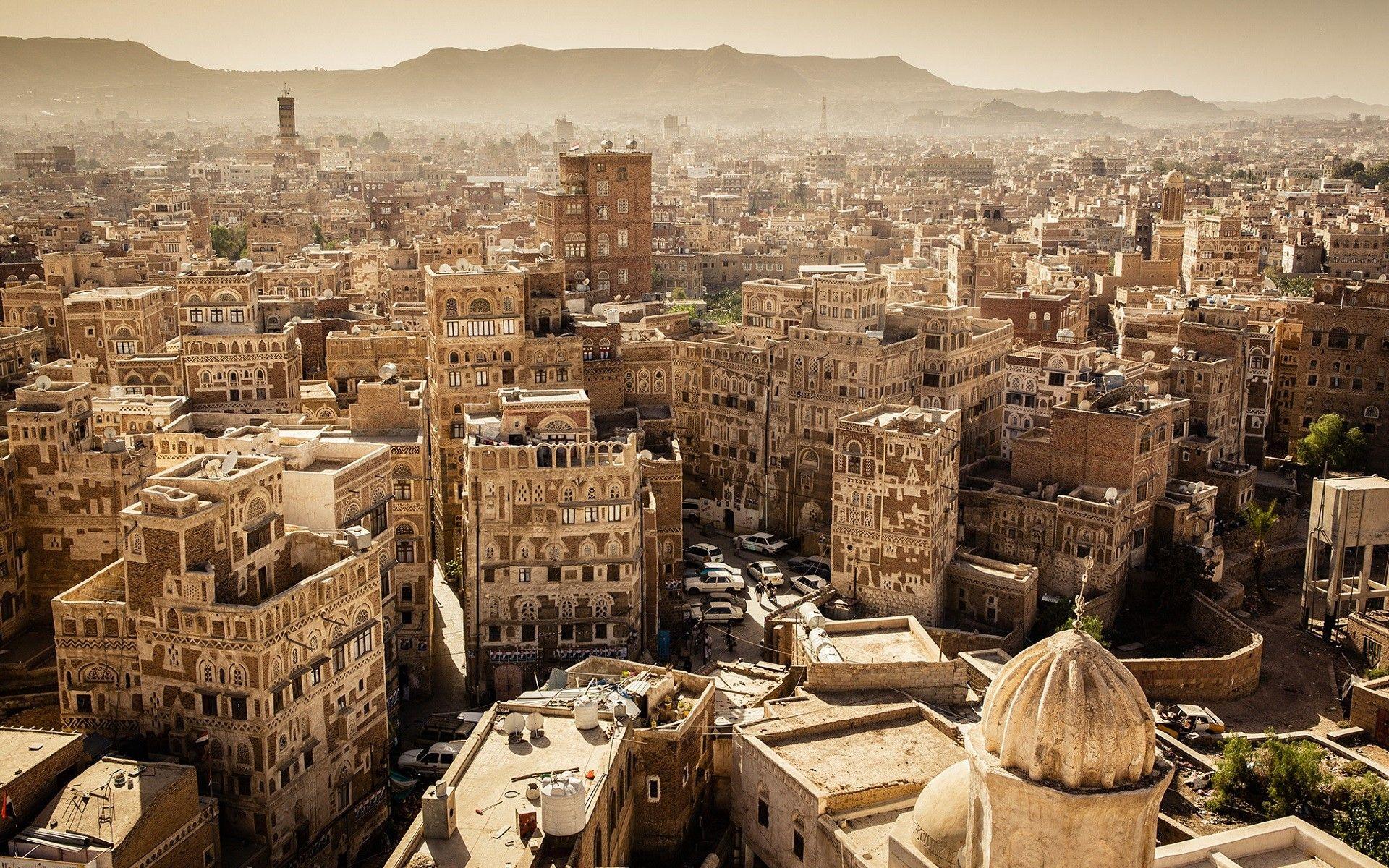
According to CNN’s analysis, Crown Prince Mohammed bin Salman asked President Trump twice in September for U.S. strikes on the Houthis. Trump declined. The United States instead met Houthi representatives in Oman to preserve its own ceasefire, while roughly 100 U.S. military advisers remained in Saudi Arabia to support intelligence and targeting.
Both sides have a rationale. Washington can argue that avoiding direct strikes reduces the chance of a wider U.S. war and protects an agreement that shields American forces and shipping. Riyadh can argue that an ally’s ceasefire offers little protection when Saudi territory is being attacked. The gap between those definitions of security is now public.
Why this matters
Gulf air attacks are back, a major U.S. ally has been denied the combat support it requested, and oil infrastructure and shipping lanes sit beside the battlefield. The conflict therefore tests more than Saudi-Houthi power. It tests whether security partnerships can hold when allies want different wars to end.
The latest Saudi position is categorical: no ceasefire until lost territory is recovered, and no acceptance of what Riyadh calls “military blackmail.” The Houthis, meanwhile, gain leverage from demonstrating reach into Saudi cities. Civilians on both sides bear the immediate risk while outside powers calculate costs.
The new coalition geometry
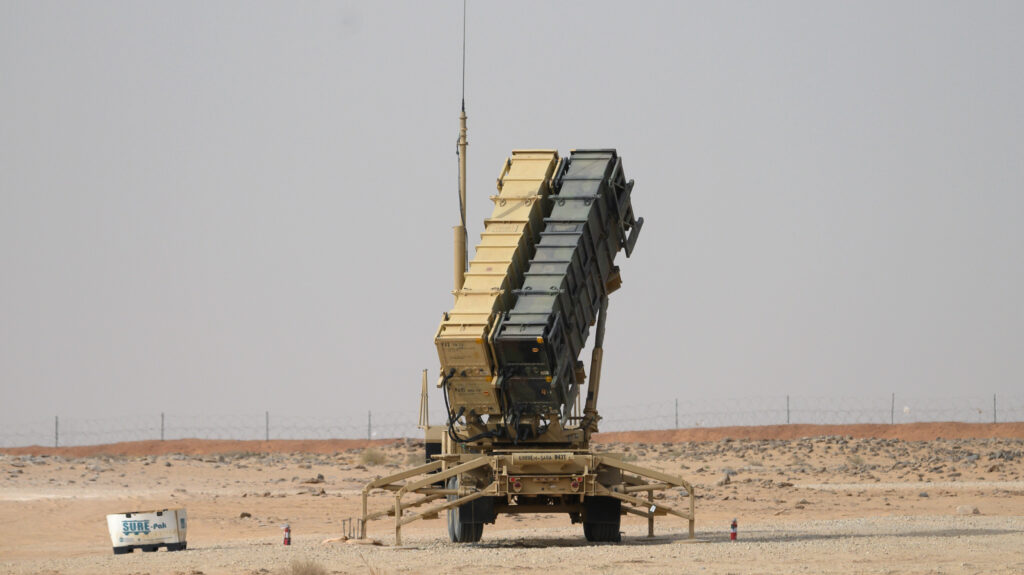
France is deploying defensive assets and personnel, while the United Kingdom is sending refueling aircraft, according to regional reporting summarized by the Institute for the Study of War. Pakistan and Turkey are taking what officials call “practical measures” under the Mecca Pact. The emerging arrangement is less a restoration of the old coalition than a new, layered defense network.
The Mecca Pact matters because it could turn episodic help into an institutional bloc. Yet every added partner also creates coordination requirements: rules of engagement, intelligence sharing, command authority and political limits. The original coalition’s fragmentation is a warning against treating a list of flags as a unified strategy.
The cost-exchange problem
About 100 U.S. advisers signal commitment short of combat. They can improve targeting and warning without placing American crews in strike missions. That boundary may be politically sustainable in Washington, but it does not answer how Saudi Arabia will defend cities over a long campaign.
Air defense is a numbers game as well as a military one. Cheap drones can force defenders to launch far more expensive interceptors, and attackers can vary routes and timing to exhaust attention. The solution is usually layered—electronic warfare, cheaper short-range systems, hardening and intelligence—not simply firing premium missiles at every object.
How this could end
One path is a negotiated settlement in which territory and security guarantees are traded for a halt in attacks. Another is a widening Saudi air campaign intended to reverse Houthi gains before talks. A third is the hardening of the Mecca Pact into a standing anti-Houthi defense bloc that contains attacks without resolving Yemen’s political war.
None is assured. The conflict’s history since 2015 shows that tactical superiority does not automatically produce a durable settlement. The more useful question is whether the parties can align their definitions of security before another miscalculation widens the war again.
The latest developments
For the immediate battlefield picture, read Signal Post News coverage of Saudi Arabia rejecting a ceasefire until territory is recovered and the confirmed airport strikes and casualties. This analysis explains the strategic path to those events rather than replacing the breaking reports.
Related coverage
Sources
- CNN — analysis of the coalition split, U.S. decision and Saudi defense gap
- Institute for the Study of War — allied defense deployments and Mecca Pact measures
- AFP via JFeed — Saudi ceasefire position
Reporting note: This article distinguishes confirmed facts, attributed reporting and forward-looking scenarios. Predictions and proposed transactions are not presented as completed events.
Signal Post News analysis is independent and does not take a political, financial or competitive side.