oil prices October 2026
LONDON—Oil prices in October 2026 are no longer being driven only by how many barrels can be produced tomorrow. They are being set by how few barrels remain available today. Speaking at the Energy Intelligence Forum on Monday, Aramco CEO Amin Nasser said the world's reserve cushion has become “scarily thin” after months of disrupted flows through the Strait of Hormuz and heavy draws from storage.
Nasser's central warning was about duration. The world entered the Iran-war crisis with roughly 10 billion barrels in various oil stocks, by his estimate. Gross supply losses since then have approached 3 billion barrels, more than 1 billion barrels have been drawn from inventories, and fewer than 6 billion barrels of commercial stocks now remain. Much of that total cannot simply be pumped into the market: Nasser said only about 10% is practically available because up to 90% is trapped in pipelines or required to keep tanks operating.
“Until Hormuz fully reopens and confidence returns, the crude reality is that pressure at both ends of the barrel will intensify,” Nasser said. His point was not merely that crude is tight. Refiners also face a shortage of the diesel-rich grades they need, leaving pressure on both raw-oil costs and finished-fuel prices.
Why this matters: a thin buffer turns trouble into a price shock
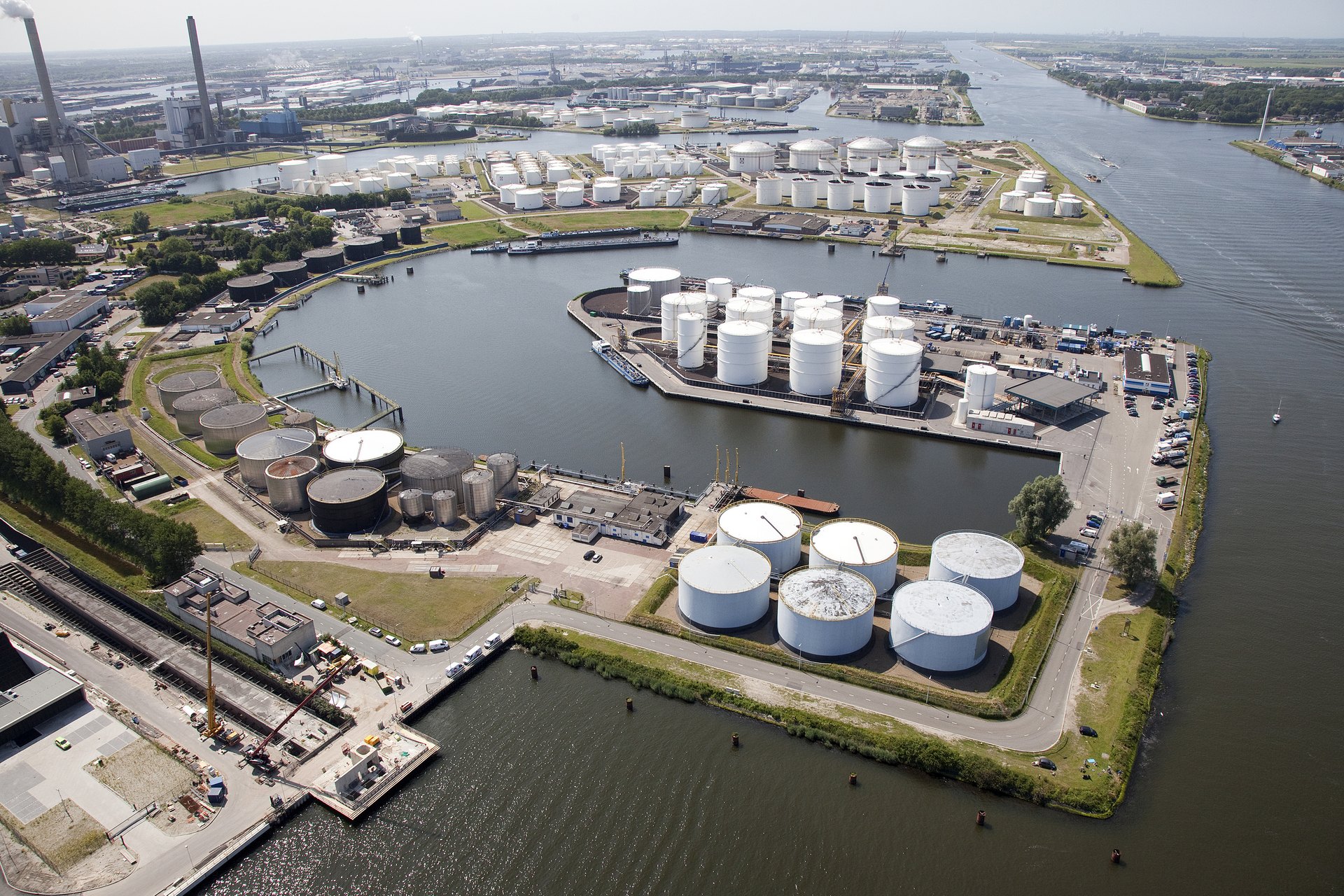
Inventories are the shock absorbers of the oil system. Producers cannot instantly raise output, tankers take weeks to change routes, and refineries are built for particular grades of crude. Stored barrels bridge those delays. When the buffer is full, a pipeline outage or tanker attack can be managed. When it is thin, buyers bid against one another for prompt cargoes and the price moves before the physical shortage reaches a filling station.
That is the danger behind the phrase “supply resilience cushion.” The market has already absorbed an extraordinary sequence of disruptions. A hurricane in the U.S. Gulf, a refinery fire, a new attack on a vessel or another closure on a major pipeline would now land on a system with less room to improvise. The immediate result would likely be a higher Brent crude price; the delayed result would be more expensive gasoline, diesel, jet fuel and petrochemical feedstocks.
Global oil inventories: the numbers behind Nasser's warning
From roughly 10 billion barrels to fewer than 6 billion commercial barrels
Nasser's figures need careful reading because “oil stocks” can combine different categories, while “commercial inventories” is narrower. His estimate is best understood as an operating map of the industry's buffer, not a single audited global balance sheet. The International Energy Agency put worldwide oil inventories at about 7.8 billion barrels in August, roughly half a billion below the prewar level. The difference is not necessarily a contradiction: definitions, dates and the treatment of oil in transit or minimum operating volumes can change the total.
The usable figure is the more alarming one. Ten percent of fewer than 6 billion barrels would mean less than 600 million barrels are readily available under Nasser's assumptions. At global consumption of just over 100 million barrels a day, that is measured in days—not months—of demand. It does not mean the world runs dry after six days; wells keep producing and ships keep moving. It means the discretionary layer available to cover a fresh disruption is remarkably small.
IEA emergency oil release versus the scale of the loss
The arithmetic explains why emergency releases can calm a market without repairing it. The G7's newly agreed release of up to 100 million barrels over four months equals roughly one day of global consumption. IEA members pledged 400 million barrels in March and have already released about 325 million—just over three days of demand. Against a gross supply loss approaching 3 billion barrels, those releases are bridges across part of the gap, not replacements for normal trade through Hormuz.
The 2022 strategic-reserve response offers a useful contrast. It helped flatten a price spike while shipping lanes remained broadly open and producers could adjust. The 2019 attack on Saudi Arabia's Abqaiq processing complex was abrupt, but repairs and official assurances arrived quickly enough to prevent a prolonged inventory drain. The oil supply crisis of 2026 combines a chokepoint problem, repeated vessel attacks and months of stock depletion. It is not only a production outage; it is an endurance test.
How the Strait of Hormuz oil squeeze became a global problem
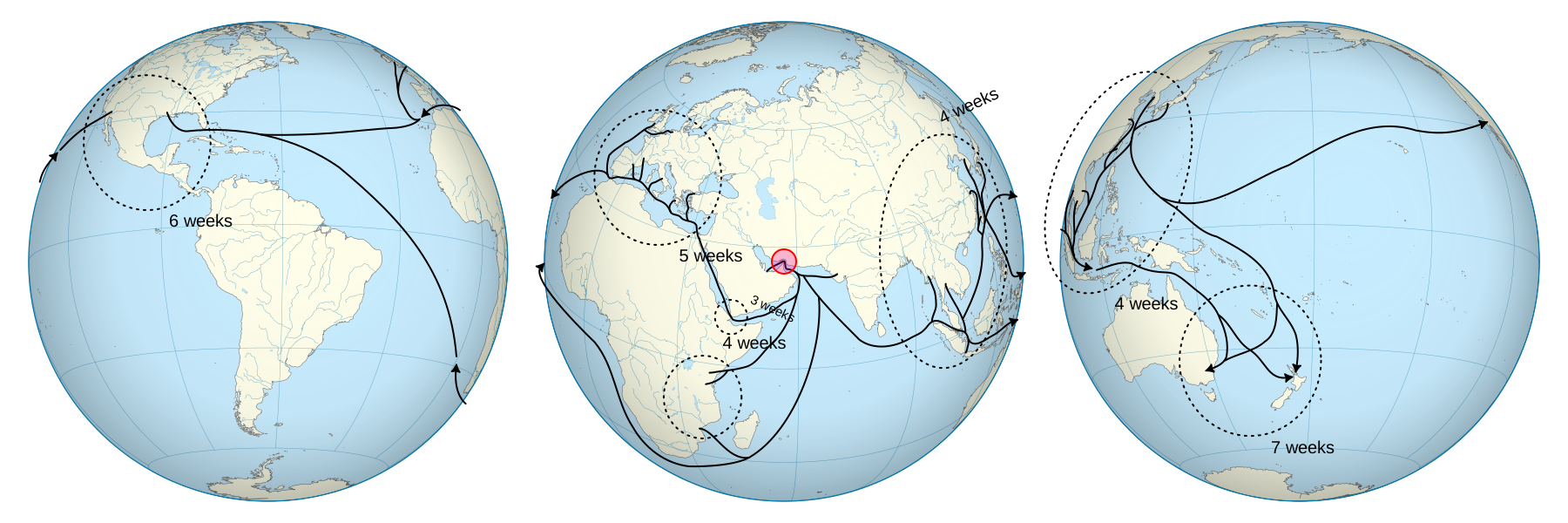
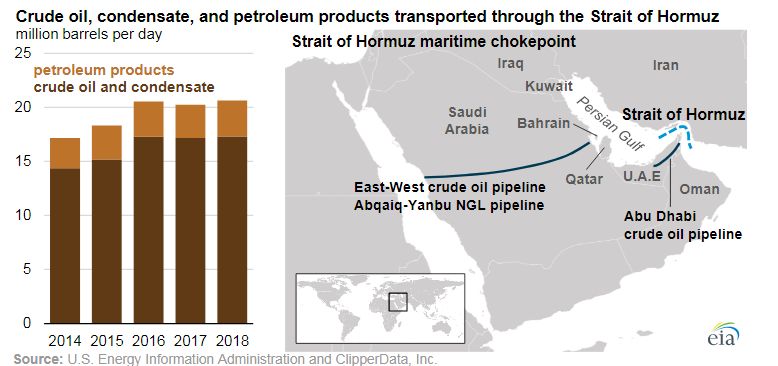
The Strait of Hormuz normally carries about one-fifth of the world's crude oil and liquefied natural gas. The passage has been obstructed since the U.S.-Israeli war on Iran began February 28. The Wall Street Journal reported seven attacks on vessels around the strait since September 28, reinforcing a second layer of disruption: even when a route is technically open, crews, insurers and shipowners must believe it is safe enough to use.
Gulf producers have rerouted cargoes where they can, often relying on their own tankers and assuming more security risk. But there is no full substitute for the strait. Export pipelines bypass only part of the volume, ports have limits, and rerouting can strand the wrong grades of crude on the wrong side of the bottleneck.
Saudi East-West pipeline is the pressure valve—not a second Hormuz
Saudi Arabia's 7-million-barrel-a-day East-West pipeline carries crude from eastern fields to the Red Sea. It has recovered to about 80% of capacity after an attack last month, giving Aramco a crucial alternative export route. Nasser said Brent might have reached $200 a barrel without it. That is a counterfactual offered by the seller at the center of the market, not an observable price—but it captures how heavily traders are valuing each bypass.
Aramco is studying “fourth and fifth” export routes, an admission that redundancy has become strategic infrastructure. A new route, however, cannot be improvised on the timescale of an emergency release. Pipelines require permits, land, pumping stations, storage and secure terminals. The world can release inventory this winter; it cannot build a new geography by spring.
For related context, see Signal Post News's reporting on the Aramco Riyadh refinery fire and Saudi security risk.
Who wins and who loses from oil prices in October 2026
Consumers face the most visible bill in gas prices 2026
Brent traded around $102 a barrel Monday, below its late-April peak near $126 but still high enough to keep pressure on household budgets. West Texas Intermediate was around $91. In the United States, regular gasoline averaged $4.37 a gallon—about 33% higher than a year earlier, according to AAA. In Britain, pump prices reached a record £2 a litre.
Those averages hide a broader burden. Higher diesel prices in 2026 feed into food distribution, construction, farm equipment and delivery fleets. Jet fuel raises airline costs. Petrochemical inputs touch plastics, packaging and manufactured goods. A household sees the number on the pump; businesses see the same shock scattered through invoices and freight contracts.
Refiners can gain on margins—and lose on missing crude
Refiners with access to the right crude and enough capacity can benefit when shortages widen the gap between crude costs and the price of diesel or gasoline. But a high margin on paper is worthless if the plant cannot secure feedstock or if a facility was built around sulfur-heavy Middle Eastern grades that are hard to replace. The crisis rewards logistics as much as refining skill.
Governments are therefore targeting products, not only crude. The G7 emergency oil reserves plan includes diesel and other petroleum stocks over four months. That reflects the real bottleneck: crude availability matters, but so do refinery configuration and the location of finished fuel.
Importers diversify; Aramco gains pricing power
Asian and Western buyers are rewriting supply portfolios. Saudi crude's share of South Korea's import mix has slipped below 30%, while the U.S. share has risen above 20%. Diversification reduces dependence on one route, but it can also lengthen voyages, raise freight costs and intensify competition for Atlantic Basin barrels.
Aramco is a clear commercial beneficiary of a tight market. It runs the world's largest oil exporter, and scarcity strengthens its pricing power. That interest must sit beside Nasser's authority: his figures are among the industry's most informed estimates because Aramco sees production, shipping and customer demand at enormous scale, but the warning also supports the case for sustained investment and higher prices from which Aramco profits. Readers should take the operational evidence seriously without treating the seller as a neutral referee.
What happens next in the oil supply crisis 2026
Scenario one: Hormuz fully reopens, but the refill bill begins
A durable reopening would remove the largest risk premium. Tanker traffic could normalize, insurance costs could retreat and Brent might ease. Yet reopening does not recreate the barrels already burned. Nasser estimates that rebuilding strategic stockpiles alone could add about 2 million barrels a day to demand for 18 months. That refill bid would compete with ordinary consumption and could keep the market tighter than a ceasefire headline suggests.
This is why his two-year estimate matters. Prices may fall before inventories recover, but a lower spot price is not the same as restored resilience. If governments rush to refill together, they could lift prices against themselves. If they wait, the system enters another season with too little protection.
Scenario two: renewed attacks keep a war premium in every barrel
If vessel attacks continue or confidence in the strait deteriorates, emergency stocks will be asked to do more than smooth a transition. Winter demand in the Northern Hemisphere would collide with constrained diesel supply. The G7's 100-million-barrel release could slow the climb, but its four-month schedule is deliberately gradual; a sudden shipping halt would move faster.
Nasser put it bluntly: “Emergency reserves might buy us a winter. They cannot fix long-term supply.” The line is also a policy argument from a producer, but the math supports its first half. A finite stock release buys time. It cannot permanently replace a trade route that normally carries a fifth of global crude and LNG.
Trump's diesel-export threat adds a policy shock
President Trump considered banning U.S. diesel exports before pressuring allies into the G7 release. An export restriction could lower prices for some American buyers in the short run, but it would redirect the shortage to import-dependent markets and disrupt refinery economics. The threat itself can make traders hoard supply, because contracts become harder to price when policy may change the route overnight.
The related Trump diesel-export threat and stockpile-release analysis explains why a measure aimed at domestic relief can lift the global risk premium. Energy security is not a closed national ledger: one country's protected gallon is often another country's missing cargo.
What to watch now
Four indicators will show whether the warning is easing or becoming self-fulfilling. First is the number of ships actually transiting Hormuz, not merely official declarations that it is open. Second is the spread between prompt and later oil contracts, which reveals how urgently buyers want barrels now. Third is refinery margin pressure in diesel-heavy markets. Fourth is the pace at which governments release—and eventually repurchase—emergency stocks.
Also watch the Saudi East-West pipeline's return from 80% toward full capacity and any concrete plan for Aramco's additional export routes. Infrastructure announcements matter only when they become flowing capacity. On the demand side, the proposed 2-million-barrel-a-day stock rebuild could become the market's next major buyer long after the war premium fades.
The unsettling conclusion is that a reopened chokepoint would be the start of repair, not the end of the crisis. Oil prices in October 2026 reflect a market that has spent its insurance. The next shock will be judged not against how much oil exists underground, but against how little is available above it.
Sources
- The Wall Street Journal — Aramco CEO says oil inventories could take two years to rebuild
- The Wall Street Journal live coverage — replenishing stockpiles will boost oil demand
- Bloomberg via Moneyweb — global oil supply buffer running “scarily thin”
- The Times — Saudi Aramco's warning on crude and the Strait of Hormuz
- OilPrice — Aramco CEO warns oil inventories are “scarily thin”
Reporting note: Market prices, inventory totals and operational estimates are snapshots reported on October 5, 2026. Inventory definitions differ by source; Nasser's figures are presented as an informed industry estimate, not an independently audited global balance sheet.