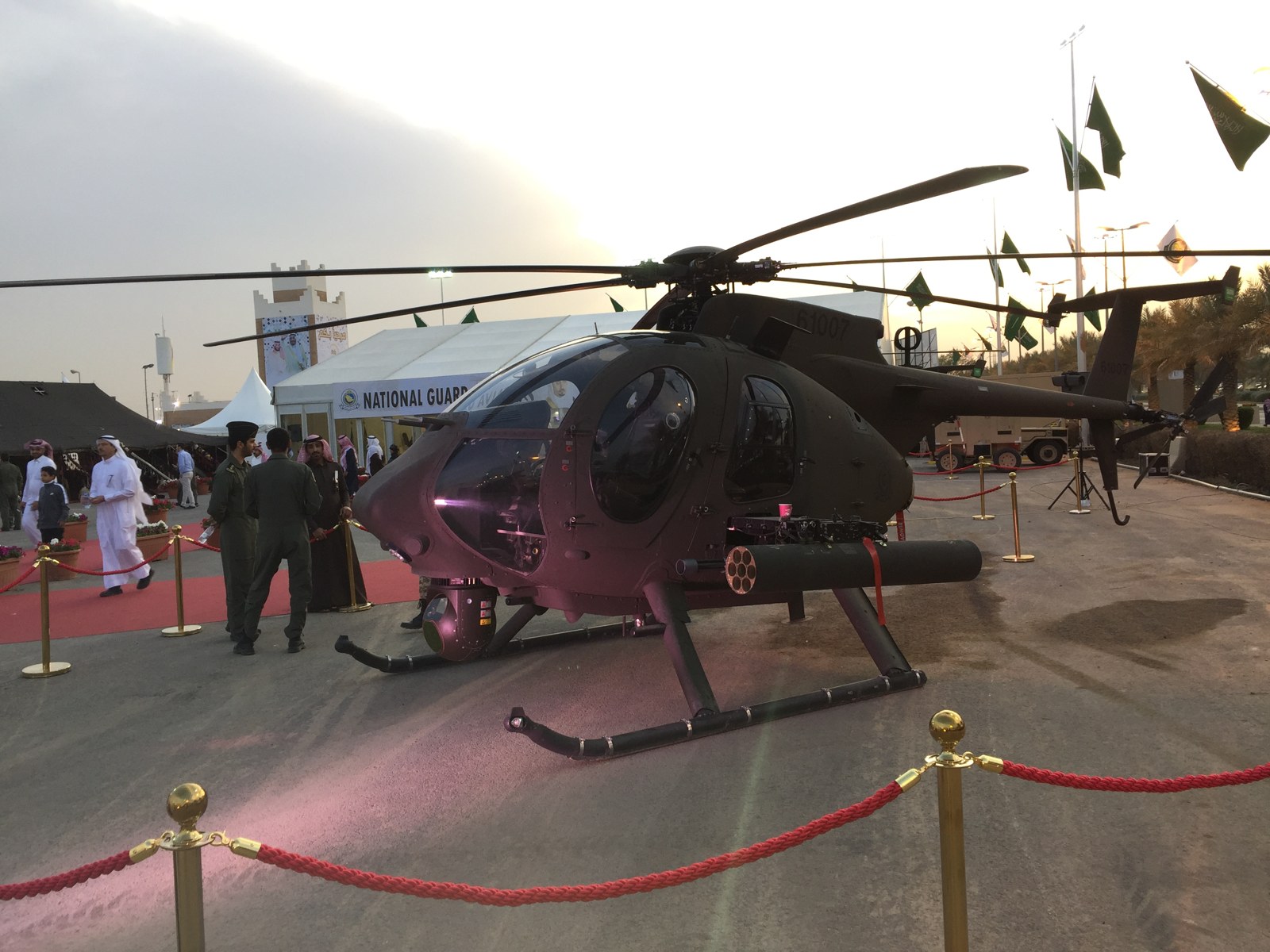
Saudi helicopter crash in Najran: a Saudi Arabian National Guard AH-6i reconnaissance helicopter crashed in Saudi Arabia's southwestern Najran region on Sunday because of a technical malfunction, killing both officers on board, the Saudi-led coalition fighting Yemen's Houthis announced. Coalition spokesman Major General Turki al-Maliki said the aircraft was destroyed in Saudi territory in an area under the jurisdiction of the Ministry of National Guard. AFP reported the deaths were the coalition's first military fatalities since hostilities with the Houthis restarted in July. The announcement landed in the middle of a public dispute: a day earlier, Houthi military spokesman Yahya Saree had claimed his group shot down a Saudi Apache helicopter near Najran — a claim al-Maliki publicly mocked on Sunday, without either side's account of the two separate helicopter episodes being independently verified.
Yemen war / The coalition's first military deaths since July came in a crash it calls an accident — the Houthis tell a different story about a different helicopter
Track it live: follow the Yemen and Saudi fronts on the Signal Post News Middle East Tracker and armed conflicts worldwide on the Live Global Wars Tracker.
NAJRAN, Saudi Arabia — A reconnaissance AH-6i helicopter crashed in the Najran region of Saudi Arabia due to a technical malfunction, killing its two crew members, the Saudi-led coalition's spokesman Major General Turki al-Maliki said in a statement on Sunday, Reuters reported. The helicopter crashed in an area under the jurisdiction of the Saudi National Guard Ministry, the statement added. AFP, citing the official Saudi Press Agency, said the two dead were officers of the National Guard and described the crash as the coalition's first military fatality since hostilities restarted in July. "An AH-6i reconnaissance helicopter belonging to the national guard crashed and was destroyed in Saudi territory in the Najran area as a result of a technical malfunction, resulting in the death of its crew of two officers," al-Maliki said, according to SPA.
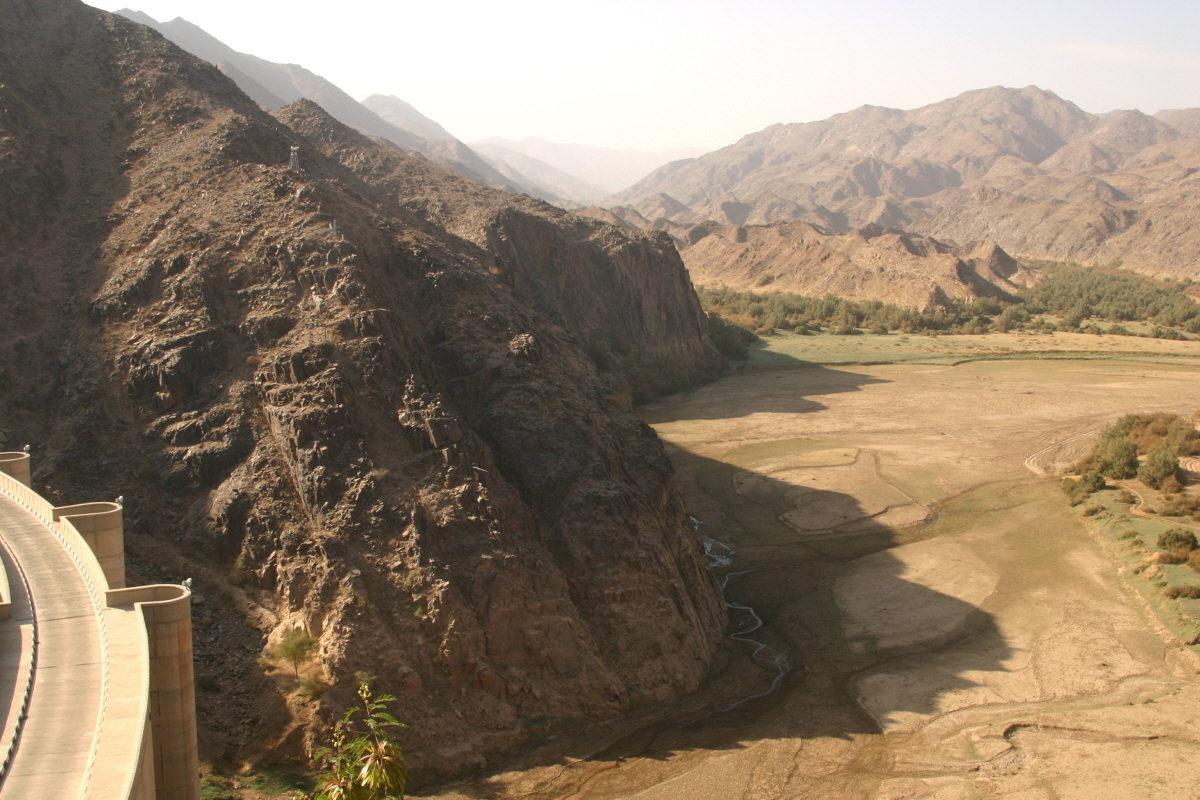
The coalition did not name the two officers, give the time of the crash, or specify what malfunction it believes brought the aircraft down, and no investigation findings were released with the announcement. What the statement did establish — the aircraft type, the operator, the region, the cause as Riyadh sees it, and the deaths — is the full extent of what has been officially confirmed. Najran, in Saudi Arabia's southwest hard against the Yemeni border, has been subject to attacks by the Iran-aligned Houthis in recent weeks as fighting between the coalition and the Yemen-based group escalated, Reuters noted, with the Yemen conflict becoming another front in the wider regional war centred on Iran.
A crash, a claimed shootdown, and two different helicopters
The announcement did not arrive in a vacuum. On Saturday, Houthi military spokesman Yahya Saree said in a post on X that the group had shot down a Saudi Apache helicopter near Najran while it was carrying out what he described as hostile activities targeting Houthi positions along the border. The Apache is a heavy attack helicopter — a different aircraft, flown by different Saudi services, from the light AH-6i reconnaissance helicopter whose loss the coalition announced on Sunday. Al-Maliki commented on Saree's post on Sunday with a photo of several Apaches lined up, saying: "You claim to have shot it down, but it will enter the battlefield soon."
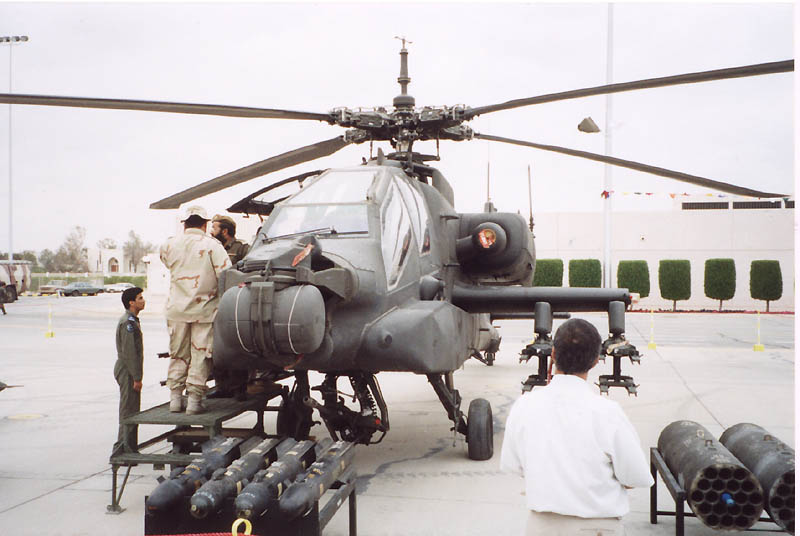
Read together, the two statements do not actually contradict each other on the central fact. The coalition has not said the Houthis shot anything down; it has attributed its own loss to a malfunction. The Houthis have not claimed the AH-6i; their claim concerns an Apache, and they have published no wreckage evidence that independent observers have verified. And the coalition has not addressed whether any Apache was damaged — al-Maliki's reply was a dismissal, not a technical rebuttal. Readers are left with three distinct propositions, each resting on a single interested source: a Saudi AH-6i crashed for technical reasons (the coalition, via SPA, reported by Reuters and AFP); a Saudi Apache was shot down on Saturday (the Houthis, via their spokesman); and the Apache claim is false (the coalition spokesman, by implication and photograph). Only the first is corroborated by the normal machinery of official announcement carried by two international agencies. The honest summary is that a helicopter is confirmed lost and two officers are confirmed dead; everything about enemy action around Najran this weekend remains claim and counter-claim.
The announcement landed in a weekend of incoming fire
The crash statement was one item in a crowded coalition feed. On Sunday, the coalition said it intercepted and destroyed two drones in the Eastern Province and the Riyadh region, according to Qatar News Agency reporting of al-Maliki's announcement. Separately, Anadolu Agency reported that the coalition intercepted and destroyed two ballistic missiles launched toward Khamis Mushait, the southwestern garrison city that hosts a major Saudi air base, early on Sunday; shortly before that announcement, Saudi Civil Defense had issued "potential danger" alerts through the national early-warning system in Riyadh and in the southwestern cities of Abha and Khamis Mushait, and later said the danger had passed. On Saturday, al-Maliki had said coalition forces intercepted and destroyed four drones over several hours in the Riyadh region, the Eastern Province and the south, and the coalition released footage it said showed strikes destroying two ballistic-missile launchers in Saada, northern Yemen, after they had been used to fire missiles toward Saudi Arabia.
That tempo is the context in which two officers died in a helicopter the coalition says simply broke. Since Yemen's conflict flared back to life in July after a years-long hiatus, Saudi Arabia has faced sustained Houthi missile and drone attacks targeting its oil installations, tankers and transit hubs, including an attack on Riyadh's airport last week that killed 13 people, as we reported in our coverage of the Houthi missile wave across Asir and Najran. Egypt, a coalition member whose role has mostly concerned Red Sea maritime security, moved this weekend from words to the edge of commitment: President Abdel Fattah al-Sisi said Egypt was willing to "carry out any measure to protect" Saudi Arabia if its leaders requested it — the offer we covered in our report on Egypt's parliament and the Saudi defence pledge. Riyadh has so far declined to open a ceasefire track with the Houthis, as our earlier report on Saudi Arabia ruling out a Houthi ceasefire detailed.
Why this matters
First, the arithmetic of attrition has changed sides for a day. For three months, the restarted Yemen war's announced death tolls have been overwhelmingly civilian and overwhelmingly on the receiving end of strikes — airport passengers in Riyadh, people near Aden's presidential palace, communities under bombardment in Yemen itself. A coalition announcing its own uniformed dead, and describing them as its first military fatalities since July, is a reminder that the air war over the border is not cost-free for the side flying it, even when the cause given is mechanical rather than hostile. Low, slow reconnaissance flying along a contested border is among the most exposed work in any air campaign; the AH-6i exists precisely to scout at altitudes where everything from small arms to shoulder-fired missiles can reach it, which is why the distinction between "malfunction" and "shot down" matters militarily even when both sides agree an aircraft was lost.
Second, the episode is a clean case study in how this war is now narrated. The Houthis claimed a prestigious kill — an Apache is a symbol, not just an airframe — on social media on Saturday. The coalition answered on the same platform, in the same register, with a photograph and a joke at the claim's expense, and then issued its own loss announcement through the state news agency in the driest possible language. Neither side published evidence a neutral observer could test. That pattern — claim, counter-claim, official minimalism — has repeated across the Hormuz tanker fires, the Riyadh airport strikes and the Aden attacks this month, and it places the burden on readers and reporters to separate the corroborated core from the theatre around it. Here, the corroborated core is the crash and the two deaths. The theatre is everything else.
Third, there is the question of what "first military fatalities since July" implies about the months before it. If AFP's characterisation is right, the coalition fought the first three months of this renewed war — through the airport attack that killed 13, through repeated missile and drone waves, through its own retaliatory strike campaigns over Sanaa and Saada — without announcing a single soldier killed. That is plausible for a standoff air-and-missile war fought mostly by machines against cities, and it is also exactly the kind of record that one announced accident can end without any enemy success at all. Wars of interception are wars of tempo and machinery; machinery, flown hard at low altitude in desert heat along a mountainous border, fails. The two officers named only as a crew of two are, on the coalition's own account, casualties of that tempo as much as of any opponent.
The aircraft at the centre of it
The AH-6i is the export version of Boeing's AH-6 light attack and reconnaissance helicopter, a descendant of the Vietnam-era OH-6 Cayuse and the special-operations MH-6 "Little Bird." It is a small, single-engine aircraft crewed by one or two, about 9.94 metres long, powered by a Rolls-Royce 250-C30 turboshaft, with a maximum speed of about 282 km/h and a range of roughly 430 km; it can carry rocket pods, miniguns and Hellfire missiles, and its sensor ball gives it the surveillance role the coalition statement described. Saudi Arabia was the type's first export customer, requesting 36 aircraft through a U.S. Foreign Military Sale in October 2010, and the National Guard — the service that operates the type and the service whose ministry's jurisdiction the crashed helicopter was under — took it into service as its light scout and attack platform. It is, by design, the helicopter a force sends to look closely at a border. That is the mission set in which this one was lost.
What happens next
Three things will test the accounts now on record. The first is the investigation Riyadh has not yet announced: a technical-malfunction finding, when it comes, will either be published with enough detail to close the question or left at the level of Sunday's single sentence, in which case the Houthi version will keep circulating unanswered in the places where it matters to the Houthis' own audience. The second is wreckage: if imagery of either a downed Apache or the crashed AH-6i emerges from Najran and can be geolocated, the claim-and-counter-claim structure of this weekend collapses into a fact. None had been verified by Sunday. The third is tempo. A weekend that combined ballistic missiles at Khamis Mushait, drones over the capital and the Eastern Province, civil-defence alerts in three cities, strikes on launchers in Saada and now the coalition's first announced military dead is not a war winding down; it is a war settling into a rhythm in which Sunday's announcement reads less like an anomaly than like an early entry in a ledger that had, until now, been kept blank. The names of the two officers, when their families are told and Riyadh chooses to release them, will be the next fact. Everything else, for now, is claim.
Sources: Reuters, October 18, 2026 — Saudi-led coalition says helicopter crash in Najran kills two crew members; AFP via Pakistan TV live blog, October 18, 2026 — Saudi-led coalition says two pilots killed in helicopter crash near Yemen border; Anadolu Agency, October 18, 2026 — Saudi-led coalition intercepts two Houthi missiles headed for Khamis Mushait; Qatar News Agency via Fana News, October 18, 2026 — Coalition: two drones intercepted and destroyed in Eastern Province, Riyadh region; Reuters via The News International, October 18, 2026 — Saudi Arabia intercepts drones as Egypt weighs help against Houthi attacks.