Russian helicopter enters Polish airspace
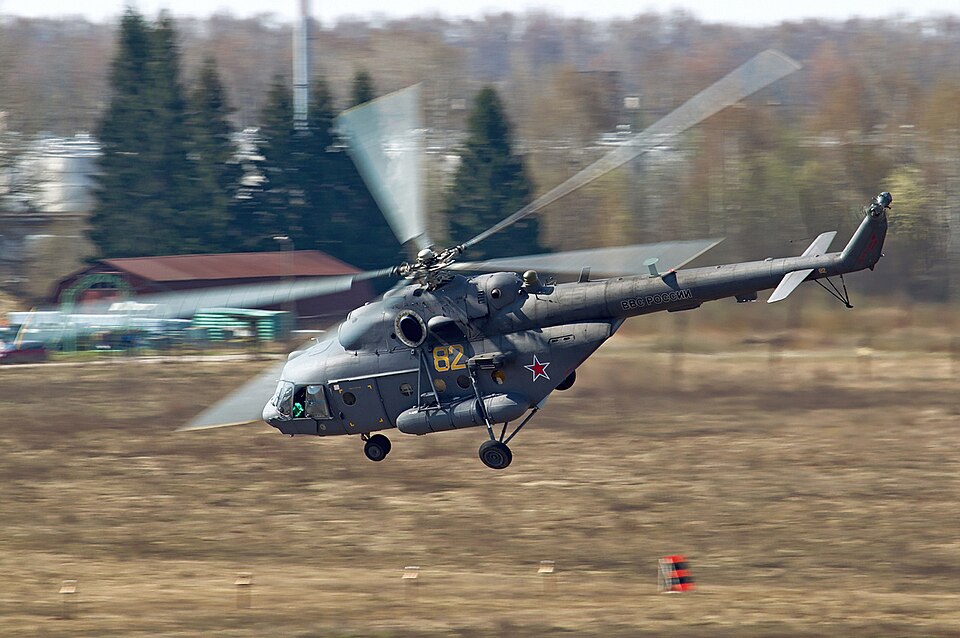
A Russian military Mi-8 helicopter crossed into the airspace of NATO member Poland on Wednesday morning, Sept. 23, prompting Polish fighter aircraft to scramble and ground-based air defenses to go on standby. The Polish Army Operational Command announced the incursion in a statement on X, saying radar detected the aircraft at 11:08 a.m. north of the town of Braniewo, in Poland's Warmian-Masurian Voivodeship, just across the border from Russia's Kaliningrad exclave.
The helicopter remained inside Polish airspace for 42 seconds and penetrated to a maximum depth of about 300 metres — roughly 328 yards — before withdrawing. The Russian embassy in Warsaw did not immediately reply to a Reuters request for comment. Poland is on heightened alert for any airspace incursion connected with Russia's war in Ukraine.
“The nature of the incident indicates that Russia is once again testing the readiness of our air defense,” the Polish command said.
Why This Matters
Forty-two seconds. Three hundred metres. On paper, this looks like nothing — a blip, a navigation wobble at the edge of a map. It is not nothing. What makes this incursion different from the drones that have been the story all month is the person in the cockpit. A drone that drifts over a border can be blamed on wind, on jamming, on a malfunctioning guidance system. A crewed military helicopter does not cross an international boundary by accident — its pilot made a deliberate heading, at altitude, over a border every Russian aviator in Kaliningrad knows by heart.
That is why Warsaw's wording matters. “Once again testing the readiness of our air defense” is not diplomatic filler; it is an intelligence judgment about Russian behavior. Moscow is probing: how fast do the radars pick up a low, slow contact hugging the border? How many minutes before Polish interceptors are wheels-up? Which ground-based batteries light up their radars — and therefore reveal their positions? Every second of those 42 seconds bought Russian planners data. This is reconnaissance by provocation, and it fits the pattern of hybrid pressure Russia has applied to NATO's eastern flank for years.
There is a second, darker reading worth weighing honestly: that Moscow is measuring NATO's threshold. Drones over Poland, drones over Romania, a drone shot down over Lithuania — and now a manned helicopter. Each incident is individually deniable, individually minor. Together they form a ladder of escalation designed to find out exactly where the line is before crossing it. The danger of such probing is not that any one incident starts a war; it is that the probe itself becomes normalized until the day one is misread, misjudged, or met with live fire.
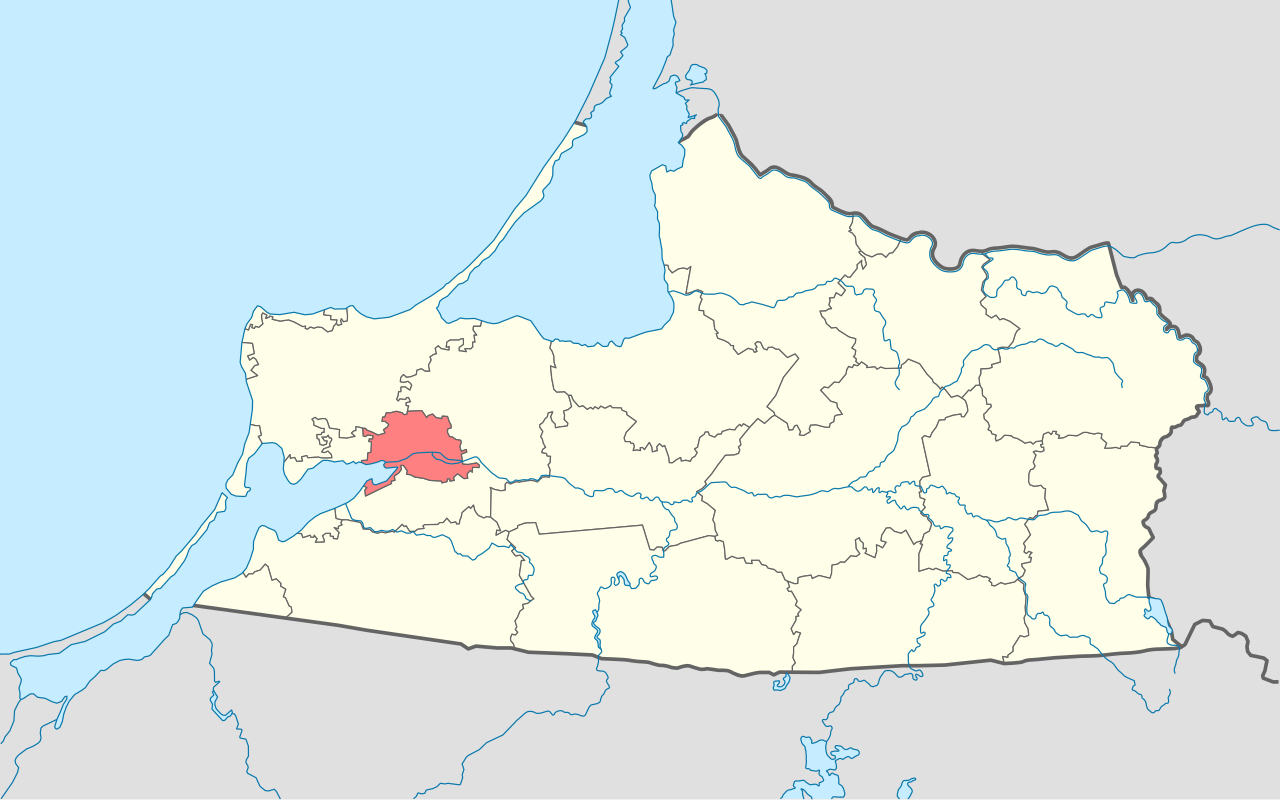
The September Pattern: Romania, Lithuania, Now Poland
The Mi-8 incursion does not stand alone. September has delivered a concentrated burst of Russian aerial violations of non-combatant airspace:
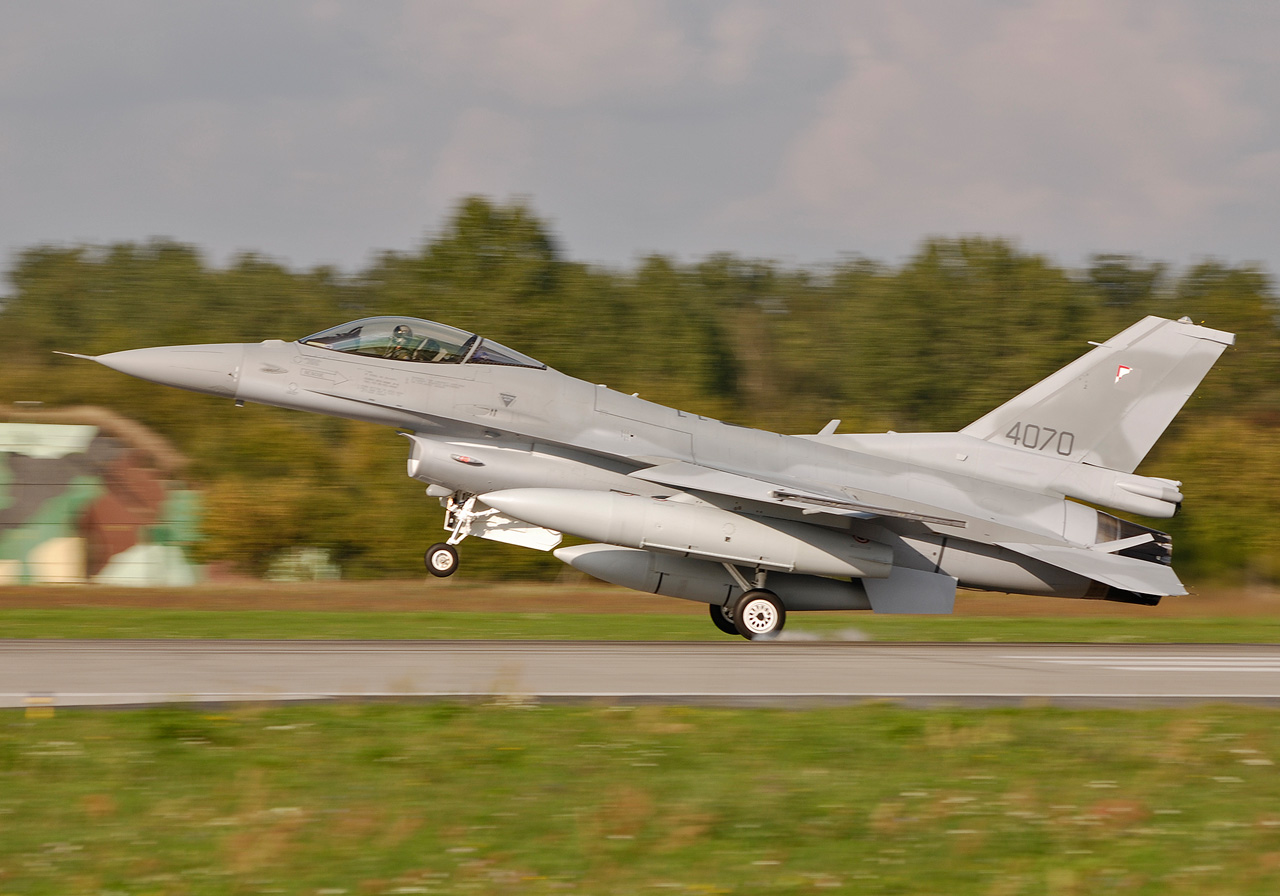
- Sept. 12 — Romania: A Russian drone crossed the airspace of Moldova, reappeared near the border, and crashed in a cornfield near Botoșanița Mare in Suceava County, northeastern Romania. Two Romanian F-16s scrambled from the 86th Air Base at Borcea to track the intruder, and authorities issued a shelter alert for Botoșani County.
- Sept. 15 — Lithuania: An unidentified drone entered Lithuanian airspace from Belarus and was shot down by an Italian Typhoon operating from Šiauliai, falling over the village of Pratkūnai in the Kaišiadorys district between Vilnius and Kaunas. President Gitanas Nausėda later confirmed the drone was a Russian Gerbera-2 type, likely aimed at Ukraine.
- Sept. 23 — Poland, earlier in the day: Russia launched a massive aerial barrage at Ukraine — 161 drones, 82 of them fast jet-powered types, plus Banderol cruise missiles — and NATO jets were scrambled over Poland and Romania in response.
Seen in sequence, the trajectory is unmistakable: first the drones that can be written off as stray, then a confirmed Russian type shot down over Lithuania, and now a crewed helicopter over Poland. The excuses are getting thinner as the incidents get bolder. Each one also forces a NATO member to scramble expensive interceptors and light up its air-defense network — a cost in readiness, fuel, airframe hours, and revealed radar signatures that Russia pays nothing for.
Who Wins, Who Loses, and What the Critics Say
Moscow wins the data. Forty-two seconds inside Polish airspace is, from a planner's perspective, a successful intelligence run: response times clocked, radar coverage confirmed, interceptor basing observed. If the Kremlin's aim is to demonstrate it can touch NATO territory at will — while maintaining deniability — this incident did exactly that.
Warsaw's vigilance is vindicated — and tested. Poland has kept its air defenses on heightened alert precisely for this. The Operational Command's fast public announcement and the scrambled interceptors show a system working as designed. But each scramble also exhausts pilots, ground crews, and equipment, and there is no cost-free way to maintain peak readiness indefinitely.
NATO's eastern flank pays the attention tax. Romania, Lithuania, and Poland have now all had to respond to Russian airspace violations within a single month. The alliance's eastern members increasingly see themselves as the shield taking the probes — and they are the loudest voices arguing for a harder collective response.
What the critics and skeptics say — and a balanced account must include this: 42 seconds and 300 metres is a thin incursion, and navigation errors do happen near borders, especially for helicopters flying low. Russia's silence (the Warsaw embassy's no-comment) is consistent with both guilt and with a policy of refusing to dignify what it may consider a non-event. The honest assessment is that the physical facts alone cannot prove intent; the Polish military's judgment — “testing the readiness of our air defense” — rests on classified radar and flight-profile data we cannot independently verify. But the pattern of the month gives Warsaw's interpretation the benefit of the doubt.
The Numbers in Context
Put the figures side by side and the pattern sharpens:
- 42 seconds inside Polish airspace — compared with the minutes-long loitering of the drones tracked over Romania and the Baltics this month. Short, but a manned crossing needs no loitering to collect its data.
- 300 metres of penetration — shallow enough to deny, deep enough to force a scramble. It is the minimal viable provocation.
- 11:08 a.m. — broad daylight, mid-morning, maximum visibility to Polish radar and to the political world. This was meant to be seen.
- Three NATO members violated in 12 days (Romania Sept. 12, Lithuania Sept. 15, Poland Sept. 23) — a tempo that turns isolated incidents into a campaign.
- Same day as a 161-drone barrage — the helicopter flew while Russian drones hammered Ukraine and NATO jets scrambled over Poland and Romania. One theater, two provocations, one message.
History offers the relevant comparison: NATO's eastern members have lived with Russian airspace probing for a decade, from the Baltic intercepts to the 2025 drone incursions that triggered alliance consultations. What is new in September 2026 is the tempo and the escalation from unmanned to manned.
What Happens Next
The most likely near-term response is diplomatic and procedural rather than kinetic. Poland's options, in ascending order of seriousness: a formal démarche to Moscow; a public briefing of NATO allies with the radar evidence; a request for allied consultations — the same tool Poland has reached for after past incursions; and, in parallel, reinforced air-defense posture along the Kaliningrad frontier, quite possibly with visible allied participation to signal that the flank is watched.
Moscow's calculus will be shaped by the reaction. If the response is a stern statement and nothing more, expect more probes — the 42-second template works and costs Russia nothing. If NATO visibly thickens its air posture and the story dominates the news cycle, the Kremlin may pause and let the lesson sit. The variable nobody controls is miscalculation: a probe met by a pilot who misreads intent, a radar operator with a twitchy finger, a helicopter that strays 300 metres too far on the wrong day. That is how probing games end badly — not by design, but by accident. The Mi-8 turned back after 42 seconds this time. The question now is what Russia learns from the fact that it could.
Elsewhere in the war, diplomats are testing Ukraine's Black Sea maritime truce proposal, a separate effort that does not remove the immediate border risk.
Sources
Reporting and source material: Reuters, “Russian military helicopter entered Polish airspace briefly, Polish army says” (September 23, 2026), reporting by Anna Wlodarczak-Semczuk and Pawel Florkiewicz; Polish Army Operational Command statement on X, as quoted by Reuters; and Wikipedia's chronology of non-combatant airspace violations during the Russo-Ukrainian war. Signal Post News could not independently review the command's classified radar or flight-profile data.