Kharkiv attack October 2026
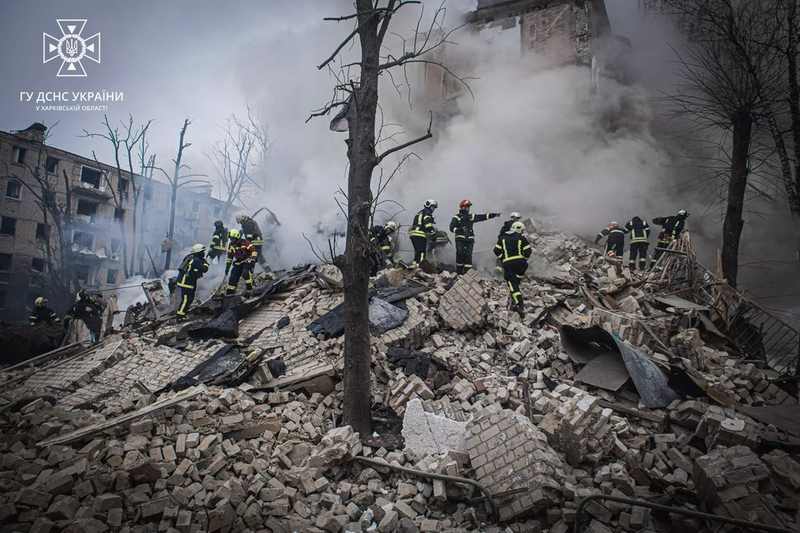
The Kharkiv attack October 2026 toll rose after Russian bombs struck residential areas of the city on Monday, October 5, killing five people and injuring 53 others, according to regional and city officials. Kharkiv, Ukraine's second-largest city, lies just 30 kilometers from the Russian border. Governor Oleh Syniehubov said on Telegram that three bombs hit different areas of the city. Thirty of the wounded are being treated in hospital, three in serious condition, and three of the injured are children.
What happened in Kharkiv
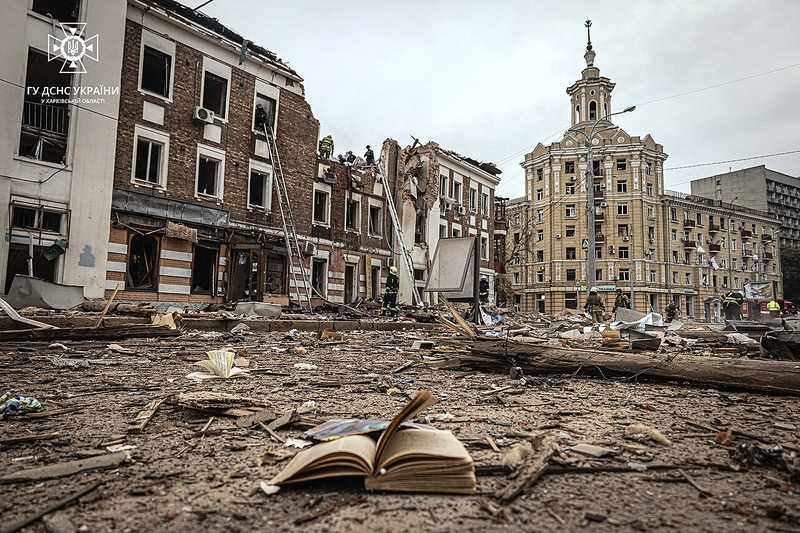
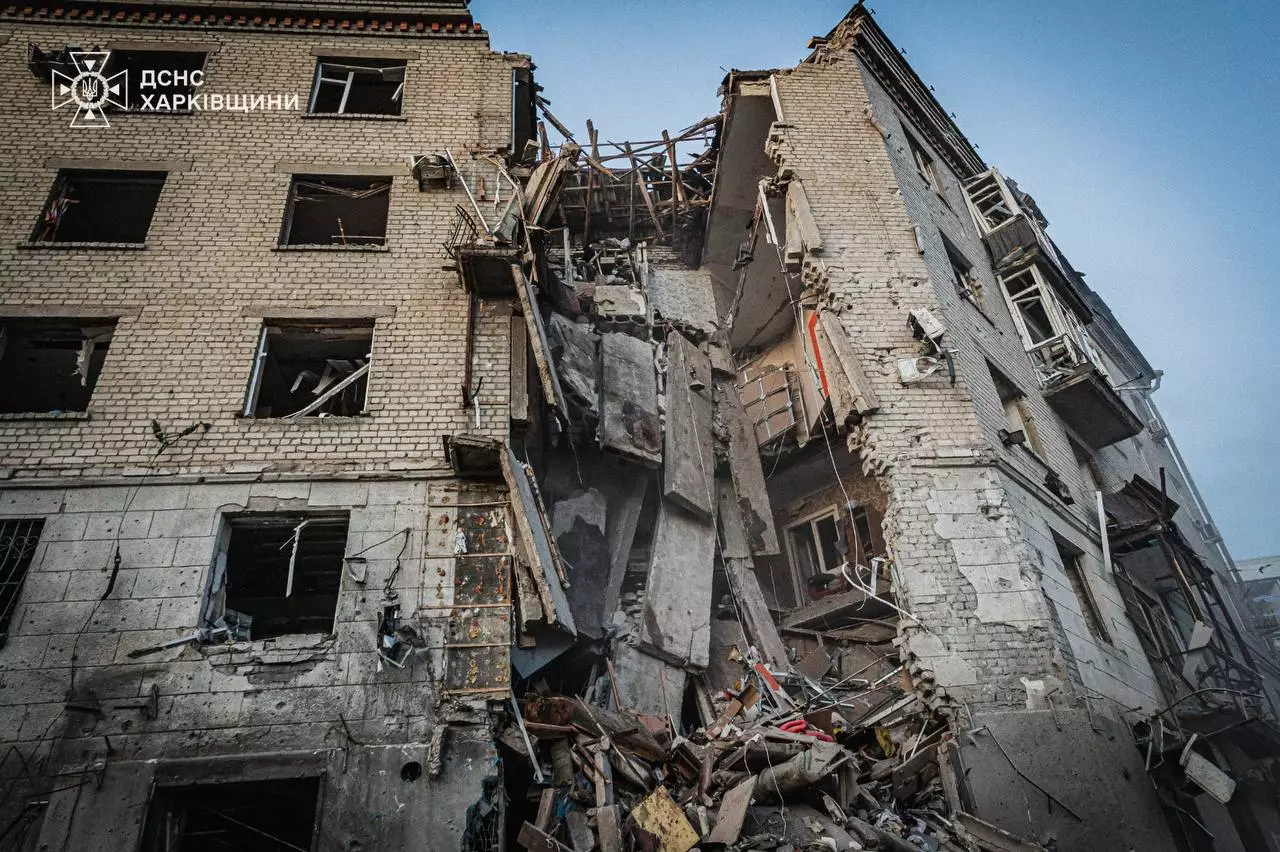
Mayor Ihor Terekhov said emergency crews recovered two bodies from rubble. The blasts tore into residential buildings, stripping facades and balconies and smashing apartments inside. Rescue workers guided stunned residents around piles of masonry while air-raid sirens sounded. Warehouses were also damaged.
The intimate details explain why a Kharkiv bombing cannot be reduced to a line on a military map. Resident Viktoriia Nahornyak told Reuters Television: “We saw two wounded neighbours covered in blood. My daughter went outside, and our cat ran away.” She added: “I only grabbed my documents and went outside in the clothes I'm wearing right now.” Reuters reported that one resident was found dead in his bed and that another body lay on the ground beneath a blanket.
Early reports carried lower injury figures. This report uses the latest figures provided by named regional and city officials: five people killed and 53 injured. Those numbers remain subject to update as rescue and hospital work continues. No victim name or death count is being reported here without attribution to Governor Syniehubov or Mayor Terekhov.
Why this matters
Kharkiv's geography makes it a city under permanent pressure. At roughly 30 kilometers from Russia, warning times are short and the menu of weapons is broad. The repeated use of bombs against apartment districts functions as more than a sequence of isolated strikes: it steadily raises the price of ordinary civilian life — sleeping at home, sending children to school, keeping a warehouse open or repairing a balcony before winter.
The pressure extends beyond Kharkiv. Multiple reports said Kyiv's Northern Bridge was hit again over the weekend, the second strike during German Chancellor Friedrich Merz's visit. Attacks on apartments, bridges, ports and factories do not all have the same target or legal character, but they can produce the same strategic effect: making transport, work and daily routines less reliable, and forcing Ukraine to spend scarce air-defense, repair and budget resources at the same time.
The second front is economic. Reuters reported Monday that Kryvyi Rih, President Volodymyr Zelenskyy's hometown, is struggling to survive after attacks darkened its steel plant and mines. ArcelorMittal announced an impairment of roughly $1 billion after four strikes on its Kryvyi Rih plant in five weeks; the most recent killed five employees. The mayor called the challenge “about survival.” Summer's escalation in drone and missile strikes has also damaged ports and railways and slowed tax revenue, leaving Ukraine with its biggest budget crisis since Russia's 2022 invasion as a technology-intensive war grows costlier to fight.
October 5 marks the 1,685th day of Russia's full-scale invasion, according to the Ukrainian General Staff as relayed by EMPR. The General Staff recorded 177 combat engagements over the previous day. The figures underline the scale of the battlefield even as the day's most visible losses came from homes far behind it.
The numbers in context
Fifty-three injured makes this one of Kharkiv's heaviest single-day civilian casualty totals this month. Just days earlier, attacks across Kharkiv Oblast on October 2 and 3 killed five and wounded more than 40, according to the regional governor. Monday's strike matched that death toll in the city alone.
Kharkiv has absorbed sustained attacks since February 2022. Signal Post News previously covered a September guided-bomb strike on a Saltivka apartment block that injured 22, early-October overnight attacks on Kharkiv and Sumy, and the wider campaign against Odesa ports and Kharkiv. The sequence matters because reconstruction is repeatedly interrupted: damaged homes must be made habitable while the next alarm is already possible.
Multiple angles: who gains, who loses, what critics say
Who gains
Washington is pressing for a technical-level trilateral meeting with Ukraine and Russia by the end of October, which Kyiv says it is ready to attend. Germany, meanwhile, pledged €1 billion in immediate military aid during Chancellor Merz's visit to Kyiv. Against that diplomatic backdrop, strikes on cities can be read in two ways. One reading is that the attacks are leverage-building before negotiations: demonstrate reach, impose costs and shape the bargaining position. The other is that their continuation shows talks are detached from battlefield behavior and may change little. Both interpretations are plausible; neither is proved by Monday's strike alone.
Who loses
Civilians bear the first loss: deaths, injuries, displacement and the cumulative exhaustion of rebuilding. Ukraine's economy bears the second, from steel output to grain exports delayed after strikes on Black Sea ports. Russia may gain pressure on Ukraine's capacity to endure, but it also absorbs diplomatic costs from civilian casualties and strengthens Kyiv's case for tighter sanctions and more air-defense support.
What critics say
Strikes that damage residential buildings draw condemnation under international humanitarian law, which requires parties to distinguish military objectives from civilians and civilian objects and to take feasible precautions. The facts reported here come from named Ukrainian officials and international correspondents. Russia's official account of this particular strike was not immediately available in the verified sources. That gap should be acknowledged, not filled with inference.
What happens next
Winter is approaching. The Institute for the Study of War has assessed that Russia began its annual campaign against Ukrainian energy infrastructure earlier than in previous years, likely seeking to exploit gaps in air defense. For Kharkiv and other cities, the result could be months in which attacks on homes overlap with pressure on heat, electricity, transport and municipal budgets.
Three scenarios now deserve attention. First, technical talks by the end of October could produce a ceasefire framework; if they do, the current strikes may be remembered as pre-negotiation pressure. Second, talks could stall while the air campaign deepens through winter, making Ukraine's budget and air-defense stocks the binding constraints. Third, escalation could accelerate if energy grids fail and repair cycles cannot keep up. In that case, the European Union's response on emergency energy aid, financing and sanctions will be as important as statements issued after each attack.
Sources
- Reuters, “Russian attack kills five in Ukraine's Kharkiv, shatters residences,” October 5, 2026.
- Dawn News English, “Russian Strike on Kharkiv Kills 5, Injures 29,” October 5, 2026. The video reflects an earlier injury count; this article uses the later official figure of 53.
Reporting note: Casualty figures, quotations and damage descriptions are attributed to the officials and reporting above. Analysis of strategic, economic and negotiation consequences is Signal Post News analysis.