Ronaldo Jorge Jesus statement
Sports / Football / Portugal
Ronaldo Jorge Jesus statement is now the defining document of Portugal's uneasy post-World Cup transition. Cristiano Ronaldo apologized on Tuesday for walking out of the national-team camp in Copenhagen on September 30, accepted that the Portuguese Football Federation should punish him without mitigation and then accused coach Jorge Jesus of breaking his word twice. Jesus denies that any agreement existed.
The statement, published as 11 Instagram pages and counted at 1,966 words by The Times, is both an admission and a prosecution brief. Ronaldo says he wronged supporters, teammates and the country. He also argues that a planned workload agreement was abandoned in Oslo and that a later agreement about how Jesus would publicly explain the episode was abandoned too. He says he left camp rather than wait for a third breach.
That combination makes the dispute harder, not easier, to resolve. Ronaldo is not asking to be excused; he is accepting discipline while challenging the manager's account and judgment. Jesus, meanwhile, is asserting the basic authority of any national coach to select and use players without consultation. Portugal must now defend both standards: captains cannot leave camp, and coaches cannot be managed by their most famous players.
What the statement says
The apology
Ronaldo begins at the point that is least ambiguous. Leaving the squad before the October 1 Nations League match against Denmark was wrong. He apologizes to the Portuguese people, to supporters who traveled expecting to see him and to the teammates whose preparation was overshadowed. He says any FPF sanction should come with “no mitigating factors” and acknowledges that being captain makes the misconduct more serious, not less.
That is an unusually direct acceptance of institutional authority from a player whose stature can bend institutions around him. Yet the apology is carefully bounded. Ronaldo accepts responsibility for the act of leaving; he does not withdraw his complaint about what led to it. In effect, he separates conduct from cause: the exit was indefensible, he says, even if the breakdown in trust was real.
The broken promises, in Ronaldo's telling
Ronaldo says the first promise came from a workload plan devised for the opening post-World Cup window. According to his version, Jesus had persuaded him to remain available for Portugal and proposed that he play the first and last home matches while skipping the away trips to Norway and Denmark. Ronaldo says he accepted that plan as sensible management for a 41-year-old still carrying a large club workload.
The arrangement appeared to change on September 27 in Oslo. Ronaldo says an assistant told him to prepare for roughly 30 minutes against Norway. He warmed up from halftime but never entered Portugal's 2-1 victory. It was his first entire 90 minutes as an unused substitute in an official Portugal match since Euro 2008. For Ronaldo, the issue was not merely being benched. It was being asked to prepare for a role that, he says, contradicted the plan Jesus had offered. “The coach had broken his word to me,” he wrote.
The meeting, the document, and the press conference that detonated it
About 48 hours later, Ronaldo says he met Jesus with Simão Coutinho, who had been present for their August conversations. His account says the three agreed Jesus would begin his next press conference by clarifying three points: Ronaldo had not demanded minutes; the workload plan originated with the coach; and warming the captain without using him had been a mistake. An eight-point document was prepared, validated by Ronaldo and delivered to Jesus.
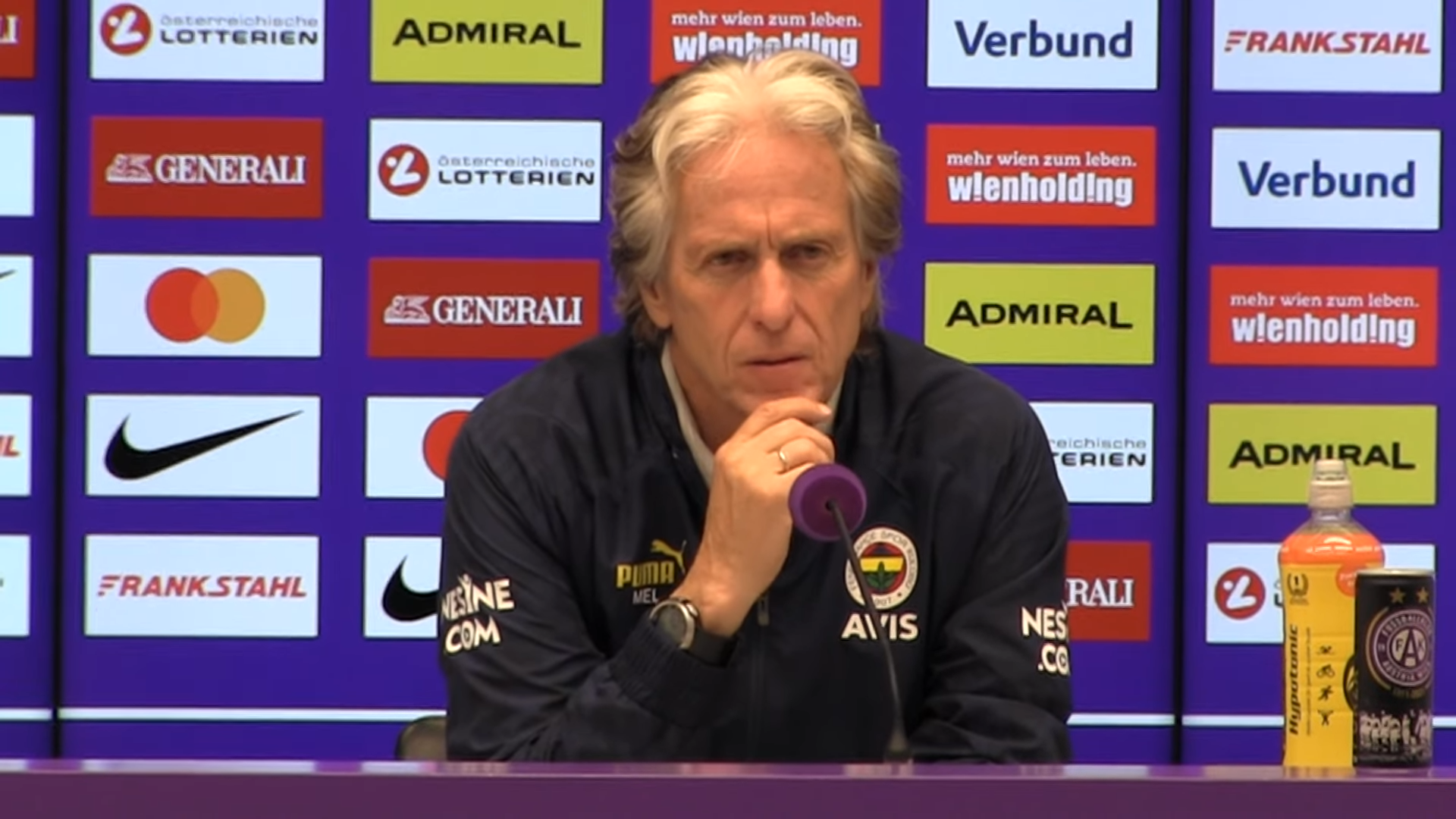
Ronaldo says the subsequent press conference bore no resemblance to that private discussion. Jesus publicly asked, “Apologise for what? And what would be the motive?” and insisted that he alone decides whom to select, without consulting others. Reuters reported Jesus denied making an agreement, while leaving open the possibility of Ronaldo returning. The central factual conflict remains unresolved: Ronaldo describes two commitments; Jesus says there was no pact to break.
Why this matters
This is a contest between formal authority and accumulated authority. Jesus owns the team sheet. Ronaldo, after more than two decades as Portugal's central figure, has a relationship with the public, sponsors and federation that no ordinary player possesses. The coach cannot lead credibly if a captain can negotiate his usage and walk out when unhappy. But the captain cannot be expected to treat trust as irrelevant if a workload agreement helped persuade him to extend his international career.
The FPF is caught in the middle. Discipline that looks symbolic would weaken Jesus. Discipline that looks vindictive could turn an institutional dispute into a public campaign around the country's most celebrated player. President Pedro Proença has already praised Ronaldo as the greatest player in history and said his place is deserved on sporting level. Because Proença also mediated, he is not merely commenting from the stands; he is part of the repair effort.
The 18-year gap since Ronaldo last spent an official match unused matters symbolically. It marks the moment when an extraordinary career meets the ordinary logic of succession. Portugal's post-World Cup problem is not whether Ronaldo still has value. It is whether that value can fit inside a team whose future cannot be organized around guarantees.
How we got here
Roberto Martinez departed after the 2026 World Cup, and Jesus took over with Ronaldo's endorsement. The relationship was not new: the pair had worked together at Al Nassr. That history should have provided familiarity, but it also created expectations. Ronaldo says the workload plan followed conversations in which Jesus urged him to continue internationally.
The opening result gave the new era a clean start. Ronaldo played 65 minutes in a 1-0 win over Wales on September 24. Three days later, Portugal beat Norway 2-1 with him unused. Then came the disputed meeting and press conference. On September 30 he left the Copenhagen camp, one day before Portugal beat Denmark 4-2.
Jesus's “apologise for what” response sharpened the disagreement because it rejected the premise that the coach had something to correct. Proença's intervention and public support for Ronaldo offered a bridge, while supporters' billboard messages pressed the emotional case for reconciliation. None of that settles who accurately remembers the private conversations. It does show the dispute had moved far beyond a substitution decision.
Who benefits and who loses
Ronaldo benefits from making the fullest version of his case public. The apology protects his standing with supporters, while the chronology reframes the walkout as the final act in a trust dispute rather than a tantrum over minutes. The risk is equally clear: by publishing a detailed challenge to the coach, he may confirm the fear that Portugal's biggest star remains bigger than the chain of command.
Jesus benefits if the federation backs his right to select freely. A new manager cannot begin by granting any player a contractual claim on minutes. His blunt public language may appeal to those who believe Portugal must complete its generational transition. But if Ronaldo's account of the meeting or document is substantiated, authority without credibility becomes brittle. Command depends on players believing private commitments mean something.
Proença and the FPF face the institutional bind. A fair sanction can demonstrate that the rules apply to the captain. A structured reconciliation can demonstrate that Portugal does not discard a productive player to prove a point. The dressing room has the most immediate interest in clarity: teammates need to know that roles may change, grievances will be handled inside camp and no individual conflict will dominate preparation.
Fans and sponsors may prefer a settlement because Ronaldo remains Portugal's largest global draw. Others may see continued special handling as a cost to a team that has just won without him. Both reactions are rational. The evidence available publicly cannot decide whether Jesus promised precisely what Ronaldo describes, so the strongest conclusions should remain conditional.
What the numbers actually imply
Ronaldo is 41; Jesus is 72. The conflict is not youthful impatience against an inexperienced coach. It involves two figures accustomed to shaping elite teams and controlling their own narratives. The statement's scale — roughly 2,000 words across 11 pages — shows this was not an impulsive post. It was built to establish a record.
Portugal's competitive record is the most difficult number for Ronaldo's case: three wins from three under Jesus, including 2-1 in Norway and 4-2 in Denmark without him, with quarter-final qualification already secured. Those results strengthen the coach's freedom to change roles. They do not prove Ronaldo is no longer useful, nor do they resolve whether promises were made.
The unused-substitute milestone reaches back to Euro 2008, an 18-year span. That measures Ronaldo's exceptional durability, but also explains why one ordinary coaching decision carried extraordinary weight. The next date, November 14 against Denmark, turns every institutional choice into a public signal: suspension, selection, captaincy and minutes will all be read as verdicts.
What happens next
First comes discipline. The FPF must decide whether the walkout triggers a one-match suspension, a longer absence or another sanction. Ronaldo has invited punishment, but that does not remove the need for a transparent, proportionate process. The federation should separate the rules breach from the disputed private conversations.
Second comes the November squad. Jesus can exclude Ronaldo, recall him under revised terms or delay the decision while mediation continues. Any return needs a clear operating agreement: selection is the coach's decision; workload conversations are documented; disputes are handled before they become press-conference contests.
Third comes the longer horizon. Ronaldo says he is not retiring and will remain available if he is fit, playing for his club and scoring after any suspension. He also promises “one or more farewell matches.” That leaves open two tracks: continued competitive selection on merit, and an eventual ceremonial exit. Mixing them would be a mistake. A farewell is an honor; a Nations League place is a football decision.
Portugal has already qualified for the quarter-finals, reducing immediate competitive pressure. That gives the federation time to repair trust before November 14. It also removes excuses. A rushed compromise is unnecessary; a vague compromise would simply postpone the next collision.
The bottom line
Ronaldo's statement does two things at once: it makes the strongest apology available to him and the strongest case against Jesus he can make without announcing retirement. Jesus's answer rests on an equally fundamental principle — the manager selects the team.
Portugal does not need to choose between worshipping its greatest player and humiliating him. It needs rules that survive fame, promises that survive pressure and a football decision separated from the politics around it. Ronaldo has said he will accept punishment and return. Jesus has left the door open. Whether either man can walk through it without demanding surrender from the other is now the real test.
Sources
- Reuters — Ronaldo accuses Jesus of broken promises and says a return remains possible
- USA Today — Ronaldo's apology and account of the Portugal dispute
- The Times — The 1,966-word statement and Portugal fallout
- Associated Press via Fox Sports — Ronaldo says he remains available for Portugal
- talkSPORT — Statement timeline and Ronaldo's account
- LiveScore — Jorge Jesus's press-conference remarks