World / India — Rahul Gandhi acquitted in defamation case proceedings that have followed him for eight years is not, on its face, a dramatic headline: a magistrate in Sultanpur, Uttar Pradesh, ruled on Monday that a campaign remark from 2018 was not defamatory, and the leader of India’s opposition walked out to drums and crackers. Read it in context, though, and the verdict does real work. It lands while Gandhi is leading a united opposition campaign accusing Prime Minister Narendra Modi’s government and the Election Commission of manipulating voter lists — the same kind of frontal attack on the ruling party’s integrity that put him in that courtroom in the first place. A court has now said, in effect, that the attack itself was lawful speech.
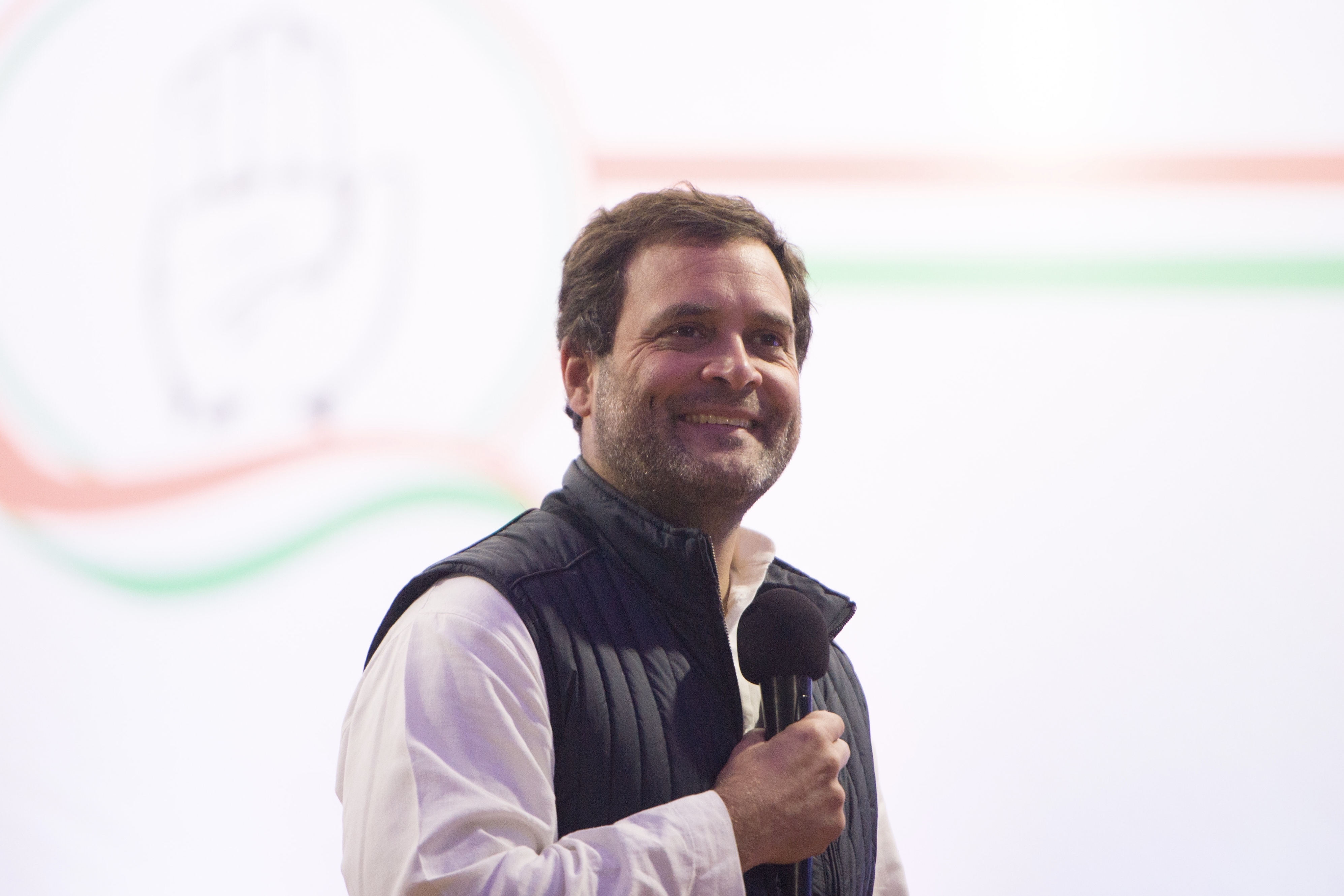
SULTANPUR, India — A court in Sultanpur, Uttar Pradesh, on Monday acquitted Rahul Gandhi, the leader of India’s main opposition Congress party, in a criminal defamation case over his 2018 remarks calling Amit Shah a “murder accused,” with the court holding that the remarks were not defamatory in nature, Reuters reported, confirmed in court reporting by Bar and Bench and LiveLaw. Gandhi, 56, was present before Additional Chief Judicial Magistrate Shubham Verma in the special MP/MLA court when the verdict was pronounced, and supporters burst crackers, beat drums and waved party flags as he left, television images showed.
The case was filed in 2018 by BJP leader Vijay Mishra under Sections 499 and 500 of the Indian Penal Code, the colonial-era defamation provisions, according to LiveLaw and the IANS news agency. It concerned a statement Gandhi made in Bengaluru during the 2018 Karnataka state election campaign, when Shah — now India’s home minister, then president of the ruling Bharatiya Janata Party — was his target: “People in India forget that the president of BJP is a murder accused. That’s the truth. The party that talks about honesty, decency, has a person who has been accused of murder as president.” Gandhi disputed the allegation that the remark was defamatory and argued it had been presented out of context; the complainant maintained it was defamatory. On Monday, after eight years, the court sided with Gandhi.
What the remark referred to — and what the ruling does not say
Precision matters in a case like this, because the verdict will be quoted by both camps for more than it contains. Gandhi’s 2018 reference was understood to be to the Sohrabuddin Sheikh case, the alleged extrajudicial killing of a man described in reporting as a petty criminal in 2005, in which Shah had faced charges. A special CBI court discharged Shah in 2014 — he was not convicted, and no court found the underlying allegation against him proved. Monday’s ruling does not change any of that, and it does not find Gandhi’s remark to be true. It finds something narrower and, for political speech in India, more consequential: that the remark, in its context, was not defamatory in nature within the meaning of the criminal provisions under which he was prosecuted.
That distinction is the whole story in miniature. Criminal defamation asks a politician who attacks a rival’s record to defend the attack in a courtroom, potentially for years — this case ran from 2018 through bail in February 2024, recorded statements, missed and refixed hearings, and a final verdict delivered with the defendant required to travel, via Lucknow, to a district court in Uttar Pradesh. An acquittal on the ground that the speech was not defamatory is a different outcome from an acquittal on a technicality: it is a judicial statement about the speech itself, and Congress will treat it as one. “We respectfully accept the court’s decision, and the truth has ultimately prevailed,” Congress MLC Deepak Singh told reporters outside the court, in IANS reporting — a claim broader than the ruling, as such claims usually are, but one the wording of the verdict makes easy to make.
The second defamation case in the background
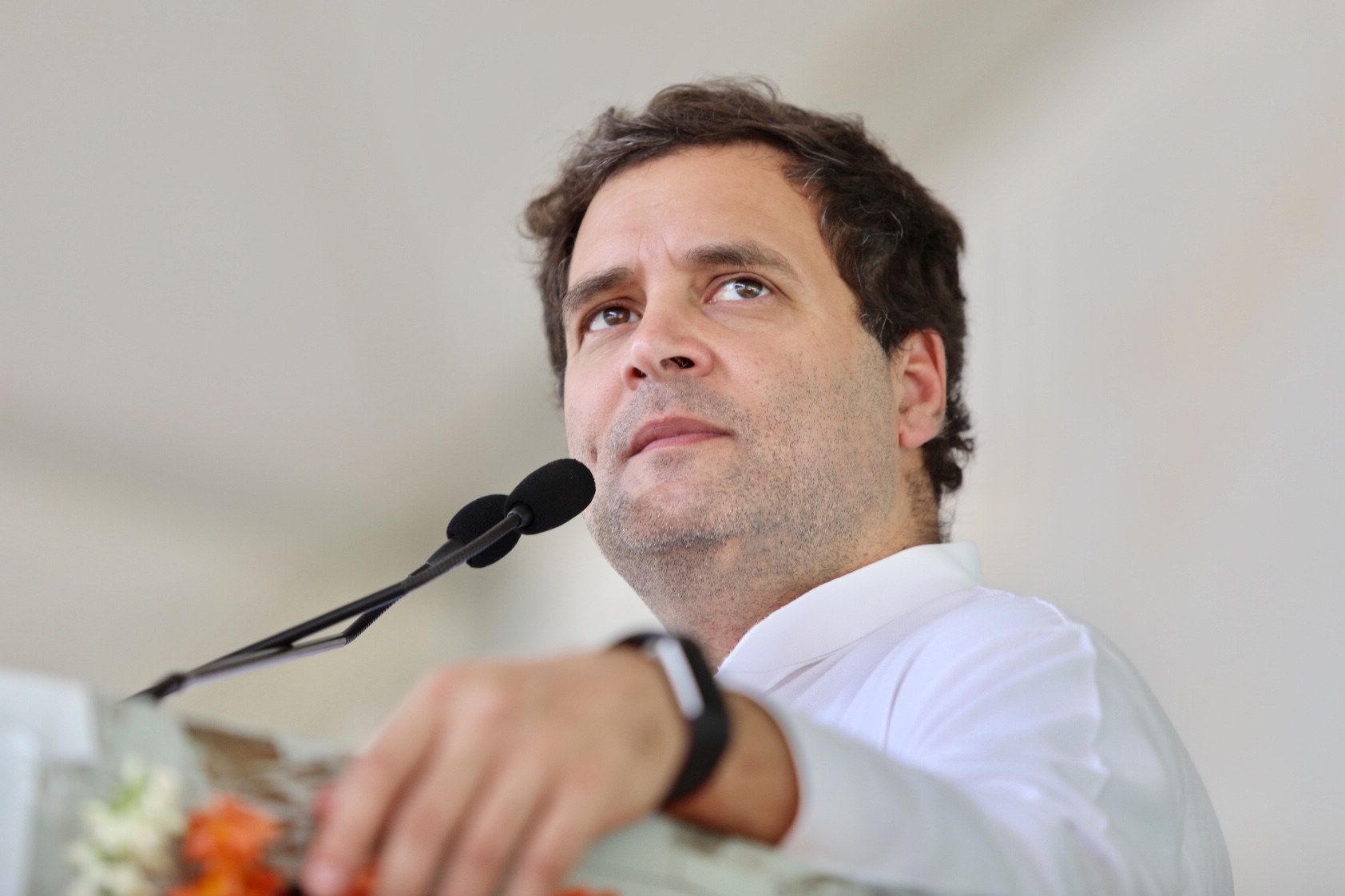
No Indian politician’s relationship with defamation law can be understood from this case alone, because Gandhi has already lived through the sharper version of it. In 2023 a court in Gujarat, Modi’s home state, convicted him in a separate defamation case over a 2019 “Modi surname” remark and sentenced him to two years in prison — a sentence that, under Indian law, briefly cost him his seat in parliament. The Supreme Court stayed that conviction, which allowed him to remain a lawmaker, as we have covered in our reporting on Gandhi’s Supreme Court march and the vote-theft campaign. The two cases together form the practical curriculum of opposition politics in India today: the same genre of campaign attack, two courts, two opposite outcomes — one conviction severe enough to remove an MP, one acquittal holding the speech was not defamatory at all.
That contrast is now a live argument, not just a biography detail. Congress can be expected to place the Sultanpur verdict beside the Gujarat conviction and ask why one courtroom’s defamation is another’s lawful campaigning. The BJP’s counter is equally available and should be stated plainly: courts decide cases on their own facts and evidence, discharge and acquittal are ordinary features of the system Shah himself passed through in 2014, and a single magistrate’s ruling in Sultanpur does not indict the Gujarat judgment. Both readings are political. The legal fact underneath them is simpler: after Monday, the 2018 case is closed, and it closed in Gandhi’s favour on the merits as the court framed them.
Why this matters
The timing is what elevates a district-court verdict into a national story. Reuters placed the acquittal explicitly in its political moment: Gandhi is currently leading a united opposition campaign against Modi and the Chief Election Commissioner over a controversial revision of voter lists — the campaign Signal Post News has tracked in our coverage of Gandhi’s call for the election chief’s resignation and the vote-theft protests. That campaign is, in substance, an accusation that the ruling establishment is rigging the democratic process — an attack at least as grave, in political terms, as the one prosecuted in Sultanpur. A court ruling, delivered mid-campaign, that his earlier attack on the BJP’s then-president was not defamatory hands the opposition a usable precedent of tone: the courts, at least in this instance, treated harsh accusation against the ruling party’s leadership as speech within the bounds of the law.
There is a numbers point here that commentary often misses. The case consumed eight years — longer than a full Lok Sabha term and most of a second — to resolve a single sentence spoken at a single campaign stop. Whatever one thinks of the remark, a system in which campaign sentences generate near-decade criminal proceedings, requiring the accused national opposition leader to appear in a district court across multiple election cycles, imposes its costs on political competition itself: time, legal exposure, and a standing incentive for every politician to soften attacks that a rival’s supporter might convert into a complaint. Acquittal ends the exposure in this case; it does not shorten the next one. India’s retention of criminal defamation, long debated by its own courts and press-freedom advocates, is the structural fact that makes both the Gujarat and Sultanpur sagas possible.
Who benefits, who loses
Gandhi and Congress are the immediate beneficiaries, and not only in morale. The acquittal removes an open criminal case from the opposition leader’s ledger at the precise moment he is asking voters and courts to take his voter-list allegations seriously; it lets his party argue, with a fresh judgment in hand, that his accusations are the kind courts have declined to punish. The BJP loses the talking point the case provided, though its loss is bounded: the party can note, accurately, that the ruling concerns a 2018 remark, not the current campaign, and that Shah was discharged in the underlying matter a dozen years ago. Home Minister Shah himself is in the most ambiguous position — the case bearing his name as its subject ends with a court declining to call the remark defamatory, a headline his office will not welcome, attached to a discharge from 2014 that his supporters will say should have ended the matter long before Gandhi spoke.
The less visible loser is the complainant-driven model itself, at least for a news cycle: a BJP leader’s 2018 complaint ended, eight years on, in acquittal on the speech’s merits as framed by the court. Whether that deters the next complaint is doubtful — the Gujarat case shows a complaint can also produce a conviction and a disqualification, however briefly — which is why both parties will keep using the law as it stands, and why the law, not any single verdict, remains the story’s centre of gravity.
What happens next
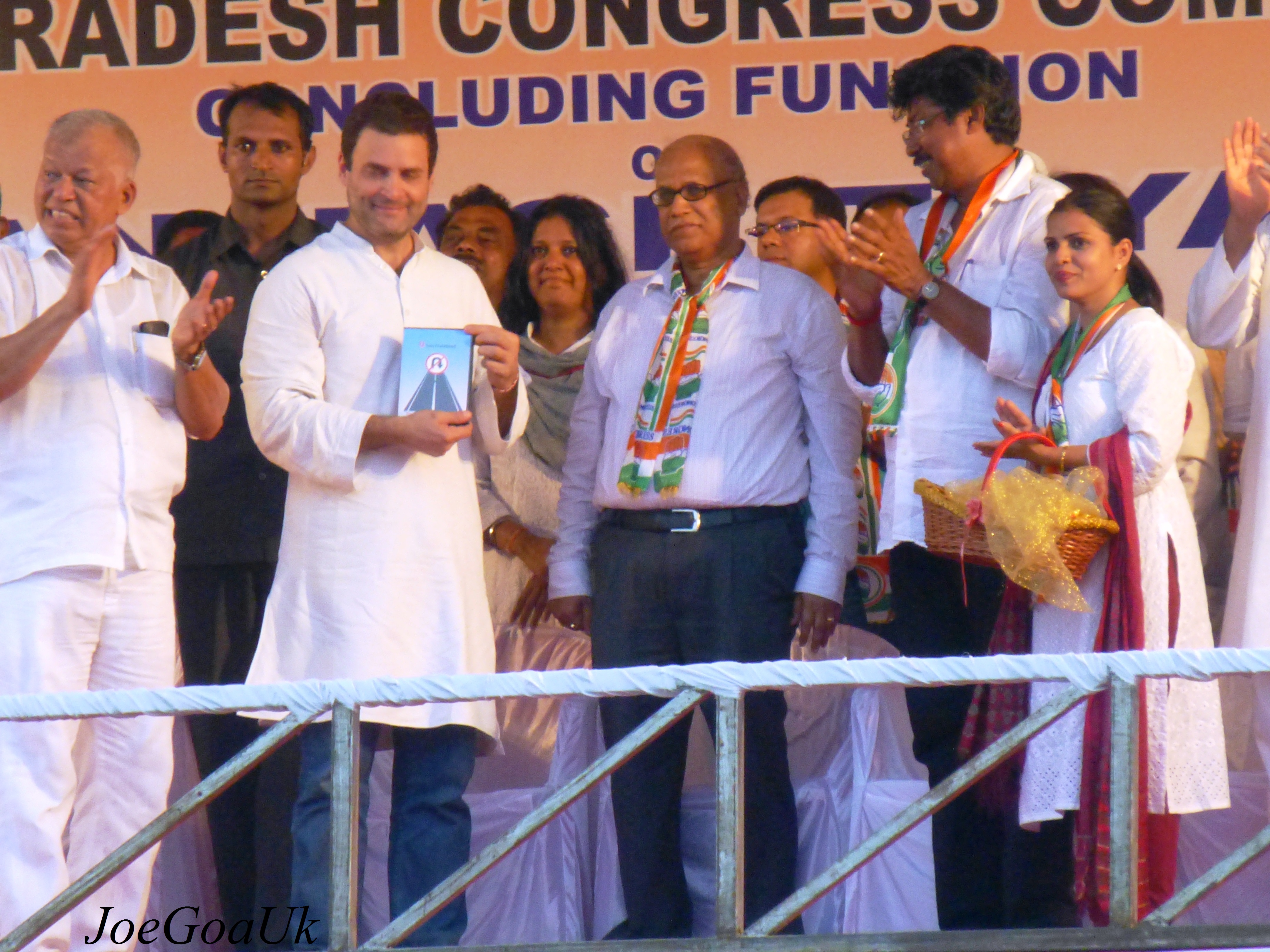
Legally, the next move belongs to the complainant: an acquittal in a case of this kind can be challenged in a higher court, and whether Mishra appeals is the first thing to watch. No appeal had been announced in the reporting available at publication. Politically, the verdict will be folded within hours into the voter-list campaign’s rhetoric — expect Congress to cite Sultanpur as proof that courts vindicate its leader when cases are decided on the speech itself, and expect the BJP to answer that a defamation acquittal says nothing about the truth of vote-theft allegations, which must stand or fall on electoral evidence. Both of those arguments are now available because a magistrate in Sultanpur closed an eight-year-old file on Monday morning. The sentence Gandhi spoke in Bengaluru in 2018 has finished its journey through the courts. The campaign it belonged to — an opposition leader accusing the ruling party of dishonesty at the top — is, in a new form, still running.
Sources
Reuters, October 26, 2026 — Indian opposition leader Rahul Gandhi acquitted in defamation case, TV channels report (acquittal, Sultanpur, Gandhi present, supporters celebrating, voter-list campaign context, 2023 Gujarat background). Bar and Bench, October 26, 2026 — UP court acquits Rahul Gandhi in defamation case over remarks against Amit Shah (court held the remarks were not defamatory in nature; Magistrate Shubham Verma; IPC Sections 499/500; the 2018 statement in full; Sohrabuddin reference and Shah’s 2014 discharge; Gandhi’s legal team). LiveLaw, October 26, 2026 — Sultanpur Court Acquits LoP Rahul Gandhi in 2018 Defamation Case over Remarks against Amit Shah (MP/MLA court, complainant Vijay Mishra, arguments and context). IANS, October 26, 2026 — Rahul Gandhi acquitted in defamation case over remarks against HM Amit Shah (complainant’s background, February 2024 bail, hearing history, Congress reaction from MLC Deepak Singh).